Camera
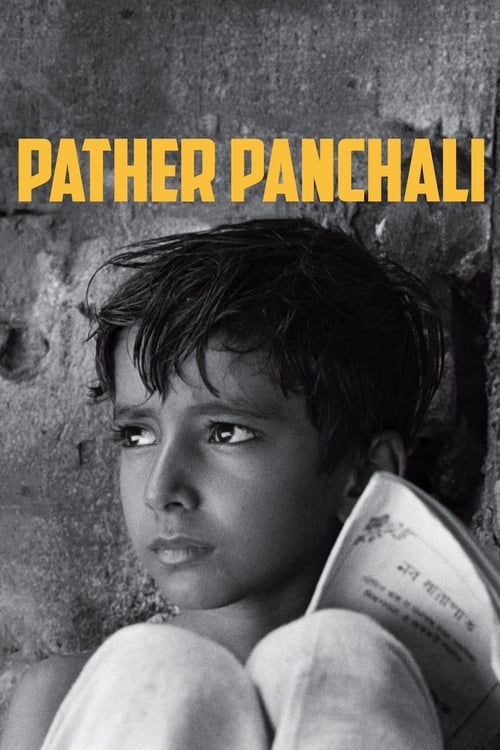
Impoverished priest Harihar Ray, dreaming of a better life for himself and his family, leaves his rural Bengal village in search of work. Alone, his wife, Sarbojaya, looks after her rebellious daughter, Durga, and her young son, Apu, as well as Harihar's elderly aunt Indir. The children enjoy the small pleasures of their difficult life, while their parents suffer the daily indignities heaped upon them.
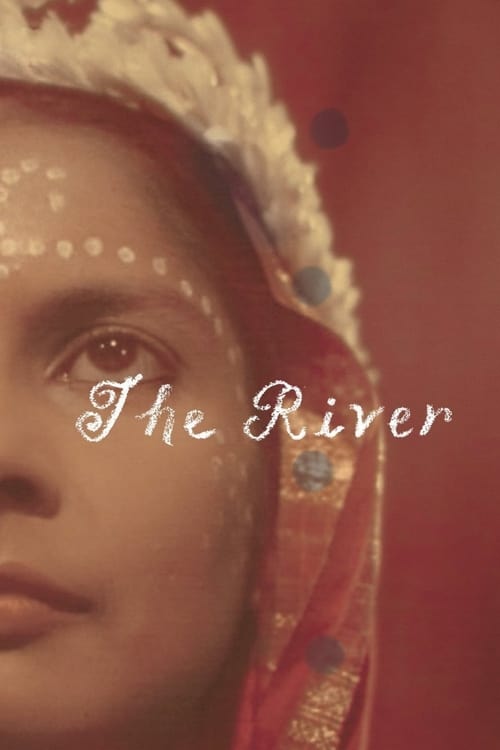
Director Jean Renoir’s entrancing first color feature—shot entirely on location in India—is a visual tour de force. Based on the novel by Rumer Godden, the film eloquently contrasts the growing pains of three young women with the immutability of the Bengal river around which their daily lives unfold. Enriched by Renoir’s subtle understanding and appreciation for India and its people, The River gracefully explores the fragile connections between transitory emotions and everlasting creation.
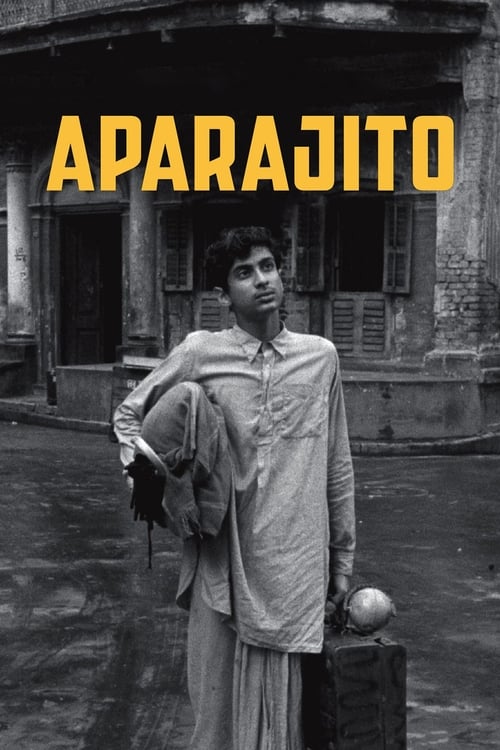
Apu and his family have moved away from the country to live in the bustling holy city of Benares. As he progresses from wide-eyed child to intellectually curious teenager, eventually studying in Kolkata, we witness his academic and moral education, as well as the growing complexity of his relationship with his mother.
A devout upper-class Hindu has a vision in a dream that his daughter-in-law is the human incarnation of the Goddess Kali and begins worshipping her.
An aging, decadent landlord’s passion for music becomes the undoing of his legacy as he sacrifices his wealth in order to compete with the opulent music room of his younger, richer neighbour.
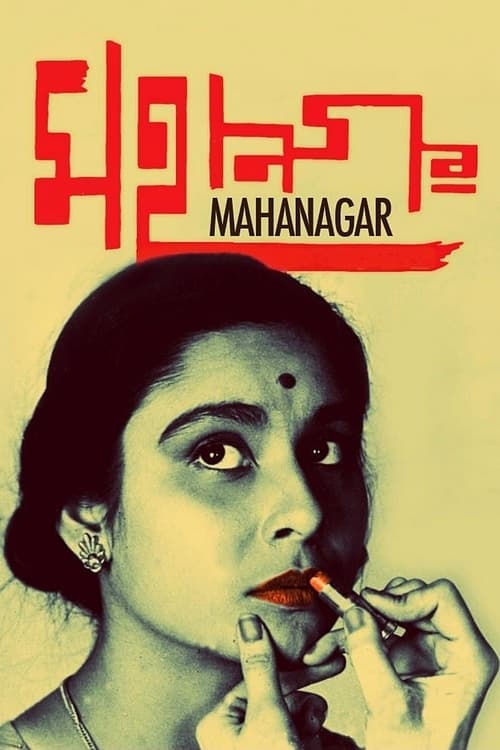
Arati takes a job as a door-to-door saleswoman in Calcutta's wealthy neighbourhoods, in defiance of her traditionally-minded husband, Subrata, and his live-in parents. Emulating her Anglo-Indian friend Edith, who speaks equal to the men she encounters on the job, Arati quickly becomes her firm's top salesperson. When Subrata loses his job, the power dynamic begins to shift.
Apu, now a jobless ex-student dreaming vaguely of a future as a writer, is invited to join an old college friend on a trip up-country to a village wedding.
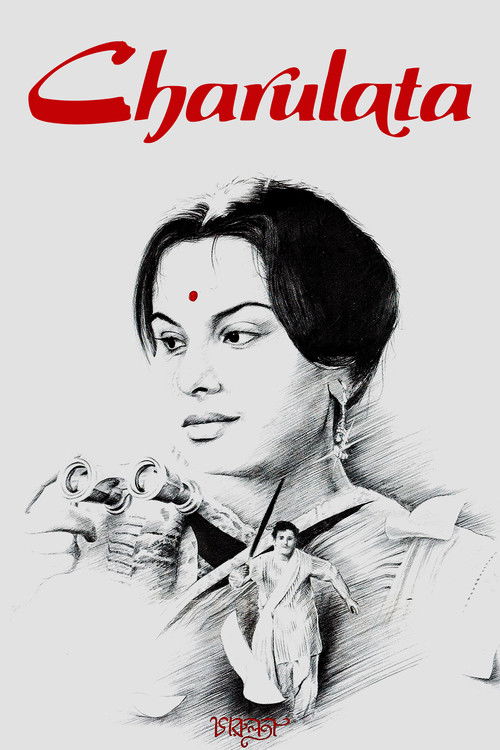
In 1870s India, Charulata is an isolated, artistically inclined woman who sees little of her busy journalist husband, Bhupati. Realizing that his wife is alienated and unhappy, he convinces his cousin, Amal, to spend time with Charulata and nourish her creative impulses. Amal is a fledgling poet himself, and he and Charulata bond over their shared love of art.
Arindam, a matinee idol, is going by train to collect an acting award. On the train, he is confronted by Aditi, a journalist who somewhat unwillingly starts to take his interview. Arindam, won over by Aditi's naivete, starts to disclose his past, his fears and his secrets.
A widow upholds feudal virtue by suppressing her love for a cavalry captain in favor of her daughter.
The story of a family troupe of English actors who travel around the towns and villages in India giving performances of Shakespearean plays. Through their travels we see the changing face of India as the old is replaced by the new, Maharajas become hotel owners, sports become more important than culture and the theater is replaced by Bollywood movies. Based on the travels of Geoffrey Kendal with his daughter Felicity Kendal.
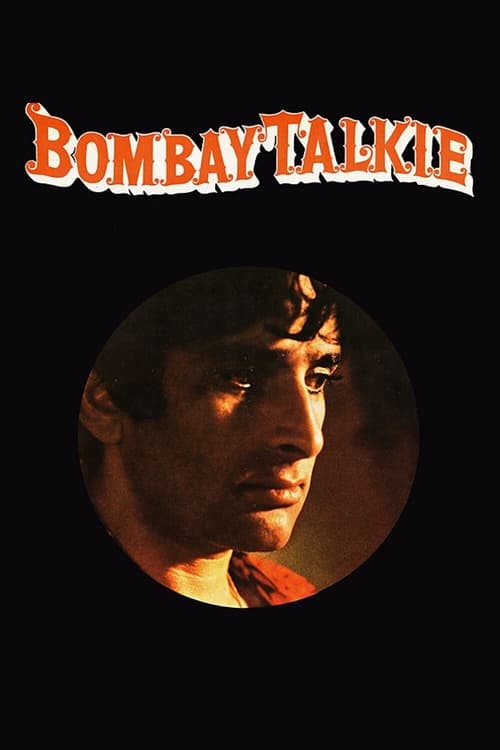
An English novelist travels to Bombay to watch one of her novels translated to film. She chases after the movie's leading man while the screenwriter chases after her.
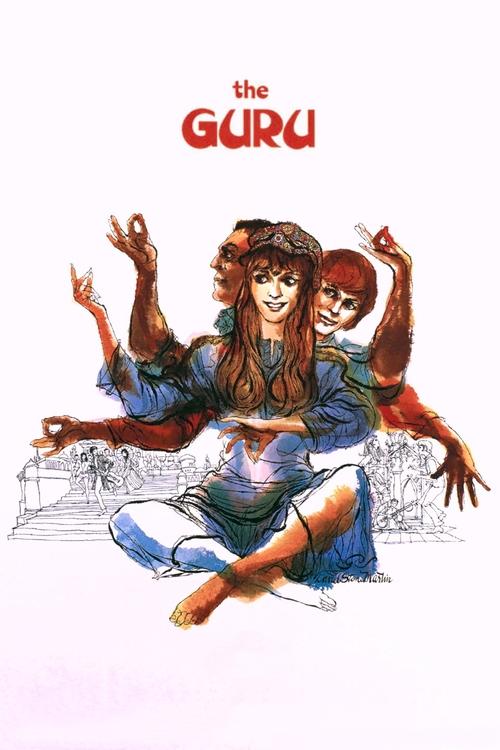
Britain's top pop artiste, Tom Pickle, travels to Bombay, India, circa 1960s to learn to play the sitar from renowned maestro Ustad Zafar Khan.
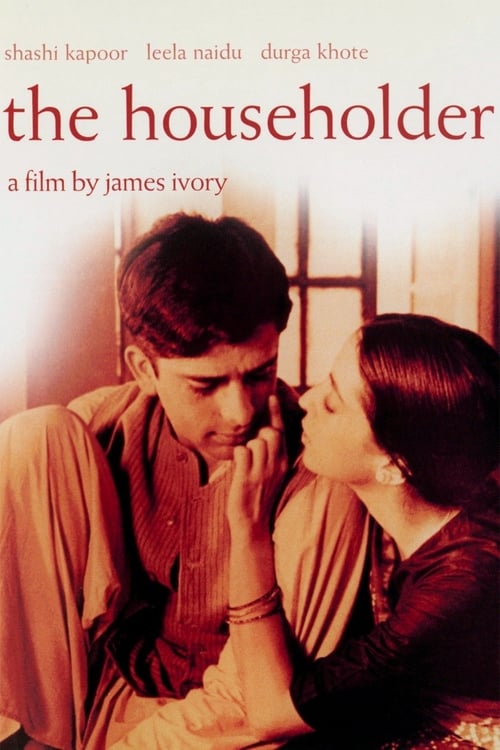
Prem, a young school teacher, is arranged married and begins the journey of learning the roles and responsibilities required of him.
A middle-aged bank clerk happens on a stone with alchemical properties, allowing him to turn steel into gold.
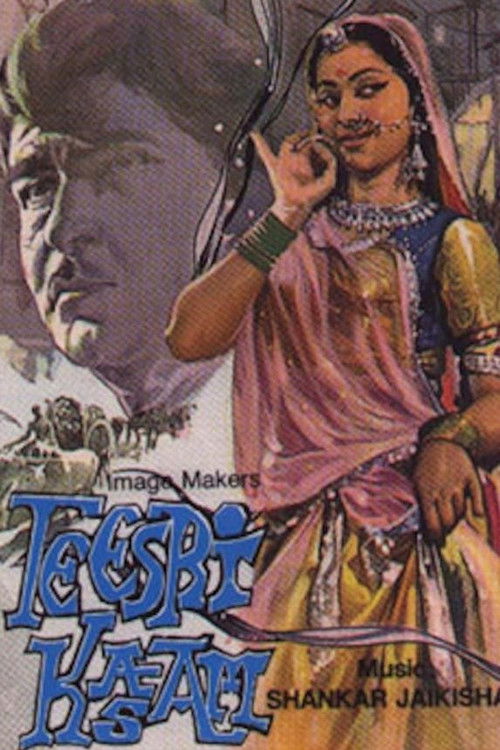
A naive bullock-cart driver falls for a traveling dancer.
When a politician is killed, a journalist discovers that a member of parliament had the man assassinated. As his editor digs deeper, the complicity of higher-placed politicians comes to the surface, which leads to riots in one town and an attempt to suppress his story.
In the time frame of a single day (from dawn to dust), the film records the wanderings of an Indian youth who sleeps on the beach, holds conversations with a statue of Mahatma Gandhi, and scavenges for food with his monkey. By afternoon, a little ceremony is held by well-to-do Gandhi-ites, at which a speaker delivers a sermon on "godly love"; but when the boy comes too close, he is told to move on by a guard, one of a series of exclusions of this onlooker-outcast.
Played out in real time, several complex family dramas intersect in the landscape of the Himalayan foothills, allowing the Bengali auteur to examine the class and generational differences of postcolonial India while celebrating the hopes of a society in transition.
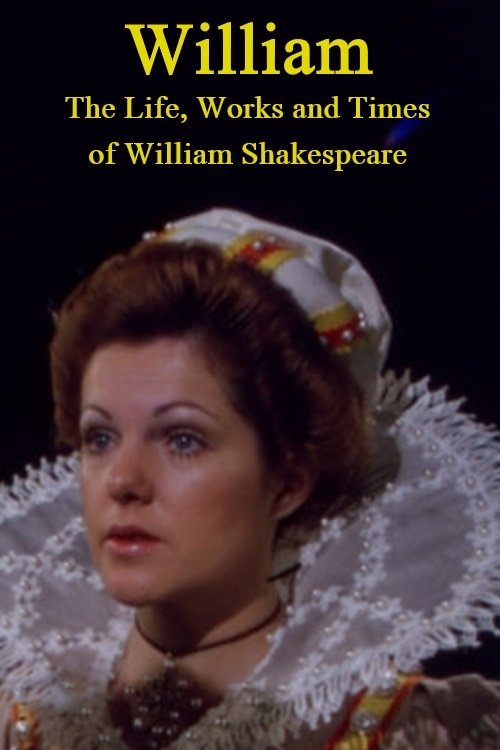
Special introducing William Shakespeare to young people through sketches, readings and music.