Leo Durocher
Acting
Known For

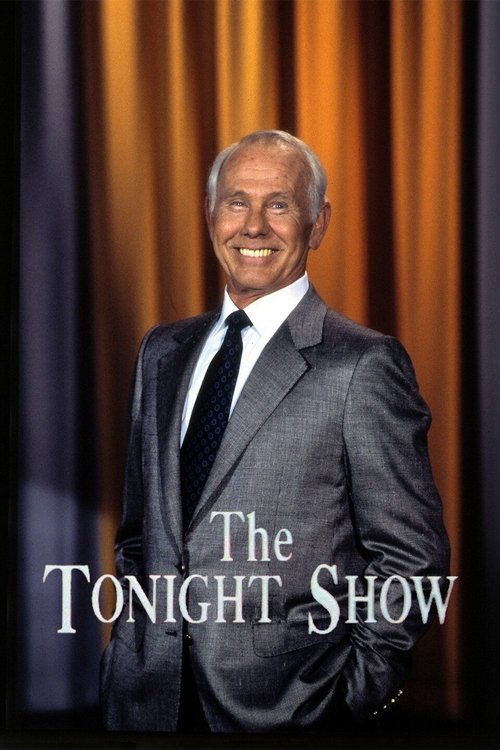
The Tonight Show Starring Johnny Carson is a talk show hosted by Johnny Carson under The Tonight Show franchise from 1962 to 1992. It originally aired during late-night. For its first ten years, Carson's Tonight Show was based in New York City with occasional trips to Burbank, California; in May 1972, the show moved permanently to Burbank, California. In 2002, The Tonight Show Starring Johnny Carson was ranked #12 on TV Guide's 50 Greatest TV Shows of All Time.
The Tonight Show Starring Johnny Carson

Matinee Theater is an American anthology series that aired on NBC during the Golden Age of Television, from 1955 to 1958. The series, which ran daily in the afternoon, was frequently live. It was produced by Albert McCleery, Darrell Ross, George Cahan and Frank Price with executive producer George Lowther. McCleery had previously produced the live series Cameo Theatre which introduced to television the concept of theater-in-the-round, TV plays staged with minimal sets. Jim Buckley of the Pewter Plough Playhouse recalled: When Al McCleery got back to the States, he originated a most ambitious theatrical TV series for NBC called Matinee Theater: to televise five different stage plays per week live, airing around noon in order to promote color TV to the American housewife as she labored over her ironing. Al was the producer. He hired five directors and five art directors. Richard Bennett, one of our first early presidents of the Pewter Plough Corporation, was one of the directors and I was one of the art directors and, as soon as we were through televising one play, we had lunch and then met to plan next week’s show. That was over 50 years ago, and I’m trying to think; I believe the TV art director is his own set decorator —yes, of course! It had to be, since one of McCleery’s chief claims to favor with the producers was his elimination of the setting per se and simply decorating the scene with a minimum of props. It took a bit of ingenuity.
Matinee Theater

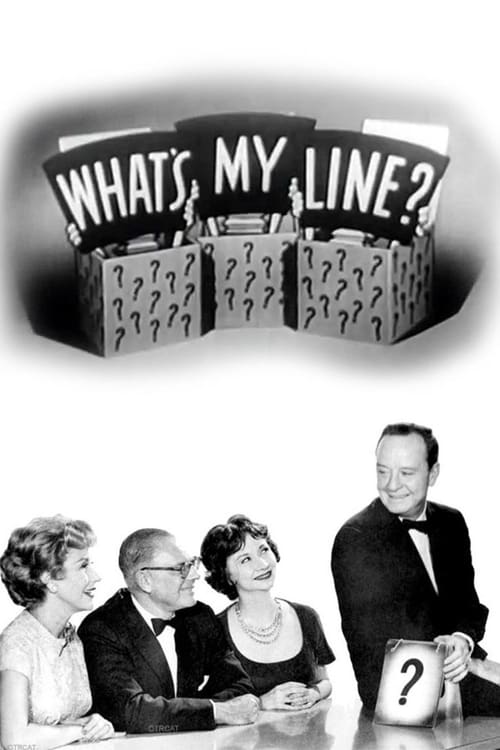
Four panelists must determine guests' occupations - and, in the case of famous guests, while blindfolded, their identity - by asking only "yes" or "no" questions.
What's My Line?

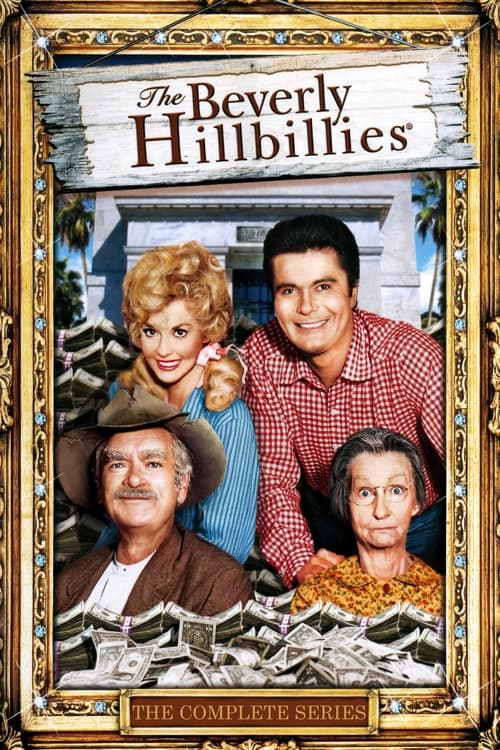
Jed Clampett's swamp is loaded with oil. When a wildcatter discovers the huge pool, Jed sells his land to the O.K. Oil Company and at the urging of cousin Pearl, moves his family to a 35-room mansion in Beverly Hills, California.
The Beverly Hillbillies

Revolves around typical family problems, such as firing a clumsy housekeeper, throwing a retirement bash for a colleague, and finding quality time away from the children.
The Donna Reed Show

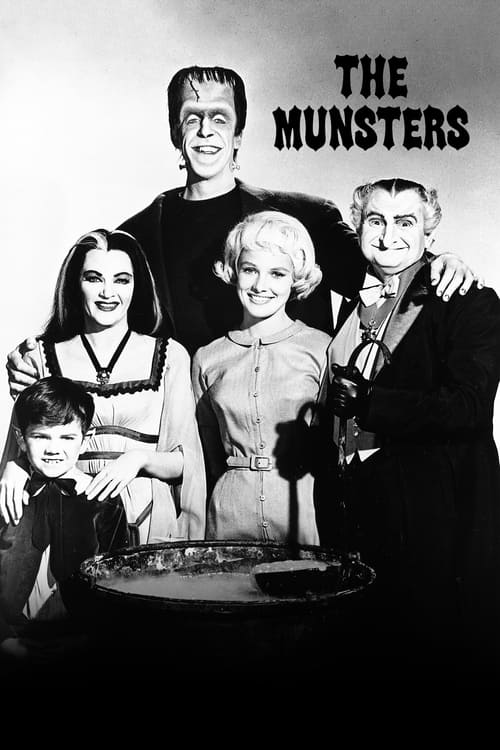
A family of friendly monsters that have misadventures all while never quite understanding why people react to them so strangely.
The Munsters

The Colgate Comedy Hour is an American comedy-musical variety series that aired live on the NBC network from 1950 to 1955. The show starred many notable comedians and entertainers of the era, including Eddie Cantor, Dean Martin and Jerry Lewis, Fred Allen, Donald O'Connor, Bud Abbott and Lou Costello, Bob Hope, Jimmy Durante, Ray Bolger, Gordon MacRae, Ben Blue, Robert Paige, Tony Curtis, Burt Lancaster, Broadway dancer Wayne Lamb and Spike Jones and His City Slickers.
The Colgate Comedy Hour
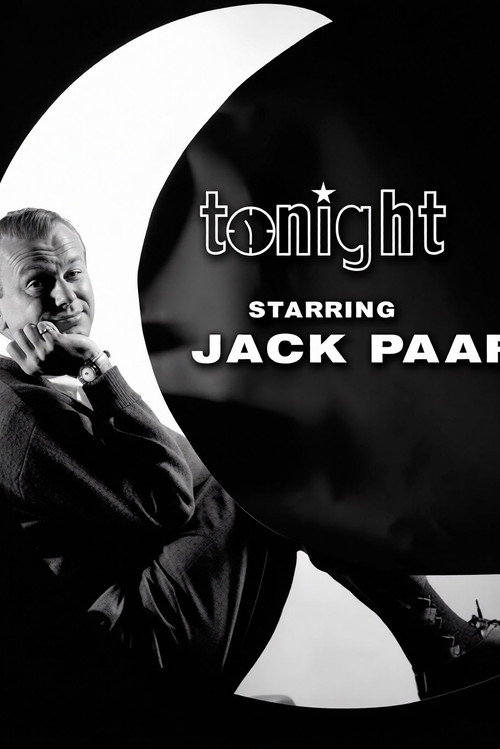
Tonight Starring Jack Paar is an American talk show hosted by Jack Paar under The Tonight Show franchise from 1957 to 1962. It originally aired during late-night. During most of its run it was broadcast from Studio 6B inside the RCA Building. The same studio would also host early episodes of The Tonight Show Starring Johnny Carson, and Late Night with Jimmy Fallon. Its theme song was an instrumental version of "Everything's Coming Up Roses", and the closing theme was "So Until I See You" by Al Lerner.
Tonight Starring Jack Paar

Wilbur Post and his wife Carol move into a beautiful new home. When Wilbur takes a look in his new barn, he finds that the former owner left his horse behind. This horse is no ordinary horse . . . he can talk, but only to Wilbur, which leads to all sorts of misadventures for Wilbur and his trouble-making sidekick Mister Ed.
Mister Ed

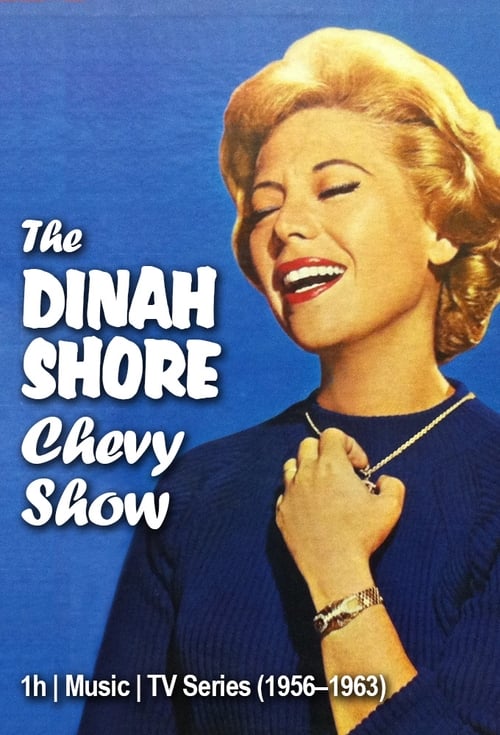
The Dinah Shore Chevy Show is an American variety series hosted by Dinah Shore, and broadcast on NBC from October 1956 to June 1963. The series was sponsored by the Chevrolet Motor Division of General Motors and its theme song, sung by Shore, was "See the U.S.A. in Your Chevrolet", which continued to be used in Chevrolet advertising for several more years after the cancellation of the show.
The Dinah Shore Chevy Show

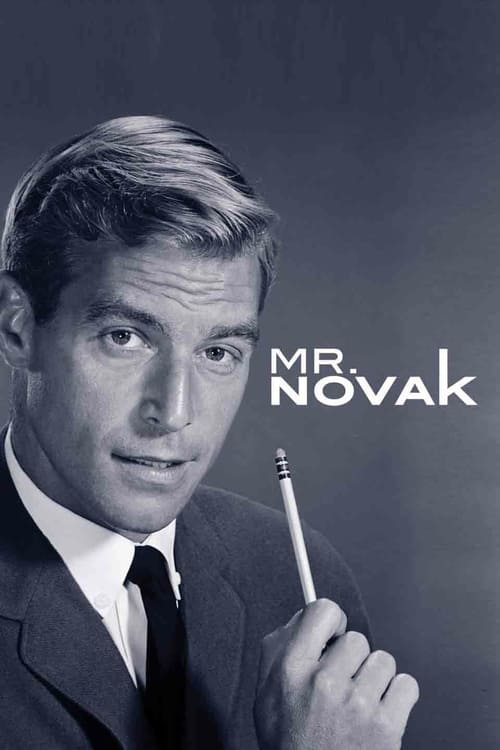
Mr. Novak is an American dramatic series starring James Franciscus in the title role, which aired on NBC for two seasons, from 1963 to 1965.
Mr. Novak

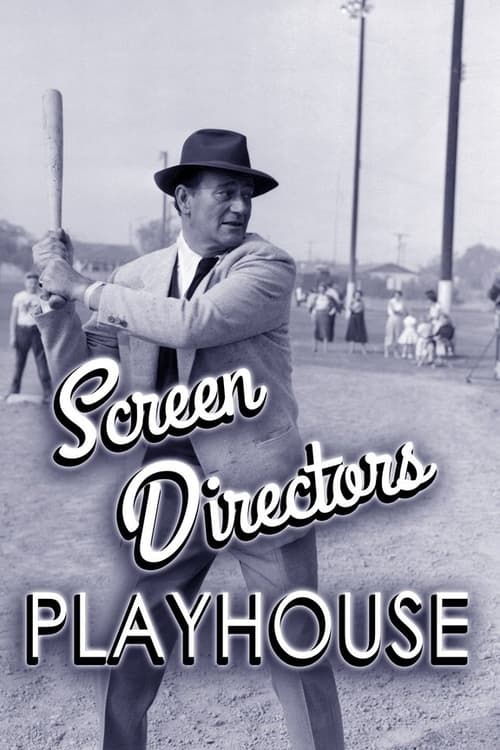
Presented by Eastman Kodak, this show was a series of original scripts directed by acclaimed directors and featuring well-known performers. The stories ranged from musicals to comedies and dramas.
Screen Director's Playhouse

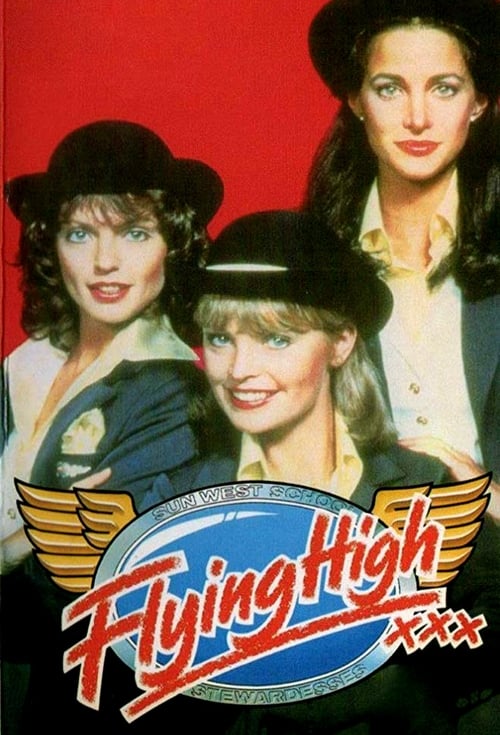
Flying High is an American comedy-drama series that aired on CBS from August 28, 1978 until January 23, 1979. Created by Dawn Aldredge and Martin Cohan, the series stars Connie Sellecca, Pat Klous, and Kathryn Witt.
Flying High

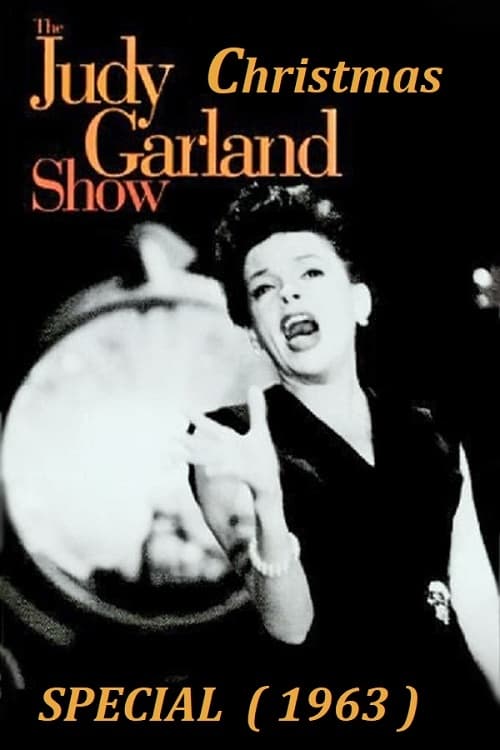
The Judy Garland Show is an American musical variety television series that aired on CBS on Sunday nights during the 1963-1964 television season. Despite a sometimes stormy relationship with Judy Garland, CBS had found success with several television specials featuring the star. Garland, who for years had been reluctant to commit to a weekly series, saw the show as her best chance to pull herself out of severe financial difficulties. Production difficulties beset the series almost from the beginning. The series had three different producers in the course of its 26 episodes and went through a number of other key personnel changes. With the change in producers also came changes to the show's format, which started as comedy/variety but switched to an almost purely concert format. While Garland herself was popular with critics, the initial variety format and her co-star, Jerry Van Dyke, were not. The show competed with Bonanza, then the fourth most popular program on television, and consistently performed poorly in the ratings. Although fans rallied in an attempt to save the show, CBS cancelled it after a single season. TV Guide included the series in their 2013 list of 60 shows that were "Cancelled Too Soon".
The Judy Garland Show

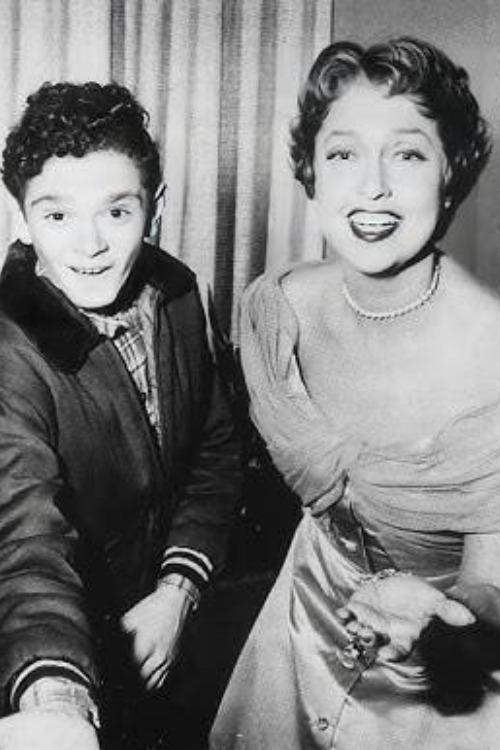
A famous singer discovers a newsboy with vocal talent, but he would rather play baseball than develop his singing skills. She'd like to persuade his parents of his potential, but confusion arises when they arrive to discuss the matter.
Prima Donna

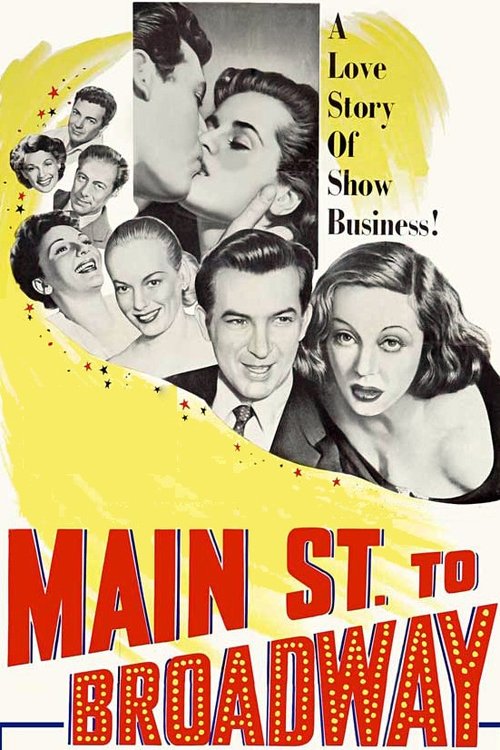
In New York, a surly, down-on-his-heels playwright meets a country girl who's giving up trying to act and returning home. He goes with her for inspiration when his agent convinces a stage star to take his next effort. When he returns to Broadway, his girl stays behind and starts seeing a local businessman.
Main Street to Broadway

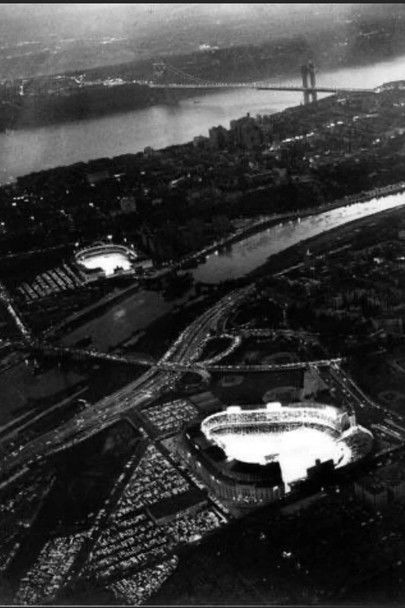
Follow Willie Mays’ life both on and off the field over five decades as he navigated the American sports landscape and the country’s ever-evolving cultural backdrop, all while helping to define what it means to be one of America’s first Black sports superstars. He left an indelible mark in New York City and San Francisco, building a love affair with both cities’ fans.
Say Hey, Willie Mays!

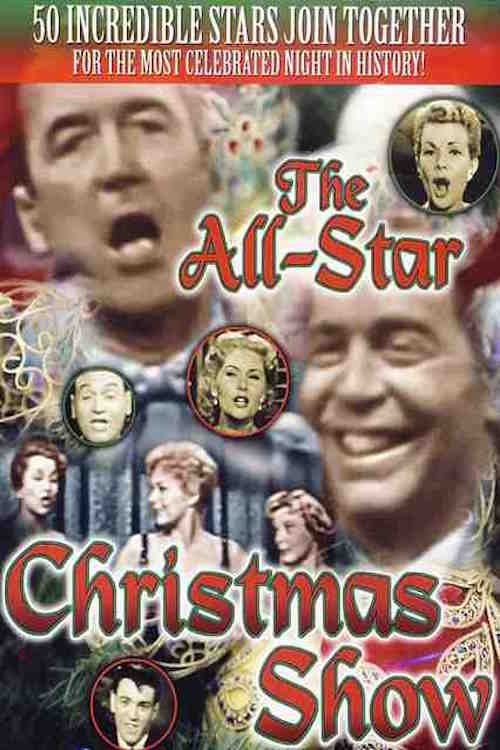
This 1958 Christmas spectacular was produced by the USO for the entertainment of troops stationed overseas. Over 50 top names from stage, screen and television appear in this truly all-star concert film - a magical evening of music, comedy and fun. Feeaturing Bob Hope, Bing Crosby, George Burns, Milton Berle, Jack Benny, Louis Armstrong, Lena Horne, Danny Kaye, Dinah Shore, Shirley MacLaine, Jimmy Durante, Jimmy Stewart, Danny Thomas, Anna Maria Alberghetti, June Allyson, Ray Bolger, Red Buttons, Sid Caesar, Marge & Gower Champion, Cyd Charisse, Van Cliburn, Leo Durocher, Rhonda Fleming, Benny Goodman, Eydie Gormé, Betty Hutton, Frankie Lane, Tony Martin, David Niven, Kim Novak, Gregory Peck, Walter Pidgeon, Dick Powell, Jane Powell, Martha Raye, Jimmie Rogers, Jane Russell, Dick Shawn, Jo Stafford, Gale Storm and Miyoshi Umeki.
The All-Star Christmas Show
Jackpot Bowling was a professional bowling show on NBC from January 9, 1959 to June 24, 1960 and again from September 19, 1960 to March 13, 1961. Jackpot Bowling was the first national TV bowling show since Bowling Headliners aired in the early days of television. Jackpot Bowling aired on Fridays at 10:45 PM following the Cavalcade of Sports Friday Night Fight. Leo Durocher was the show's first host, but bowed out after only two shows and was replaced by Mel Allen. Allen's lack of bowling knowledge made him an unpopular host, however. On April 10, 1959 Bud Palmer became the show's third host. Allen returned in October 1959 and remained with the show until April 1960, after which Palmer returned and hosted through June. The show was put on a brief hiatus after the June 24, 1960 episode, as its Cavalcade of Sports lead-in had ended its run on NBC. When it returned on September 19, 1960, a retooled version hit the airwaves; the series not only moved to Monday nights at 10:30, but Bayuk Cigars replaced Phillies Cigars as sponsor, the Hollywood Legion Lanes replaced Wayne, New Jersey's T-Bowl as the show's venue, and Milton Berle took over as host with Chick Hearn providing play-by-play. The show now ran 30 minutes, and the professional bowler challenges were supplemented with segments of celebrities being interviewed by Berle and then rolling a shot for charity.
Jackpot Bowling

A candid, inside look at one of the greatest ballplayers ever, up through the 1963 season. Many highlights from Willie Mays's career are shown, including his 4-homer night against the Braves, his 400th homer against the Cardinals, and his 2000th hit.