FEEL IT.STREAM
John Wengraf

John Wengraf

Acting

Biography

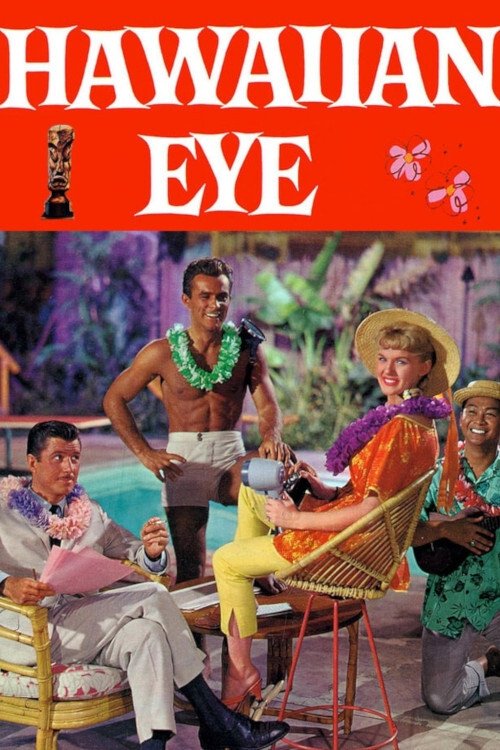
Emigrating to England in 1933 as the Nazis began their rise to power, Wengraf appeared unbilled in a couple of films there, as well as in some of the first BBC live-television shows ever presented but his career began to languish. In late 1941, however, he had the good fortune of appearing on Broadway with Helen Hayes in "Candle in the Wind" and decided to stay. The following year he headed west and settled permanently in the Los Angeles area. A dark, cold-eyed, thin-lipped player with a precise, meticulous air about him, he found himself invariably playing the very characters he detested. Some of his more nefarious nasties surfaced in such films as the Humphrey Bogart classic Sahara (1943/I), as well as The Boy from Stalingrad (1943), U-Boat Prisoner (1944) and Till We Meet Again (1944). In postwar years, he was often spotted portraying ethnic professionals (scientists, doctors, professors, foreign royalty). Some of the more quality pictures he enhanced were Tomorrow Is Forever (1946); Count Von Papen in 5 Fingers (1952); and Ronchin in the Ethel Merman musical Call Me Madam (1953). Although Wengraf never made it to the very top of the Hollywood character ranks, he remained a throughly strong and reliable player. In the 1950s and 1960s he transferred his talents to TV, appearing on a number of dramatic showcases and on such popular programs as "The Untouchables" (1959), "Hawaiian Eye" (1959), "The Man from U.N.C.L.E." (1964) and "The Time Tunnel" (1966). His last few films included minor roles in the war-themed Judgment at Nuremberg (1961), Hitler (1962) and Ship of Fools (1965). He retired in 1966, and died in Santa Barbara, California, at age 77, on May 4, 1974.
Known For

Matinee Theater
5.3

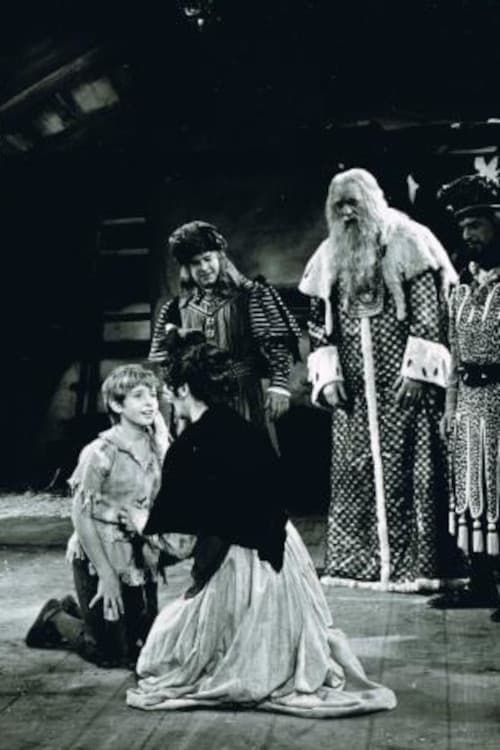
Matinee Theater is an American anthology series that aired on NBC during the Golden Age of Television, from 1955 to 1958. The series, which ran daily in the afternoon, was frequently live. It was produced by Albert McCleery, Darrell Ross, George Cahan and Frank Price with executive producer George Lowther. McCleery had previously produced the live series Cameo Theatre which introduced to television the concept of theater-in-the-round, TV plays staged with minimal sets. Jim Buckley of the Pewter Plough Playhouse recalled: When Al McCleery got back to the States, he originated a most ambitious theatrical TV series for NBC called Matinee Theater: to televise five different stage plays per week live, airing around noon in order to promote color TV to the American housewife as she labored over her ironing. Al was the producer. He hired five directors and five art directors. Richard Bennett, one of our first early presidents of the Pewter Plough Corporation, was one of the directors and I was one of the art directors and, as soon as we were through televising one play, we had lunch and then met to plan next week’s show. That was over 50 years ago, and I’m trying to think; I believe the TV art director is his own set decorator —yes, of course! It had to be, since one of McCleery’s chief claims to favor with the producers was his elimination of the setting per se and simply decorating the scene with a minimum of props. It took a bit of ingenuity.

Matinee Theater

1955Series
Four Star Playhouse
6.8

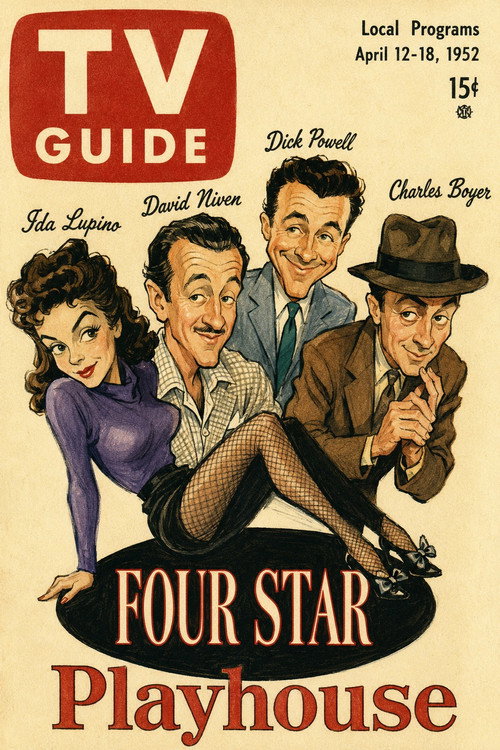
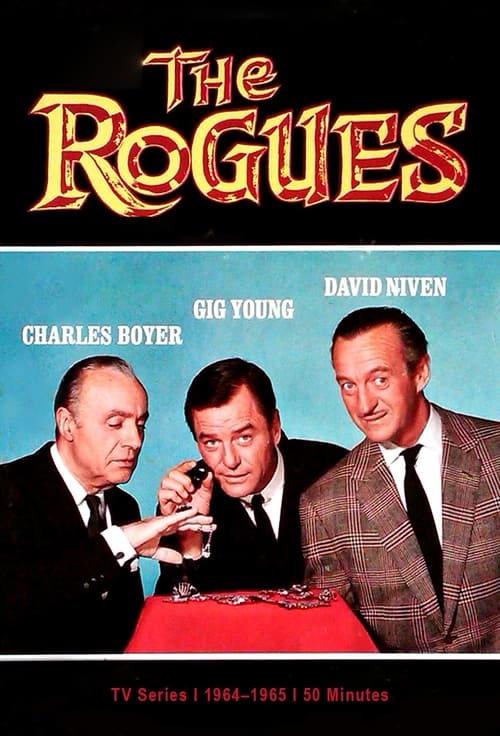
Four Star Playhouse is an American television anthology series that ran from 1952 to 1956, sponsored in its first bi-weekly season by The Singer Company; Bristol-Myers became an alternate sponsor when it became a weekly series in the fall of 1953. The original premise was that Charles Boyer, Ida Lupino, David Niven, and Dick Powell would take turns starring in episodes. However, several other performers took the lead from time to time, including Ronald Colman and Joan Fontaine. Blake Edwards was among the writers and directors who contributed to the series. Edwards created the recurring character of illegal gambling house operator Willie Dante for Dick Powell to play on this series. The character was later revamped and spun off in his own series starring Howard Duff, then-husband of Lupino. The pilot for Meet McGraw, starring Frank Lovejoy, aired here, as did another episode in which Lovejoy recreated his role of Chicago newspaper reporter Randy Stone, from the radio drama Nightbeat.

Four Star Playhouse

1952Series
The Detectives
6.7

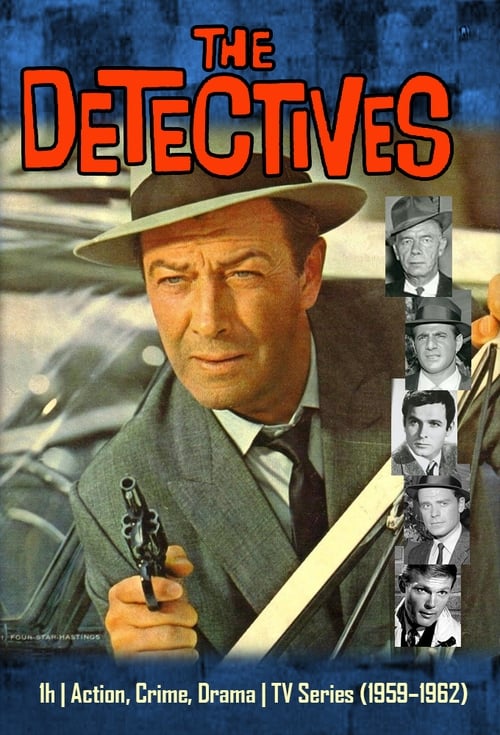
The Detectives is an American crime drama series which ran on ABC during its first two seasons, and on NBC during its third and final season. The series, starring motion picture star Robert Taylor, was produced by Four Star Television. Captain Matt Holbrook (Robert Taylor) is head of the detective division of a large metropolitan police force—a man whose devotion to duty, professional brilliance, and quick judgment are reflected in his 20-year career on the force. His aides, Lt. Johnny Russo (Tige Andrews), Lt. Otto Lindstrom (Russ Thorson), and Sgt. Chris Ballard (Mark Goddard) form a team that is both proficient and warmly human. The stories stress the interrelationships between the men as well as the solutions to crimes and the apprehension of criminals, adding a dimension of human drama to the excitement, action, and suspense inherent in each story of the detectives' difficult, sometimes thankless, and frequently dangerous assignments.

The Detectives

1959Series
Cavalcade of America
4.6

Cavalcade of America is an anthology drama series that was sponsored by the DuPont Company, although it occasionally presented a musical, such as an adaptation of Show Boat, and condensed biographies of popular composers. It was initially broadcast on radio from 1935 to 1953, and later on television from 1952 to 1957. Originally on CBS, the series pioneered the use of anthology drama for company audio advertising. Cavalcade of America documented historical events using stories of individual courage, initiative and achievement, often with feel-good dramatizations of the human spirit's triumph against all odds. This was consistent with DuPont's overall conservative philosophy and legacy as an American company dating back to 1802. The company's motto, "Maker of better things for better living through chemistry," was read at the beginning of each program, and the dramas emphasized humanitarian progress, particularly improvements in the lives of women, often through technological innovation.

Cavalcade of America

1952Series