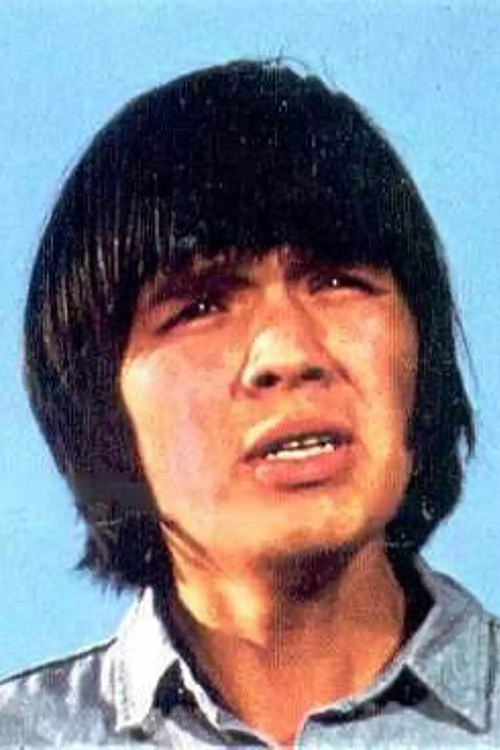
Buckley Petawabano
Acting
Biography
Buckley Petawabano, born in 1950, made a memorable entrance into their office one day. Hailing from the Cree community of Lac St. John in Quebec, Buckley's warm personality and infectious smile overshadowed any speech awkwardness. At around 20 years old, he became a respected figure on and off-screen, particularly serving as a role model for younger indigenous boys in the Manitoulin area. He was cherished and highly regarded by both the cast and crew of the series.
Known For
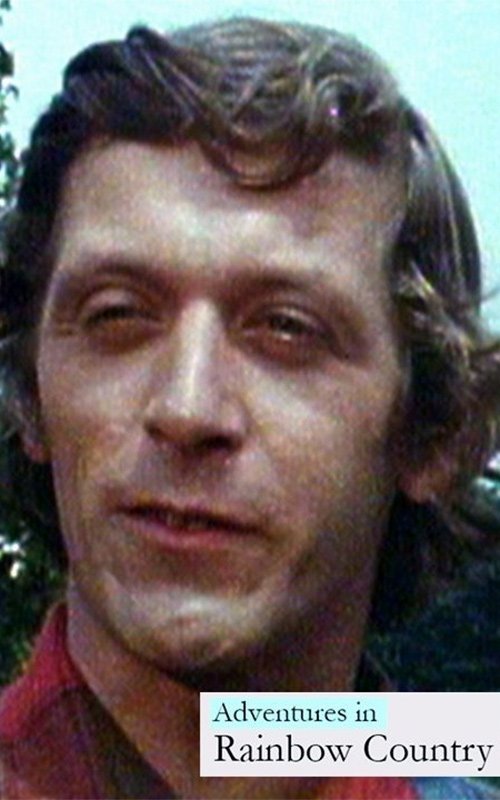
"Adventures in Rainbow Country," aired on CBC Television from 1970 to 1971 and later ran on Nickelodeon in the early '80s. Led by Lois Maxwell as Nancy Williams, a widow caring for her children in rural Northern Ontario, the series revolved around family dynamics and featured characters like Billy, his Ojibwa friend Pete Gawa, and bush pilot Dennis McGubgub. Filming took place around Whitefish Falls, near Espanola, and scenes were shot in Birch Island and Manitoulin Island in 1969. With 26 episodes, it had successful reruns in Canada and internationally, appearing on channels like DejaView and Silver Screen Classics. Although never officially cancelled, the series didn't produce more episodes after its initial run.
Adventures in Rainbow Country
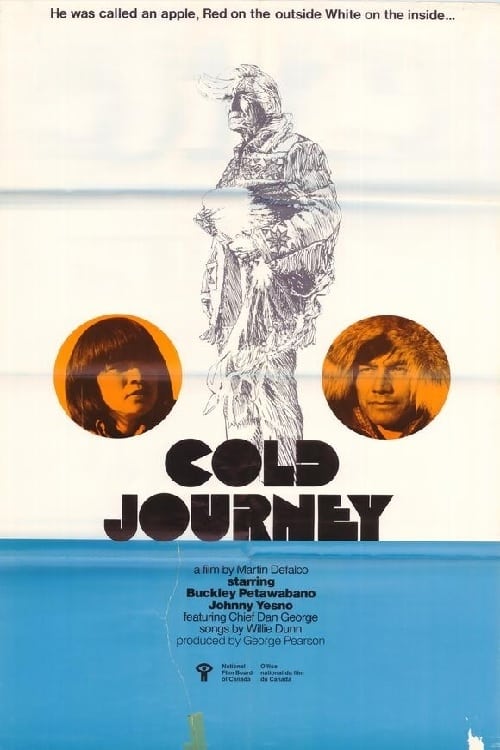
In this feature drama, a Canadian Indigenous youth attempts to find a place for himself. He faces culture shock as the educational system teaches him to be a white man and tries to find a way of life more meaningful to his Indigenous culture and ancestry.
Cold Journey
The fur trade is Canada's oldest industry, but today some people challenge the morality of killing animals for their fur. This film examines the public relations war raging between the industry and its opponents and takes an objective look at the ethical, environmental and economic issues raised by the debate. The struggle to win over public opinion has been joined by Indigenous peoples in Canada who fear that their way of life will be jeopardized if the fur industry is destroyed. The cycle of the industry is followed from the trapper's bush camp and the fur ranch to the final sale of a coat in the furrier's salon. Throughout the film, the conflicting opinions of fur industry representatives, animal rights activists and Indigenous people challenge the viewer to consider all aspects of this complex debate. —NFB
Pelts: Politics of the Fur Trade
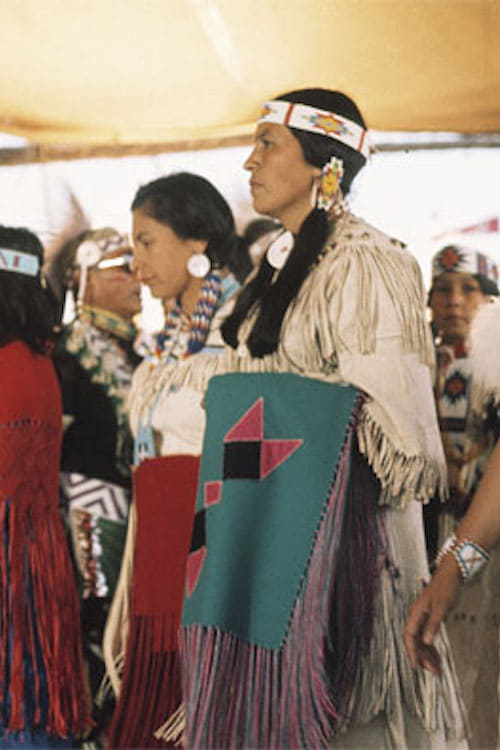
This short documentary examines an innovative educational program developed by John and Gerti Murdoch to teach Cree children their language via Cree folklore, photographs, artifacts, and books that were written and printed in the community. Made as part of the NFB’s groundbreaking Challenge for Change series, Cree Way shows that local control of the education curriculum has a place in Indigenous communities.
Cree Way
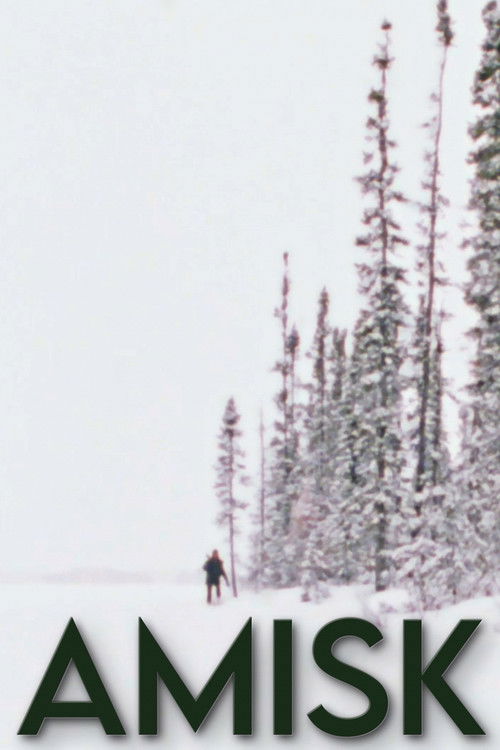
A performing arts film by Alanis Obomsawin, it documents efforts to raise funds for the James Bay Cree and was made at a time when Cree territory was threatened by hydro-electric projects. Amisk represents early work by Obomsawin, a trailblazer in Canadian Aboriginal film.