FEEL IT.STREAM
Montgomery Clift

Montgomery Clift

Acting

Biography

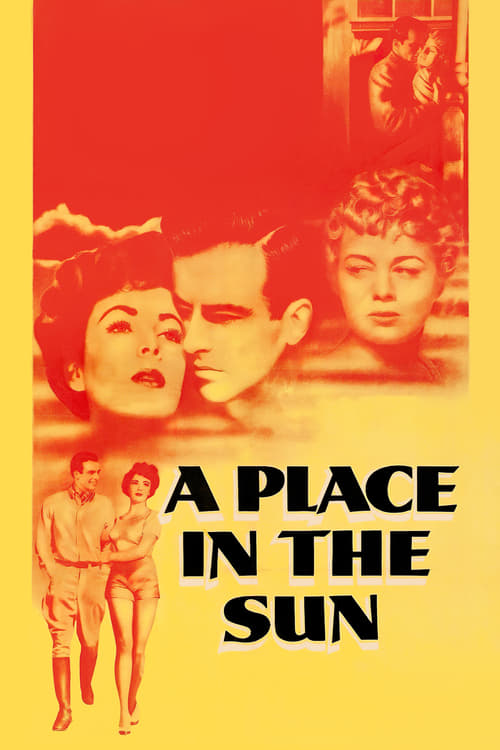
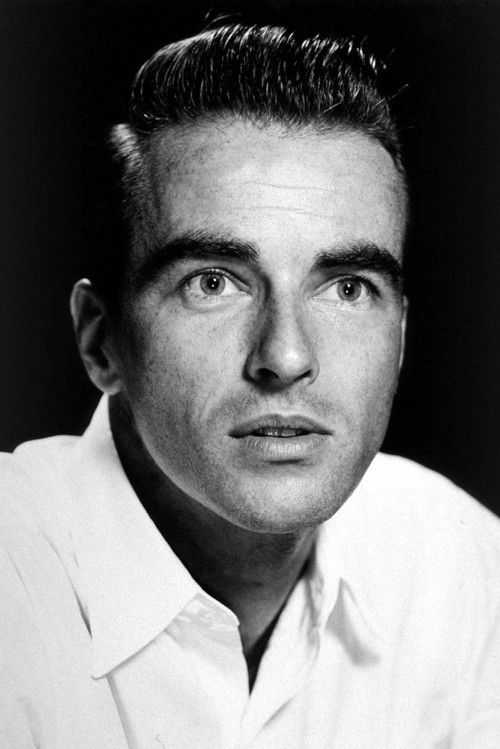
Edward Montgomery “Monty” Clift (October 17, 1920 - July 23, 1966) was an American actor of the Golden Age, known for often playing sensitive or conflicted outcast characters with realistic emotional depth and anxieties. Clift, Marlon Brando and James Dean are the trio typically associated with the new wave of film acting, with Clift being the oldest and first to make his stage and screen debuts. Starting at age 14, he was a breakout talent on Broadway throughout 1935-1945. He finally accepted one of many Hollywood offers: starring in the Western “Red River” which was filmed in 1946 but delayed release for 2 years. Fred Zinnemann’s “The Search” preceded “Red River” as his first film in 1948 and first Academy Award nomination. Clift’s next major films were “The Heiress” (1949) and “A Place in the Sun” (1951), cementing his romantic lead status. At the time, audiences had rarely seen a type of masculinity softened with Clift’s vulnerability. Hollywood had also never seen a young actor control his career and instant stardom the way Clift did in the late 1940’s: notoriously selective, refusing the standard seven-year studio contracts and rewriting scripts to preserve his artistic freedom. In 1953, Zinnemann again directed Clift to an Academy Award nomination in war drama “From Here to Eternity.” After suffering a near-fatal car accident during “Raintree County” (1957) he starred in acclaimed 1960’s films "Wild River,” "The Misfits” and “Judgment at Nuremberg” for which he earned a fourth and final Academy Award nomination for his 12-minute scene. Despite a 4-year hiatus and mounting health problems, Clift was eager to make a comeback in "Reflections in a Golden Eye,” secured by the insurance and insistence of co-star Elizabeth Taylor, but he tragically died of a heart attack at the age of 45 just weeks before shooting began.
Known For

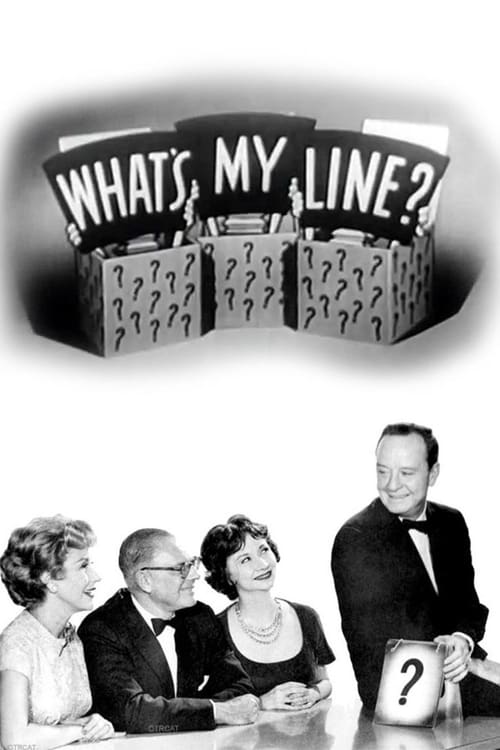
What's My Line?
7.0

Four panelists must determine guests' occupations - and, in the case of famous guests, while blindfolded, their identity - by asking only "yes" or "no" questions.

What's My Line?

1950
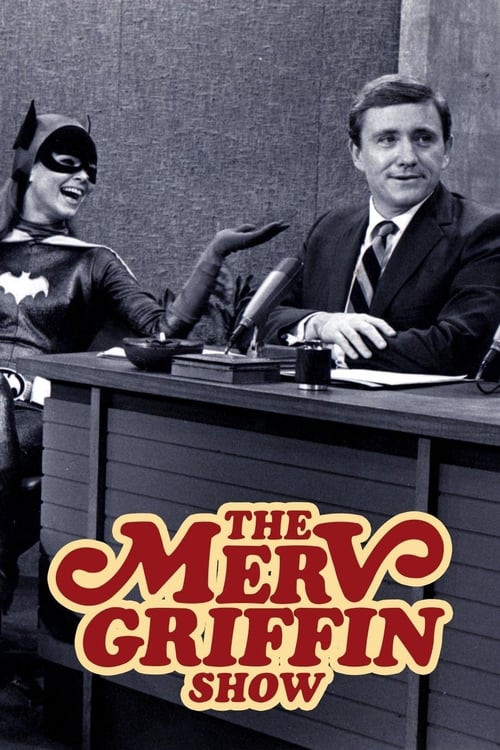
The Merv Griffin Show
6.6

No description available.

The Merv Griffin Show

1962
The Ed Sullivan Show
6.8

The Ed Sullivan Show is an American TV variety show that originally ran on CBS from Sunday June 20, 1948 to Sunday June 6, 1971, and was hosted by New York entertainment columnist Ed Sullivan. It was replaced in September 1971 by the CBS Sunday Night Movie, which ran only one season and was eventually replaced by other shows. In 2002, The Ed Sullivan Show was ranked #15 on TV Guide's 50 Greatest TV Shows of All Time.

The Ed Sullivan Show

1948
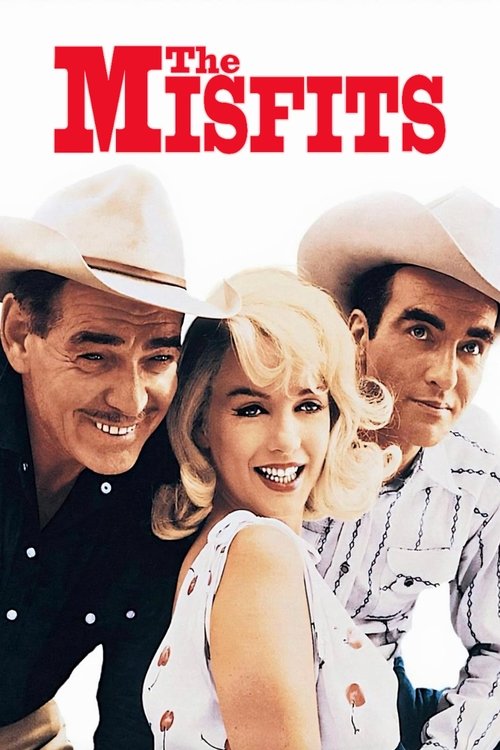
The Misfits
7.0

While filing for a divorce, beautiful ex-stripper Roslyn Taber ends up meeting aging cowboy-turned-gambler Gay Langland and former World War II aviator Guido Racanelli. The two men instantly become infatuated with Roslyn and, on a whim, the three decide to move into Guido's half-finished desert home together. When grizzled ex-rodeo rider Perce Howland arrives, the unlikely foursome strike up a business capturing wild horses.

The Misfits

1961
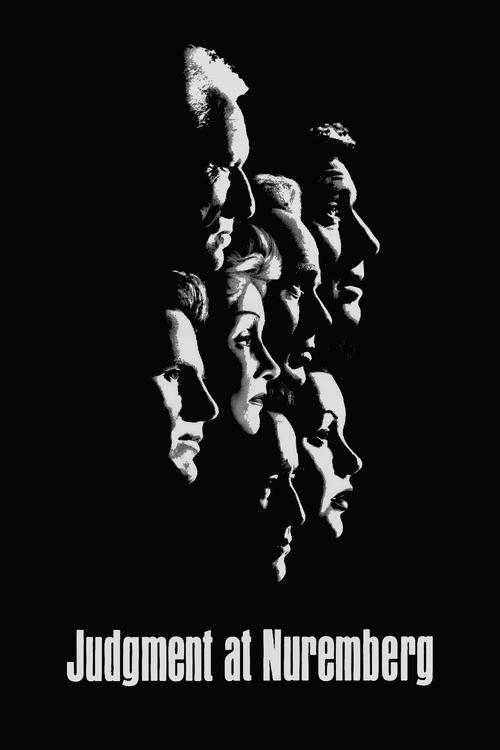
Judgment at Nuremberg
8.0

In 1947, four German judges who served on the bench during the Nazi regime face a military tribunal to answer charges of crimes against humanity. Chief Justice Haywood hears evidence and testimony not only from lead defendant Ernst Janning and his defense attorney Hans Rolfe, but also from the widow of a Nazi general, an idealistic U.S. Army captain and reluctant witness Irene Wallner.

Judgment at Nuremberg

1961
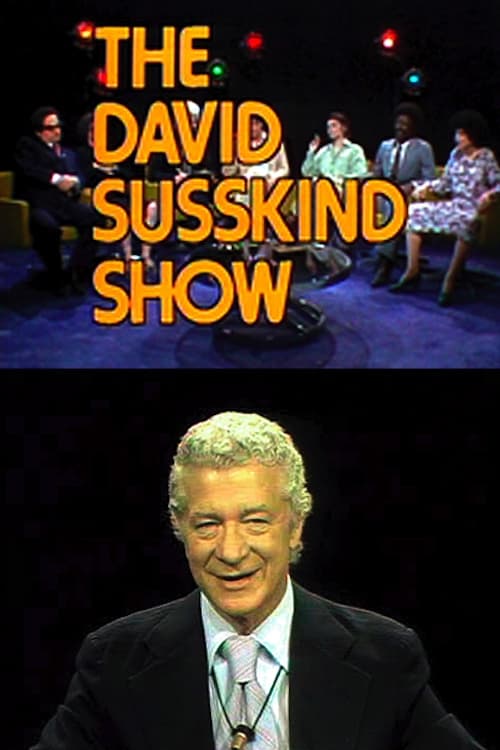
The David Susskind Show
7.0

The David Susskind Show is an American television talk show hosted by David Susskind. The program began its existence in 1958 as Open End, and was broadcast by WNTA-TV in New York City. The title referred to the fact that the program continued until Susskind or his guests were too tired to continue late on a Sunday night.

The David Susskind Show

1959
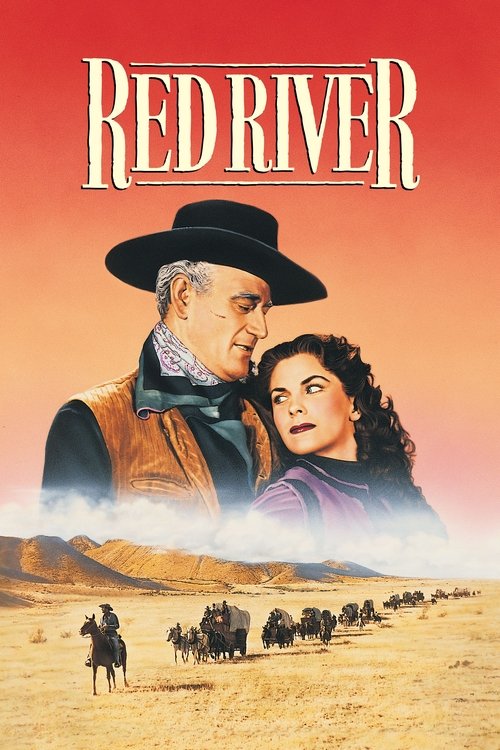
Red River
7.3

Following the Civil War, headstrong rancher Thomas Dunson decides to lead a perilous cattle drive from Texas to Missouri. During the exhausting journey, his persistence becomes tyrannical in the eyes of Matthew Garth, his adopted son and protégé.

Red River

1948
From Here to Eternity
7.3

In 1941 Hawaii, a private is cruelly punished for not boxing on his unit's team, while his captain's wife and second in command are falling in love.

From Here to Eternity

1953
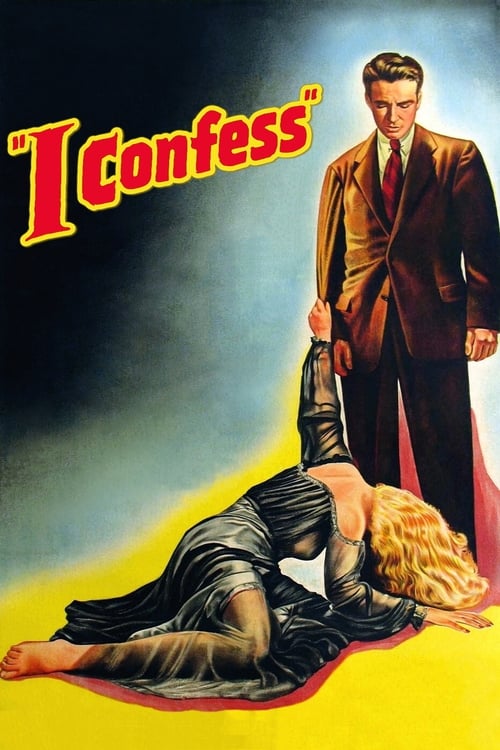
I Confess
7.1

When a priest hears a murderer’s confession, he becomes bound by his vow of silence—even as circumstantial evidence turns suspicion toward him. Torn between faith and self-preservation, he faces public scandal and trial for a crime he cannot reveal the truth about.

I Confess

1953
Suddenly, Last Summer
7.3

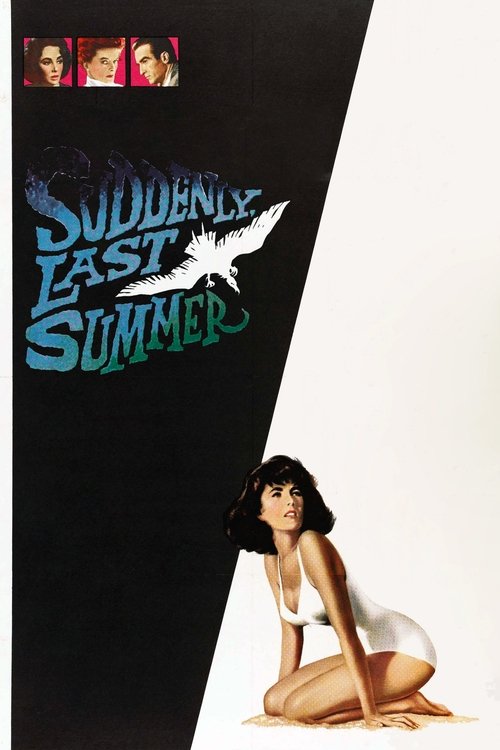
The only son of wealthy widow Violet Venable dies while on vacation with his cousin Catherine. What the girl saw was so horrible that she went insane; now Mrs. Venable wants Catherine lobotomized to cover up the truth.

Suddenly, Last Summer

1959
A Place in the Sun
7.3

A young social climber wins the heart of a beautiful heiress but his former girlfriend's pregnancy stands in the way of his ambition.

A Place in the Sun

1951
The Heiress
7.8

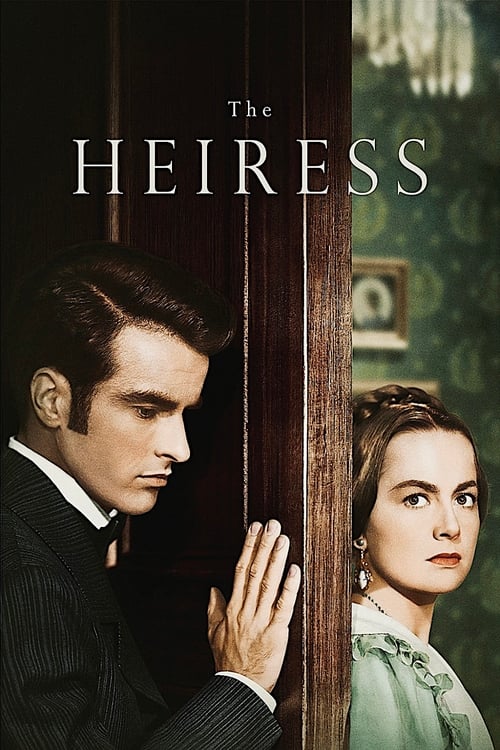
In 1840s New York, the uneventful and boring days of the daughter of a wealthy doctor come to an end when she meets a dashing poorer man — who may or may not be after her inheritance.

The Heiress

1949
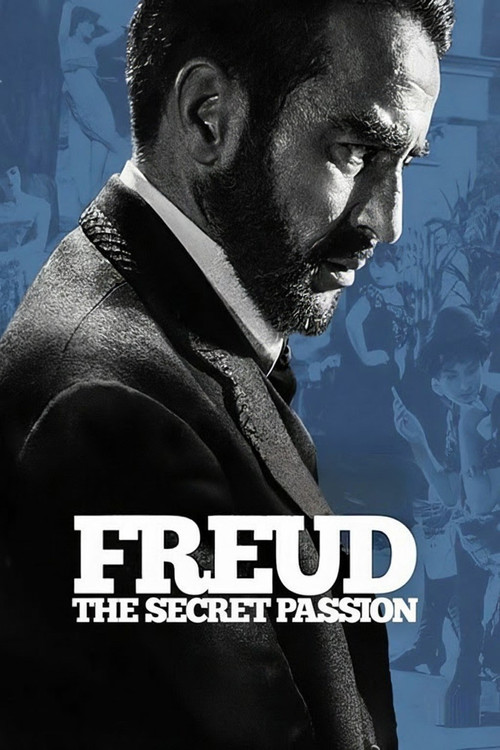
Freud: The Secret Passion
6.6

An examination of Austrian psychologist Sigmund Freud's career when he began to treat patients diagnosed with hysteria, using the radical technique of hypnosis.

Freud: The Secret Passion

1962
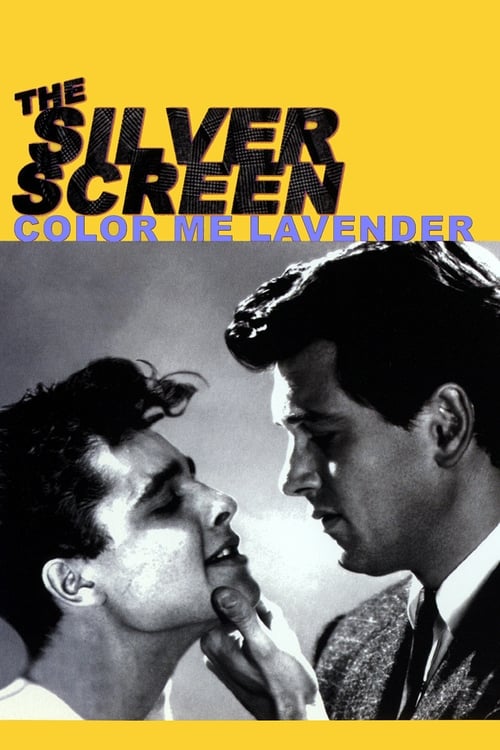
The Silver Screen: Color Me Lavender
5.1

A film scrapbook, images, phrases from our past, hiding their meanings behind veils. Let's lift those veils, one by one, to find how images, at one time seeming innocent, have revealed, after decades, to have homosexual overtones.

The Silver Screen: Color Me Lavender

1997
The Young Lions
6.8

The lives of three young men, a German and two Americans, during WWII.

The Young Lions

1958
Rat Pack
9.0

In the 1950s, a small group of artists monopolized the attention of the cameras and the public. Frank Sinatra, Dean Martin, Sammy Davis Jr., Joey Bishop and Peter Lawford together form the "rat pack": they sing the most popular hits of the moment, star in the most profitable Hollywood films and are already making a splash on television . This documentary, produced by a recognized specialist in the history of Hollywood, recounts the exceptional destiny of this informal group which flirted with the greats of this world, notably through Sinatra, personal friend of American President Kennedy.

Rat Pack

2022
Raintree County
6.4

In 1859, idealist John Wickliff Shawnessey, a resident of Raintree County, Indiana, is distracted from his high school sweetheart Nell Gaither by Susanna Drake, a rich New Orleans girl. This love triangle is further complicated by the American Civil War, and dark family history.

Raintree County

1957
The Search
7.0

In postwar Germany, a displaced Czech boy, separated from his family during wartime, is befriended by an American GI while the boy's mother desperately searches for him.

The Search

1948
Tennessee Williams: Orpheus of the American Stage
9.0

A study of Tennessee Williams's life and work as a whole, ranging from his youth in Mississippi and in St. Louis to success and acclaim, followed by the final difficult years. Includes some of the most celebrated scenes from film adaptations of Williams' work, among them extracts of A Streetcar Named Desire (1951),Cat on a Hot Tin Roof (1958), Night of the Iguana, The (1964), and Suddenly, Last Summer (1993) (TV). Contains footage of Williams being interviewed, including conversations with David Frost, 'Edward R. Murrow (I)', and Melvyn Bragg, as well as reminiscences from people who knew and worked with him, among them Edward Albee, Gore Vidal, and his lifelong friend, Lady Maria St. Just. Features readings from Elia Kazan's Notebook by Kim Hunter.

Tennessee Williams: Orpheus of the American Stage

1994
Wild River
7.3

A young bureaucrat for the Tennessee Valley Authority goes to rural Tennessee to oversee the building of a dam. He encounters opposition from the local people, in particular a farmer who objects to his employment (with pay) of local black laborers. Much of the plot revolves around the eviction of a stubborn octogenarian from her home on an island in the river, and the young man's love affair with that woman's widowed granddaughter. Preserved by the Academy Film Archive in partnership with The Film Foundation.

Wild River

1960