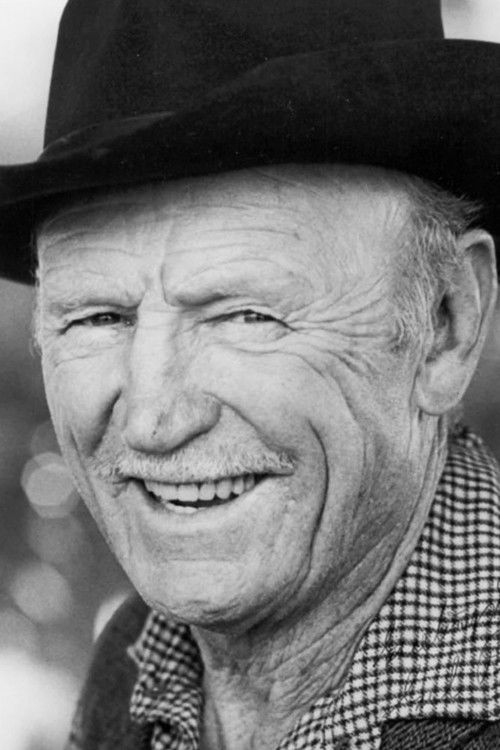
Gil Perkins
Acting
Biography
Gilbert Vincent Perkins (24 August 1907 – 28 March 1999) was an Australian film and television actor. A champion athlete and trackman in his native northern Australia, Gil Perkins always wanted to get into films; as a teenager he virtually ran away from home, taking a job as a deck hand on a Norwegian freighter. He eventually landed in Hollywood in the late '20s, during the era of part-silent, part-talkie movies, and (because his accent was mistaken for English) he played young Englishmen in some of his first films. He soon drifted into stuntwork, regularly doubling cowboy star William Boyd and putting a red toupee over his own blond hair to double 'Red Skelton', among others. Some of his most notable stunt jobs were in the sci-fi/horror field. He doubled star Bruce Cabotthroughout King Kong (1933), stood in for Spencer Tracy as Mr. Hyde in Dr. Jekyll et Mr. Hyde (1941) and replaced Bela Lugosi as the Monster in the climactic battle sequence of Frankenstein rencontre le loup-garou (1943). In addition to his feature films, Perkins turned up regularly in serials and on TV. On many occasions he worked with special effects and rigging departments, setting up large action scenes. By the 1960s he was doing more acting than stunts; he "officially" retired in 1972, although he took a number of subsequent jobs. - IMDb Mini Biography
Known For
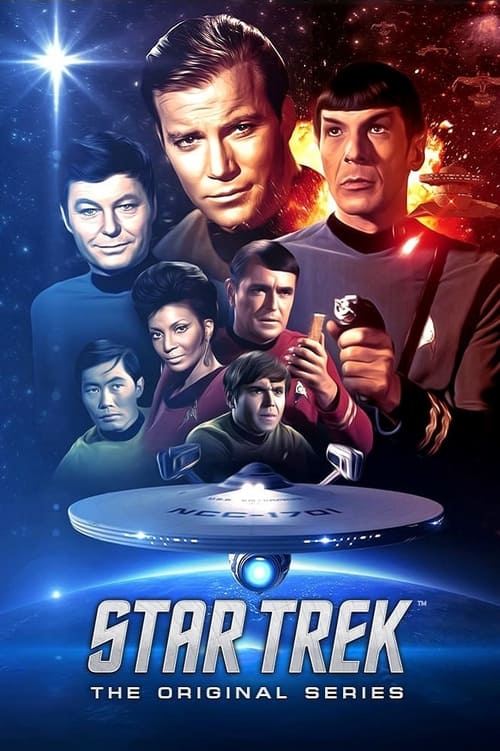
Space. The Final Frontier. The U.S.S. Enterprise embarks on a five year mission to explore the galaxy. The Enterprise is under the command of Captain James T. Kirk with First Officer Mr. Spock, from the planet Vulcan. With a determined crew, the Enterprise encounters Klingons, Romulans, time paradoxes, tribbles and genetic supermen led by Khan Noonian Singh. Their mission is to explore strange new worlds, to seek new life and new civilizations, and to boldly go where no man has gone before.
Star Trek
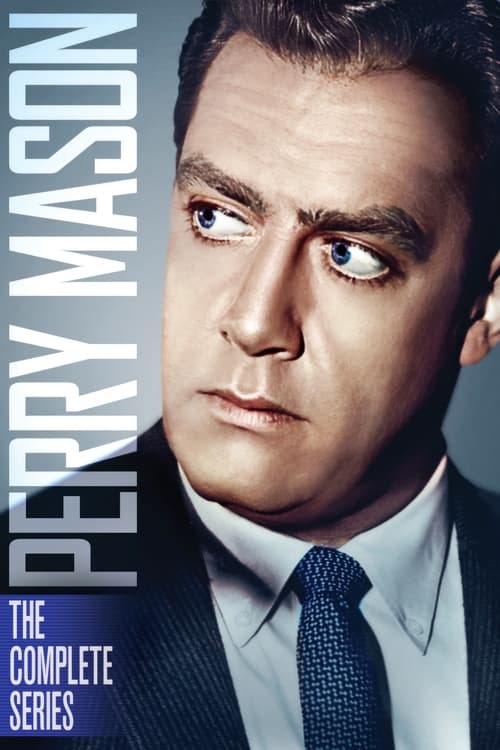
The cases of master criminal defense attorney Perry Mason and his staff who handled the most difficult of cases in the aid of the innocent.
Perry Mason

Lassie is the pet of Jeff Miller, an 11-year-old farm boy. The two become best friends and enjoy family adventures in the American countryside, teaching each other about love, nature and commitment.
Lassie
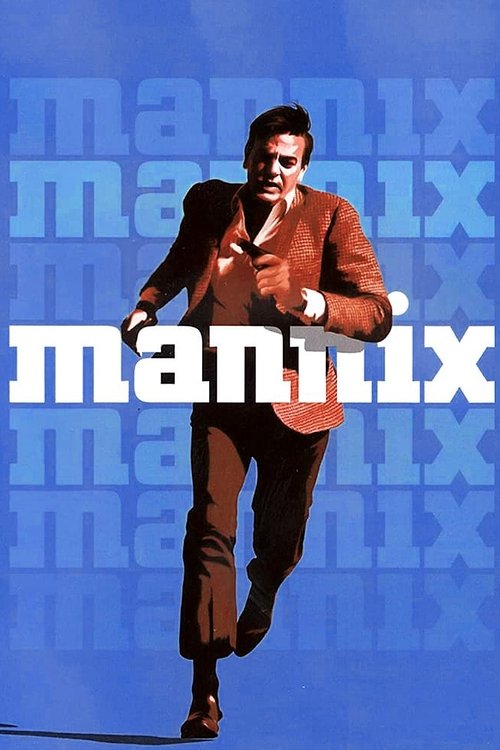
Mannix is an American television detective series that ran from 1967 through 1975 on CBS. Created by Richard Levinson and William Link and developed by executive producer Bruce Geller, the title character, Joe Mannix, is a private investigator. He is played by Mike Connors. Mannix was the last series produced by Desilu Productions.
Mannix
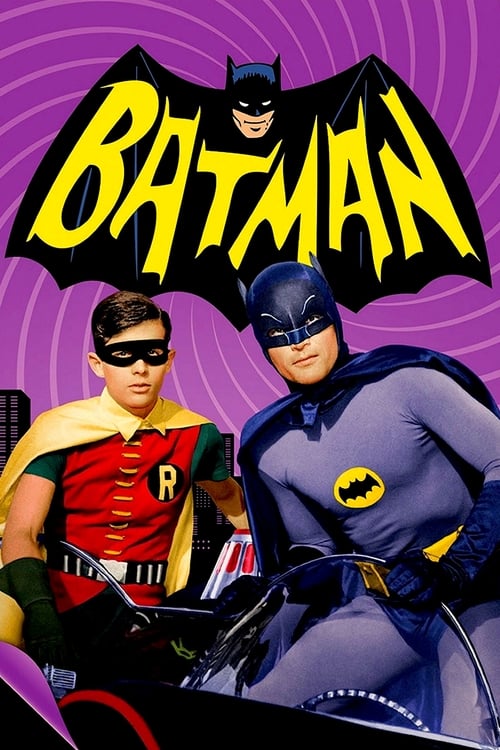
Wealthy entrepreneur Bruce Wayne and his ward Dick Grayson lead a double life: they are actually crime fighting duo Batman and Robin. A secret Batpole in the Wayne mansion leads to the Batcave, where Police Commissioner Gordon often calls with the latest emergency threatening Gotham City. Racing to the scene of the crime in the Batmobile, Batman and Robin must (with the help of their trusty Bat-utility-belt) thwart the efforts of a variety of master criminals, including The Riddler, The Joker, Catwoman, and The Penguin.
Batman
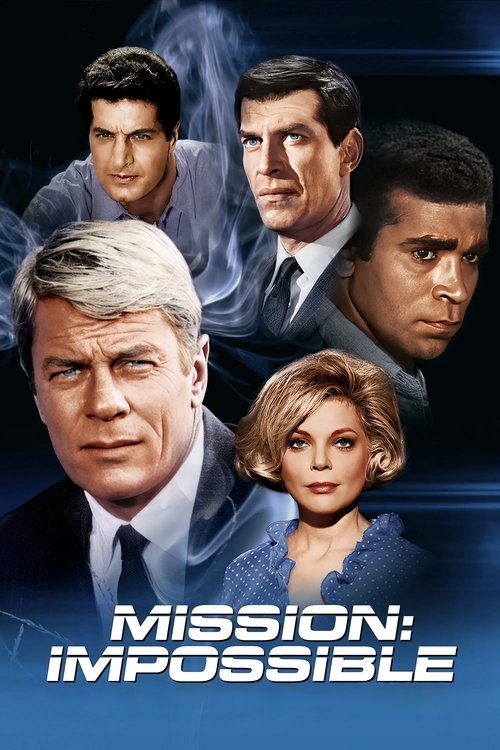
Mission: Impossible is an American television series that was created and initially produced by Bruce Geller. It chronicles the missions of a team of secret government agents known as the Impossible Missions Force. In the first season, the team is led by Dan Briggs, played by Steven Hill; Jim Phelps, played by Peter Graves, takes charge for the remaining seasons. A hallmark of the series shows Briggs or Phelps receiving his instructions on a recording that then self-destructs, followed by the theme music composed by Lalo Schifrin. The series aired on the CBS network from September 1966 to March 1973, then returned to television for two seasons on ABC, from 1988 to 1990, retaining only Graves in the cast. It later inspired a popular series of theatrical motion pictures starring Tom Cruise, beginning in 1996.
Mission: Impossible

Get Smart is an American comedy television series that satirizes the secret agent genre. Created by Mel Brooks with Buck Henry, the show stars Don Adams, Barbara Feldon, and Edward Platt. Henry said they created the show by request of Daniel Melnick, who was a partner, along with Leonard Stern and David Susskind, of the show's production company, Talent Associates, to capitalize on "the two biggest things in the entertainment world today"—James Bond and Inspector Clouseau. Brooks said: "It's an insane combination of James Bond and Mel Brooks comedy." This is the only Mel Brooks production to feature a laugh track. The success of the show eventually spawned the follow-up films The Nude Bomb and Get Smart, Again!, as well as a 1995 revival series and a 2008 film remake. In 2010, TV Guide ranked Get Smart's opening title sequence at No. 2 on its list of TV's Top 10 Credits Sequences, as selected by readers.
Get Smart
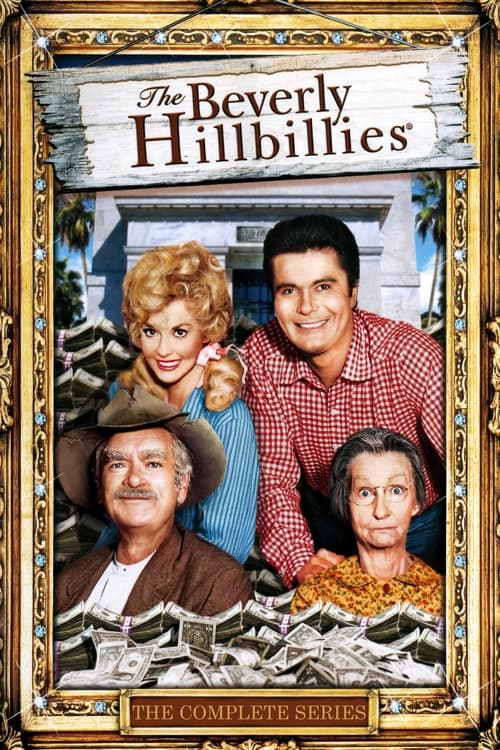
Jed Clampett's swamp is loaded with oil. When a wildcatter discovers the huge pool, Jed sells his land to the O.K. Oil Company and at the urging of cousin Pearl, moves his family to a 35-room mansion in Beverly Hills, California.
The Beverly Hillbillies

The Shiloh Ranch in Wyoming Territory of the 1890s is owned in sequence by Judge Henry Garth, the Grainger brothers, and Colonel Alan MacKenzie. It is the setting for a variety of stories, many more based on character and relationships than the usual western.
The Virginian
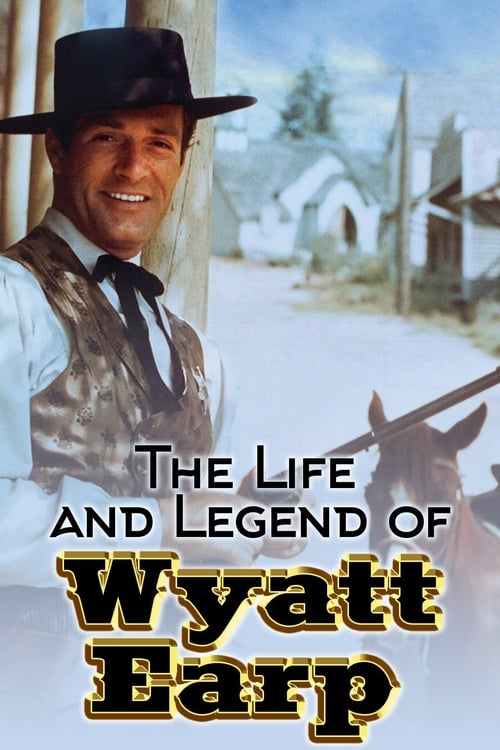
The Life and Legend of Wyatt Earp is a television western series loosely based on the life of frontier marshal Wyatt Earp. The half-hour black-and-white program aired for 229 episodes on ABC from 1955 to 1961 and featured Hugh O'Brian in the title role.
The Life and Legend of Wyatt Earp
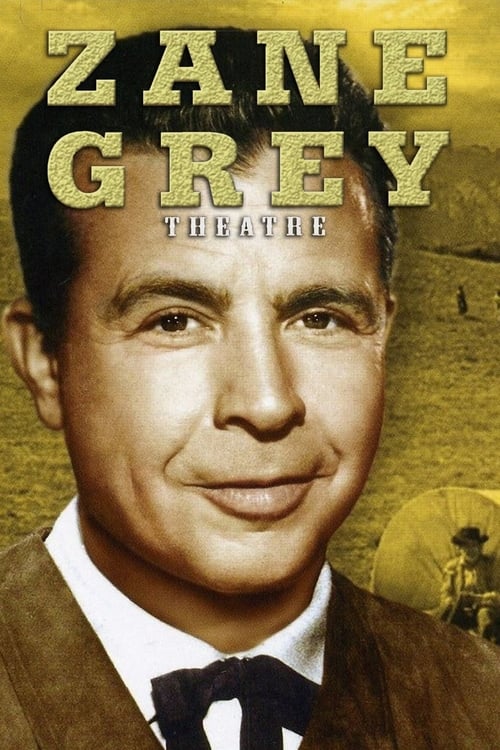
Dick Powell's Zane Grey Theatre, sometimes simply called Zane Grey Theatre, is an American Western anthology series which ran on CBS from 1956 to 1961.
Dick Powell's Zane Grey Theatre
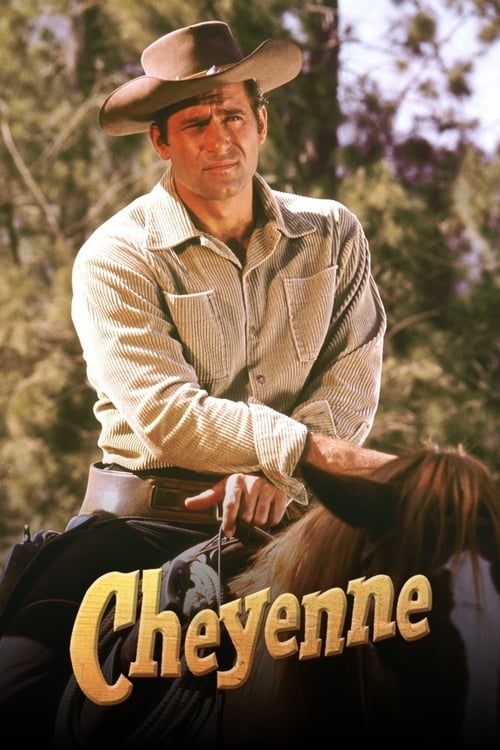
Cheyenne Bodie was a big man, a former army scout who went west after the American Civil War and drifted from job to job, here a cowboy, there a lawman, and always a larger-than-life hero. CHEYENNE is an American western television series of 108 black-and-white episodes broadcast on ABC from 1955 to 1963. The show was the first hour-long western, and in fact the first hour-long dramatic series of any kind, with continuing characters, to last more than one season. It was also the first series to be made by a major Hollywood film studio which did not derive from its established film properties, and the first of a long chain of Warner Brothers original series produced by William T. Orr.
Cheyenne
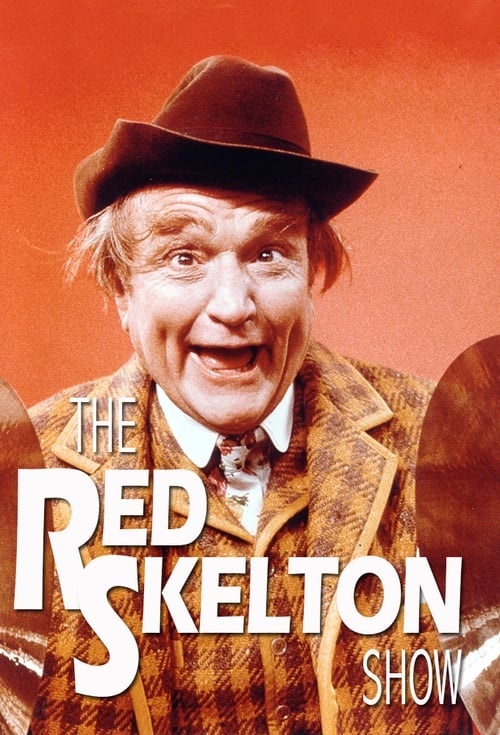
The Red Skelton Show is an American variety show that was a television staple for two decades, from 1951 to 1971. It was second to Gunsmoke and third to The Ed Sullivan Show in the ratings during that time. Skelton, who had previously been a radio star, had appeared in several motion pictures as well. Although his television series is largely associated with CBS, where it appeared for more than fifteen years, it actually began and ended on NBC. During its run, the program received three Emmy Awards, for Skelton as best comedian and the program as best comedy show during its initial season, and an award for comedy writing in 1961.
The Red Skelton Show
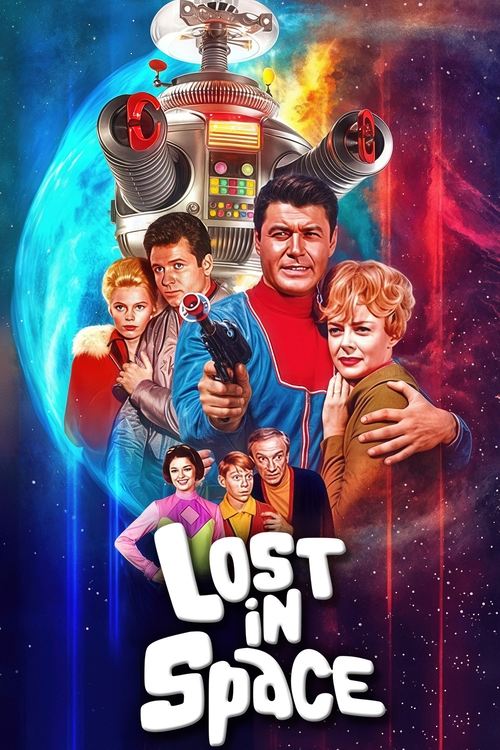
The space family Robinson is sent on a five-year mission to find a new planet to colonise. The voyage is sabotaged time and again by an inept stowaway, Dr. Zachary Smith. The family's spaceship, Jupiter II, also carries a friendly robot who endures an endless stream of abuse from Dr. Smith, but is a trusted companion of young Will Robinson
Lost in Space
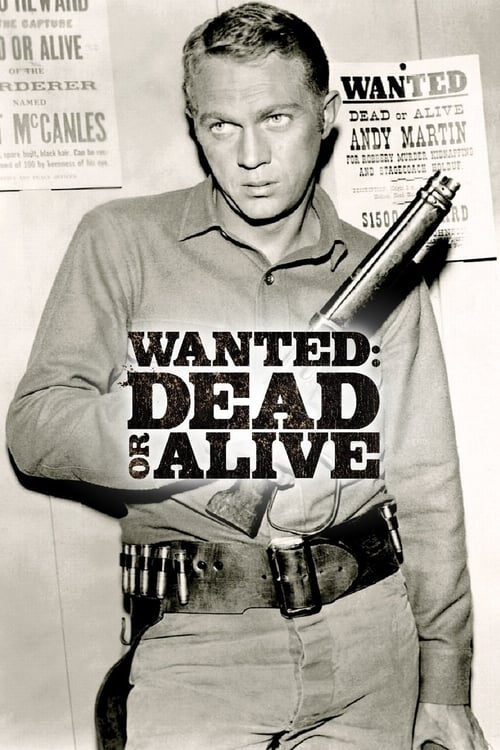
Wanted: Dead or Alive is an American Western television series starring Steve McQueen as the bounty hunter Josh Randall. It aired on CBS for three seasons from 1958–61. The black-and-white program was a spin-off of a March 1958 episode of Trackdown, a 1957–59 western series starring Robert Culp. Both series were produced by Four Star Television in association with CBS Television. The series launched McQueen into becoming the first television star to cross over into comparable status on the big screen.
Wanted: Dead or Alive
No description available.
Here's Lucy
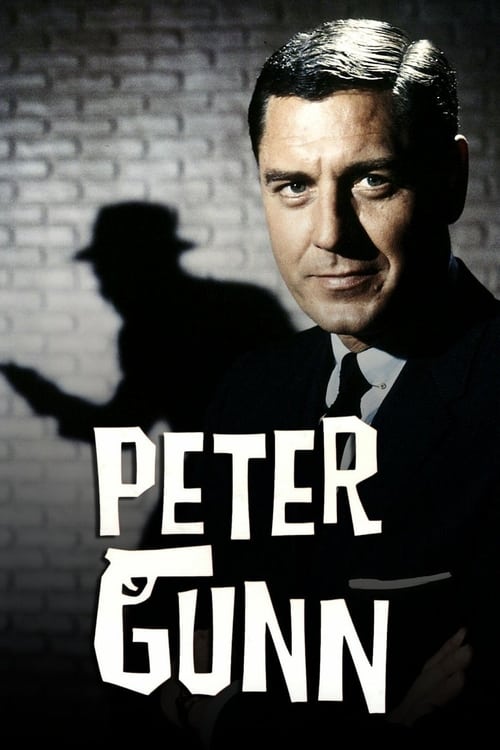
Peter Gunn is an American private eye television series. Filmed in a film noir atmosphere and featuring Henry Mancini music that could tell you the action with your eyes closed, Peter Gunn worked in style. Known as Pete to his friends and simply as Gunn to his enemies, he did his job in a calm cool way.
Peter Gunn
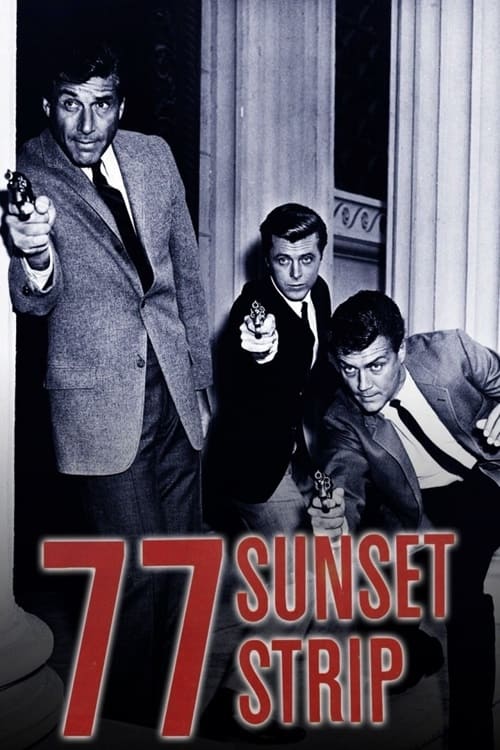
Stu Bailey and Jeff Spencer are the wisecracking, womanizing private-detective heroes of this Warner Brothers drama. They work out of an office located at 77 Sunset Strip in Los Angeles, California, right next door to a snazzy restaurant where Kookie works as a valet. The finger-snapping, slang-talking Kookie occasionally helps Stu and Jeff with their cases, and eventually becomes a full-fledged member of the detective agency. Rex Randolph and J.R. Hale also join the firm, and Suzanne is their leggy secretary.
77 Sunset Strip
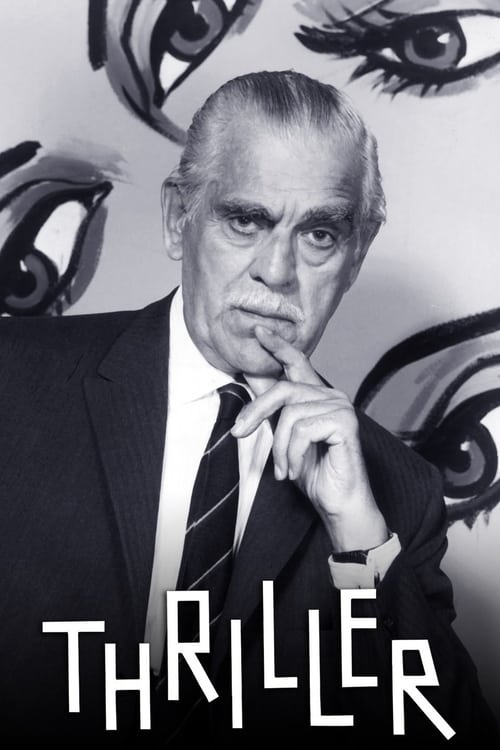
Thriller is an American anthology television series that aired during the 1960–61 and 1961–62 seasons on NBC. The show featured host Boris Karloff introducing a mix of self-contained, macabre weird-horror and morbid, hitchockian crime stories, in some of which he also starred.
Thriller
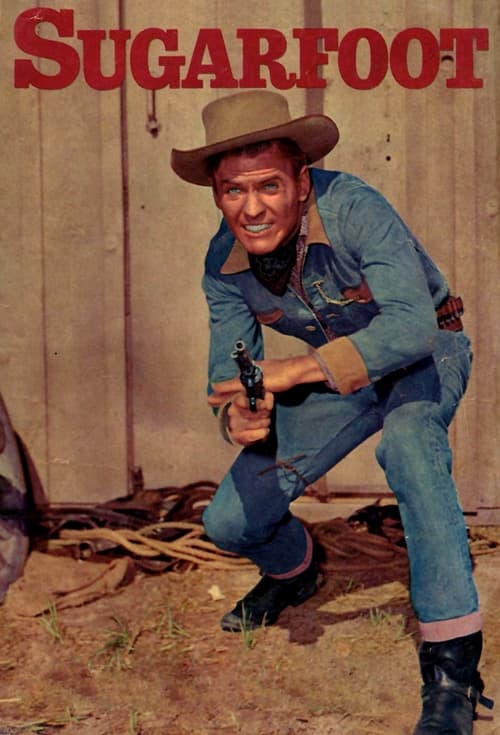
Sugarfoot is an American western television series that aired on ABC from 1957 to 1961. The series stars Will Hutchins as Tom Brewster, an Easterner who comes to the Oklahoma Territory to become a lawyer. Jack Elam is cast in occasional episodes as sidekick Toothy Thompson. Brewster was a correspondence-school student whose apparent lack of cowboy skills earned him the nickname "Sugarfoot", a designation even below that of a tenderfoot.