Lamont Johnson
Directing
Biography
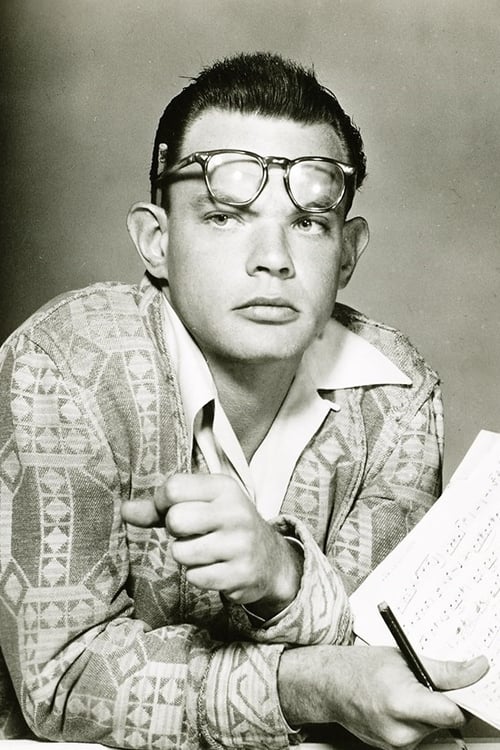
Lamont Johnson (September 30, 1922 – October 24, 2010) was an American actor and film director who has appeared in and directed many television shows and movies. He won two Emmy Awards. Johnson was born Ernest Lamont Johnson, Jr. in Stockton, California, the son of Ruth Alice (née Fairchild) and Ernest Lamont Johnson, who was a realtor. Johnson began his career in radio, playing the role of Tarzan in a popular syndicated series in 1951. Johnson was also one of several actors to play Archie Goodwin in "The New Adventures of Nero Wolfe", opposite Sydney Greenstreet on NBC Radio.He then turned to films and television, first as an actor, then as a director. Johnson also directed productions of the operas The Man in the Moon (1959), Iphigénie en Tauride (1962), and Orfeo (1990). Johnson was nominated for eleven Emmy Awards, winning twice, for Wallenberg: A Hero's Story (1985) and Lincoln (1988), and for eight Directors Guild of America Awards, winning four times, for Profiles in Courage (1965), My Sweet Charlie (1971), That Certain Summer (1972), and Lincoln. Description above from the Wikipedia article Lamont Johnson, licensed under CC-BY-SA, full list of contributors on Wikipedia.
Known For

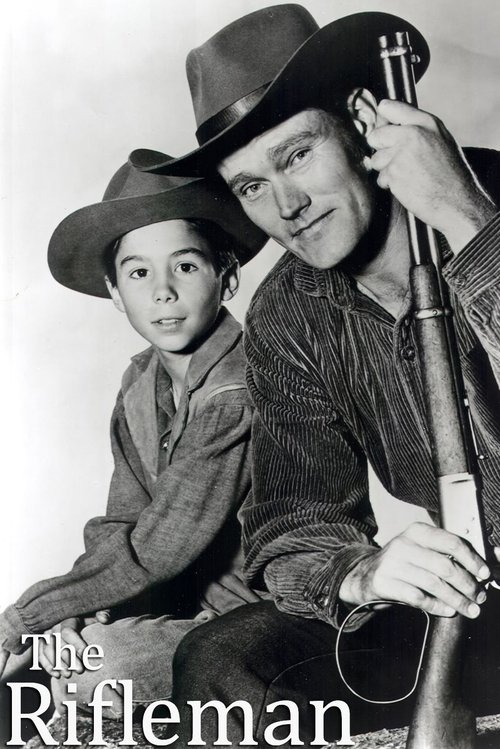
The Rifleman is an American Western television program starring Chuck Connors as rancher Lucas McCain and Johnny Crawford as his son, Mark McCain. It was set in the 1880s in the town of North Fork, New Mexico Territory. The show was filmed in black-and-white, half-hour episodes. "The Rifleman" aired on ABC from September 30, 1958 to April 8, 1963 as a production of Four Star Television. It was one of the first prime time series to have a widowed parent raise a child.
The Rifleman

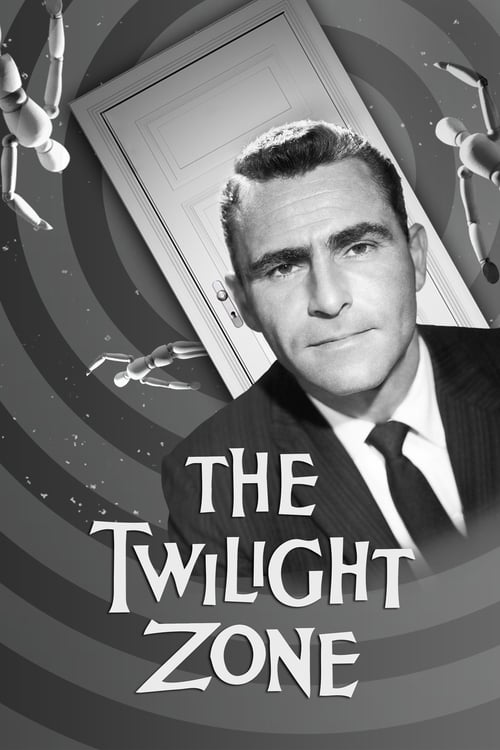
An anthology series containing drama, psychological thriller, fantasy, science fiction, suspense, and/or horror, often concluding with a macabre or unexpected twist.
The Twilight Zone

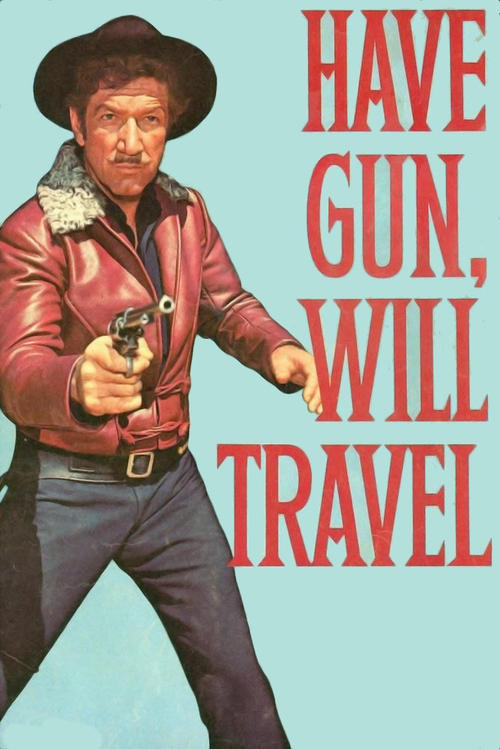
Have Gun – Will Travel is an American Western television series that aired on CBS from 1957 through 1963. It was rated number three or number four in the Nielsen ratings every year of its first four seasons. It was one of the few television shows to spawn a successful radio version. The radio series debuted November 23, 1958. The television show is presently shown on the Encore-Western channel. Have Gun – Will Travel was created by Sam Rolfe and Herb Meadow and produced by Frank Pierson, Don Ingalls, Robert Sparks, and Julian Claman. There were 225 episodes of the TV series, 24 written by Gene Roddenberry. Other contributors included Bruce Geller, Harry Julian Fink, Don Brinkley and Irving Wallace. Andrew McLaglen directed 101 episodes and 19 were directed by series star Richard Boone.
Have Gun, Will Travel

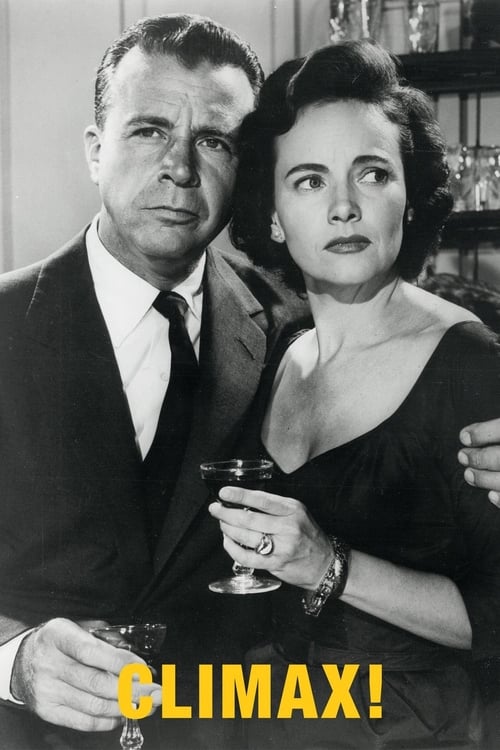
Climax! is an American anthology series that aired on CBS from 1954 to 1958. The series was hosted by William Lundigan and later co-hosted by Mary Costa. It was one of the few CBS programs of that era to be broadcast in color. Many of the episodes were performed and broadcast live.
Climax!

Matinee Theater is an American anthology series that aired on NBC during the Golden Age of Television, from 1955 to 1958. The series, which ran daily in the afternoon, was frequently live. It was produced by Albert McCleery, Darrell Ross, George Cahan and Frank Price with executive producer George Lowther. McCleery had previously produced the live series Cameo Theatre which introduced to television the concept of theater-in-the-round, TV plays staged with minimal sets. Jim Buckley of the Pewter Plough Playhouse recalled: When Al McCleery got back to the States, he originated a most ambitious theatrical TV series for NBC called Matinee Theater: to televise five different stage plays per week live, airing around noon in order to promote color TV to the American housewife as she labored over her ironing. Al was the producer. He hired five directors and five art directors. Richard Bennett, one of our first early presidents of the Pewter Plough Corporation, was one of the directors and I was one of the art directors and, as soon as we were through televising one play, we had lunch and then met to plan next week’s show. That was over 50 years ago, and I’m trying to think; I believe the TV art director is his own set decorator —yes, of course! It had to be, since one of McCleery’s chief claims to favor with the producers was his elimination of the setting per se and simply decorating the scene with a minimum of props. It took a bit of ingenuity.
Matinee Theater

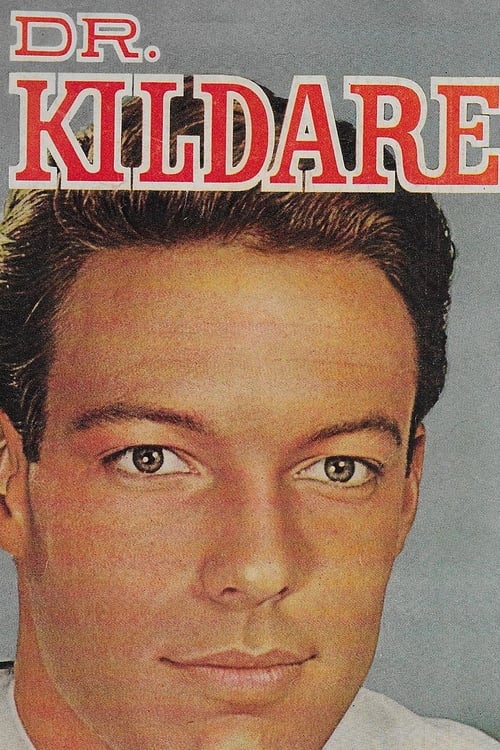
The story of a young intern in a large metropolitan hospital trying to learn his profession, deal with the problems of his patients, and win the respect of the senior doctor in his specialty, internal medicine.
Dr. Kildare

Naked City is a police drama series which aired from 1958 to 1963 on the ABC television network. It was inspired by the 1948 motion picture of the same name, and mimics its dramatic “semi-documentary” format. In 1997, the episode “Sweet Prince of Delancey Street” was ranked #93 on TV Guide’s “100 Greatest Episodes of All Time”.
Naked City

Felicity Porter, a sensitive and intelligent girl from the San Francisco Bay Area, decides to give up a slot at Stanford University's pre-med program to follow her long time crush to college in New York City. Things get even more complicated when she meets her dorm's resident advisor and they fall in love.
Felicity

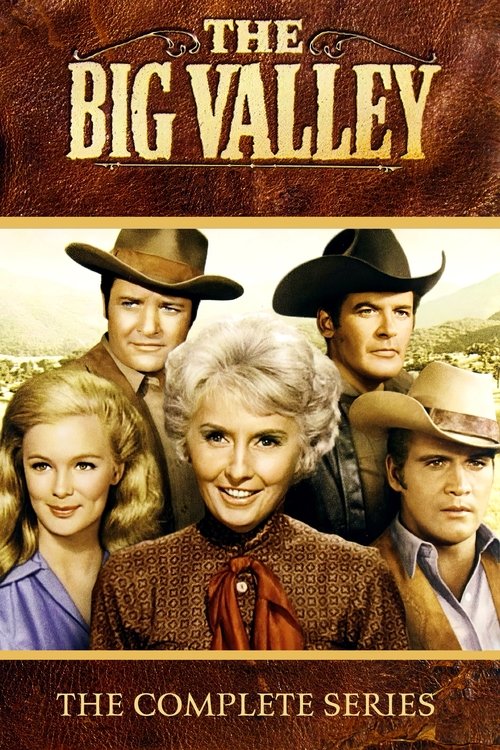
The Big Valley is an American western television series which ran on ABC from September 15, 1965, to May 19, 1969. The show stars Barbara Stanwyck, as the widow of a wealthy nineteenth century California rancher. It was created by A.I. Bezzerides and Louis F. Edelman, and produced by Levy-Gardner-Laven for Four Star Television.
The Big Valley

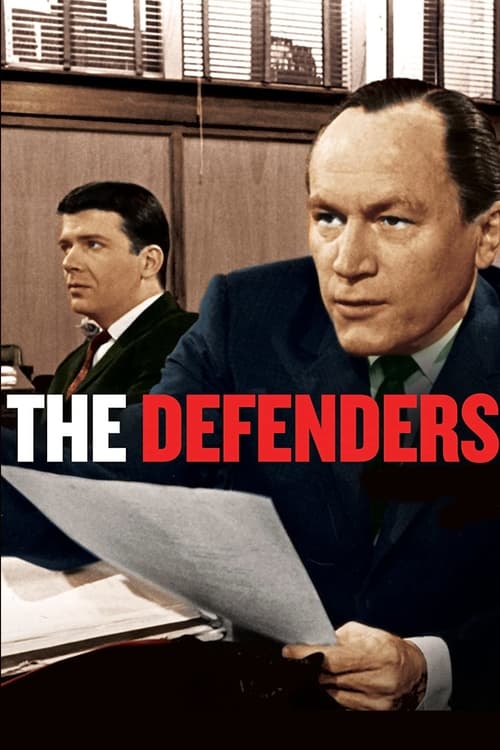
The Defenders is an American courtroom drama series . It starred E. G. Marshall and Robert Reed as father-and-son defense attorneys who specialized in legally complex cases, with defendants such as neo-Nazis, conscientious objectors, civil rights demonstrators, a schoolteacher fired for being an atheist, an author accused of pornography, and a physician charged in a mercy killing.
The Defenders

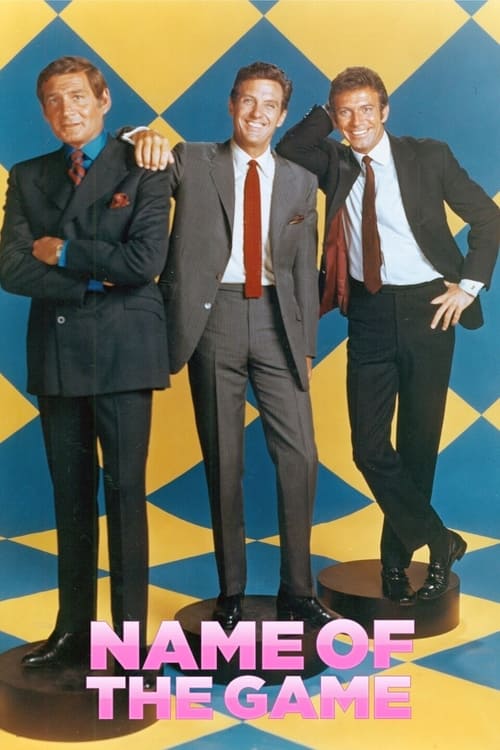
The Name of the Game is an American television series starring Tony Franciosa, Gene Barry, and Robert Stack that ran from 1968 to 1971 on NBC, totaling 76 episodes of 90 minutes. It was a pioneering wheel series, setting the stage for The Bold Ones and the NBC Mystery Movie in the 1970s. The show had an extremely large budget for a television series.
The Name of the Game

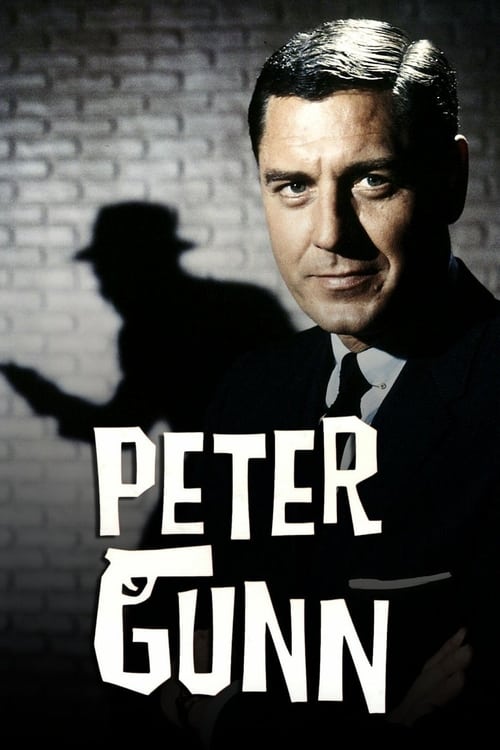
Peter Gunn is an American private eye television series. Filmed in a film noir atmosphere and featuring Henry Mancini music that could tell you the action with your eyes closed, Peter Gunn worked in style. Known as Pete to his friends and simply as Gunn to his enemies, he did his job in a calm cool way.
Peter Gunn

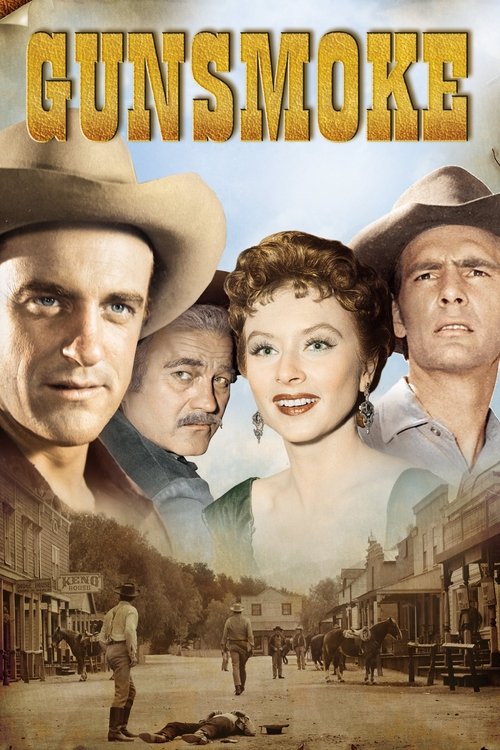
Gunsmoke is an American radio and television Western drama series created by director Norman MacDonnell and writer John Meston. The stories take place in and around Dodge City, Kansas, during the settlement of the American West. The central character is lawman Marshal Matt Dillon, played by William Conrad on radio and James Arness on television.
Gunsmoke

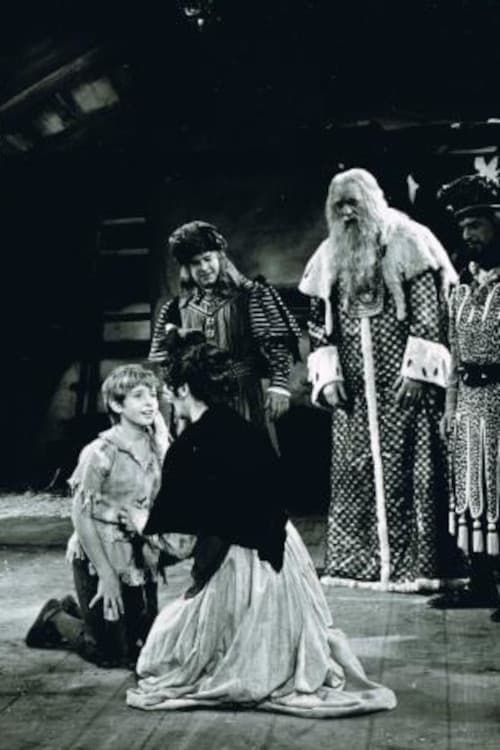
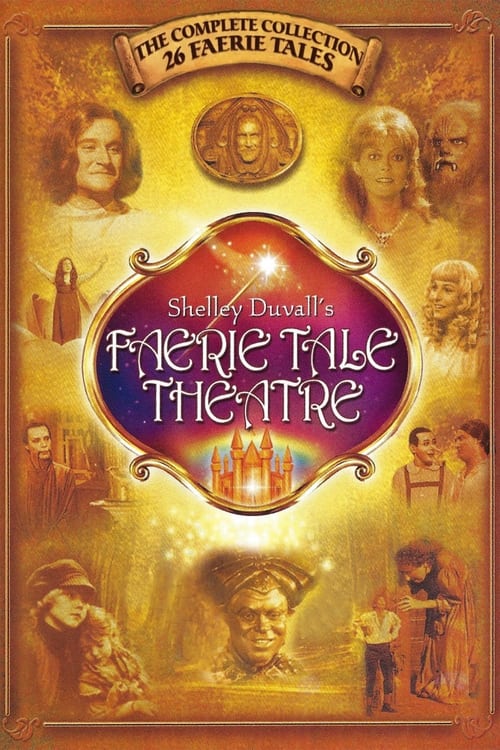
A live-action children's television anthology series retelling popular fairy tales.
Faerie Tale Theatre

Richard Diamond, Private Detective is an American detective drama which aired on radio from 1949 to 1953, and on television from 1957 to 1960.
Richard Diamond, Private Detective

An anthology series that explored the ways sudden and unexpected wealth changed life for better or for worse. It told the stories of people who were given one million dollars from a benefactor who insisted they never know him, with one exception.
The Millionaire

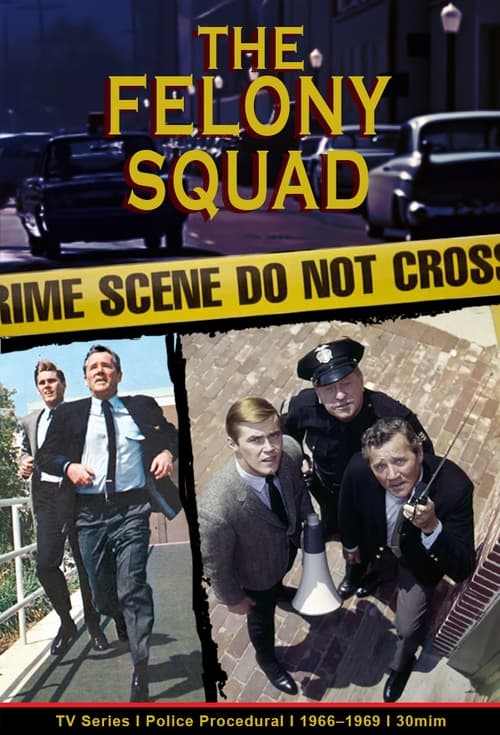
Twenty-year veteran Detective Sergeant Sam Stone is paired with rookie Briggs in a large Western metropolis.
Felony Squad

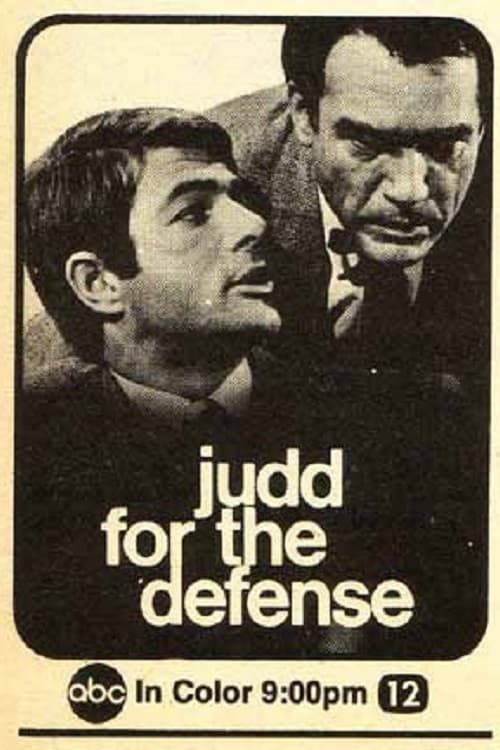
High-priced Houston lawyer Clinton Judd and his assistant Ben Caldwell take difficult cases throughout the U.S.
Judd, for the Defense

Cavalcade of America is an anthology drama series that was sponsored by the DuPont Company, although it occasionally presented a musical, such as an adaptation of Show Boat, and condensed biographies of popular composers. It was initially broadcast on radio from 1935 to 1953, and later on television from 1952 to 1957. Originally on CBS, the series pioneered the use of anthology drama for company audio advertising. Cavalcade of America documented historical events using stories of individual courage, initiative and achievement, often with feel-good dramatizations of the human spirit's triumph against all odds. This was consistent with DuPont's overall conservative philosophy and legacy as an American company dating back to 1802. The company's motto, "Maker of better things for better living through chemistry," was read at the beginning of each program, and the dramas emphasized humanitarian progress, particularly improvements in the lives of women, often through technological innovation.
Cavalcade of America

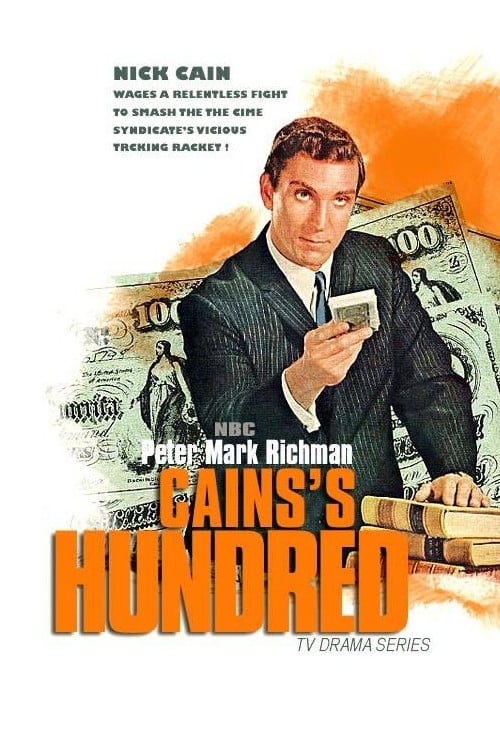
A former underworld lawyer goes to work for the Federal Government, determined to bring 100 top criminals to justice.