Acting
A fun-packed and informative magazine show for younger viewers with information and reports from around the world.
A topical magazine-style daily television programme broadcast live on BBC One.
Nationwide was a BBC News and current affairs television programme which ran from 9 September 1969 to 5 August 1983. It was broadcast on BBC One each weekday following the early evening news. It followed a magazine format, combining political analysis and discussion with consumer affairs, light entertainment and sports reporting. It began on 9 September 1969, running between Tuesdays and Thursdays at 6.00pm, before being extended to five days a week in 1972. From 1976 until 1981 the start time was 5:55pm. The final edition was broadcast on 5 August 1983, and the following October it was replaced by Sixty Minutes. The long-running Watchdog programme began as a Nationwide feature. The light entertainment was quite similar in tone to That's Life!. Eccentric stories featured skateboarding ducks and men who claimed that they could walk on egg shells.. Richard Stilgoe performed topical songs.
Antiques experts accompany celebrities on a road trip around the UK searching for treasures and competing to make the most money at auction
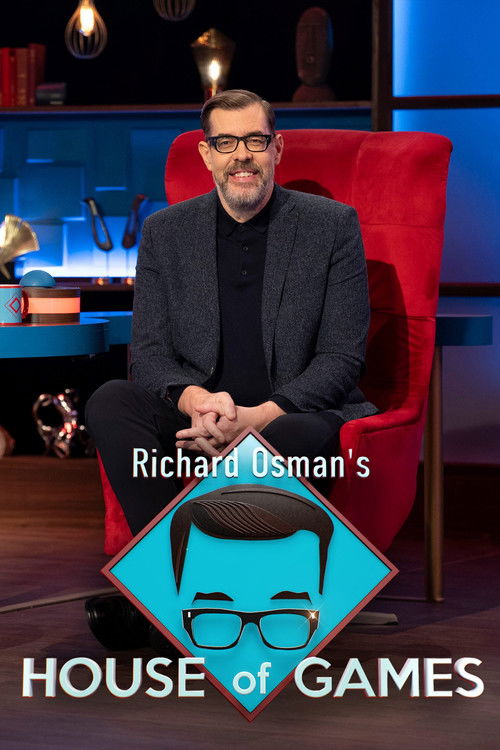
Each week a group of four famous faces go toe to toe in testing their general knowledge skills in a variety of entertaining games.
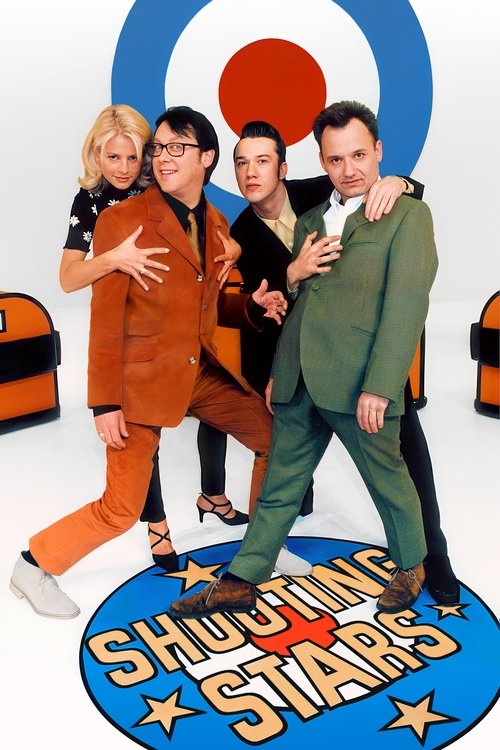
Shooting Stars is a British television comedy panel game broadcast on BBC Two as a pilot in 1993, then as 3 full series from 1995 to 1997, then on BBC Choice from January to December 2002 with 2 series before returning to BBC Two for another 3 series from 2008 until its cancellation in 2011. Created and hosted by double-act Vic Reeves and Bob Mortimer, it uses the panel show format but with the comedians' often slapstick, surreal and anarchic humour does not rely on rules in order to function, with the pair apparently ignoring existing rules or inventing new ones as and when the mood takes them.
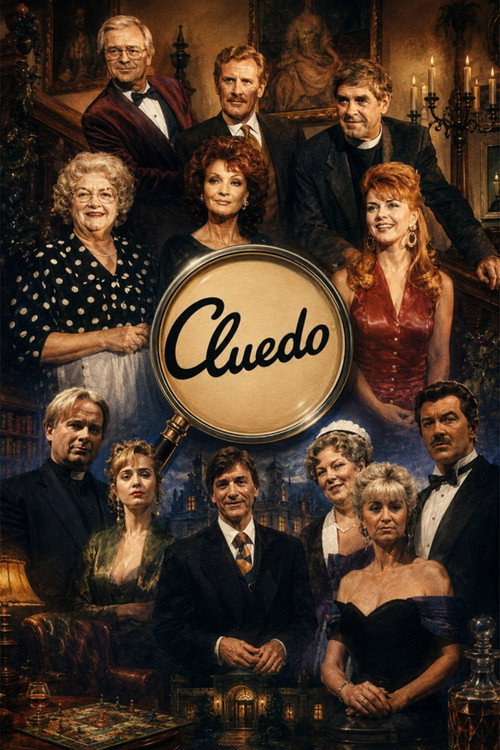
Cluedo was a UK television game show based on the board game of the same name. Each week, a reenactment of the murder at the stately home Arlington Grange of a visiting guest was played and, through a combination of interrogating the suspects and deduction, celebrity guests had to discover who committed the murder, which of six weapons and in which room it was committed, whilst viewers were invited to play along at home.
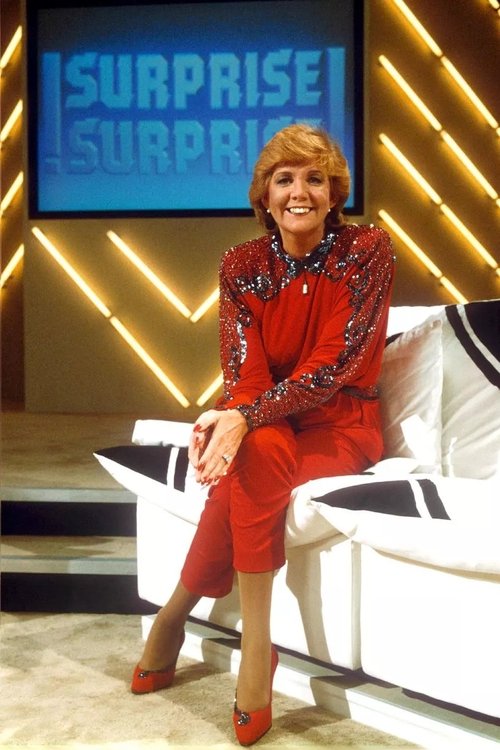
Surprise, Surprise is a British television programme originally hosted by Cilla Black and produced by London Weekend Television for ITV. It ran for 14 series from 6 May 1984 to 5 September 1997, after which four annual specials were produced between 1998 to 2001. In 2012, the show returned after a 11-year hiatus. The revived version is produced by ITV Studios and presented by Holly Willoughby. The show is currently in its second series.
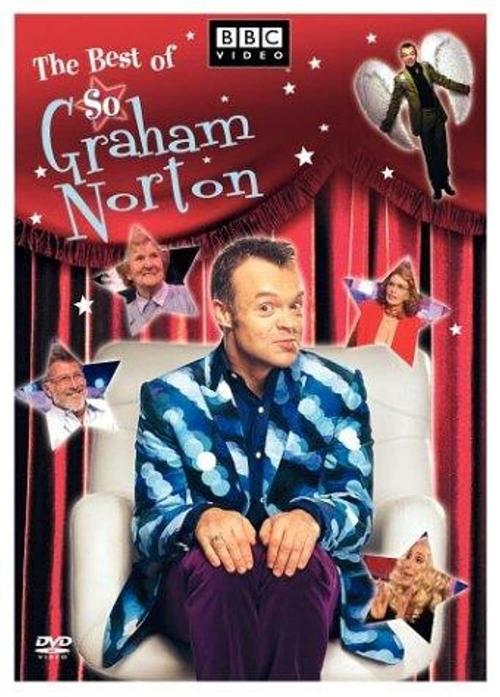
So Graham Norton was a British television programme, hosted by Irish personality Graham Norton. It ran from 3 July 1998 to 1 March 2002.
No description available.
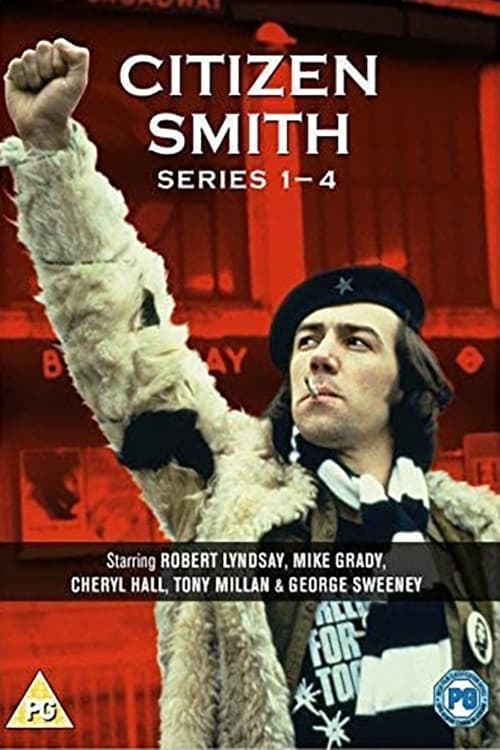
Classic BBC comedy starring Robert Lindsay as revolutionary leader Wolfie Smith of the Tooting Popular Front. Hoping to emulate his icons, Wolfie forms the Tooting Popular Front with a small group of his friends. However, he soon finds himself struggling to get his ambitious plans off the ground due to his laid back attitude and lack of organisation.
Every year, Blue Peter used to visit a country during the Summer. The highlights of this trip were shown during the last episode before its summer break, the period of time Blue Peter used to not broadcast. These trips happened almost every year from 1965 to 2010 and then 2012.
Two teams of celebrities search for antique bargains and put them up for auction, with the help of two antiques experts.
Blue Peter Special Assignment was a factual BBC TV series broadcast in the 1970s and early 1980s, the first spin-off from the long running BBC series Blue Peter. It ran regularly from 1973 until 1981, usually at weekends on BBC1, and was heavily promoted on Blue Peter itself. The concept for the series was developed after Valerie Singleton had made a successful documentary 'special' with HRH Princess Anne when she had visited Kenya in 1971. Series One featured Valerie Singleton looking at six European Capital Cities. These included Rome, Paris, London, Edinburgh, Amsterdam and Brussels. Series Two continued to feature Singleton looking at European Cities and included Dublin, York and Madrid. Later series looked at Islands and included The Isle of Wight, The Isle of Man, Hong Kong, Malta and Gibraltar.
Valerie Singleton and an audience of children put their questions to a celebrity guest.
Part talk-show host, part comedian, and all-out extrovert, the very Irish and very gay Graham Norton is one of the few people who deserves all the adjectives that are thrown at him: "bawdy," "saucy," "outrageous," and "hilarious" are a few of them. His BBC talk show, So Graham Norton, is something that you just couldn't find in America: a rampant exercise in audience titillation that wallows gloriously in bizarre human behavior. It's like an audience-interactive NC-17 Saturday Night Live, with occasional breaks for celebrity chit-chat. If you ever wanted to see Gillian Anderson, Cher, Sophia Loren, or Dolly Parton break the talk-show mold with bawdy sex talk, then your dreams have come true. And Norton's cringe-inducing yet compulsively watchable audience polls, which ask common folk to relate embarrassing, adult-oriented tales, reveal a European openness (and sense of humor) that just wouldn't fly in the U.S.
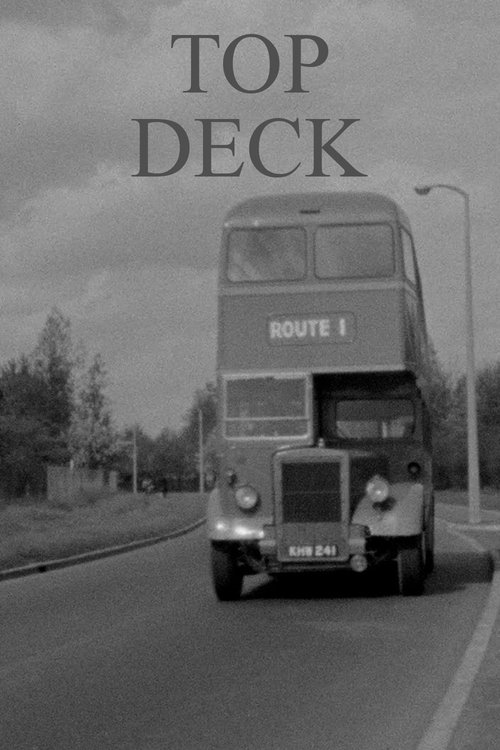
A white bus conductress is attracted by one of her regular passengers, a black serviceman, but then tires of him.
Three-part series exploring personal disasters, some of which are reconstructed with the help of the actual people concerned.
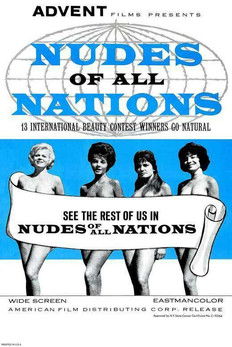
Produced and directed by sexploitation double-act Stanley Long and Arnold Louis Miller, NUDES OF THE WORLD sees a group of international beauty queens turn an English stately home into a nudist camp, with unexpected results. This movie broke box office records in London in 1961 and features narration by Blue Peter's legendary Valerie Singleton.