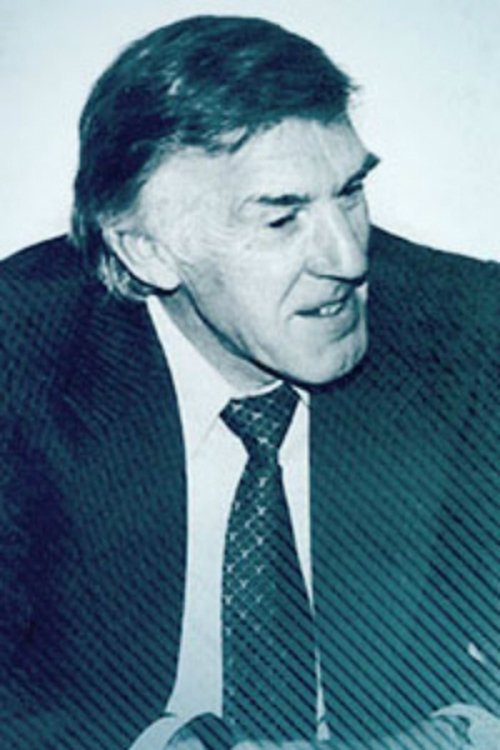
Robert Holmes
Writing
Biography
Robert Colin Holmes (2 April 1926 – 24 May 1986) was a British television scriptwriter. For over 25 years, he contributed to some of the most popular programmes screened in the UK. He is particularly remembered for his work on science fiction programmes, most notably his extensive contributions to Doctor Who, which included working as its script editor from 1974 to 1977. Description above from the Wikipedia article Robert Holmes (scriptwriter), licensed under CC-BY-SA, full list of contributors on Wikipedia.
Known For

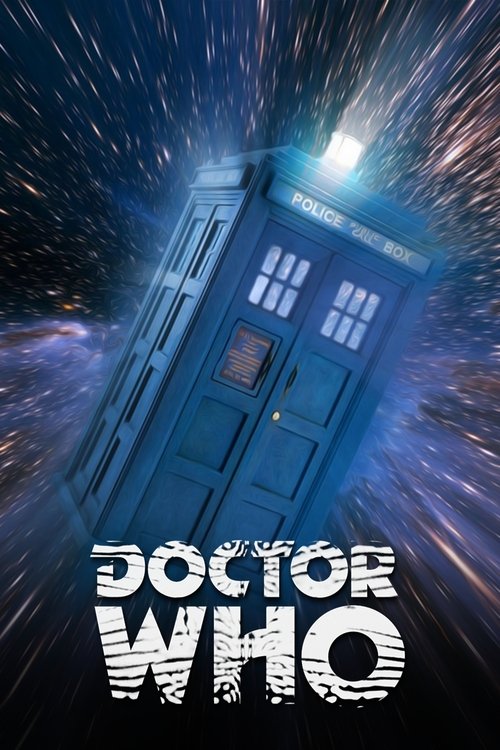
The adventures of The Doctor, a time-traveling humanoid alien known as a Time Lord. He explores the universe in his TARDIS, a sentient time-traveling spaceship. Its exterior appears as a blue British police box, which was a common sight in Britain in 1963 when the series first aired. Along with a succession of companions, The Doctor faces a variety of foes while working to save civilizations, help ordinary people, and right many wrongs.
Doctor Who

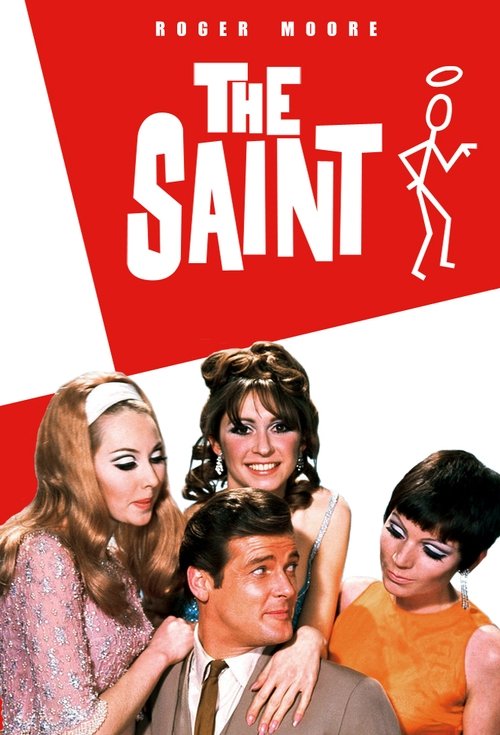
Simon Templar is The Saint, a handsome, sophisticated, debonair, modern-day Robin Hood who recovers ill-gotten wealth and redistributes it to those in need.
The Saint

Jim Bergerac is a detective sergeant in The Foreigners Office who likes to do things his own way. While dealing with his own personal demons Bergerac has a knack of finding trouble, and sometimes causing it.
Bergerac

A one-hour anthology television series of one-off contemporary and classic dramas produced by the BBC.
Playhouse

A group of convicts and outcasts fight a guerrilla war against the totalitarian Terran Federation from a highly advanced alien spaceship.
Blake's 7

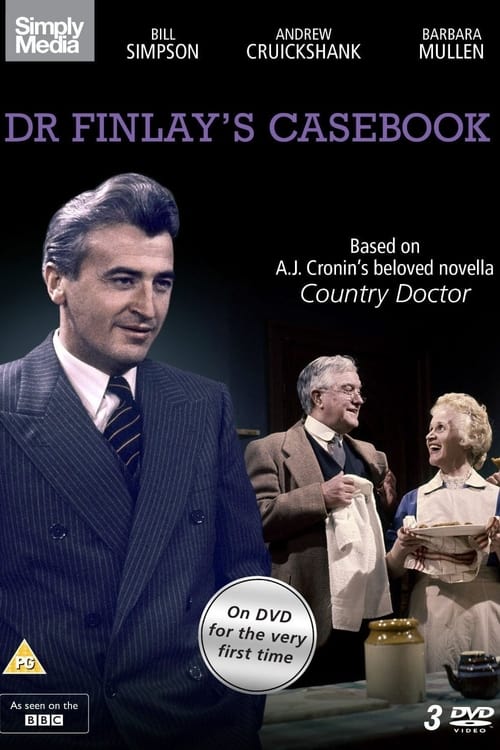
Dr Finlay's Casebook is a BBC television series that was broadcast from 1962 until 1971. Based on A. J. Cronin's novella Country Doctor, the storylines centred on a general medical practice in the fictional Scottish town of Tannochbrae during the late 1920s.
Dr. Finlay's Casebook

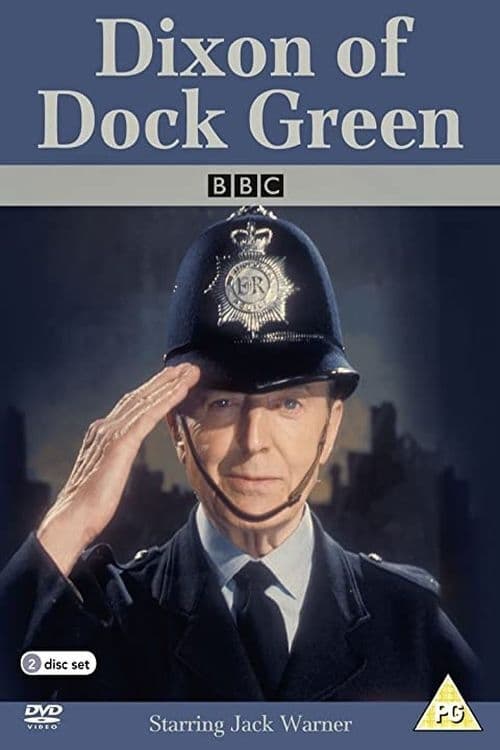
Dixon of Dock Green was a BBC television series following the activities of police officers at a fictional Metropolitan Police station in the East End of London from 1955 to 1976. Some episodes were later remade as a BBC radio series in 2005 and 2006.
Dixon of Dock Green

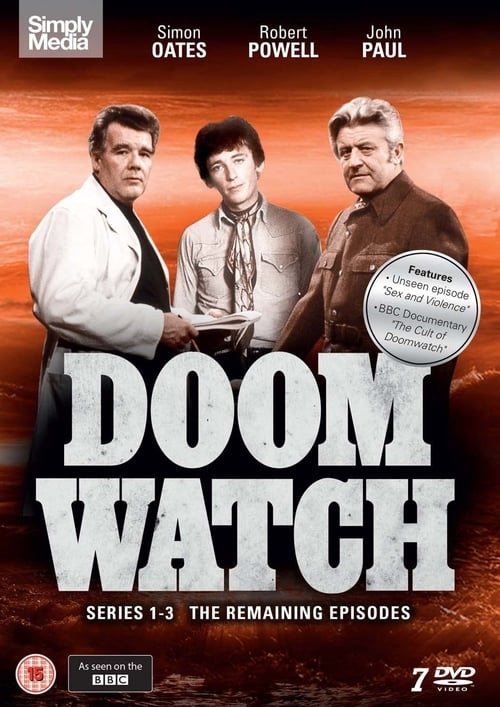
Doomwatch is a British science fiction television programme produced by the BBC, which ran on BBC 1 between 1970 and 1972. The series was set in the then present-day, and dealt with a scientific government agency led by Doctor Spencer Quist, responsible for investigating and combating various ecological and technological dangers. The series was followed by a film adaptation produced by Tigon British Film Productions and released in 1972, and a revival TV film was broadcast on Channel 5 in 1999.
Doomwatch

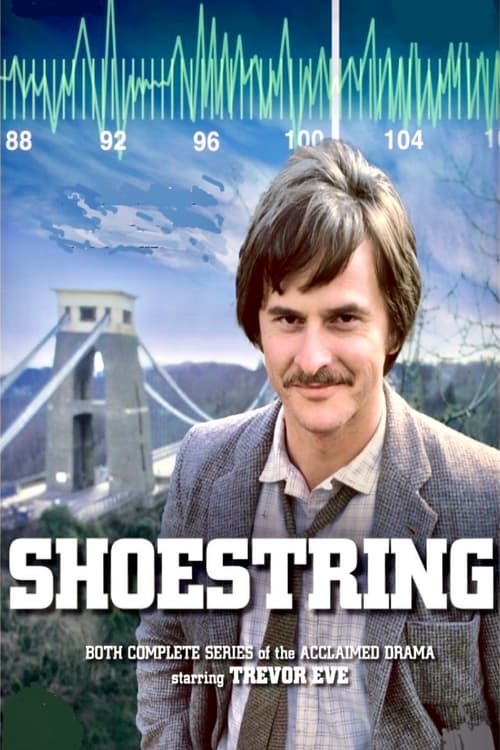
Shoestring is a BBC detective drana set in Bristol and starring Trevor Eve as private detective Eddie Shoestring, who operatee his own show on Radio West, the local radio station. The programme ran between 30 September 1979 and 21 December 1980, in two series with 21 hour-long episodes. Eve opted not to return after two series, as he wanted to diversify into theatre, so the production team changed the setting to Jersey and created Bergerac, also following a detective returning to work after a bad period in his life.
Shoestring

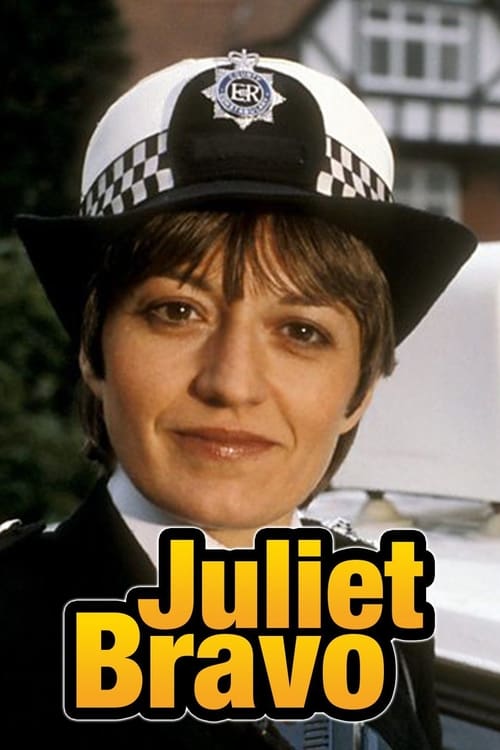
Juliet Bravo was a drama that focused on two female police inspectors, neither of whom were called Juliet Bravo! These two inspectors worked in the small fictional town of Hartley, Lancashire. Jean Darblay was on the scene first and had trouble with her sexist colleagues. However she soon managed to gain their trust and prove a woman could be a successful police officer and housewife. Jean's call sign was Juliet Bravo. When she was promoted and moved on she was replaced by Kate Longton who not only took over the patch but also the headaches that went with it.
Juliet Bravo

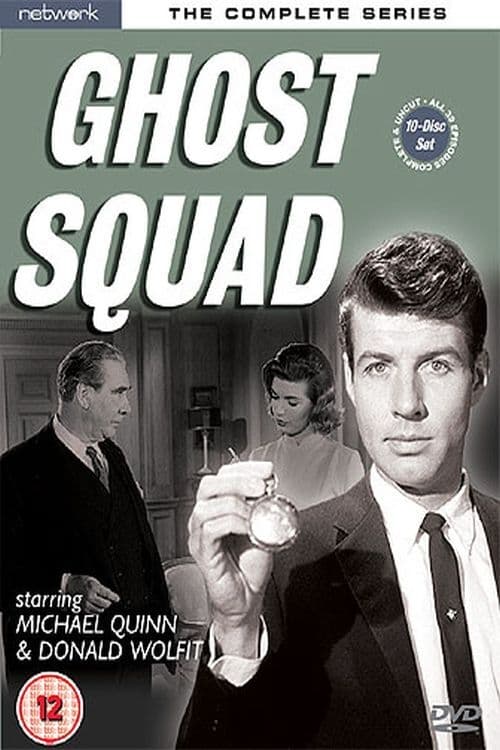
Ghost Squad, known as G.S.5 for its third series, was a crime drama series about an elite division of Scotland Yard that ran between 1961 and 1964. Each episode the Ghost Squad would investigate cases that fell outside the scope of normal police work. Despite the show and characters being fictional, an actual division did exist within the Metropolitan Police Service at the time. Inspiration for the series was taken from a book of the same name, written by John Gosling — a retired police officer and former member of the team. Although the real-life squad only operated in London, the fictionalised team travelled internationally; however — as was typical of the time — most foreign locations were actually a combination of stock footage and sets at Independent Artists Studio at Beaconsfield and Elstree Studios. Music was by Philip Green. The show was produced by ITC Entertainment, along with Rank Organisation TV and ATV. It was the first ITC show filmed to fit the one hour time-slot — setting the trend for the majority of ITC's future output. Another common ITC trait was to feature an American, in this case Michael Quinn, in a leading role so as to increase the chances of international sales. At 6' 3", Quinn often towered over his co-workers. This was especially noticeable in the first series title sequence showing him walking through a crowd walking in the opposite direction. He frequently smoked in the show as did many others. The second series had a different title sequence and Neil Hallett sometimes replaced Quinn. Hallett looked more like a spy while Quinn looked a bit like a playboy. Quinn was replaced by Australian actor, Ray Barrett in the third series. Ray Austin played Billy Clay in and was also Stunt Director on all series bringing the action to life. Austin went on to become a renowned TV director in Hollywood and the UK.
Ghost Squad

The Regiment is a 1972 BBC One television drama series starring Christopher Cazenove and follows the story of a British Army regiment from the view of two families.
The Regiment

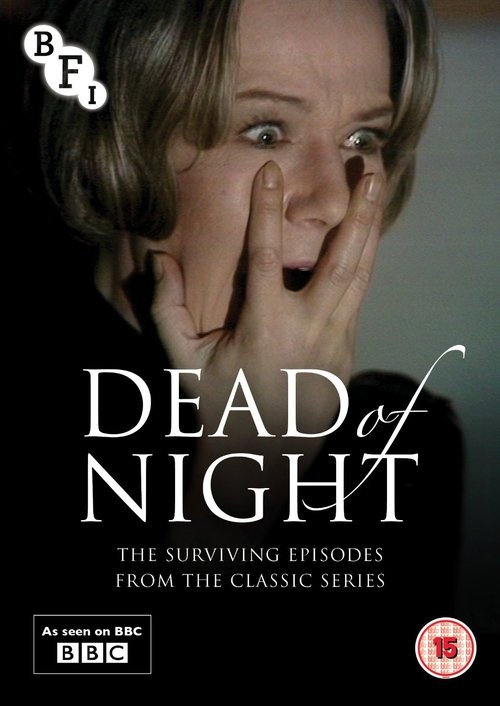
Dead of Night was a British television anthology series of supernatural fiction, produced by the BBC and broadcast on BBC2 in 1972. It ran for a single series; of its seven 50-minute episodes, only three—'The Exorcism', 'Return Flight', and 'A Woman Sobbing'—are known to survive in the Archives. Another programme made by the same production team under Innes Lloyd, 'The Stone Tape', intended to be the eighth episode, does survive in the Archives but was not broadcast under the Dead of Night banner. BBC Four rebroadcast "The Exorcism" on 22 December 2007.
Dead of Night

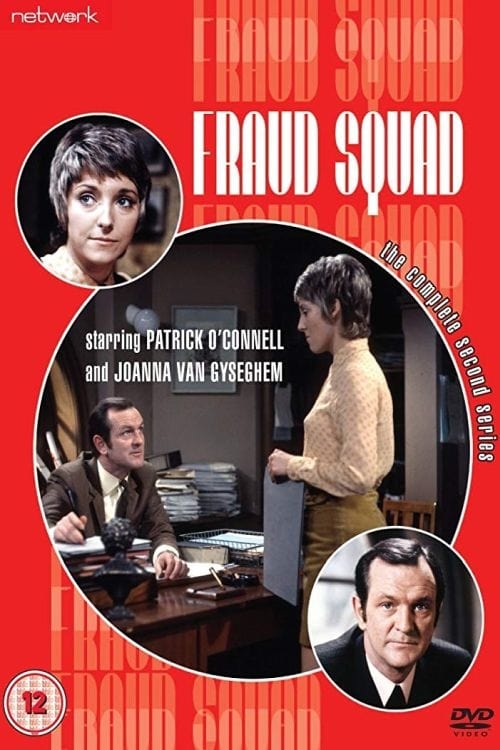
Crime drama series detailing the cases of Detective Inspector Gamble and Detective Sergeant Vicky Hicks working for the Fraud Squad in the Midlands. Gamble is very much his own man, all too often doing things his own way, much to the frustration of his boss Superintendent Proud. Gamble’s sidekick Vicky is often little more than a glorified secretary for too much of the time but as the series goes on she does more of a chance to shine.
Fraud Squad

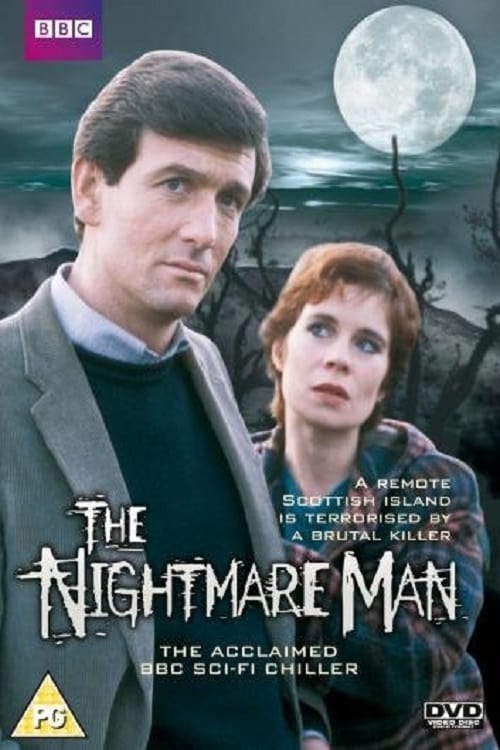
The population of a small Scottish island is gripped with fear following a strange discovery and a series of savage murders. Adapted from David Wiltshire's 'Child of Vodyanoi'.
The Nightmare Man

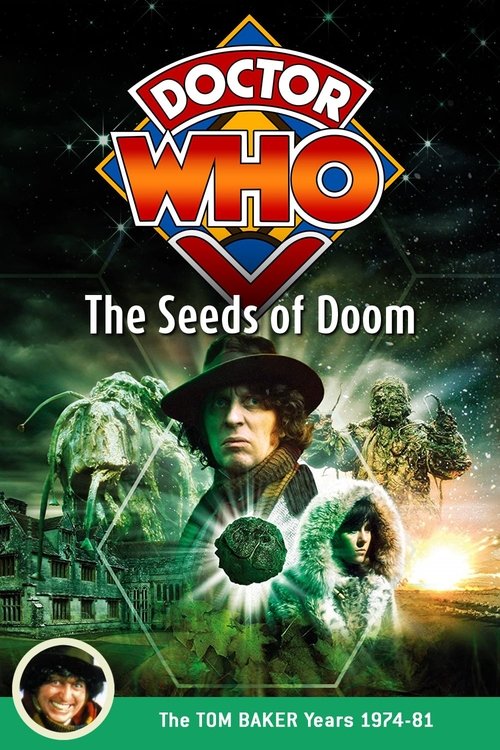
When scientists in the Antarctic uncover a mysterious seed pod, the Doctor is called in to investigate. He soon realises it is extraterrestrial and extremely dangerous. At the same time, however, ruthless millionaire plant-lover Harrison Chase has learned of the find and decides he must have the pod for his collection of rare and beautiful flora. Meanwhile the pod itself harbours intelligent life with sinister plans of its own...
Doctor Who: The Seeds of Doom

The cursed island of Fang Rock off the south coast of England is a place of rumour and tales of beasts from the sea. Three lighthouse men at the turn of the century face their fears when something comes from the sea to bring death to all it touches.
Doctor Who: Horror of Fang Rock

In a Victorian Gothic mansion, strange things are afoot. The master of the house, away in Egypt, has been replaced by a sinister Egyptian. Cloth-wrapped Mummies roam the grounds, killing people. Beneath a pyramid, the last of the Osirans — Sutekh the Destroyer — waits to be freed, to at long last bring his gift of death to all who live.
Doctor Who: Pyramids of Mars

Sontaran Field Major Styre is conducting experiments on the survivors of future Earth in preparation of a full-scale Sontaran invasion of the planet. Can the Doctor defeat Styre and save the world?
Doctor Who: The Sontaran Experiment

When scientists start to go missing in the 20th century, the Doctor is called in by the Brigadier to investigate. His investigations lead him to deduce that they are being kidnapped through time and he sets off in pursuit, unknowingly kidnapping journalist Sarah Jane Smith in the process. Arriving in the middle ages, the Doctor and Sarah find themselves caught up in the machinations of the robber baron Irongron and his man from the stars. The alien, a Sontaran named Linx, is arming him with modern weapons in return for helping him repair his damaged ship, and it's up to the Doctor and Sarah to stop him from ruining the Earth's timeline.