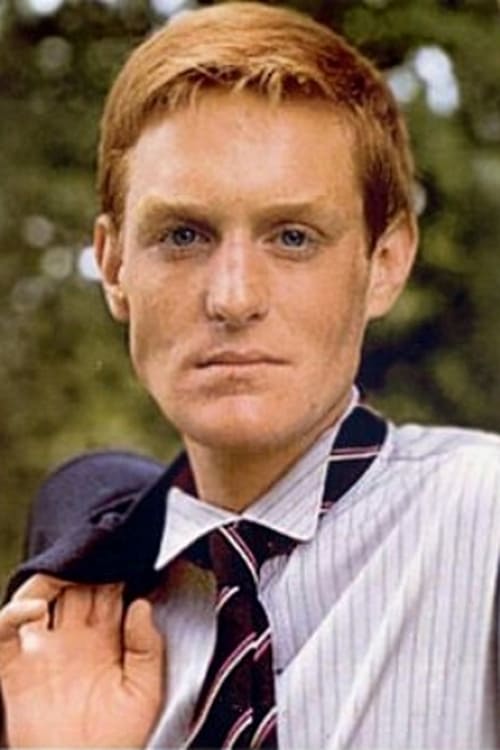
Mark Strickson
Acting
Biography
Mark Strickson is a former Doctor Who actor and director/producer of nature and the natural world programmes.
Known For
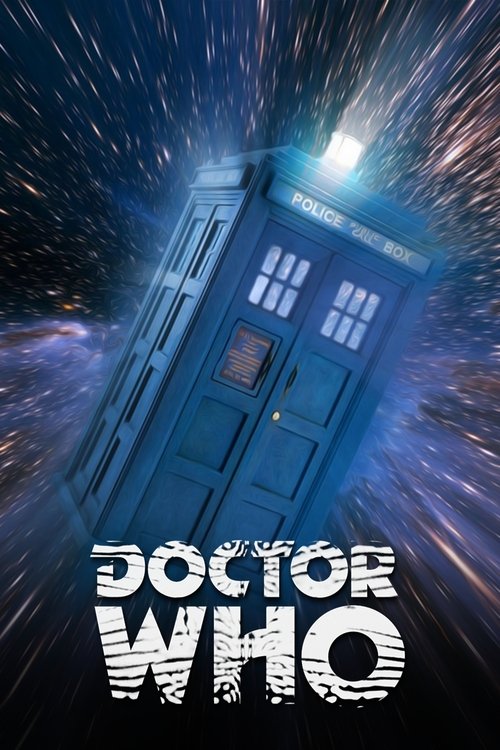
The adventures of The Doctor, a time-traveling humanoid alien known as a Time Lord. He explores the universe in his TARDIS, a sentient time-traveling spaceship. Its exterior appears as a blue British police box, which was a common sight in Britain in 1963 when the series first aired. Along with a succession of companions, The Doctor faces a variety of foes while working to save civilizations, help ordinary people, and right many wrongs.
Doctor Who
Drama series about the staff and patients at Holby City Hospital's emergency department, charting the ups and downs in their personal and professional lives.
Casualty
Roguish comedy drama following the misadventures of small-time crook Arthur Daley.
Minder

Natural World is a nature documentary television series broadcast annually on BBC Two and regarded by the BBC as its flagship natural history brand. It is currently the longest-running series in its genre on British television, with more than 400 episodes broadcast since its inception in 1983. Natural World is produced by the BBC Natural History Unit in Bristol, but individual programmes can be in-house productions, collaborative productions with other broadcasters or films made and distributed by independent production companies and purchased by the BBC. Natural World programmes are often broadcast as PBS Nature episodes in the USA. Since 2008, most Natural World programmes have been shot and broadcast in high definition.
Natural World
Jim Bergerac is a detective sergeant in The Foreigners Office who likes to do things his own way. While dealing with his own personal demons Bergerac has a knack of finding trouble, and sometimes causing it.
Bergerac
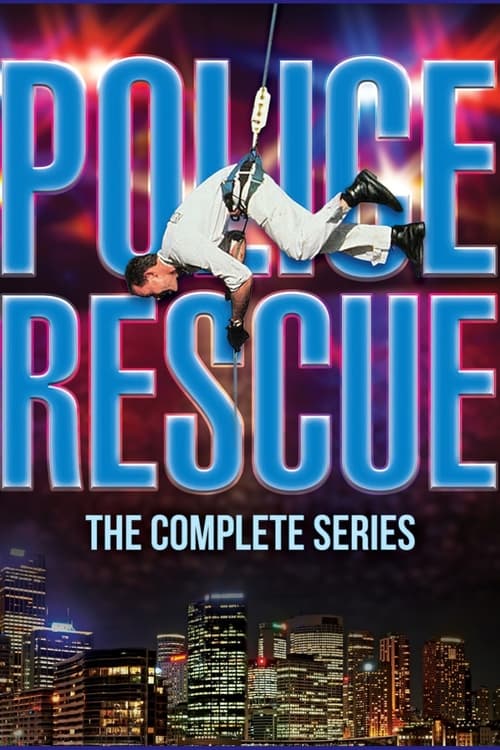
Police Rescue was an Australian television series The series dealt with the New South Wales Police Rescue Squad based in Sydney and their work attending to various incidents from road accidents to train crashes.
Police Rescue
Rafferty's Rules was an Australian television drama series which ran from 1987 to 1990 on the Seven Network. Rafferty's Rules was one of the first programs undertaken by the Seven Network's then new in-house drama unit, going into production in May 1985 as "a 15-part courtroom drama". The program had started out as a pilot episode, recorded in early 1984 with the actor Chris Haywood in the lead role. When the pilot episode was remounted later in 1984, Chris Haywood wasn't available and the lead role was re-cast to John Wood. This second recording was eventually broadcast as the program's first episode.
Rafferty's Rules
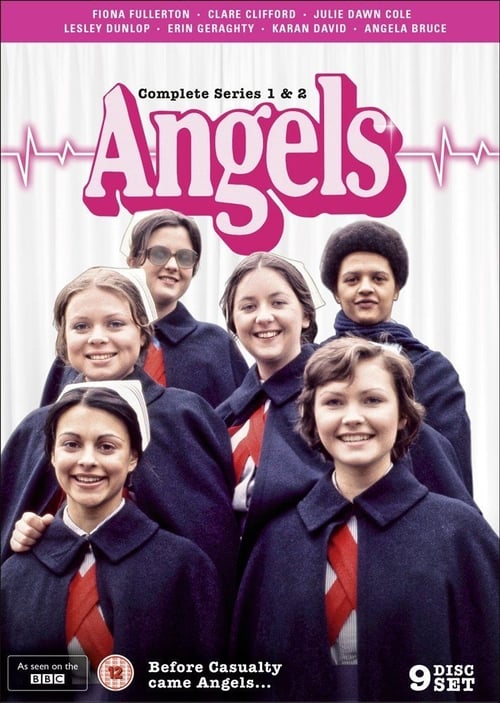
Angels is a BBC medical soap-opera which launched on 1st September 1975 and was the blue print for such medical soaps as Casualty, Holby City, plus daytime soap, Doctors. The medical soap focuses on different departments within Heath Green Hospital and was a highly successful continuing drama.
Angels
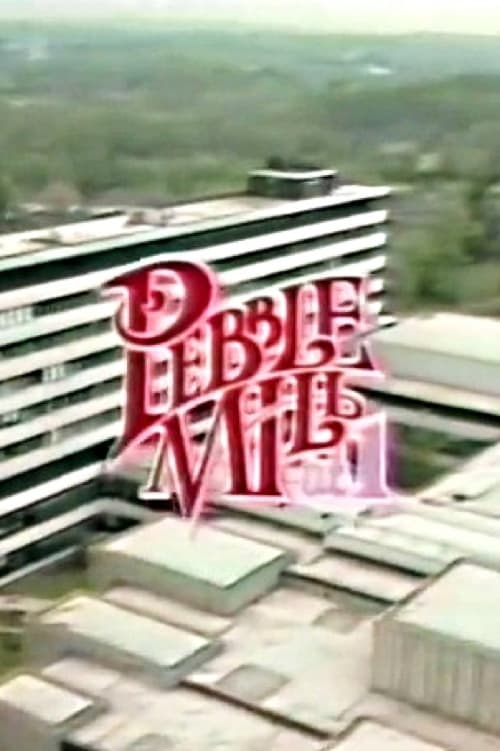
Pebble Mill at One was a popular British lunchtime magazine, broadcast live from Monday to Friday at 13:00, mainly on BBC1. It was transmitted from the Pebble Mill studios of BBC Birmingham, and uniquely, was hosted from the centre's main foyer area, rather than a conventional studio. In the beginning, visitors to the studios were seen arriving in the background as the programme was transmitted. Reasons for this were: a planned third studio was never constructed on the site, and existing facilities were fully booked for network drama production and local news. Gradually, as the show was successful, the foyer became a studio, and visitors had to use a new entrance. The show ran from 2 October 1972 to 23 May 1986, under various programme Editors including: Terry Dobson, Jim Dumighan, and Peter Hercombe.. For most of that period there were few television programmes transmitted in Britain on any channels during the day. For this reason the programme acquired a unique following from those who found themselves at home at lunchtime. Housewives, students, and those recovering from an illness remember it with fondness for its variety and the problems inherent with live television. Its best remembered theme tune was "As You Please" by the Raymond Lefevre orchestra.
Pebble Mill at One

Strangers is a 1978–82 ITV police procedural created and principally written by Murray Smith, based on characters created by Kenneth Royce in his novel series and subsequent 1977–78 television adaptation The XYY Man. Don Henderson and Dennis Blanch reprise their roles, respectively, of Detective Sergeant (DS) George Bulman and Detective Constable (DC) Derek Willis. A group of police officers are brought together from across the country to the north of England. There, the fact that they're not well-known gives them the advantage to infiltrate where a more familiar local detective could not. Despite being based around a comparatively small team of detectives, a regular feature in its early years is that few episodes feature the entire team, with most using just two or three regulars in any major role.
Strangers

Behind the Sofa was a series of videos included in each release of The Collection Blu-ray sets featuring cast and crew members from the show watching serials from the correspondent season.
Doctor Who: Behind the Sofa
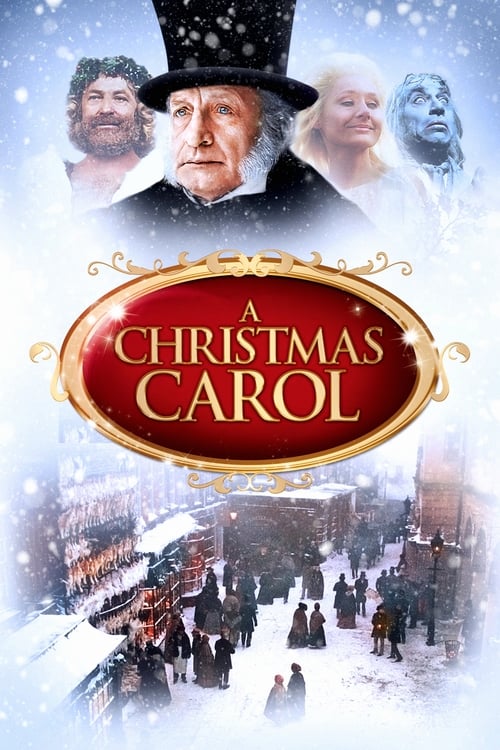
Miser Ebenezer Scrooge is awakened on Christmas Eve by spirits who reveal to him his own miserable existence, what opportunities he wasted in his youth, his current cruelties, and the dire fate that awaits him if he does not change his ways. Scrooge is faced with his own story of growing bitterness and meanness, and must decide what his own future will hold: death or redemption.
A Christmas Carol
New Zealand is a geologically young land, created and shaped by tectonic forces, volcanism and the elements. It is a living laboratory for scientists seeking to more accurately understand and predict volcanic eruptions and earthquakes.
Beneath New Zealand
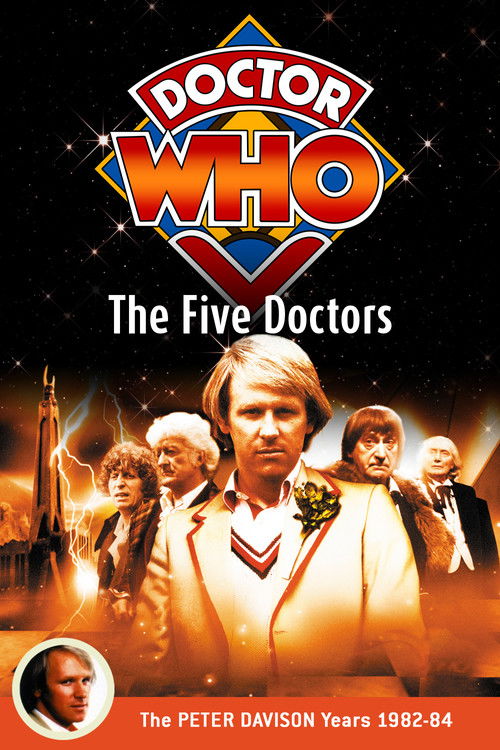
Many incarnations of the Doctors and their old companions are taken out of time and deposited in the Death Zone on Gallifrey. There, they must battle the Master, Daleks, Cybermen and Yeti in order to reach the Dark Tower and discover the Tomb of Rassilon.
Doctor Who: The Five Doctors
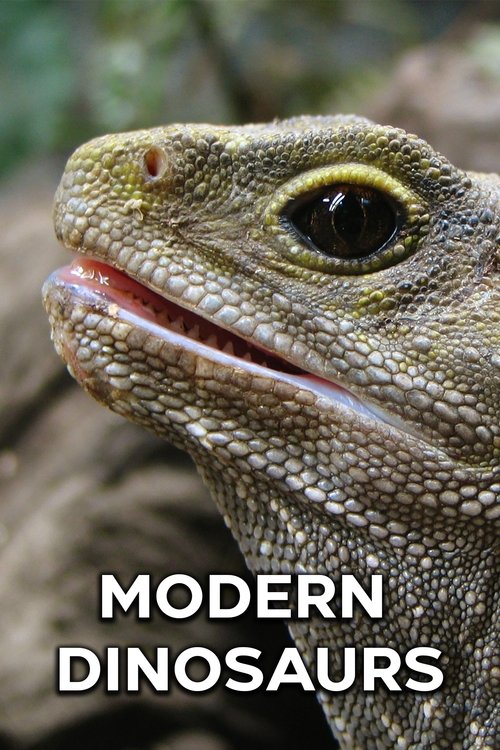
No description available.
Modern Dinosaurs
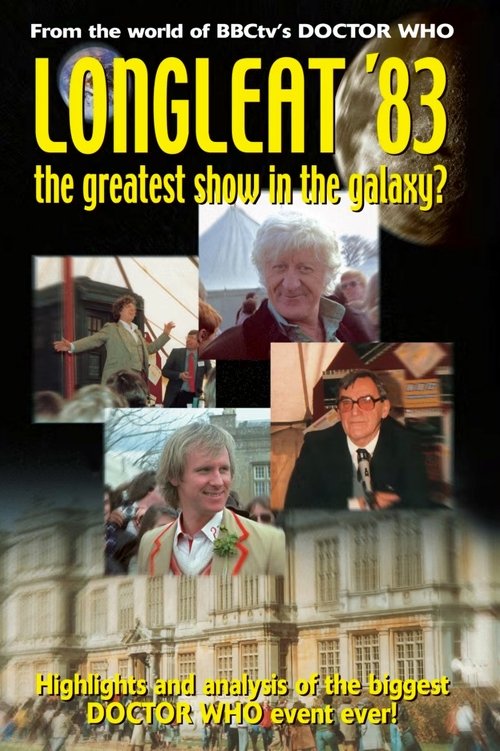
Over Easter weekend the 3rd and 4th of April 1983 the BBC held the biggest Doctor Who event ever to celebrate the 20th Anniversary of the programme. The BBC expected 10,000 people a day. They got 30,000. We travel back to 1983 using extensive video footage of the entire event plus interviews with those people who were there – both the organisers and the attendees. In this landmark video we feature Heather Hartnell, Patrick Troughton, Jon Pertwee, Tom Baker, Peter Davison and a host of celebrities and production staff from Doctor Who in what might be for some… The greatest show in the galaxy!
Longleat '83: The Greatest Show in the Galaxy

Captured in a time corridor, the Doctor and his companions are forced to land on 20th century Earth, diverted by the Doctor's oldest enemy - the Daleks. It is here the true purpose of the time corridor becomes apparent: after ninety years of imprisonment, Davros, the ruthless creator of the Daleks, is to be liberated to assist in the resurrection of his army. Not even the Daleks foresee the poisonous threat of their creator. Indeed, who would suspect Davros of wanting to destroy his own Daleks - and why? Only the Doctor knows the truth. Will he descend to Davros' level of evil to stop him?
Doctor Who: Resurrection of the Daleks
A look at the subtle (and not so subtle!) links to the show's past and future contained within the story of The Five Doctors.
The Ties That Bind Us
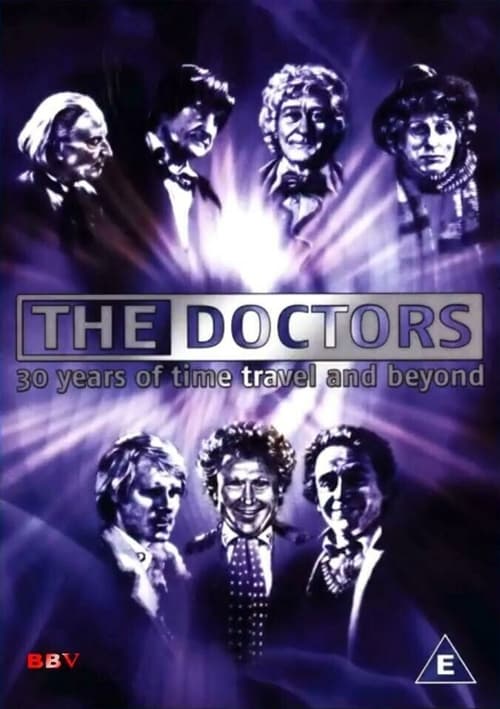
More than 30 years have now passed since a certain time traveling police box first materialized on our television screens, and the exploits of its various crews have enthralled audiences ever since. Here is the story of Britain's Number 1 Science Fiction programme told in order of the various actors who have played the Doctor.
The Doctors: 30 Years of Time Travel and Beyond
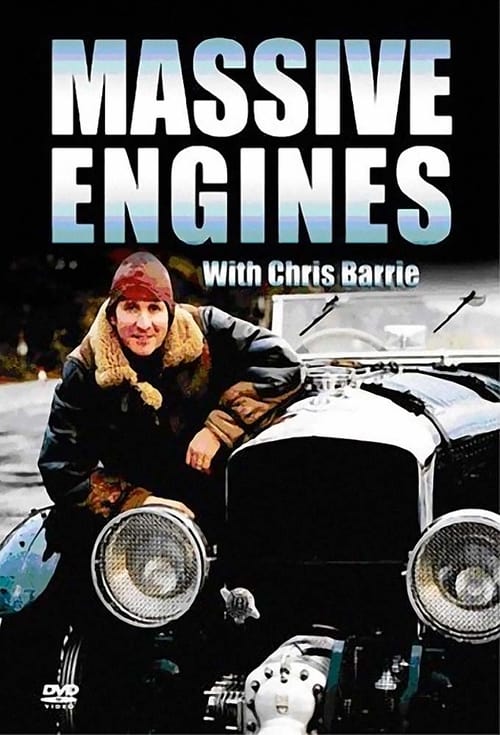
Comedy actor and car fanatic Chris Barrie explores the development of engines from their humble beginnings in the 18th century to their monstrous progeny today