Acting
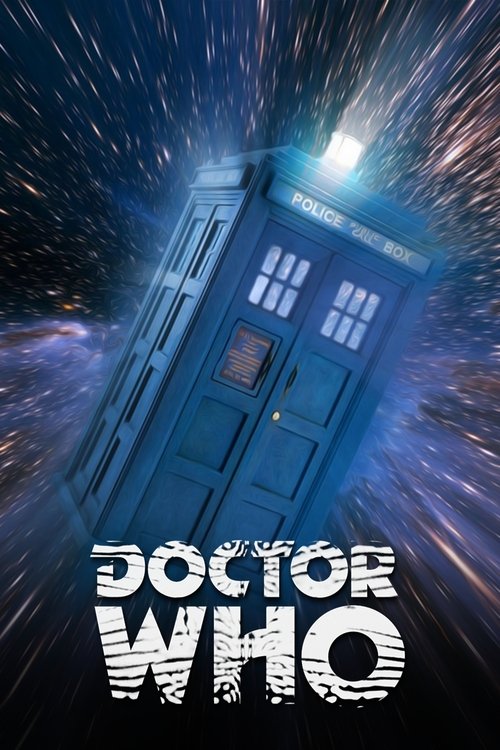
The adventures of The Doctor, a time-traveling humanoid alien known as a Time Lord. He explores the universe in his TARDIS, a sentient time-traveling spaceship. Its exterior appears as a blue British police box, which was a common sight in Britain in 1963 when the series first aired. Along with a succession of companions, The Doctor faces a variety of foes while working to save civilizations, help ordinary people, and right many wrongs.
Play for Today is a British television anthology drama series, produced by the BBC and transmitted on BBC1 from 1970 to 1984. During the run, more than three hundred programmes, featuring original television plays, and adaptations of stage plays and novels, were transmitted. The individual episodes were between fifty and a hundred minutes in duration.
A BBC television anthology series featuring productions of classic and contemporary stage plays usually broadcast on BBC1. Each production featured a different work, often using prominent British stage actors in the leading roles. The series was transmitted from October 1965 to September 1983.
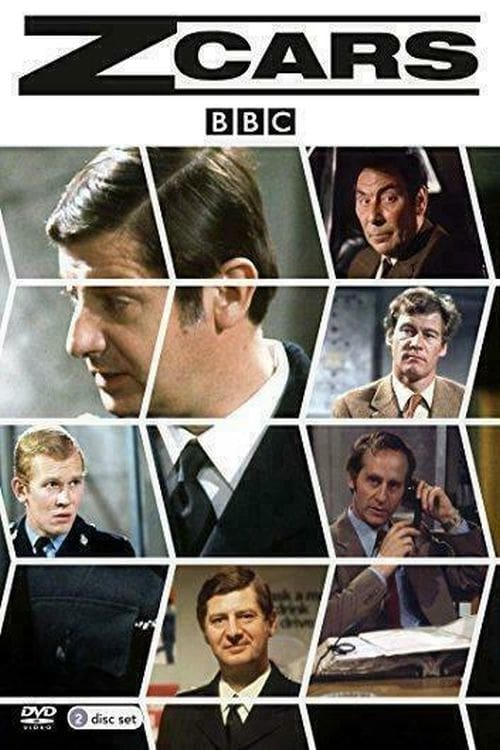
Z-Cars or Z Cars is a British television drama series centred on the work of mobile uniformed police in the fictional town of Newtown, based on Kirkby, Merseyside. Produced by the BBC, it debuted in January 1962 and ran until September 1978.
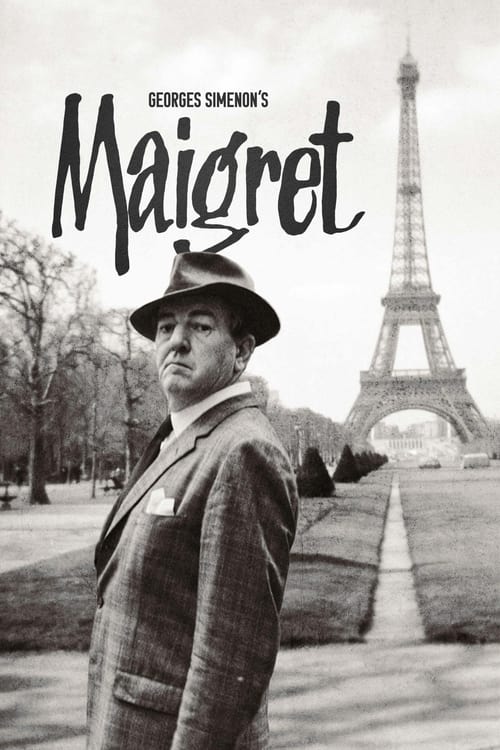
BBC series based on the novels by Georges Simenon which starred Rupert Davies as Inspector Maigret, a French police detective who preferred to watch and listen in order to solve crimes. The series ran from 1960-63 on British television.
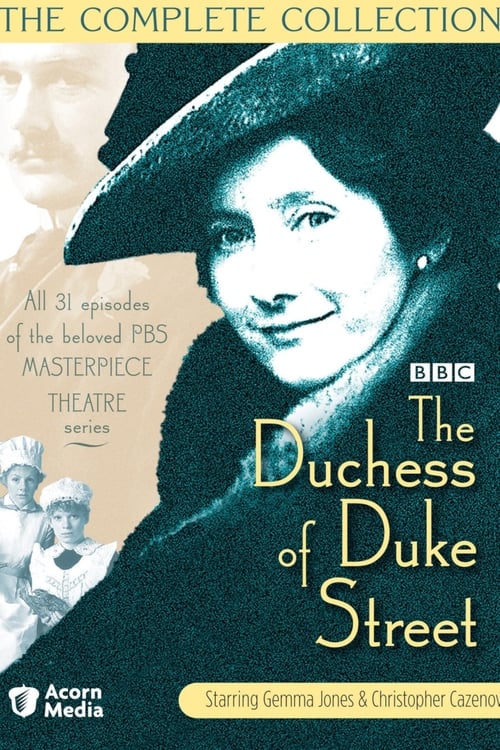
In Victorian London, Louisa Leyton works her way up from servant to renowned cook to proprietress of the upper-class Bentinck Hotel in Duke Street, St James's.
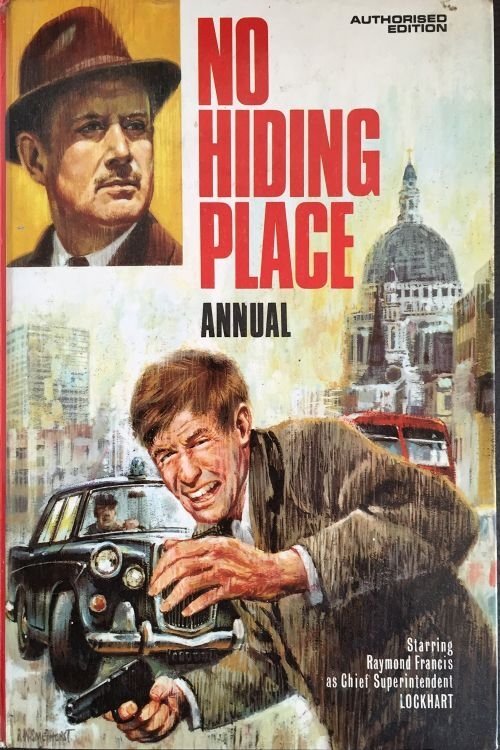
No Hiding Place is a British television series that was produced at Wembley Studios by Associated-Rediffusion for the ITV network between 16 September 1959 and 22 June 1967. It was the sequel to the series Murder Bag and Crime Sheet, all starring Raymond Francis as Detective Superintendent, later Detective Chief Superintendent Tom Lockhart.
Theatre 625 is a British television drama anthology series, produced by the BBC and transmitted on BBC2 from 1964 to 1968. It was one of the first regular programmes in the line-up of the channel, and the title referred to its production and transmission being in the higher-definition 625-line format, which only BBC2 used at the time.
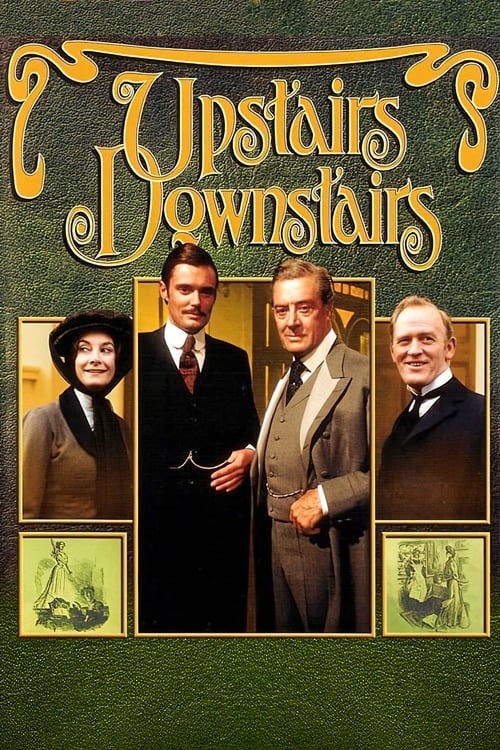
Upstairs: the wealthy, aristocratic Bellamys. Downstairs: their loyal and lively servants. For nearly 30 years, they share a fashionable townhouse at 165 Eaton Place in London’s posh Belgravia neighborhood, surviving social change, political upheaval, scandals, and the horrors of the First World War.
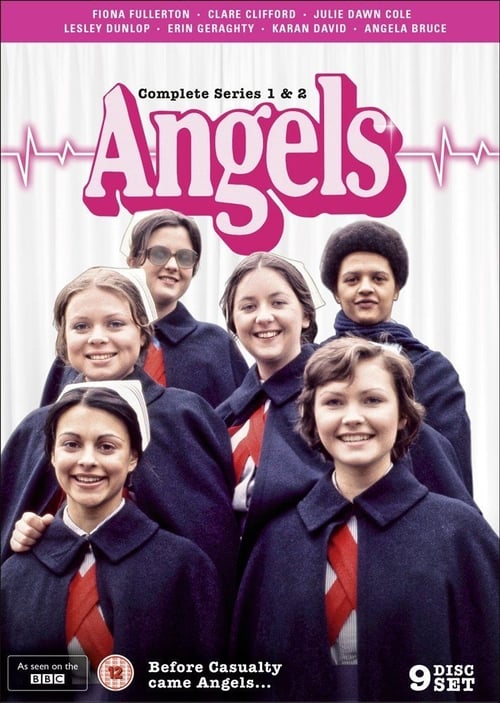
Angels is a BBC medical soap-opera which launched on 1st September 1975 and was the blue print for such medical soaps as Casualty, Holby City, plus daytime soap, Doctors. The medical soap focuses on different departments within Heath Green Hospital and was a highly successful continuing drama.
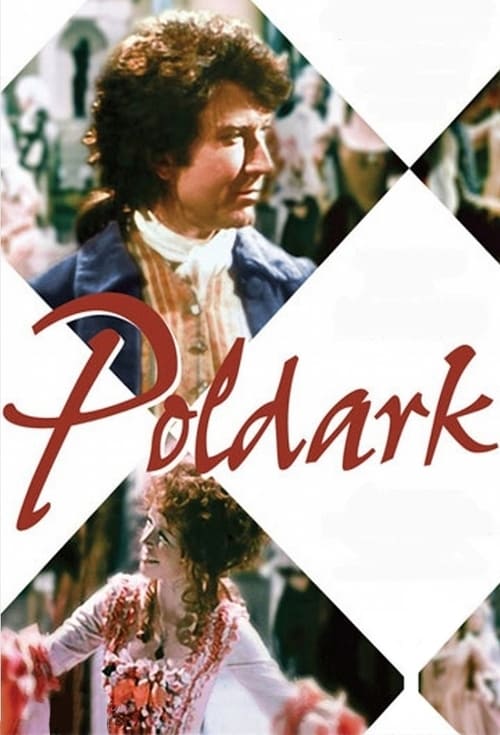
Poldark is a television drama based on Winston Graham's novels of the same title. It was first transmitted on BBC Two across two seasons between 1975 and 1977. The adaptation covered all seven novels (of the eventual twelve) published up to the time. In late 18th-century Cornwall, Ross Poldark loses his fiancée, well-bred beauty Elizabeth, to his cousin Francis. He ends up marrying his servant, Demelza Carne, but his passion for Elizabeth simmers on for years. Meanwhile, he strives to make his derelict copper mines a success. Life is hard, smuggling is rife, and Ross finds himself taking the side of the underclass against the ruthless behaviour of his enemies, the greedy Warleggan clan.
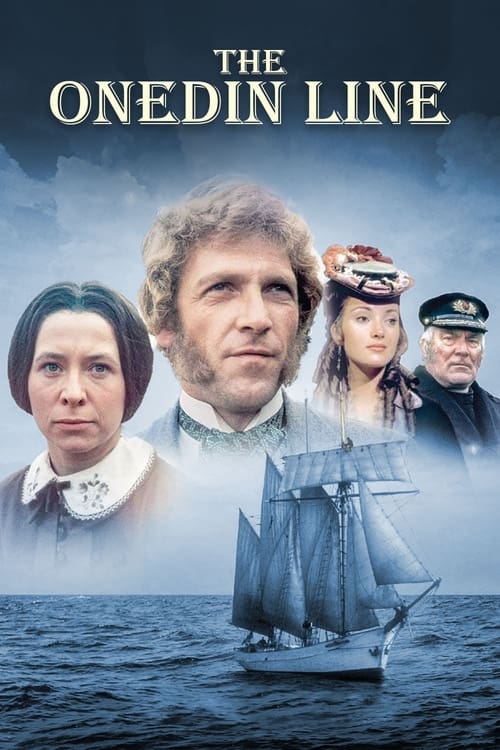
The Onedin Line is a BBC television drama series which ran from 1971 to 1980. The series was created by Cyril Abraham. The series is set in Liverpool from 1860 to 1886 and deals with the rise of a shipping line, the Onedin Line, named after its owner James Onedin. Around this central theme are the lives of his family, most notably his brother and partner, shop owner Robert, and his sister Elizabeth, giving insight into the lifestyle and customs at the time, not only at sea, but also ashore. The series also illustrates some of the changes in business and shipping, such as from wooden to steel ships and from sailing ships to steam ships. It shows the role that ships played in affairs like international politics, uprisings and the slave trade.
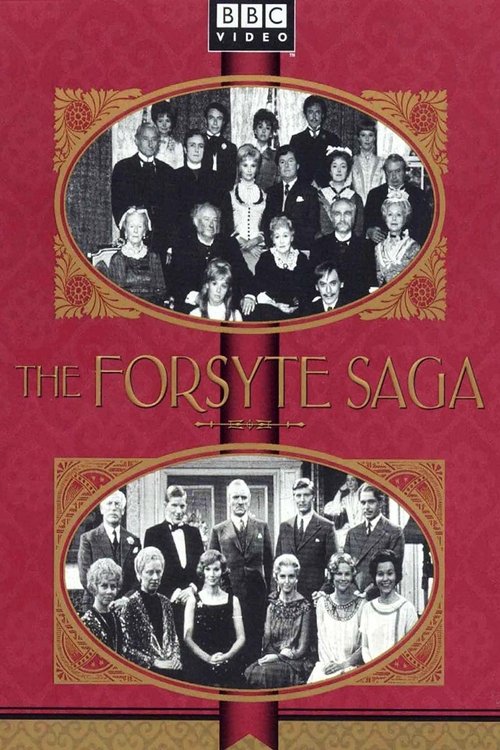
The Forsyte Saga is a 1967 BBC television adaptation of John Galsworthy's series of The Forsyte Saga novels, and its sequel trilogy A Modern Comedy. The series follows the fortunes of the upper middle class Forsyte family, and stars Eric Porter as Soames, Kenneth More as Young Jolyon and Nyree Dawn Porter as Irene. It was adapted for television and produced by Donald Wilson and was originally shown in twenty-six episodes on Saturday evenings between 7 January and 1 July 1967 on BBC2, at a time when only a small proportion of the population had television sets able to receive this channel. It was therefore the repeat on Sunday evenings on BBC1 starting on 8 September 1968 that secured the programme's success with 18 million tuning in for the final episode in 1969. It was shown in the United States on public television and broadcast all over the world, and became the first BBC television series to be sold to the Soviet Union.
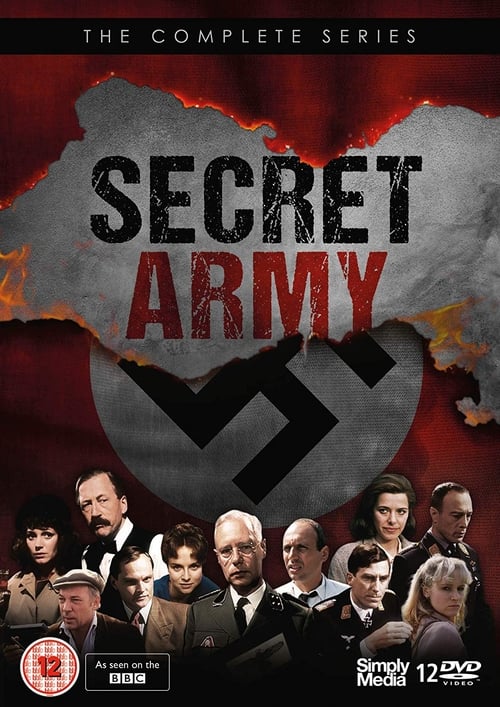
World War II drama about covert organisation Lifeline helping allied airmen escape after being shot down in occupied Europe, working with the Resistance and hiding from the Gestapo.
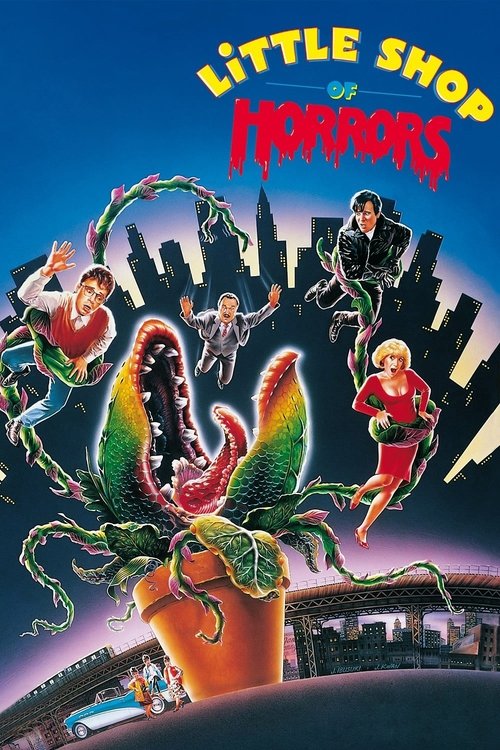
Seymour Krelborn is a nerdy orphan working at Mushnik's; a flower shop in urban Skid Row. He harbors a crush on fellow co-worker, Audrey Fulquard, and is berated by Mr. Mushnik daily. One day, Seymour finds a very mysterious unidentified plant which he calls Audrey II. The plant seems to have a craving for blood and soon begins to sing for it’s supper.
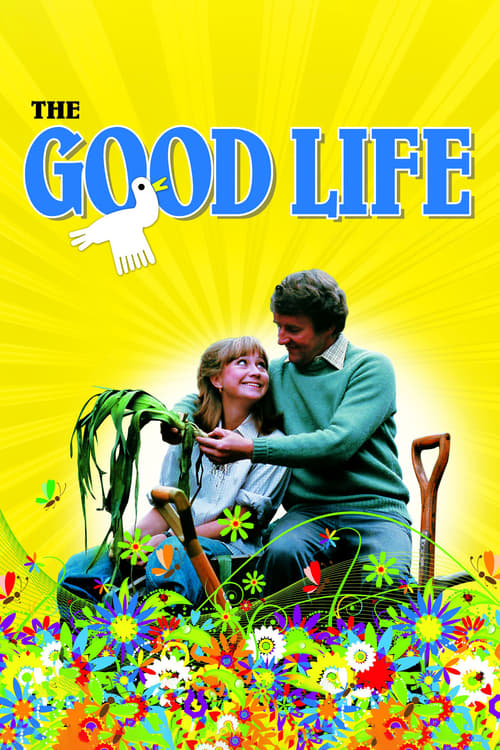
Tom and Barbara Good escape the rat race and pursue a self-sufficient lifestyle in Surbiton, much to the concern, frustration and sometimes envy of their neighbours Margo and Jerry Leadbetter. Entitled ‘Good Neighbors’ when shown in the USA.
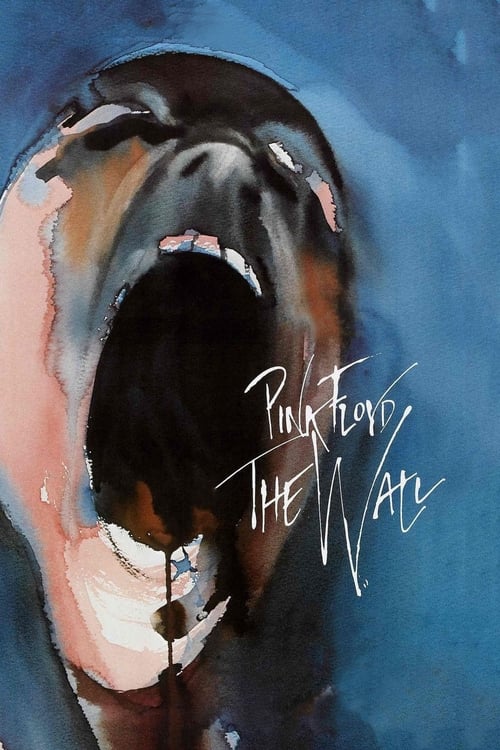
A troubled rock star descends into madness in the midst of his physical and social isolation from everyone.
Sherlock Holmes and Dr. Watson meet as boys in an English Boarding school. Holmes is known for his deductive ability even as a youth, amazing his classmates with his abilities. When they discover a plot to murder a series of British business men by an Egyptian cult, they move to stop it.
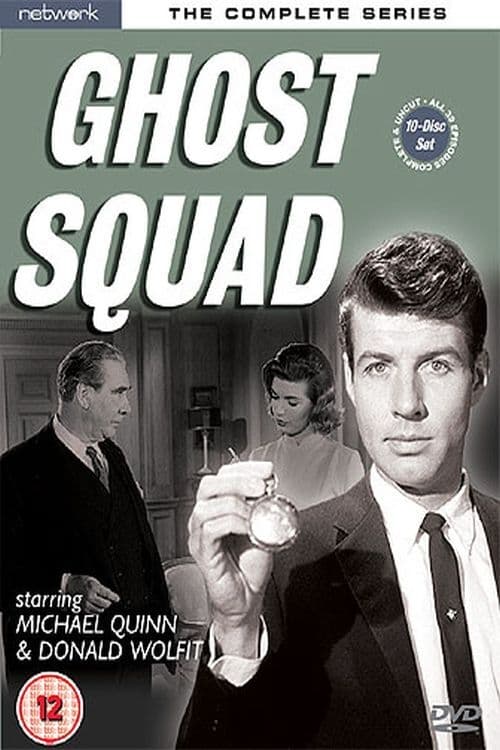
Ghost Squad, known as G.S.5 for its third series, was a crime drama series about an elite division of Scotland Yard that ran between 1961 and 1964. Each episode the Ghost Squad would investigate cases that fell outside the scope of normal police work. Despite the show and characters being fictional, an actual division did exist within the Metropolitan Police Service at the time. Inspiration for the series was taken from a book of the same name, written by John Gosling — a retired police officer and former member of the team. Although the real-life squad only operated in London, the fictionalised team travelled internationally; however — as was typical of the time — most foreign locations were actually a combination of stock footage and sets at Independent Artists Studio at Beaconsfield and Elstree Studios. Music was by Philip Green. The show was produced by ITC Entertainment, along with Rank Organisation TV and ATV. It was the first ITC show filmed to fit the one hour time-slot — setting the trend for the majority of ITC's future output. Another common ITC trait was to feature an American, in this case Michael Quinn, in a leading role so as to increase the chances of international sales. At 6' 3", Quinn often towered over his co-workers. This was especially noticeable in the first series title sequence showing him walking through a crowd walking in the opposite direction. He frequently smoked in the show as did many others. The second series had a different title sequence and Neil Hallett sometimes replaced Quinn. Hallett looked more like a spy while Quinn looked a bit like a playboy. Quinn was replaced by Australian actor, Ray Barrett in the third series. Ray Austin played Billy Clay in and was also Stunt Director on all series bringing the action to life. Austin went on to become a renowned TV director in Hollywood and the UK.
Meet Frank Spencer, an eager young man trying to find his way in the world. He's enthusiastic, well-meaning... and disaster-prone.