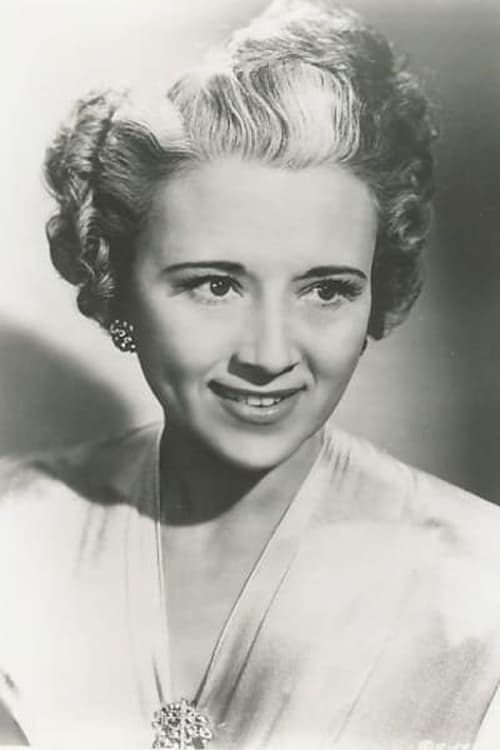
Bess Flowers
Acting
Biography
From Wikipedia, the free encyclopedia Bess Flowers (November 23, 1898 – July 28, 1984) was an American actress. By some counts considered the most prolific actress in the history of Hollywood, she was known as "The Queen of the Hollywood Extras," appearing in over 700 movies in her 41 year career. Born in Sherman, Texas, Flowers's film debut came in 1923, when she appeared in Hollywood. She made three films that year, and then began working extensively. Many of her appearances are uncredited, as she generally played non-speaking roles. By the 1930s, Flowers was in constant demand. Her appearances ranged from Alfred Hitchcock and John Ford thrillers to comedic roles alongside of Charley Chase, the Three Stooges, Leon Errol, Edgar Kennedy, and Laurel and Hardy. She appeared in the following five films which won the Academy Award for Best Picture: It Happened One Night, You Can't Take it with You, All About Eve, The Greatest Show on Earth, and Around the World in Eighty Days. In each of these movies, Flowers was uncredited. Including these five movies, she had appeared in twenty-three Best Picture nominees in total, making her the record holder for most appearances in films nominated for the award. Her last movie was Good Neighbor Sam in 1964. Flowers's acting career was not confined to feature films. She was also seen in many episodic American TV series, such as I Love Lucy, notably in episodes, "Lucy Is Enceinte" (1952), "Ethel's Birthday" (1955), and "Lucy's Night in Town" (1957), where she is usually seen as a theatre patron. Outside her acting career, in 1945, Bess Flowers helped to found the Screen Extras Guild (active: 1946-1992, then merged with SAG), where she served as one of its first vice-presidents and recording secretaries.
Known For
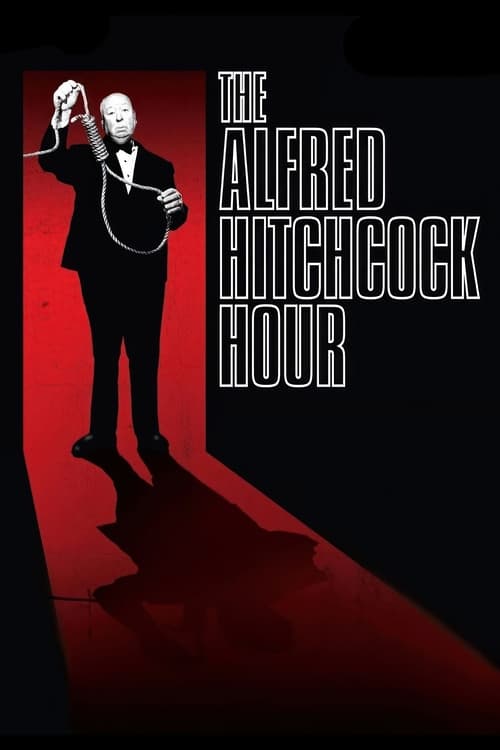
A continuation of the anthology series “Alfred Hitchcock Presents”, hosted by the master of suspense and featuring thrillers and mysteries.
The Alfred Hitchcock Hour
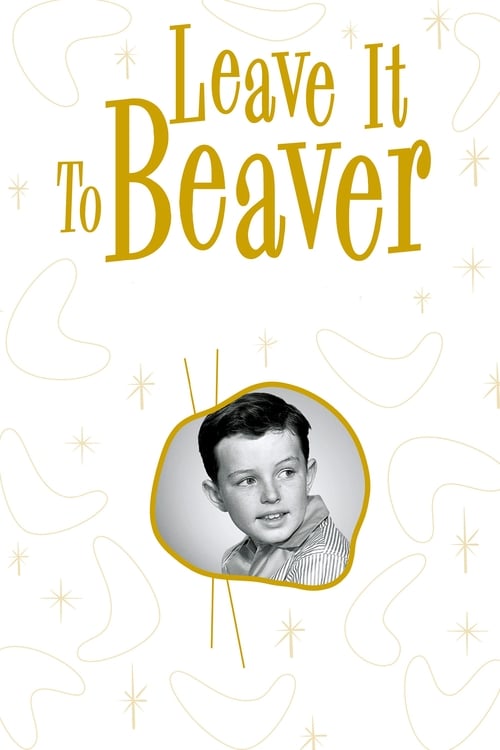
An inquisitive and often naïve boy, Theodore 'The Beaver' Cleaver, has adventures at home, in school, and around his suburban neighborhood. The show also starred Barbara Billingsley and Hugh Beaumont as Beaver's parents, June and Ward Cleaver, and Tony Dow as Beaver's brother Wally. The show has attained an iconic status in the US, with the Cleavers exemplifying the idealized suburban family of the mid-20th century.
Leave It to Beaver
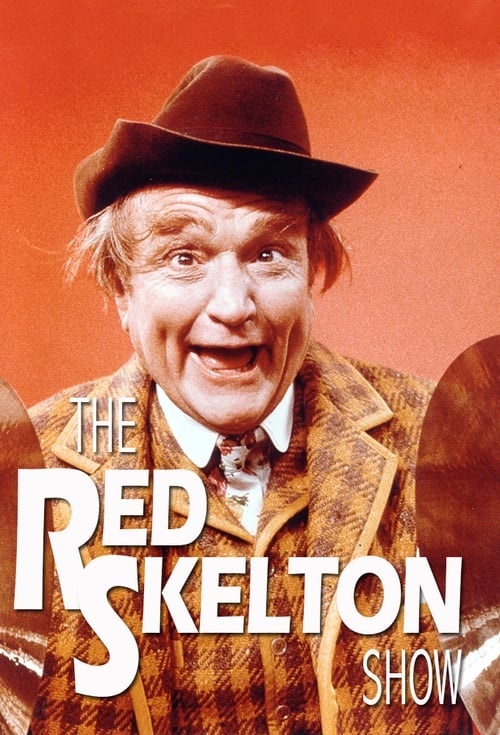
The Red Skelton Show is an American variety show that was a television staple for two decades, from 1951 to 1971. It was second to Gunsmoke and third to The Ed Sullivan Show in the ratings during that time. Skelton, who had previously been a radio star, had appeared in several motion pictures as well. Although his television series is largely associated with CBS, where it appeared for more than fifteen years, it actually began and ended on NBC. During its run, the program received three Emmy Awards, for Skelton as best comedian and the program as best comedy show during its initial season, and an award for comedy writing in 1961.
The Red Skelton Show
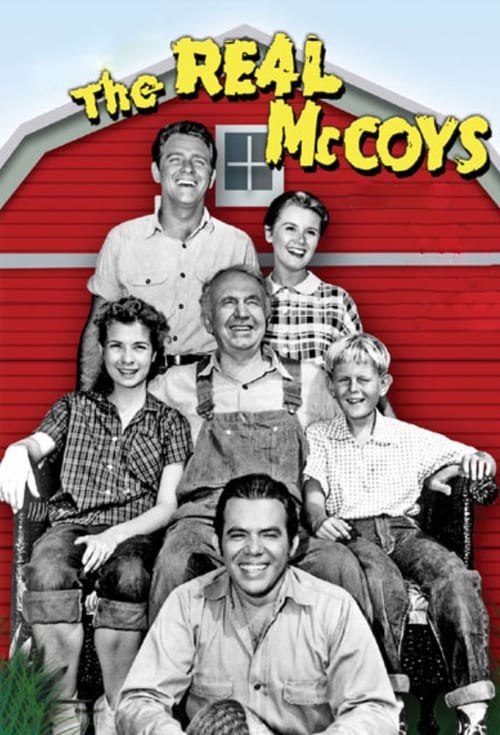
The Real McCoys is an American situation comedy co-produced by Danny Thomas' "Marterto Productions", in association with Walter Brennan and Irving Pincus' "Westgate" company. The series aired for five seasons on the ABC-TV network from 1957 through 1962 and then for its final year on CBS from 1962 to 1963. The series, set in the San Fernando Valley of California, was filmed in Hollywood at Desilu studios.
The Real McCoys
A television anthology series hosted by Alfred Hitchcock featuring dramas, thrillers, and mysteries.
Alfred Hitchcock Presents

Wilbur Post and his wife Carol move into a beautiful new home. When Wilbur takes a look in his new barn, he finds that the former owner left his horse behind. This horse is no ordinary horse . . . he can talk, but only to Wilbur, which leads to all sorts of misadventures for Wilbur and his trouble-making sidekick Mister Ed.
Mister Ed
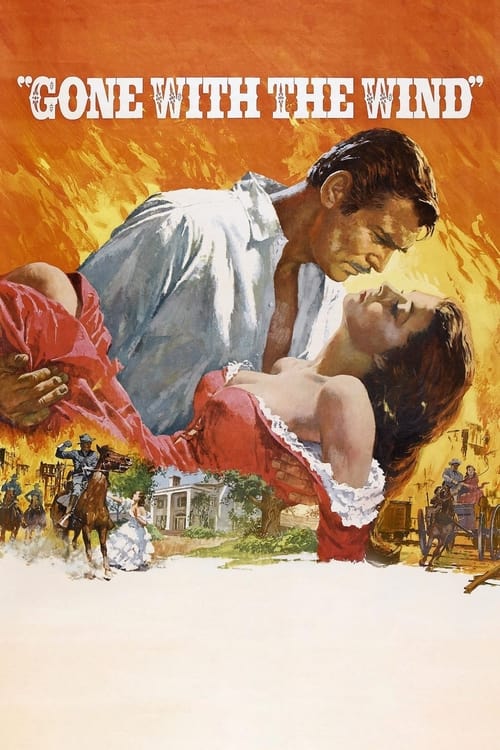
The spoiled daughter of a Georgia plantation owner conducts a tumultuous romance with a cynical profiteer during the American Civil War and Reconstruction Era.
Gone with the Wind
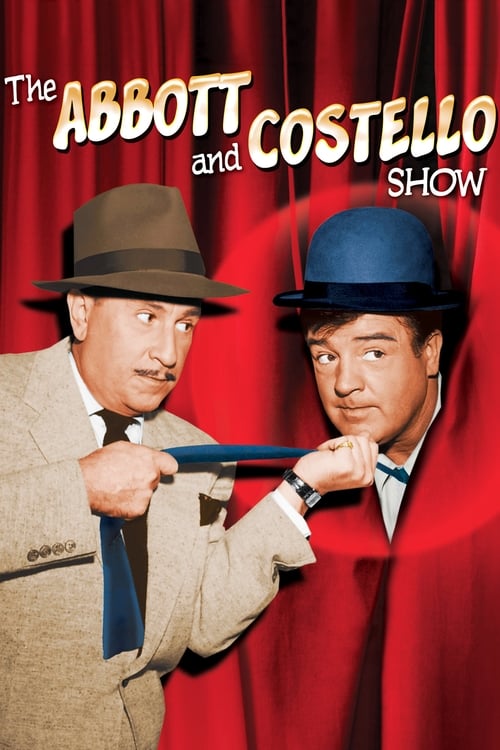
Bud and Lou are unemployed actors living in Mr. Fields’ boarding house. Lou’s girlfriend Hillary lives across the hall. Many situations arise leading to slapstick and puns.
The Abbott and Costello Show
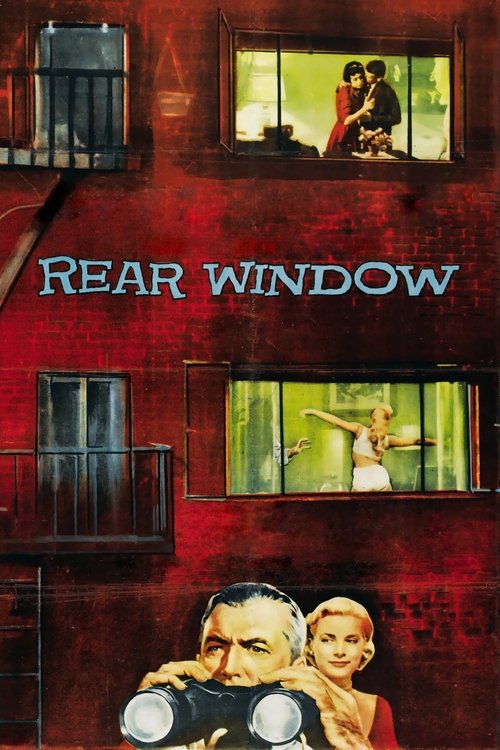
A wheelchair-bound photographer spies on his neighbors from his apartment window and becomes convinced one of them has committed murder.
Rear Window
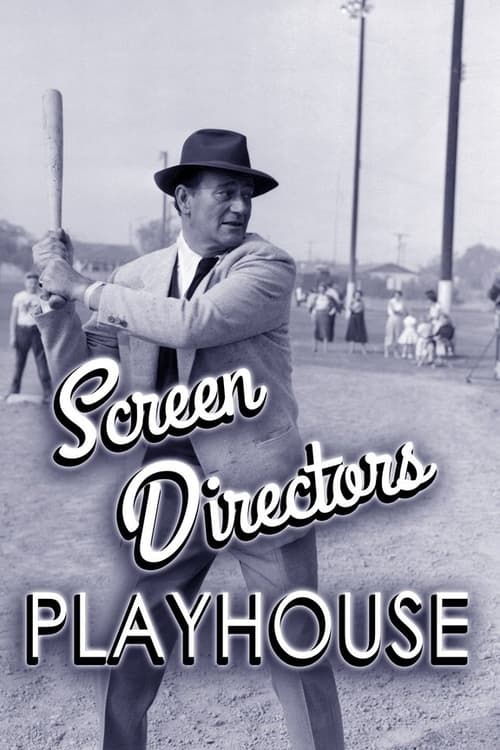
Presented by Eastman Kodak, this show was a series of original scripts directed by acclaimed directors and featuring well-known performers. The stories ranged from musicals to comedies and dramas.
Screen Director's Playhouse
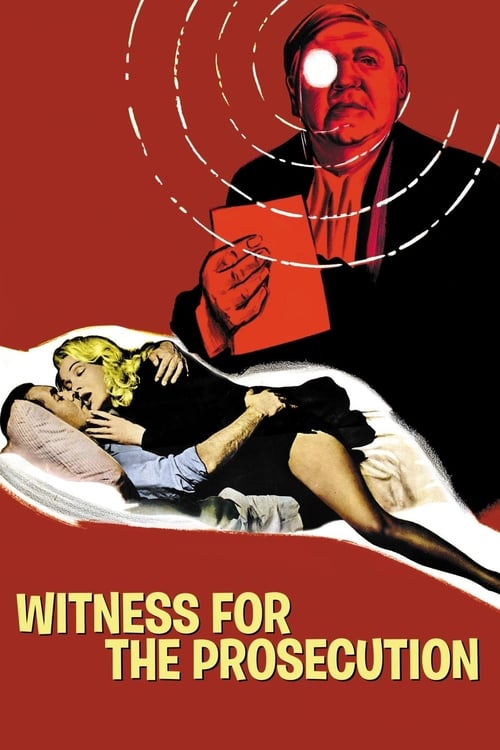
An ailing barrister is thrust back into the courtroom in what becomes one of the most unusual and eventful murder cases of the lawyer's career when he finds himself defending a man being tried for the murder of a socialite.
Witness for the Prosecution
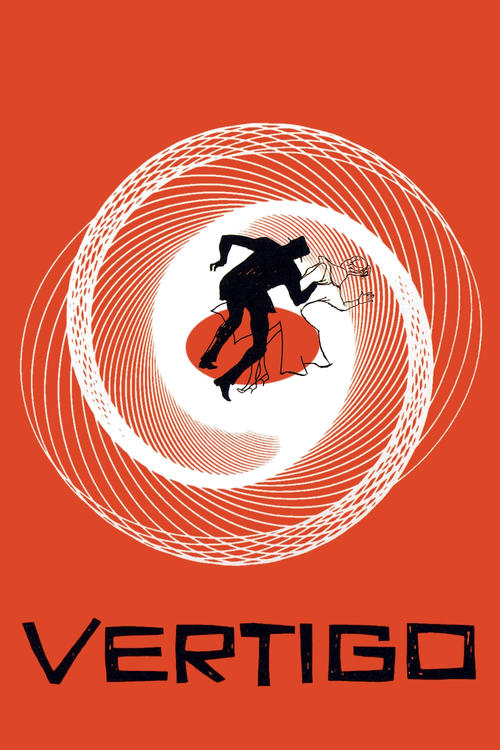
A retired San Francisco detective suffering from acrophobia investigates the strange activities of an old friend's wife, all the while becoming dangerously obsessed with her.
Vertigo
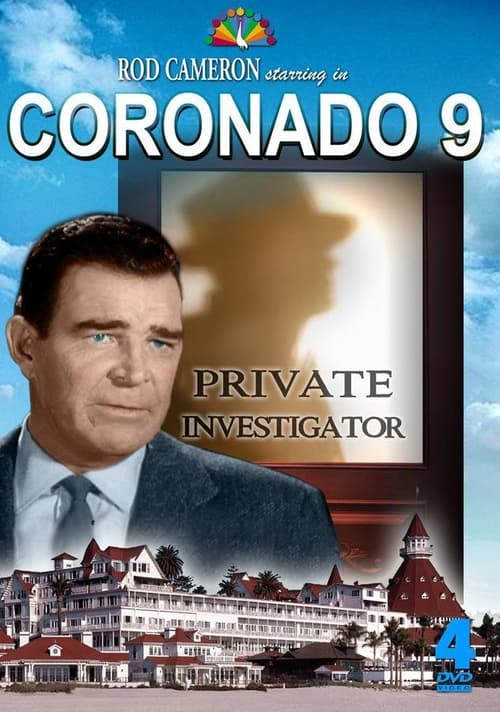
Dan Adams, former Naval Intelligence officer, works in San Diego as a private detective.
Coronado 9
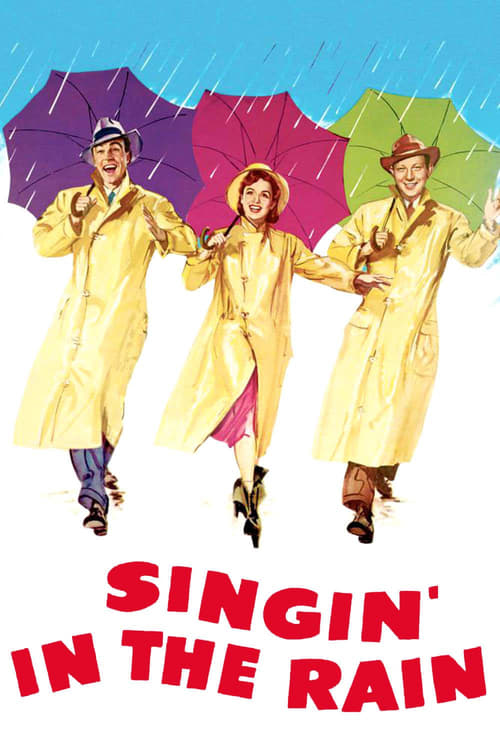
In 1927 Hollywood, a silent film star falls for a chorus girl just as he and his paranoid screen partner struggle to make the difficult transition to talking pictures.
Singin' in the Rain
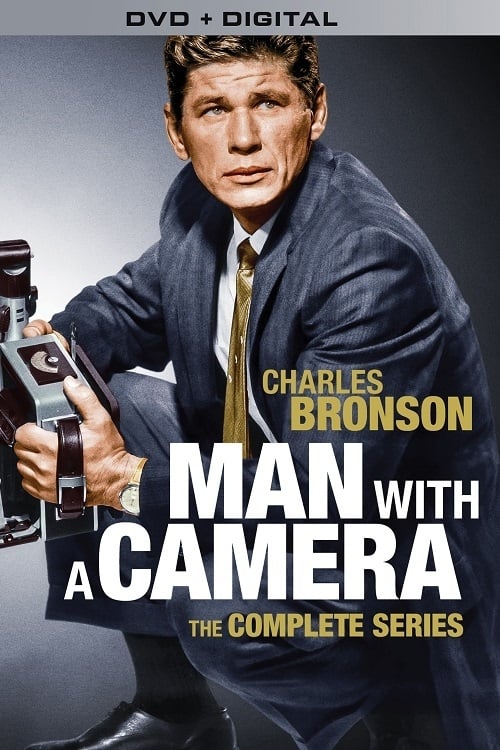
Man with a Camera is an American 1950s television crime drama starring Charles Bronson. Former combat cameraman Mike Kovac (Bronson) is now a freelance photographer in New York City, specializing in difficult and dangerous assignments where he can get the kinds of pictures that other photographers can't, or won't take. He sometimes gets help, often reluctantly, from his contact in the police department, Lt. Donovan, and advice from his immigrant father Anton. Throughout the 1950s, Bronson spent most of his early acting career performing in TV shows as well as small parts in films, until he landed the lead in this ABC series. This is the only series in which he played the lead role. He would go on to have supporting roles either as a guest star or a recurring character in dozens of TV shows after this series was cancelled.
Man with a Camera
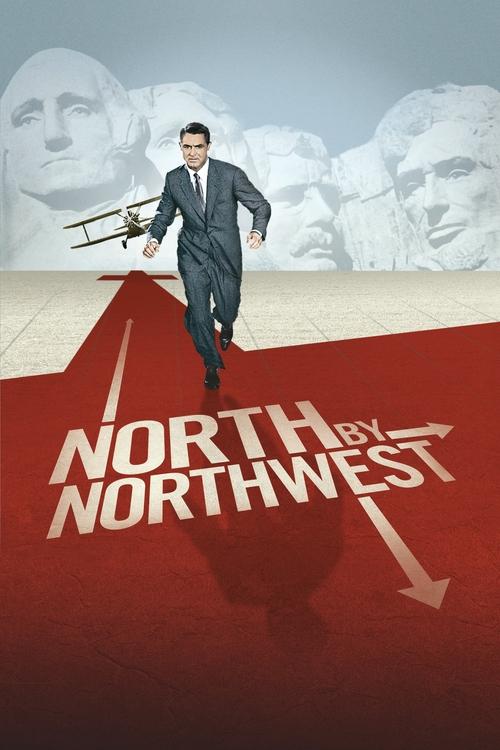
Advertising man Roger Thornhill is mistaken for a spy, triggering a deadly cross-country chase.
North by Northwest
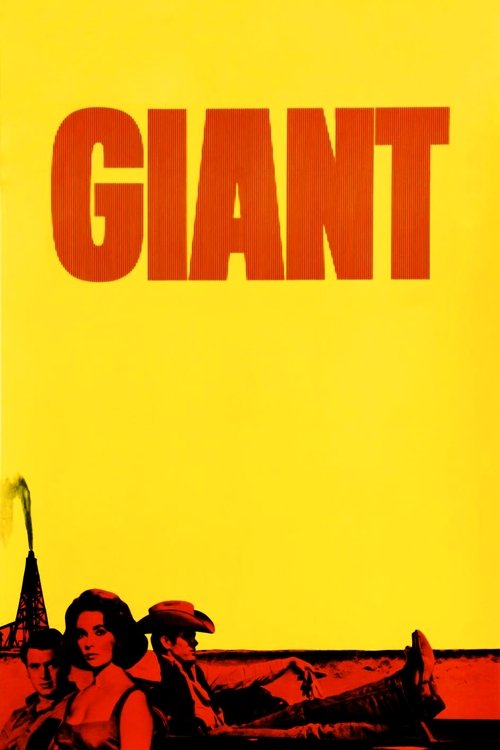
Wealthy rancher Bick Benedict and dirt-poor cowboy Jett Rink both woo Leslie Lynnton, a beautiful young woman from Maryland who is new to Texas. She marries Benedict, but she is shocked by the racial bigotry of the White Texans against the local people of Mexican descent. Rink discovers oil on a small plot of land, and while he uses his vast, new wealth to buy all the land surrounding the Benedict ranch, the Benedict's disagreement over prejudice fuels conflict that runs across generations.
Giant
The Chevy Mystery Show is an American television anthology series featuring a different mystery each week that aired on NBC in 1960 as a summer replacement.
The Chevy Mystery Show
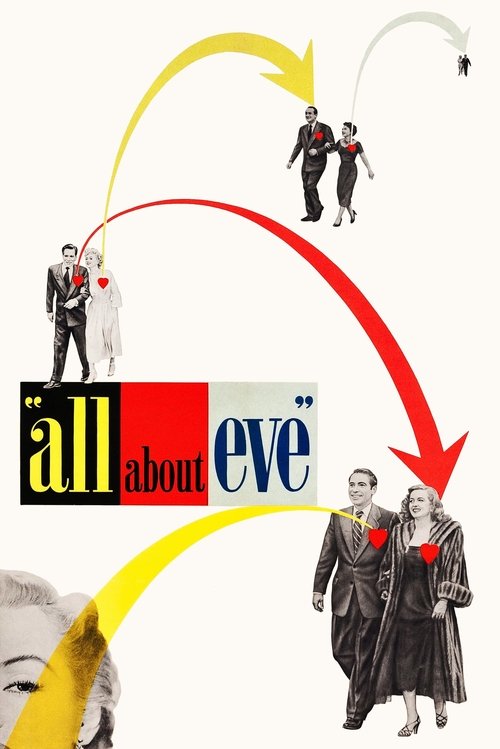
From the moment she glimpses her idol at the stage door, Eve Harrington is determined to take the reins of power away from the great actress Margo Channing. Eve maneuvers her way into Margo's Broadway role, becomes a sensation and even causes turmoil in the lives of Margo's director boyfriend, her playwright and his wife. Only the cynical drama critic sees through Eve, admiring her audacity and perfect pattern of deceit.
All About Eve
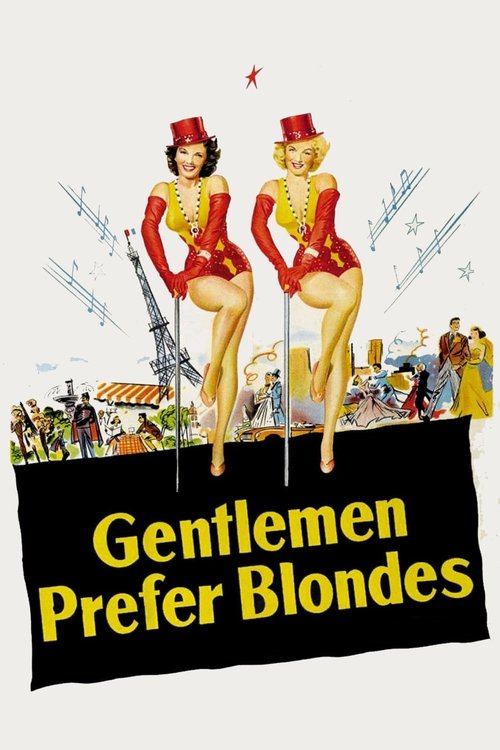
Lorelei Lee is a beautiful showgirl engaged to be married to the wealthy Gus Esmond, much to the disapproval of Gus' rich father, Esmond Sr., who thinks that Lorelei is just after his money. When Lorelei goes on a cruise accompanied only by her best friend, Dorothy Shaw, Esmond Sr. hires Ernie Malone, a private detective, to follow her and report any questionable behavior that would disqualify her from the marriage.