Talfryn Thomas
Acting
Biography
John Talfryn Thomas (31 October 1922 – 4 November 1982) was a Welsh character actor, best known for supporting roles on television in the 1970s, including those of Private Cheeseman in Dad's Army (1973–1974) and Tom Price in Survivors (1975), while Thomas also appeared with Jon Pertwee in two Doctor Who serials.
Known For

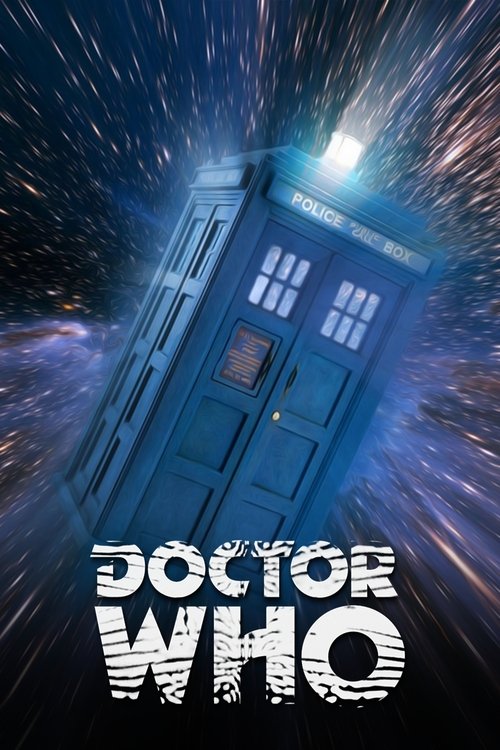
The adventures of The Doctor, a time-traveling humanoid alien known as a Time Lord. He explores the universe in his TARDIS, a sentient time-traveling spaceship. Its exterior appears as a blue British police box, which was a common sight in Britain in 1963 when the series first aired. Along with a succession of companions, The Doctor faces a variety of foes while working to save civilizations, help ordinary people, and right many wrongs.
Doctor Who

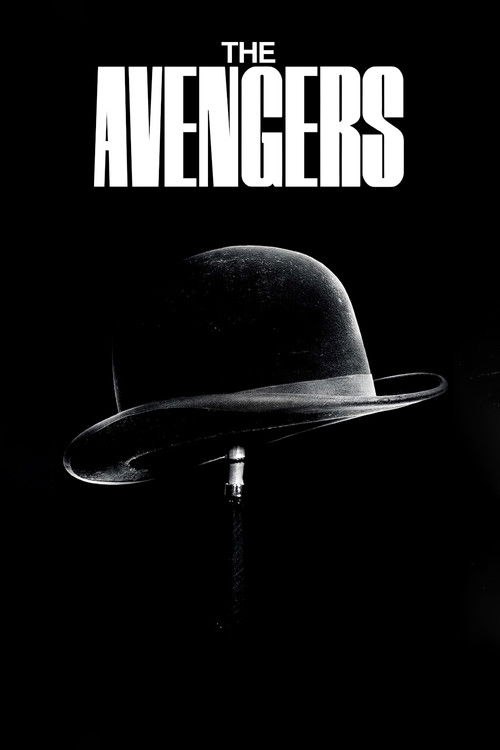
A quirky spy show of the adventures of eccentrically suave British Agent John Steed and his predominantly female partners. Jonathan Steed - an urbane, proper gentleman spy - teams with various assistants throughout the series' run, including Dr. David Keel, Cathy Gale, Emma Peel and Tara King, to repeatedly save the world from diabolical schemes plotted by equally diabolical evil-doers (among them robots and man-eating monsters).
The Avengers

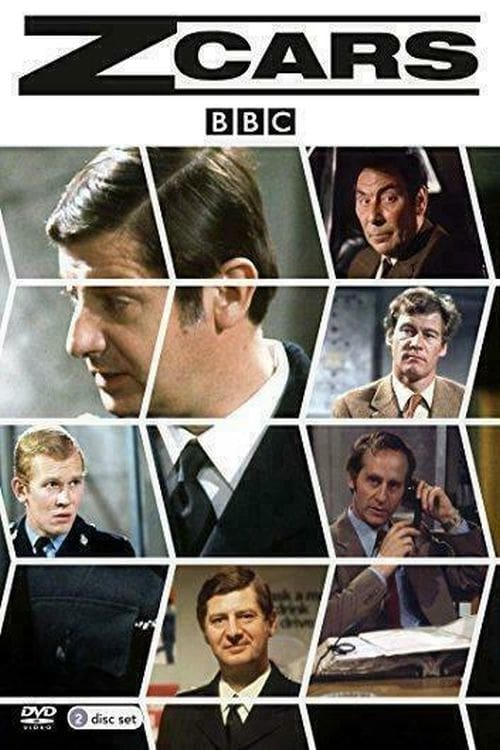
Z-Cars or Z Cars is a British television drama series centred on the work of mobile uniformed police in the fictional town of Newtown, based on Kirkby, Merseyside. Produced by the BBC, it debuted in January 1962 and ran until September 1978.
Z-Cars

Theatre 625 is a British television drama anthology series, produced by the BBC and transmitted on BBC2 from 1964 to 1968. It was one of the first regular programmes in the line-up of the channel, and the title referred to its production and transmission being in the higher-definition 625-line format, which only BBC2 used at the time.
Theatre 625

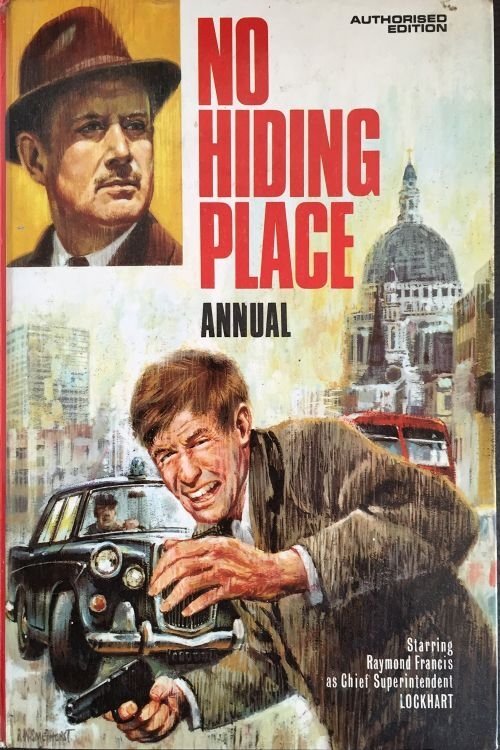
No Hiding Place is a British television series that was produced at Wembley Studios by Associated-Rediffusion for the ITV network between 16 September 1959 and 22 June 1967. It was the sequel to the series Murder Bag and Crime Sheet, all starring Raymond Francis as Detective Superintendent, later Detective Chief Superintendent Tom Lockhart.
No Hiding Place

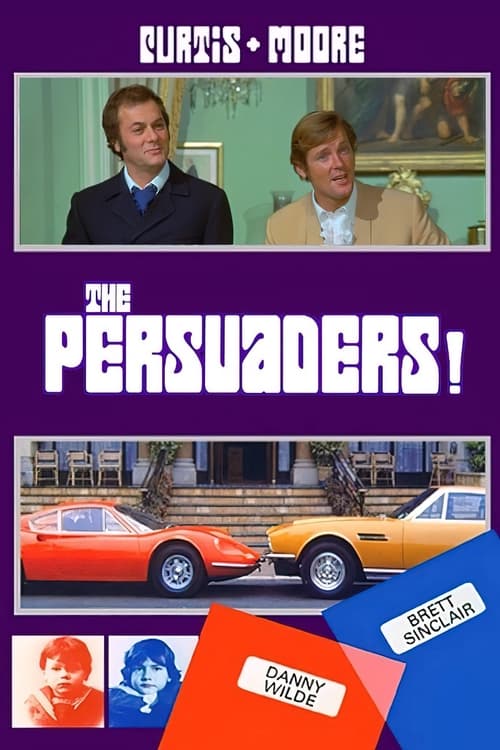
An English aristocrat and an American millionaire come together to tackle crime.
The Persuaders!

Introducing the Walmington-On-Sea home guard. During WW2, in a fictional British seaside town, a ragtag group of Home Guard local defense volunteers prepare for an imminent German invasion.
Dad's Army

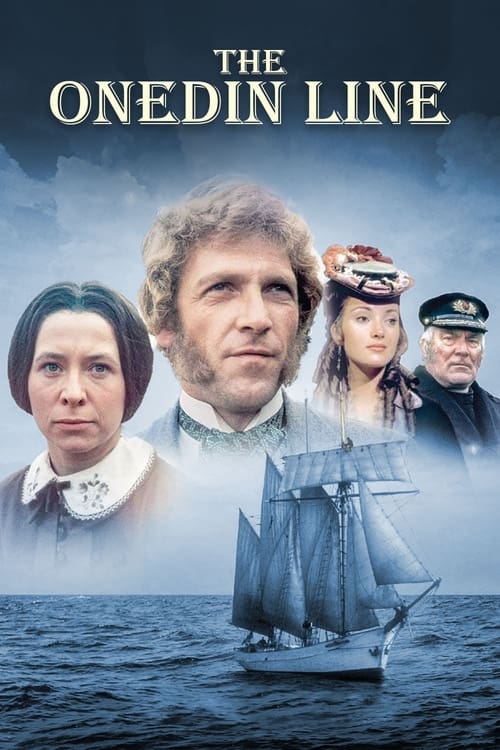
The Onedin Line is a BBC television drama series which ran from 1971 to 1980. The series was created by Cyril Abraham. The series is set in Liverpool from 1860 to 1886 and deals with the rise of a shipping line, the Onedin Line, named after its owner James Onedin. Around this central theme are the lives of his family, most notably his brother and partner, shop owner Robert, and his sister Elizabeth, giving insight into the lifestyle and customs at the time, not only at sea, but also ashore. The series also illustrates some of the changes in business and shipping, such as from wooden to steel ships and from sailing ships to steam ships. It shows the role that ships played in affairs like international politics, uprisings and the slave trade.
The Onedin Line

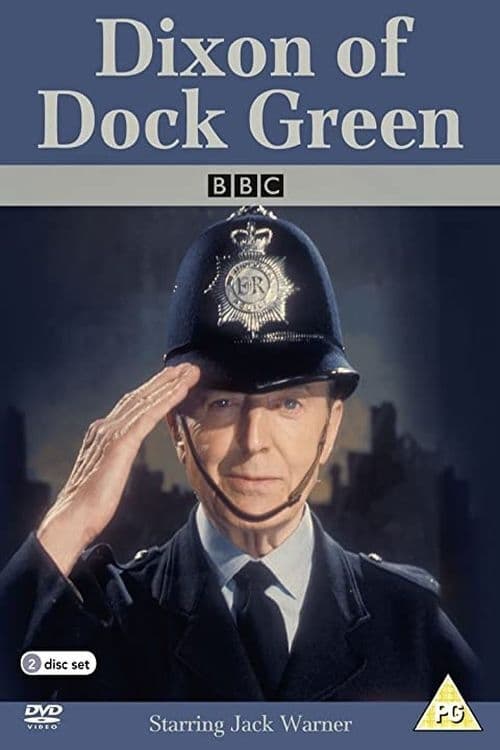
Dixon of Dock Green was a BBC television series following the activities of police officers at a fictional Metropolitan Police station in the East End of London from 1955 to 1976. Some episodes were later remade as a BBC radio series in 2005 and 2006.
Dixon of Dock Green
An anthology of single plays offering up adaptations of either of prominent stage plays or novels.
Festival

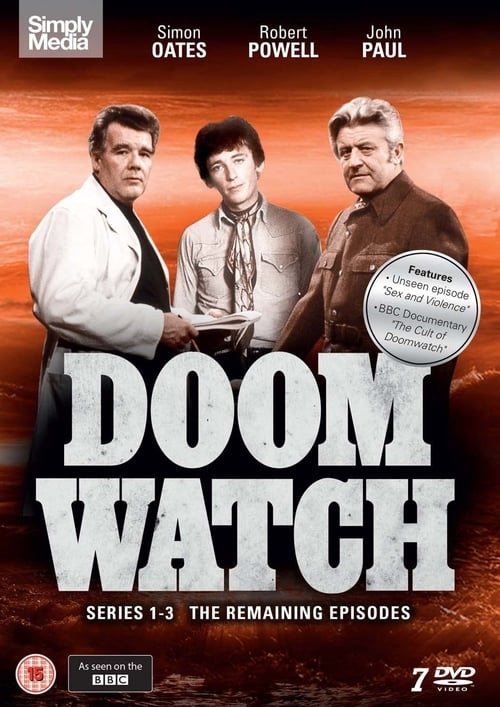
Doomwatch is a British science fiction television programme produced by the BBC, which ran on BBC 1 between 1970 and 1972. The series was set in the then present-day, and dealt with a scientific government agency led by Doctor Spencer Quist, responsible for investigating and combating various ecological and technological dangers. The series was followed by a film adaptation produced by Tigon British Film Productions and released in 1972, and a revival TV film was broadcast on Channel 5 in 1999.
Doomwatch

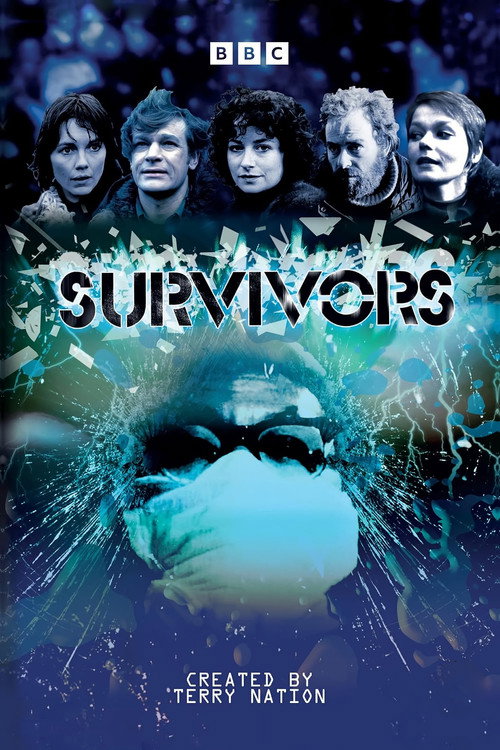
Survivors is a British post-apocalyptic fiction television series devised by Terry Nation and produced by Terence Dudley at the BBC from 1975 to 1977. It concerns the plight of a group of people who have survived an accidentally released plague – referred to as "The Death" – that kills nearly the entire human population of the planet.
Survivors

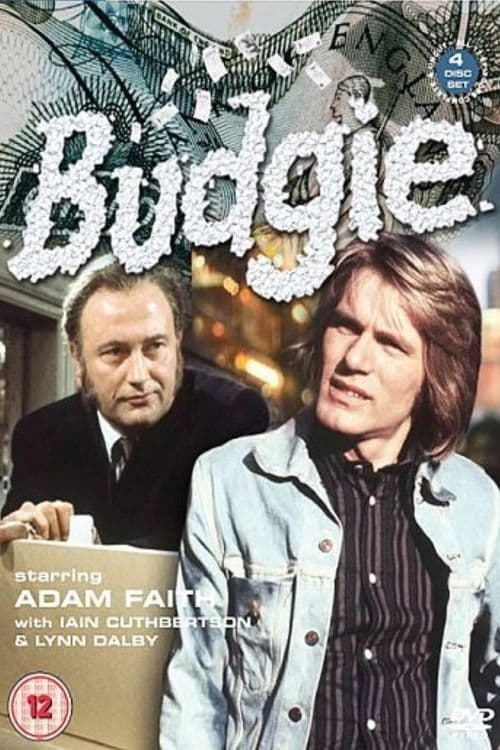
Budgie is a popular British television series starring former popstar Adam Faith which was produced by ITV company London Weekend Television and broadcast on the ITV network between 1971 and 1972. The series was created by Keith Waterhouse and Willis Hall . The show was produced by Verity Lambert, Rex Firkin was the Executive producer.
Budgie

Anthology series telling suspenseful tales.
Suspense

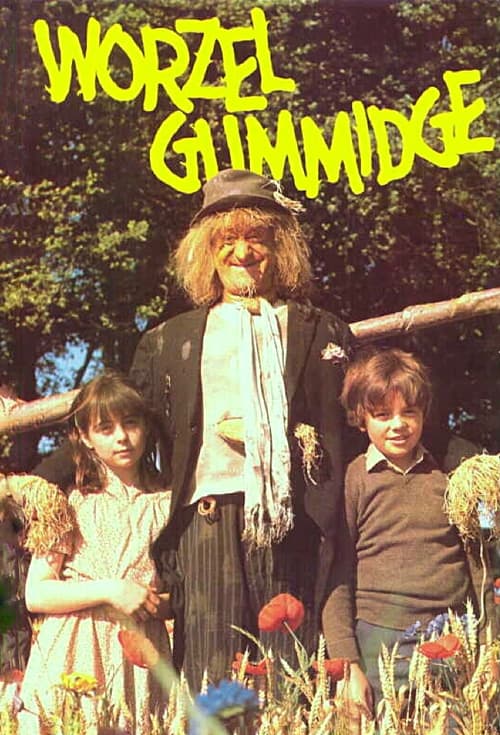
Worzel Gummidge is a children's comedy series, produced by Southern Television for ITV, based on the books by Barbara Euphan Todd. Starting in 1979, the programme starred Jon Pertwee in the title role and ran for four series in the UK until 1981. Channel 4 reprised the show in 1987 as Worzel Gummidge Down Under, which was set in New Zealand.
Worzel Gummidge
This is a series of thrillers designed to keep the audience on the edge of their seats.
Menace

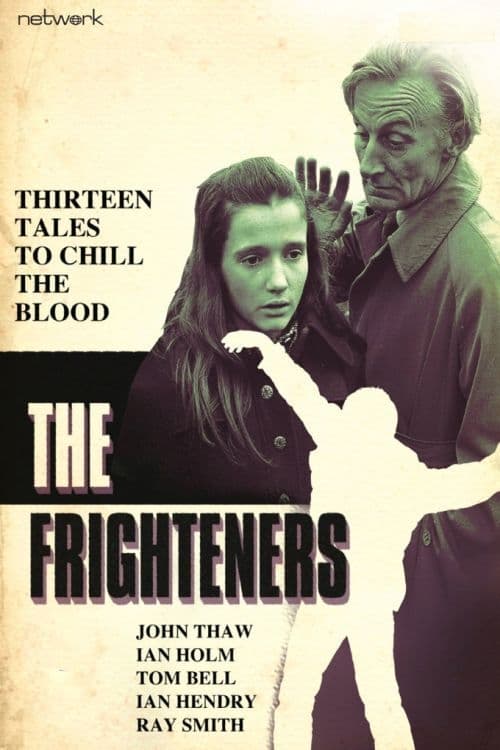
A horror anthology series, with each episode featuring a different eerie tale.
The Frighteners
Brett, a journalist with a taste for the high life and a penchant for trouble. a powerful and ambitious man who would become a tycoon, but with his shady past catching up with him, brings him conflict with people he had crossed.
Brett

Armchair Theatre is a British television drama anthology series of single plays that ran on the ITV network from 1956 to 1974. It was originally produced by Associated British Corporation, and later by Thames Television from mid-1968.
Armchair Theatre

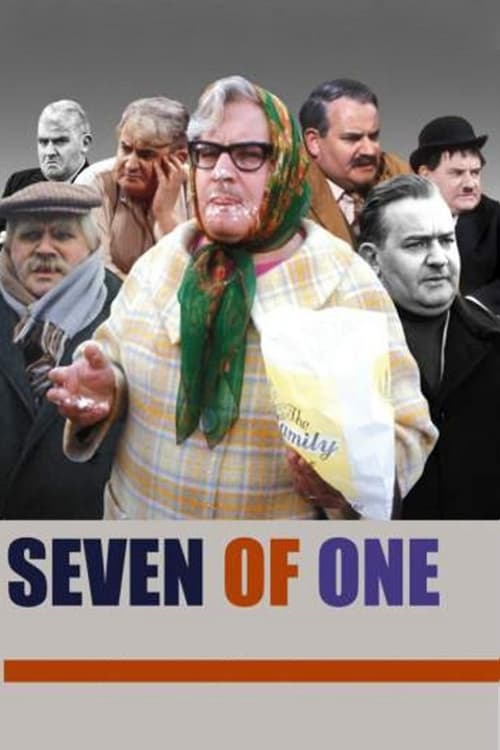
Seven of One is a 1973 BBC2 comedy anthology starring Ronnie Barker. 7 of 1 is a series of seven separate comedies that would serve as possible pilots for sitcoms, three of which were picked up for a full series run. Originally called Six of One, which Barker planned to follow up with another series called Half Dozen of the Other.