Tony Aitken
Acting
Biography
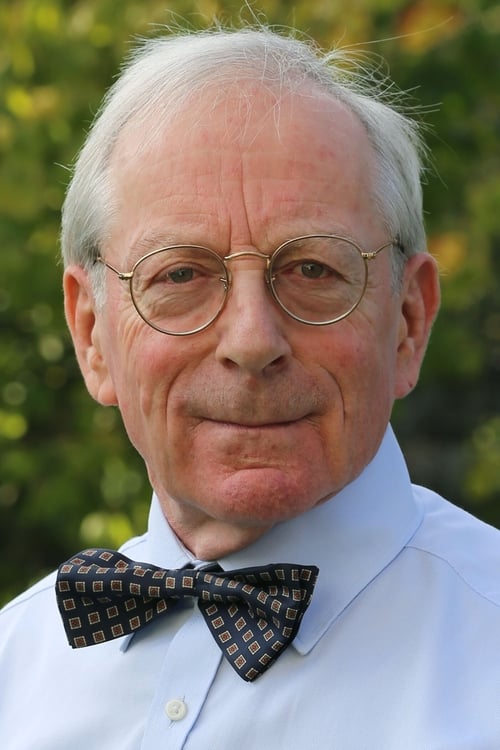
Tony Aitken is an English actor, known for playing a variety of parts in popular television programmes. He attended Belmont Abbey School, Hereford, 1959–64. He was active in the amateur dramatic society, appearing in many revues, plays and Gilbert and Sullivan productions. He acted with Neville Buswell another student at the school. Trained as a Drama and Art Teacher at St. Mary's University College, London 1964–67. Over a forty five year career in theatre and TV, he has appeared regularly in series such as The Sweeney, Porridge, The Mistress, Agatha Christie's Poirot, Holby City, Casualty, End of Part One and No. 73, in films such as Robin Hood Junior, Jabberwocky, Quincy's Quest and The Remains of the Day in which he played the Postmaster. Sharpe (sharpe’s revenge) as a clark in the war office who hands sharpe his orders posting him to Yorkshire. This page is based on a Wikipedia article written by contributors. Text is available under the CC BY-SA 4.0 license; additional terms may apply.
Known For

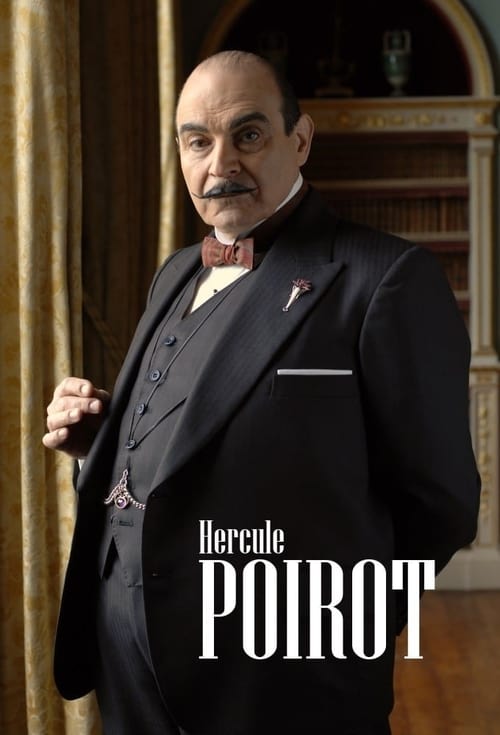
From England to Egypt, accompanied by his elegant and trustworthy sidekicks, the intelligent yet eccentrically-refined Belgian detective Hercule Poirot pits his wits against a collection of first class deceptions.
Agatha Christie's Poirot

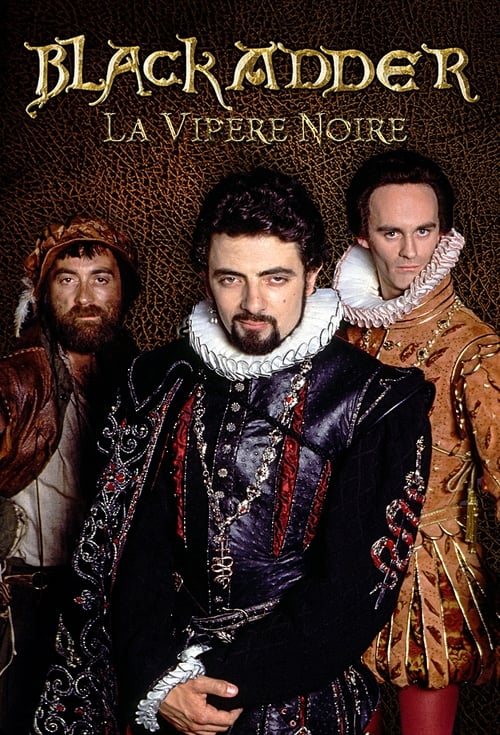
Blackadder traces the deeply cynical and self-serving lineage of various Edmund Blackadders throughout British history, from the muck of the Middle Ages to the frontline of The Great War.
Blackadder

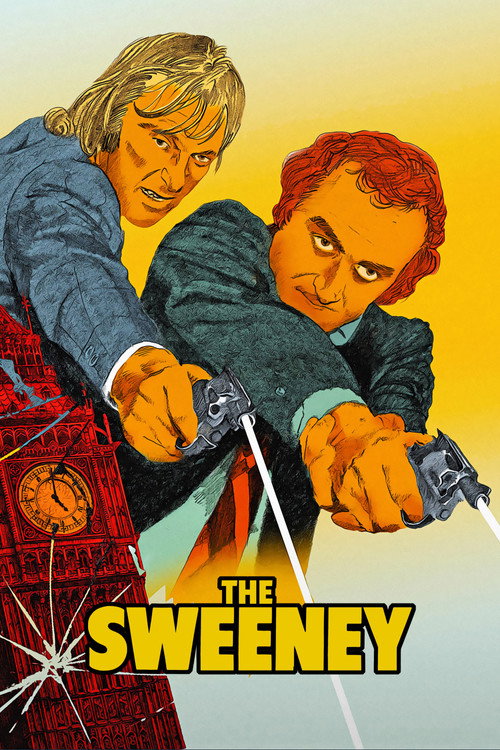
Jack Regan, an unethical officer of the Flying Squad, uses unorthodox methods to pursue criminals with the help of his partner, George Carter.
The Sweeney

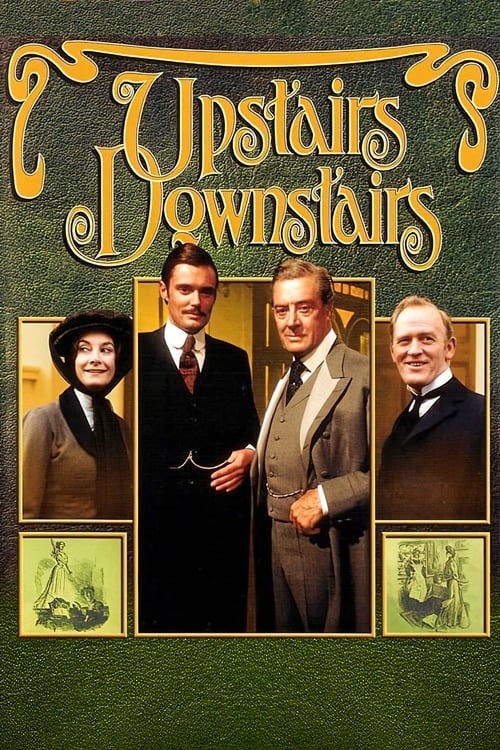
Upstairs: the wealthy, aristocratic Bellamys. Downstairs: their loyal and lively servants. For nearly 30 years, they share a fashionable townhouse at 165 Eaton Place in London’s posh Belgravia neighborhood, surviving social change, political upheaval, scandals, and the horrors of the First World War.
Upstairs, Downstairs

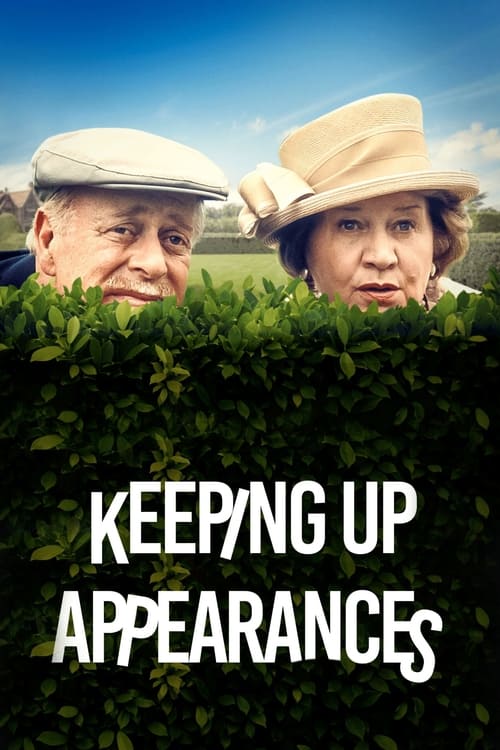
Hyacinth Bucket (whose name, she insists, is pronounced "Bouquet") is a suburban housewife in the West Midlands. She would be the first to tell you that she is a gracious hostess, a respected citizen, and a well-connected member of high society. If you don't believe that, just ask her best friend Elizabeth, held captive in Hyacinth's kitchen; or the postmen and neighbours who bristle at the sound of her voice; or Richard, her weary and compliant husband. In fact, Hyacinth's reputation could be as perfect as her new lounge set, if not for her senile father's love of running wild in the nip. Oh, and she would prefer it if her brother-in-law was a sharper dresser. And that her husband was more ambitious. And that her sisters were more presentable. And do take your shoes off before you come in the house, dear. Mind that you don't brush against the wallpaper.
Keeping Up Appearances

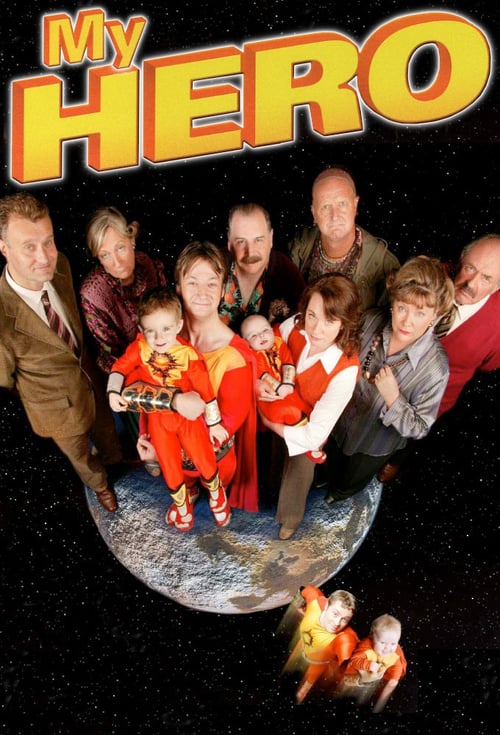
My Hero is a BBC sitcom created by Paul Mendelson. The programme ran for six series, first broadcast in February 2000, and concluding in September 2006. The series follows the antics of the dim-witted superhero "Thermoman", portrayed by Ardal O'Hanlon in series one to five and by James Dreyfus in the final series. The series was regularly directed by John Stroud. In the UK, the digital channel Gold regularly re-runs the programme, although the last series has yet to appear on the channel. In the United States it was shown on PBS and, briefly, BBC America. In Australia, UKTV offered re-runs of the first three series, while BBC Entertainment provided repeats for Scandinavia.
My Hero

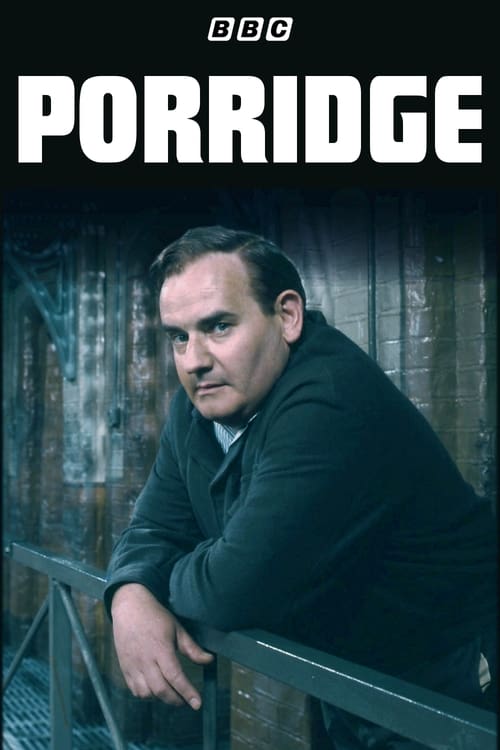
Porridge is a British situation comedy broadcast on BBC1 from 1974 to 1977, running for three series, two Christmas specials and a feature film also titled Porridge. Written by Dick Clement and Ian La Frenais, it stars Ronnie Barker and Richard Beckinsale as two inmates at the fictional HMP Slade in Cumberland. "Doing porridge" is British slang for serving a prison sentence, porridge once being the traditional breakfast in UK prisons. The series was followed by a 1978 sequel, Going Straight, which established that Fletcher would not be going back to prison again. Porridge was voted number seven in a 2004 BBC poll of the 100 greatest British sitcoms.
Porridge

Open All Hours is a British television sitcom created and written by Roy Clarke, starring Ronnie Barker as penny-pinching corner-shopkeeper Albert Arkwright, and David Jason as his nephew and assistant Granville. The programme originated as a 1973 episode of Barker’s comedy anthology Seven of One, and later ran for 26 episodes; the first series broadcast on BBC2, the remaining three series broadcast on BBC1.
Open All Hours
No 73, later re-titled 7T3, was a British 1980s children's TV show produced by Television South for the ITV network. It was broadcast live on Saturday mornings and ran from 1982 to 1988. The show starred, amongst others, Sandi Toksvig, Neil Buchanan, Andrea Arnold, Kim Goody and Richard Waites. When Television South won the contract to provide ITV coverage for the South of England in 1980, the first thing they set up was a children's department. A team put together with a background in theatre and drama, soon decided to produce a Saturday morning show that differed from the usual Tiswas and Saturday Superstore formula: This show would feature actors in character as hosts, performing their own comedic storyline around the usual guests, music videos, competitions and cartoons. Much of the show was improvised, and a whole week of rehearsals plus an extensive dress rehearsal on Friday preceded each live broadcast on Saturday morning.
No. 73

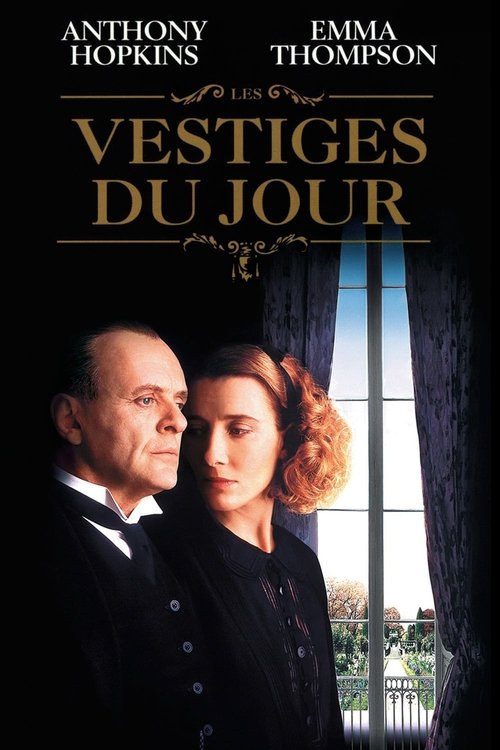
A rule-bound head butler's world of manners and decorum in the household he maintains is tested by the arrival of a housekeeper who falls in love with him in post-WWI Britain. The possibility of romance and his master's cultivation of ties with the Nazi cause challenge his carefully maintained veneer of servitude.
The Remains of the Day

In Loving Memory is a British period sitcom set in an undertakers business that starred Thora Hird and Christopher Beeny. A pilot was transmitted in 1969 by Thames Television who rejected the idea before it was finally accepted by Yorkshire Television in 1979 where it further ran for five series between until 1986.
In Loving Memory

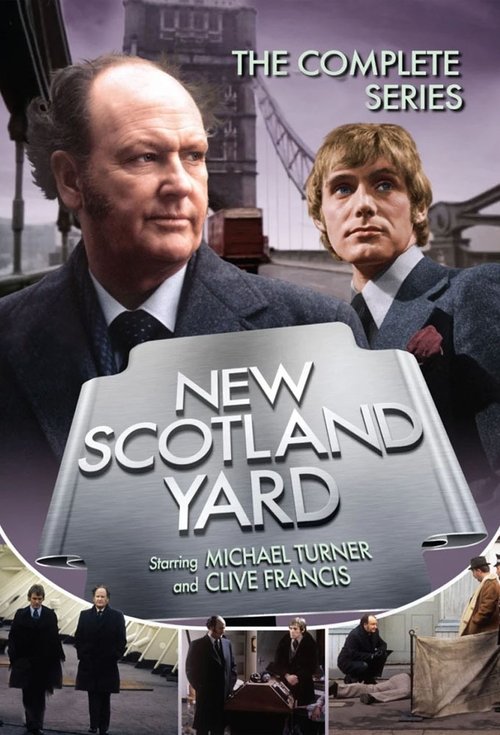
New Scotland Yard is a police drama series produced by London Weekend Television for ITV from 1972 and 1974. It features the activities of two officers from the Criminal Investigations Department in the Metropolitan Police force headquarters at New Scotland Yard, as they dealt with the assorted villains of the day.
New Scotland Yard

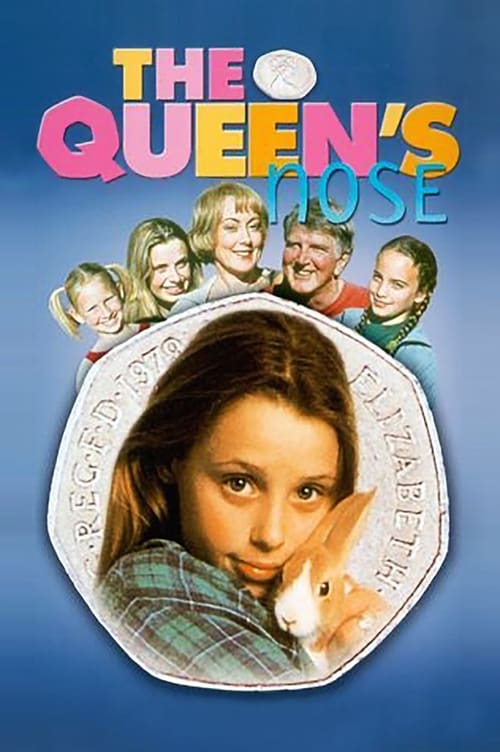
Children's series about a magic coin that can grant wishes.
The Queen's Nose
A situation comedy about divorcee James Shepherd, a charismatic vet, who struggles to run both a successful surgery and a home for his two teenage children.
Close to Home

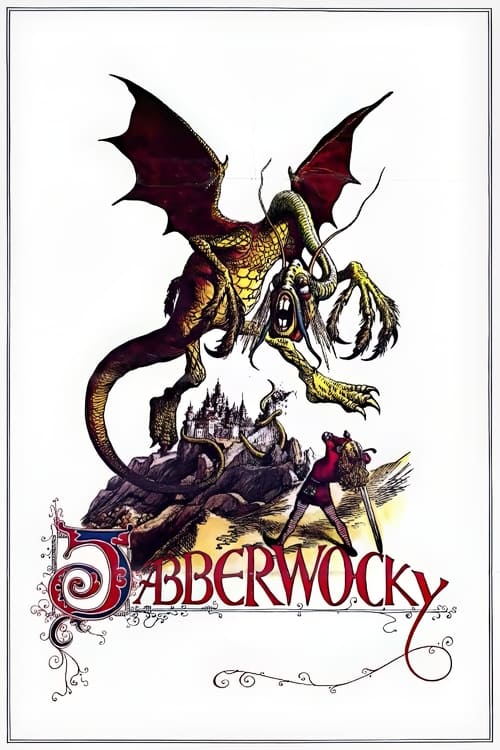
After the death of his father, young Dennis Cooper goes to town where he has to pass several adventures. The town and the whole kingdom is threatened by a terrible monster called 'Jabberwocky'. Will Dennis make his fortune? Is anyone brave enough to defeat the monster?
Jabberwocky

A writer begins to discover that his femme fatale character has come to life in the real world.
Calliope
End of Part One was a British television comedy sketch show written by David Renwick and Andrew Marshall, it was made by London Weekend Television. It ran for two series on ITV, from 1979 to 1980 and was an attempt at a TV version of The Burkiss Way. The first series concerned the lives of Norman and Vera Straightman, who had their lives interrupted by various television personalities of the day. The second series was mainly a straight succession of parodies of TV shows of the time, including Larry Grayson's Generation Game and Nationwide.
End of Part One

A brilliant but misguided man feels that he has the right to decide who is worth their place on earth.
The Arbiter

England, Summer 1814. Sharpe returns to England, with his reputation fully restored. He is soon ordered to the North of England to take command of a local militia force in his home town as it is troubled with unrest and machine-breakers. Sharpe finds that he is torn between two sides - that of the corrupt gentry and that of his own people, the rough, tough and spirited masses who are kept down by their superiors. He finds himself faced with one of the hardest decisions of his life.
Sharpe's Justice

It's the night before Christmas, and all the toy store rejects are due to be tossed into the furnace. This includes Quincy, a most lifelike doll. In a last ditch effort to save himself and his "unwanted" chums from incineration, he goes on a long and perilous journey in search of the only one who can save them: Santa Claus.