Ann Bannon
Acting
Biography
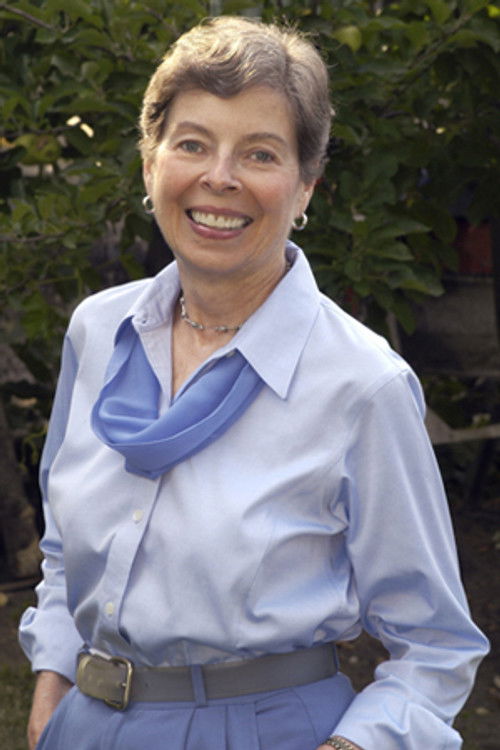
Ann Bannon (born Ann Weldy; September 15, 1932) is an American author best known for writing The Beebo Brinker Chronicles, a landmark series of lesbian pulp fiction novels first published between 1957 and 1962 that have earned her the title “Queen of Lesbian Pulp Fiction.” The books—Odd Girl Out, I Am a Woman, Women in the Shadows, Journey to a Woman, and Beebo Brinker—have been reissued multiple times, translated into several languages, and are studied in women’s and LGBT studies courses for their influential portrayal of queer life in mid-20th-century America. After a career in academia, including earning a doctorate in linguistics and serving as a professor and associate dean at California State University, Sacramento, Bannon’s work has been adapted for the stage and recognized for its lasting impact on LGBTQ+ literature.
Known For

Ten women in Canada talk about being lesbian in the 1940s, 1950s, and 1960s: discovering the pulp fiction of the day about women in love, their own first affairs, the pain of breaking up, frequenting gay bars, facing police raids, men's responses, and the etiquette of butch and femme roles. Interspersed among the interviews and archival footage are four dramatized chapters from a pulp novel, "Forbidden Love".
Forbidden Love: The Unashamed Stories of Lesbian Lives

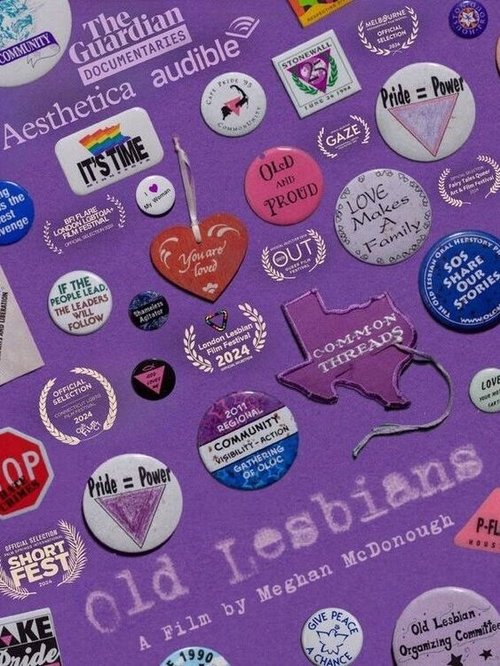
For the last quarter century, Houston native Arden Eversmeyer journeyed across the country to record hundreds of oral "herstories" with a mostly invisible population that is rapidly disappearing. Old Lesbians honors Arden's legacy by animating the resilient, joyful voices she preserved in the Old Lesbian Oral Herstory Project, from first crush to first love, from the closet to coming out, and finally from loss to connection.
Old Lesbians

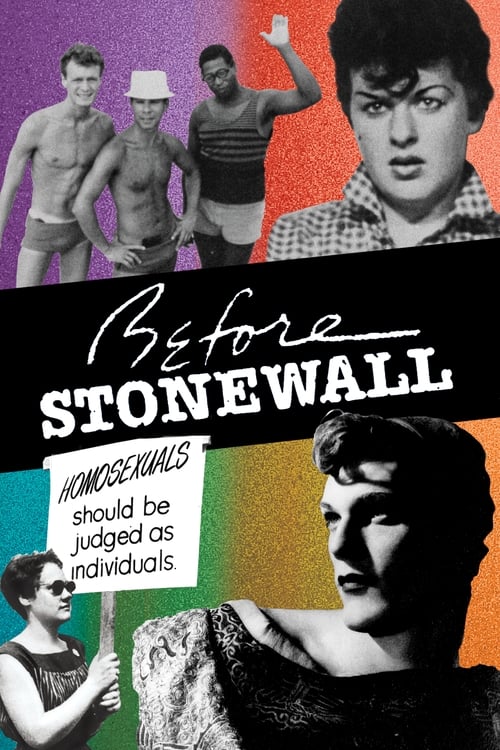
New York City's Stonewall Inn is regarded by many as the site of gay and lesbian liberation since it was at this bar that drag queens fought back against police June 27-28, 1969. This documentary uses extensive archival film, movie clips and personal recollections to construct an audiovisual history of the gay community before the Stonewall riots.