
Adrianna Biedrzyńska
Acting
Known For

No description available.
Barwy szczęścia

The Ten Commandments, exact and uncompromising, literally cast in stone, continues to provide a source of moral conflict in contemporary society. In the ten part epic masterpiece, The Decalogue, Krzysztof Kieslowski examines the dilemma of fundamental sin in the lives of ordinary Warsaw citizens.
Dekalog

No description available.
Rafi
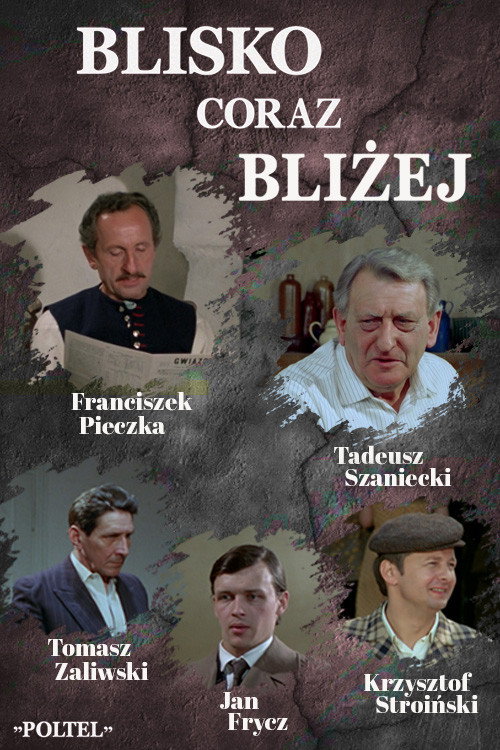
The story stretches from 1863 to 1945. Its main characters are representatives of the Pasternik family, who live in the fictional village of Wielowice near Pszczyna. The protagonist of the first three episodes is Franciszek Pasternik, the following parts tell about the fate of his many children and even more grandchildren. The viewer follows their history against the backdrop of great changes and historical events that influenced the lives of Silesian Poles. So there is the Kulturkampf, Prussian rugi, the revolution of 1905, World War I and the Silesian Uprisings.
Blisko, coraz bliżej
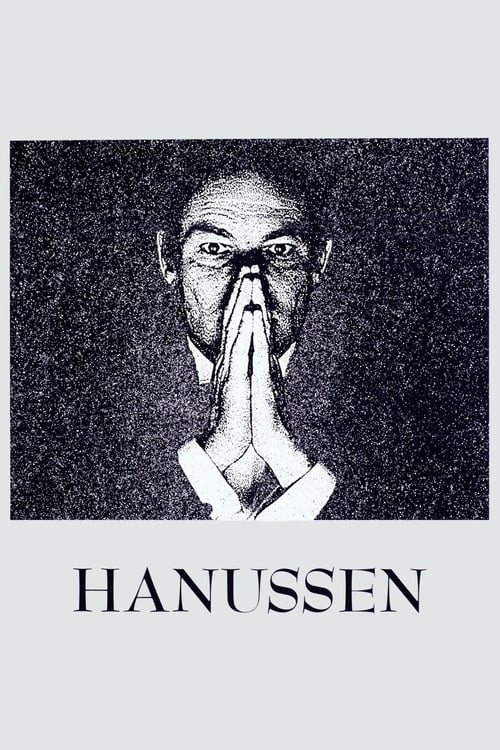
A man's story parallels Hitler's rise. Austrian Klaus Schneider, wounded in World War I, recovers in the care of Dr. Emil Bettleheim. Bettleheim discovers that Schneider possesses powers of empathy and of clairvoyance, such that could aid suicidal patients. After the war, with one friend as his manager and another as his lover, Schneider changes his name to Eric Jan Hanussen and goes to Berlin, as a hypnotist and clairvoyant performing in halls and theaters. He always speaks the truth, which brings him to the attention of powerful Nazis. He predicts their rise (good propaganda for them) and their violence (not so good). He's in pain and at risk. What is Hanussen's future?
Hanussen
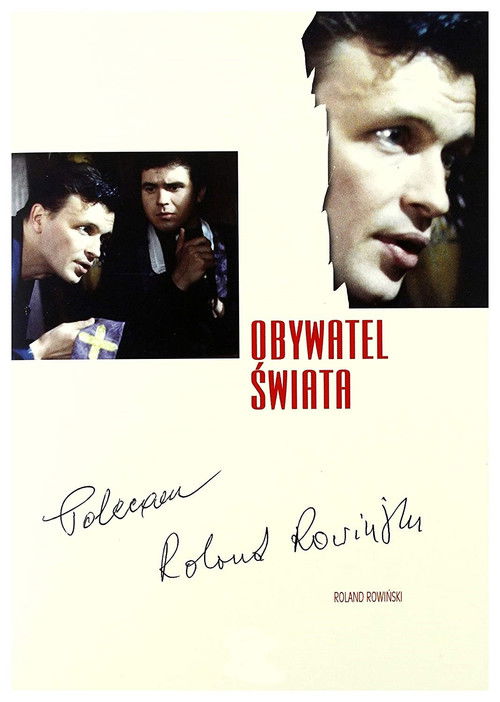
Old friends come to the reunion of alumni, for whom the meeting after many years is an opportunity for memories, but also comparisons of who have been most successful in their lives.
Obywatel świata
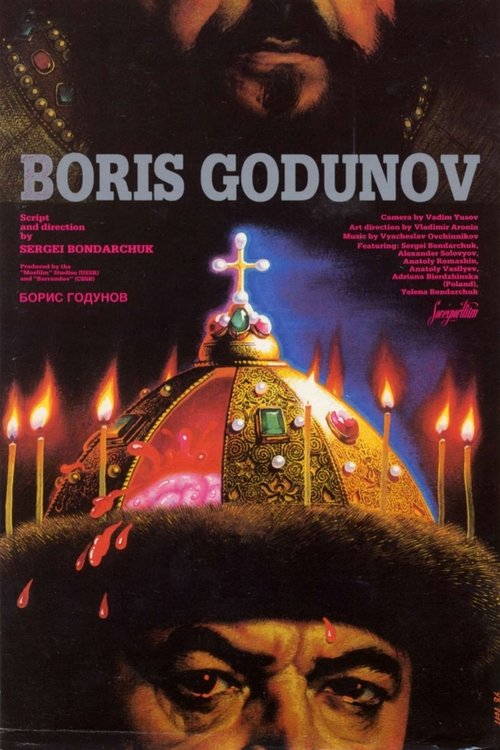
Praised for its fine photography and production design if not its narrative, Sergei Bondarchuk directed this adaptation of the tale by Alexander Pushkin. Boris Godunov came to the Czarist throne at the end of the 16th century, after the original heir to Ivan the Terrible had died. At first, things went well for Godunov (played by Bondarchuk), but when the Russian people began to believe he had killed Ivan the Terrible's son in order to gain the throne, an alliance sprang up against the new Czar. Events continued to spin out of control as a young monk was presented as the son Godunov had supposedly killed. Now he was openly accused of failing an assassination attempt, which seems to be even worse than succeeding. In addition to these woes, Boris Godunov began to suffer serious health problems. So much for the joys of kingship.
Boris Godunov

A father and daughter, Michał and Anka, have a unique intimacy, which the college-aged Anka is beginning to feel conflicted about. When she finds an unopened letter from her deceased mother, it seems to justify her attraction to Michał, who may not in fact be her father.
Decalogue IV
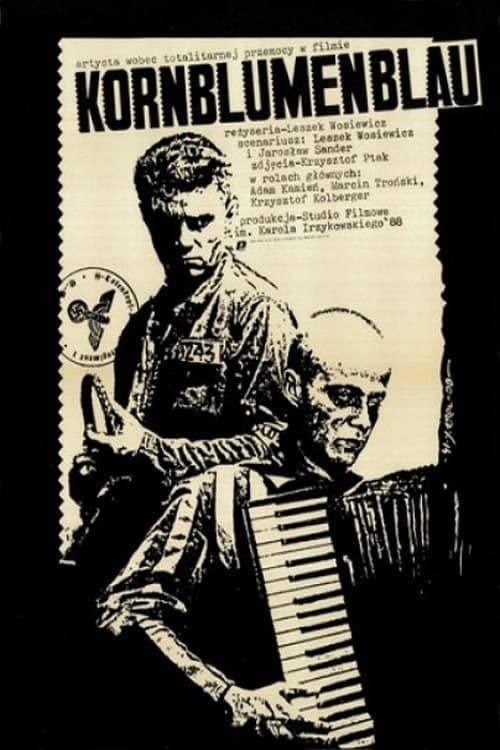
Based on a true story of a Polish musician who survived the concentration camp only because he could play on the accordion the title melody.
Kornblumenblau

Laguna was once a great soccer player whose career was interrupted by an injury. He spent years climbing the ranks to become an international referee. He sees the prevailing arrangements, manipulations, and bribery around him. Now desperate, he decides to stage an extraordinary culmination of his career: he wants to create a so-called "miracle Sunday" by "printing" the final round of games - taking substantial bribes from the interested clubs and manipulating the matches so that the results align in the order he set up.
Soccer Poker
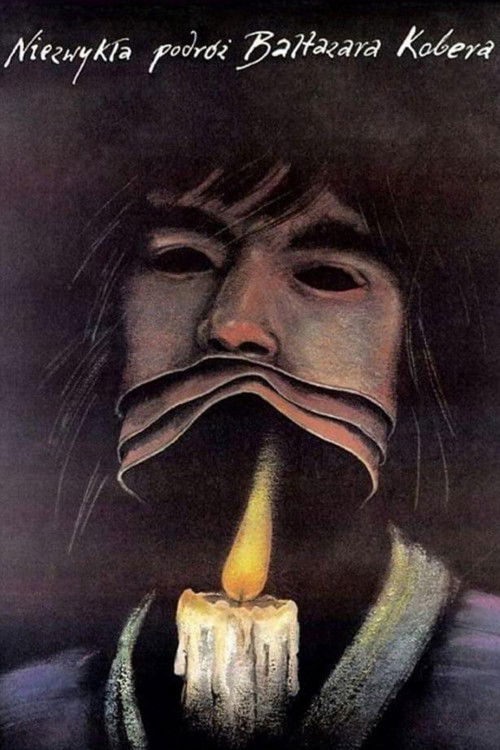
Story about the young Balthazar thrown from one remarkable event to the other. On his way through a plague hit the landscape, he meets the Kabbalists, priests - and himself.
The Tribulations of Balthazar Kober

Early 1960s. Four friends, Admiral, Ataman, Pasha and Chief, walk the streets of the town all day or sit at the train station, wallowing in their dreams. Everything changes when the Admiral meets Marta, a student on an internship. The boy begins to prefer the company of the girl over that of his colleagues. This becomes the cause of misunderstandings between friends. Soon, however, Marta leaves.
By the River Nowhere

Based on a true story dating back to 1985 when two Polish boys, a teenager and his little brother, escaped from communist Poland all the way to Sweden, hidden under a truck. In the movie, their destination has been changed to Denmark.
300 Miles to Heaven
The film was inspired by one of the most important documentaries shot by Krzysztof Kieślowski, Talking Heads (1980). The director asked his interlocutors seemingly simple questions, such as “Who are you?” and “What do you want?”.
Talking Heads 2021
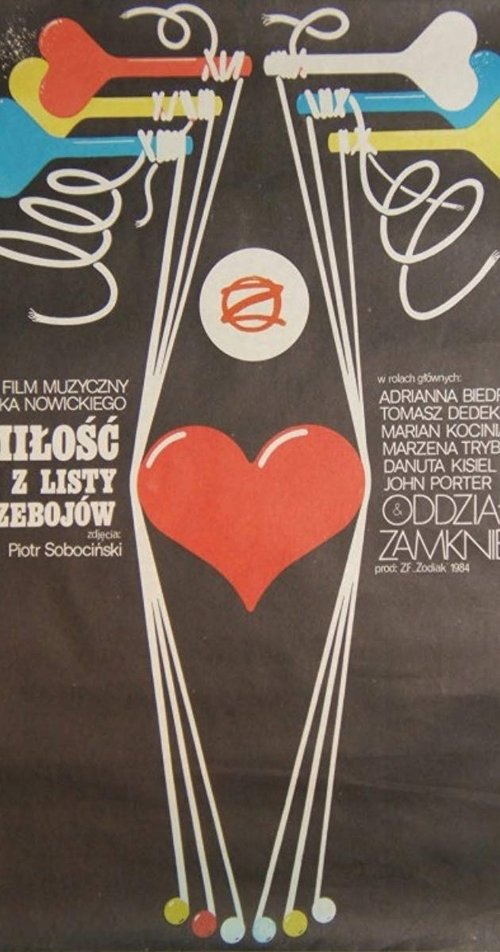
Peter and Eliza are vacationing in the Mazury region. After an argument with her boyfriend, the girl leaves him and goes away. Meanwhile, Eliza's father Jul, a sculptor, organizes a reunion of former members of the student theater in which he performed years ago.
Miłość z listy przebojów
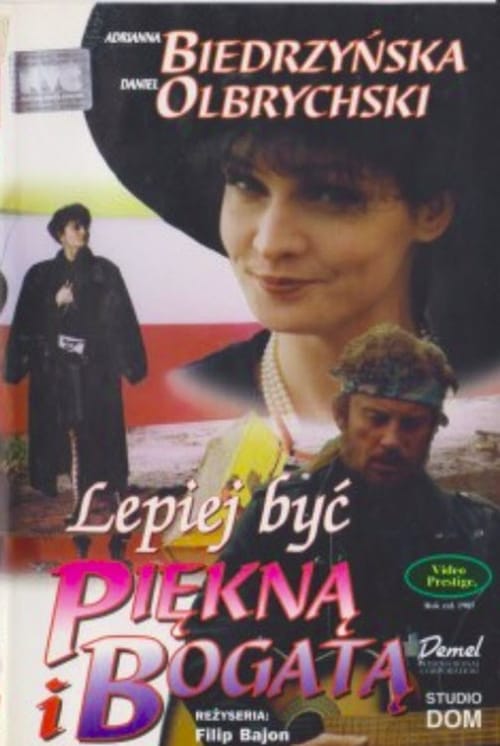
There is a strike at the spinning mill in Łódź. Among the protesters, Dorota Waltz, the granddaughter of the factory's founder and owner, stands out. Soon, a lawyer arrives from France who, under the terms of the will, makes Dorota the sole owner of the company. As Dorota is not lacking in nerve and cunning, she quickly finds her feet in the role of a businesswoman. She decides to save the factory from bankruptcy at all costs. The lawyer helps her, but not selflessly. He wants to take over the girl's fortune and merge it with his wife's clothing company in France.
Lepiej być piękną i bogatą
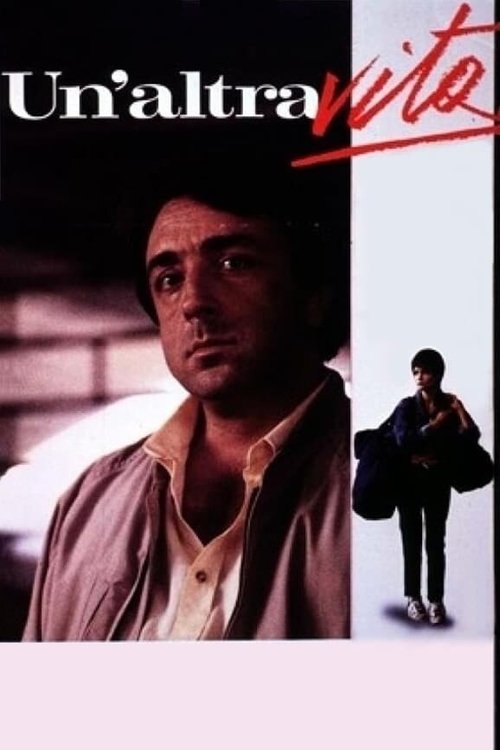
Saverio, a dentist, comes out as naive as usual while he falls in love with Alia, a Russian immigrant he met in Rome. He must now deal with issues a guy like him would never have thought to come across.
Un'altra vita

Two sisters, a journalist and a student, are struggling with financial problems. They decide to save their budget by stealing from wealthy men. They break into their apartments through windows in order to realize their American dream...
The Spider Women
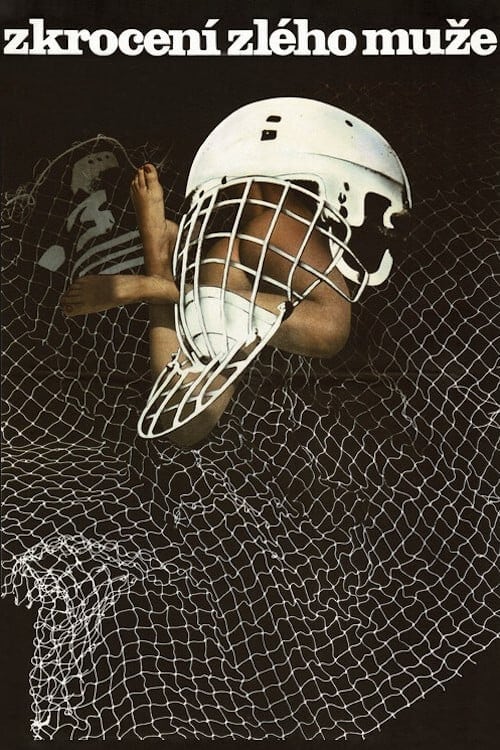
Tereza lives and works in Prague. She meets a handsome man, Tommie, speaking in a language incomprehensible to her. It seems that he is the manager of the Finnish ice hockey team. A love story starts to blossom. When the coach of the Czech ice hockey team tries to use Tereza to retrieve information about the strategy of the Finnish team, Tommie leaves Tereza. Will Tereza be able to clear up this misunderstanding?
Fair Play

Ludwik starts one of the best high schools in Krakow. His life changes with a growing storm of conflicting emotions. First love infatuations, sexual contacts, a rebellion against unjust authorities and the desire to imitate his idol, Marek, an older boy who who fought in the Warsaw Uprising in 1944.