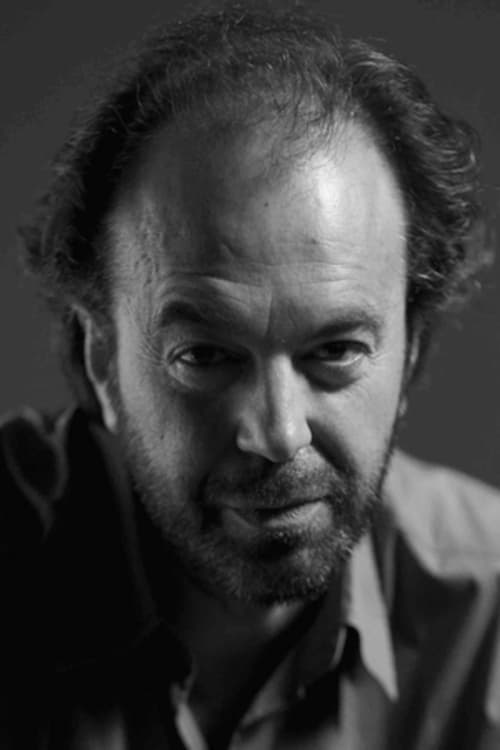
Ghassan Salhab
Directing
Known For
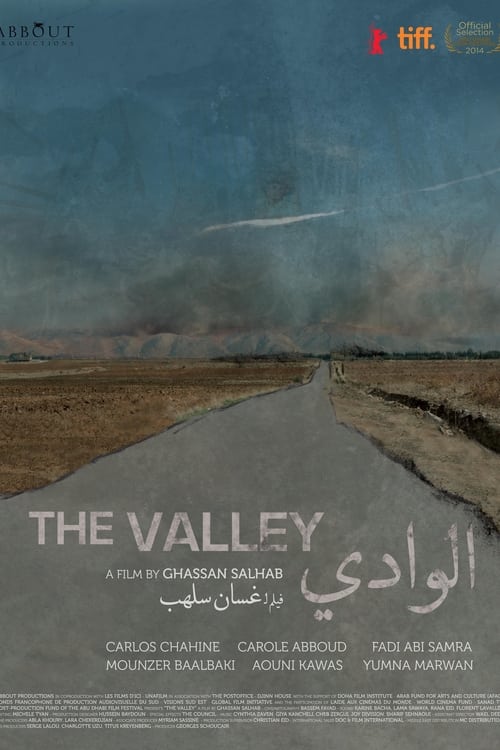
After surviving a car crash in the middle of Lebanon's isolated Beqaa Valley, an amnesiac man finds himself held hostage on a local farm that doubles as an illegal drug-production facility.
The Valley
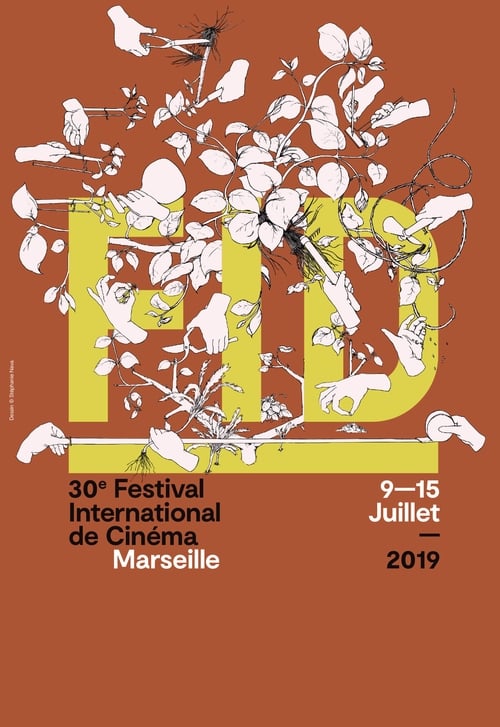
For the 30th anniversaire of FIDMarseille about thirty directors have done us the honor of offering us some very beautiful short films.
30th anniversaire of FIDMarseille
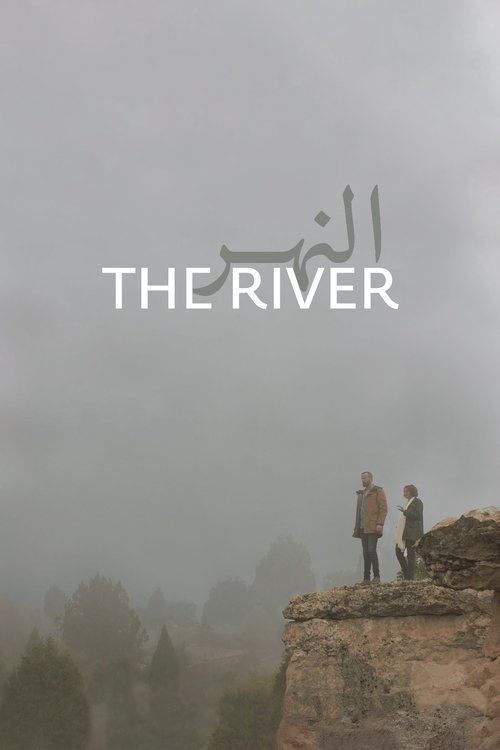
It's autumn. A man and a woman are about to leave a restaurant situated in the heart of the Lebanese mountains. They are suprised by fighter planes screaming past at low altitude. In the distance, war seems to be breaking out once more. Losing sight of the woman, the man starts looking for her. He finds her on the other side of the mountain. Together they sink deeper into nature, which becomes increasingly spectral, just like the slender thread that ties them to each other.
The River
Beyrouth, spring 2020. Is the uprising in Lebanon merely on hold?
Le jour est la nuit

In 1975, the Lebanese wars started when Maroun Bagdadi ended his first feature film "Beirutya Beirut". Did the war give an identity to Lebanese cinema? Productions of documentaries, action movies, actor films, co-productions, and emigration. Since 1975, the war has remained a major subject for feature fiIms shot in Lebanon. This is a history of stories about war and cinema.
Cinema of War in Lebanon
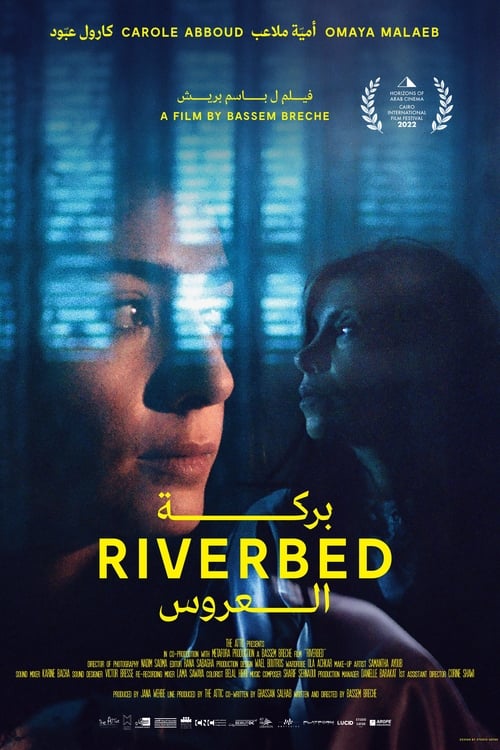
"Riverbed" tells the story of Salma and her returning daughter Thuraya, and their attempt to preserve, maintain and reconstruct their lives with and against each other. Salma survived many years by protecting her independence, she reached her peace through letting go of any attachments. But the past does not let go of Salma and brings back Thuraya, defeated, divorced, and pregnant.
Riverbed

Night falls over Beirut. Fadi, a forty year old, packs his luggage and sets out to the airport with his friend driving him. He is supposed to leave for a month, but instead of going up the plane, he heads to the arrivals section and rents a car. He takes the highway heading North then continues on a mountainous route. Far from anyone, on a deserted highway, a deviation forces him to quit the main road. A distinct sound coming from far is heard; the sound of a car honk. Fadi gets closer and closer to the sound and sees a wrecked car crashed in a tree alongside the road. A couple lay still inside.
The Mountain
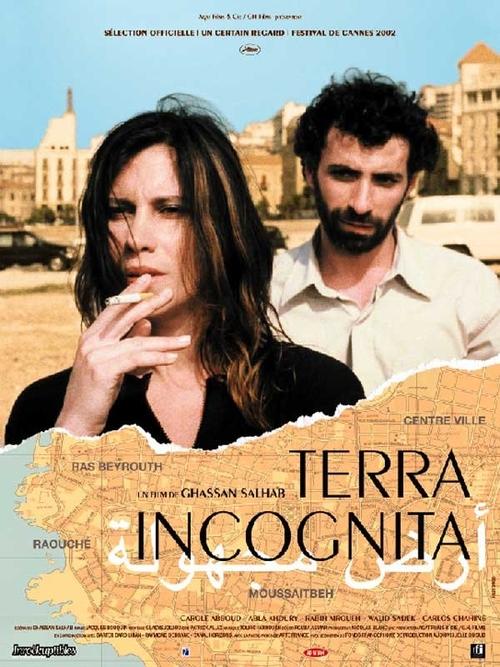
In Beirut, the destinies of several thirtysomethings (an architect, a tour guide, a mystic, a radio operator, and an exile returned home) collide.
Terra incognita

Rosa Luxemburg’s letters from prison form the backbone of Ghassan Salhab’s essayistic collage. Luxemburgs’s lyrical descriptions of nature bear witness to a joie de vivre undimmed by the political situation of the time and are not seen, but rather heard – in both German and Arabic. In connection with images of a wintry Berlin, a polyphony of different overlapping visual and acoustic layers is produced.
An Open Rose
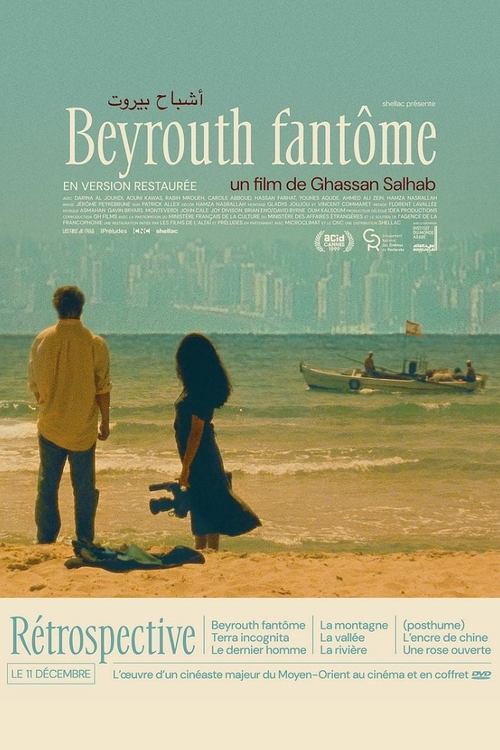
Late in the 1980s it seems like the Lebanese conflict will never end. Khalil returns to Beirut after many years. Ten years earlier, during a battle, he took advantage of the confusion and pretended he was dead.
Beirut Phantom
Following on from the 2006 Israeli aggression on Lebanon, the filmmaker tries to film the destruction of Beirut. We witness a city deserted by life, and ghostly characters who, featured in his earlier films, talk about living through such a war.
Posthumous
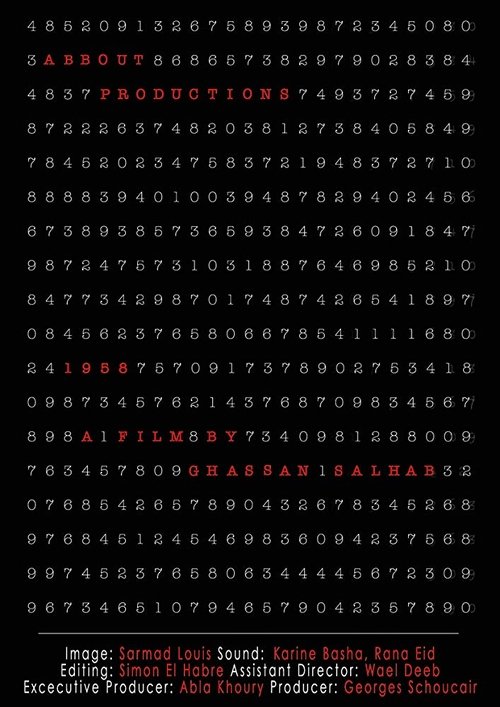
In 1958, in Senegal, land of emigration, Zahia Salhab gave birth to her first child Ghassan. During the same period, Lebanon, their homeland, is driven into a significant local conflict, a preamble to the next civil war.
1958
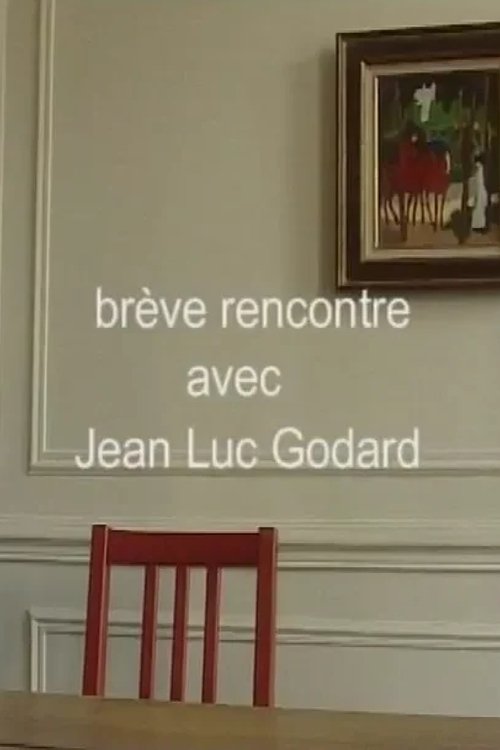
An interview with Jean-Luc Godard around the time of his film Notre Musique.
Brève rencontre avec Jean-Luc Godard ou le cinéma comme métaphore
Each morning Beirut awakens to a new murder seemingly committed by a serial killer, with victims found emptied of their blood. At the same time a doctor, Khalil, begins to experience strange symptoms that destabilise him and transform his life. A connection slowly emerges that seems to link Khalil to these victims. Salhab’s body of films have come to narrate the state of Lebanon – and Beirut in particular – during and after the civil war, and this film is no exception.
The Last Man
Yes, you have to scream louder.
Maintenant
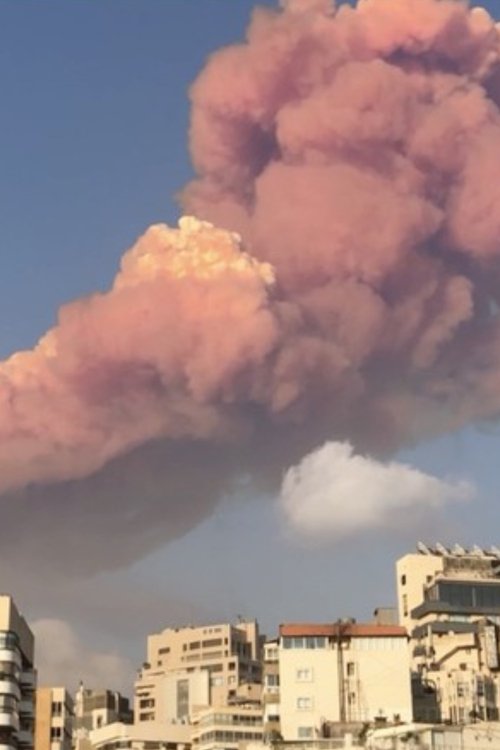
Lebanon, 2019-2023: a chronicle of the uprising, its fading and its end. From collective hope to intimate pain, can cinema resist the irreversible?
Night is Day

If I travel the world from East to West, would it be the same world that I travelled from West to East?
No One’s Rose
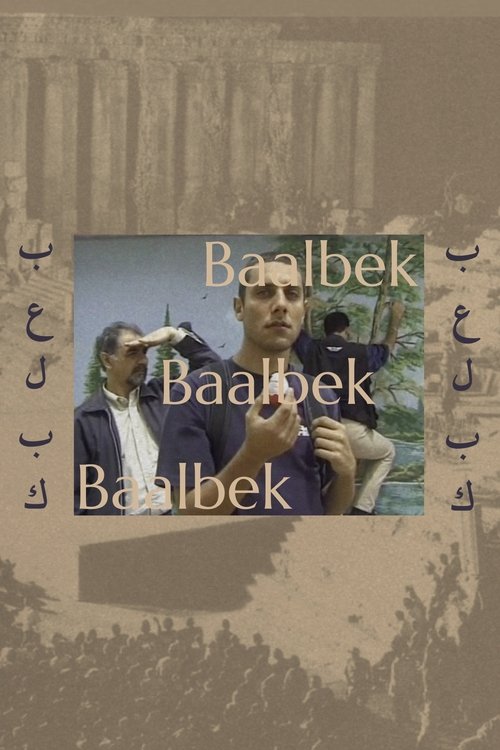
A journalist and a photographer drift on their way between Beirut and Baalbeck. Their journey is repeated three times in three different ways to evoke current issues and confusion in Lebanon’s present state.
Baalbek
What will you do, God, when I die? (R.M. Rilke)
Mon corps vivant, mon corps mort
In Ghassan Salhab’s recent short filmic poems and political documentaries, he deliberately uses minimal images to make eloquent expressions of the desire for a new reality. As Salhab puts it: “The uprising in Lebanon was seriously starting to run out of steam; the first lockdown abruptly interrupted it, temporarily, we think. Now, as Bernard Noël Wrote, we must raise our fists and fight the memory.”