Eva Kolcze
Directing
Biography
Eva Kolcze is a Toronto based artist who creates films and installations that investigate themes of landscape, architecture and the body. Her work has screened at venues and festivals including the National Gallery of Canada, Musée d’art contemporain de Montréal (MAC), Anthology Film Archives, the Gardiner Museum, Nuit Blanche, Cinémathèque québécoise, Birch Contemporary and the Images Festival. She holds a Bachelor of Fine Art from OCAD University and a Master of Fine Art from York University.
Known For

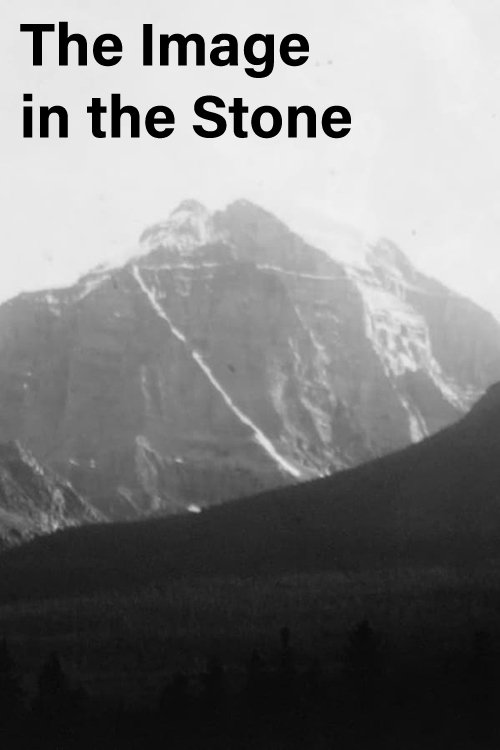
A foggy portrait on snow clad mountains.
The Image in the Stone

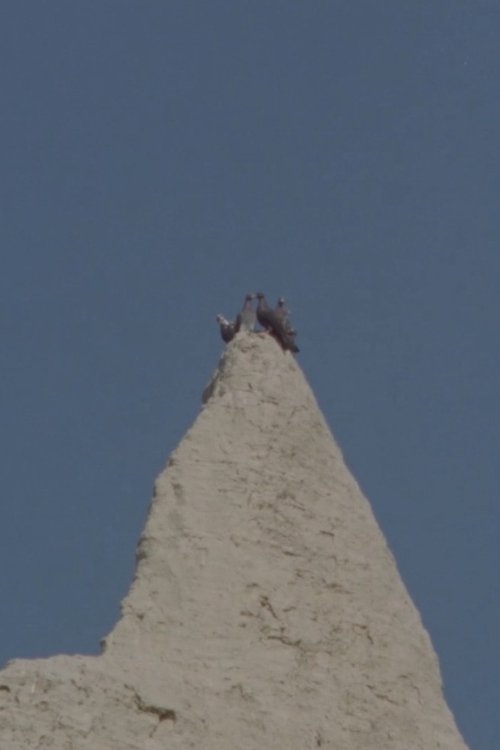
The Cheltenham Badlands are exposed geological formations that once lay beneath an ancient lake. The barren, rolling landscape was sculpted by the water that flowed over it.
Badlands

A study of light and shadows on a late summer afternoon.
Facing the Waves

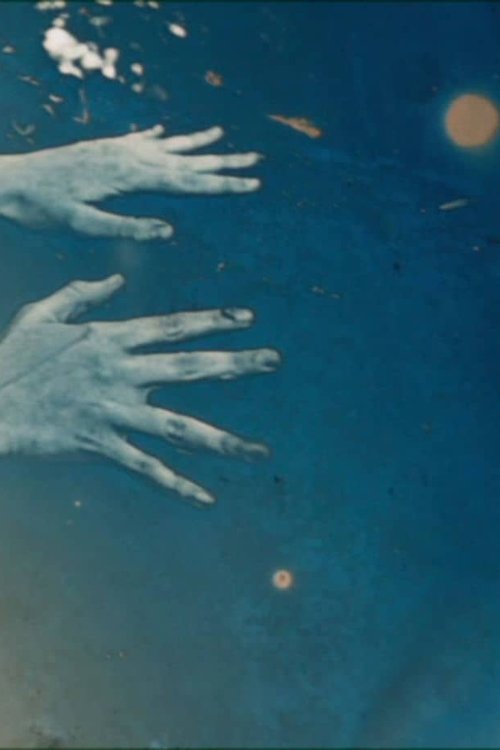
Pendulum examines local plant life and constructed nature preserves, blending still and moving images to represent time's fluidity and its effect on botanical evolution. Through 16mm film and lumen prints created using flowers and vegetation foraged near Todmorden Mills in Toronto, Pendulum questions notions of native and non-native plant species, chronicling their adaptation to rising CO2 levels and severe weather. The project envisions the future evolution of roadside weeds such as asters and goldenrods, now thriving on a former dump site turned wildflower preserve at Todmorden Mills.
Pendulum

A hand processed film exploring the modernist structures of a popular amusement park on the Toronto Islands.
Modern Island

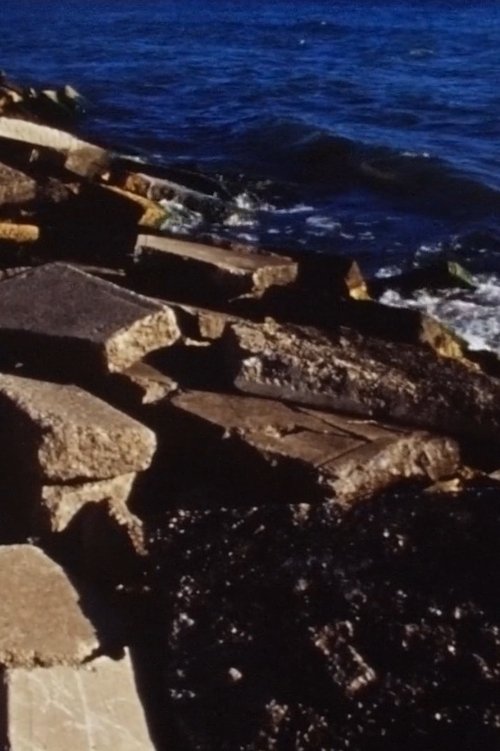
The Toronto islands are subject to flooding and erosion. The ebbs and flows of Lake Ontario / Lake Iroquois have created the islands and will one day take them away. The shoreline is natural and artificial, built up with concrete sidewalk ruins but always just an ever-shifting sandbar. Footage was captured in 16mm Kodak Ektachrome during a 5-week residency at Artscape Gibraltar Point in 2013.
Low Tide

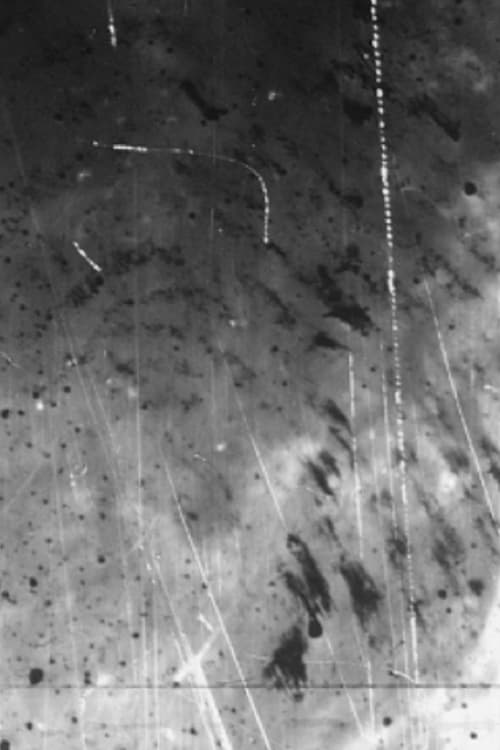
A tactile journey in three parts, Markings 1-3 explores nature through the surface of celluloid, using such techniques as tinting, toning, painting and scratching. This film was shot and hand processed at the Independent Imaging Retreat (The Film Farm) in Mount Forest Ontario.
Markings 1-3

Dust Cycles investigates the past and present of the Bluffs, from the rock and clay strata that reveal the last Ice Age to the present day properties on the brink of destruction due to erosion.
Dust Cycles

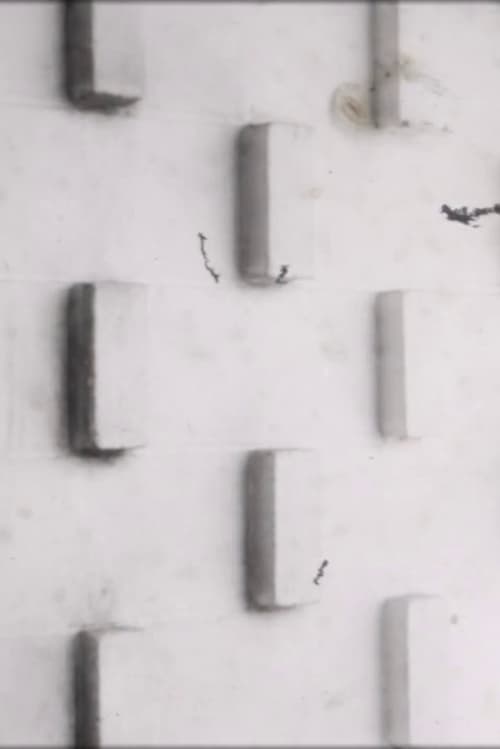
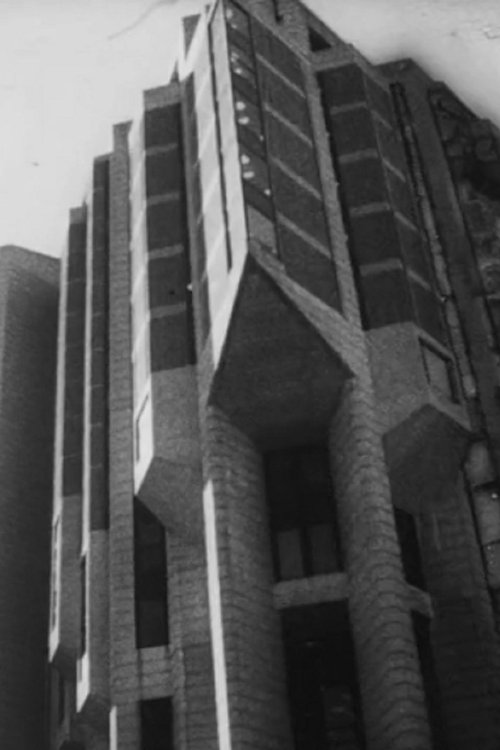
The film explores the utopian visions that inspired the Brutalist movement and the material and aesthetic connection between concrete and celluloid.
All That Is Solid
Pepper's Ghost, by Torontonian Stephen Broomer, transforms an office formerly used for observation studies into a tunnel of performative, transfixing illusionism, creating surprising images using filters, fabric and a combination of sunlight and fluorescents. Recalling Slidelength (1969-71), Michael Snow's slideshow of plastic gels and hand gestures, Pepper's Ghost is a prolonged expression of demystified mystification, whose startling results are bolstered by a bold soundtrack.
Pepper's Ghost

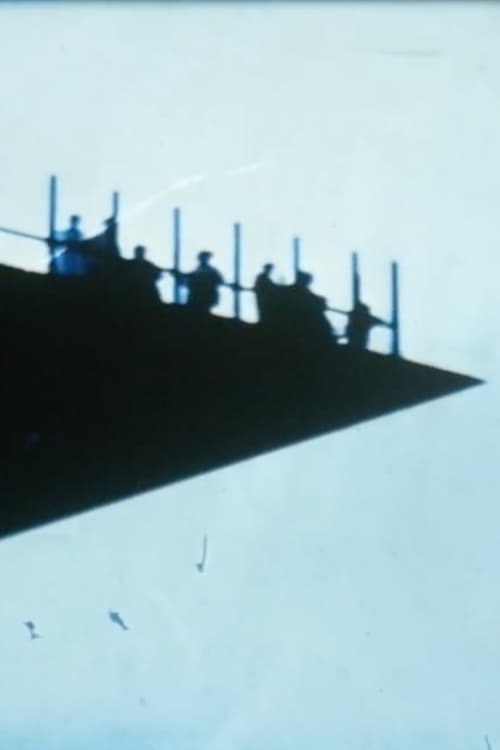
A kinetic journey through Expo 67, revisiting Canada’s centennial through the symbols, choreographies, and built environments of the World’s Fair and its construction of (inter)nationalism. Reworking archival footage, By the Time We Got to Expo creates a vibrant collision of textures and forms in order to explore the surfaces, ideologies, and implications of the ‘meeting place’ that was Expo 67.
By the Time We Got to Expo

Single channel video installation which traces the absence and explores the history of a demolished building at 775 King St. West in Toronto. The site was home to many businesses over its 110 year history, including factories, offices and for the past 30 years Paul Wolf Electric and Lighting Supply.
775 King St. West

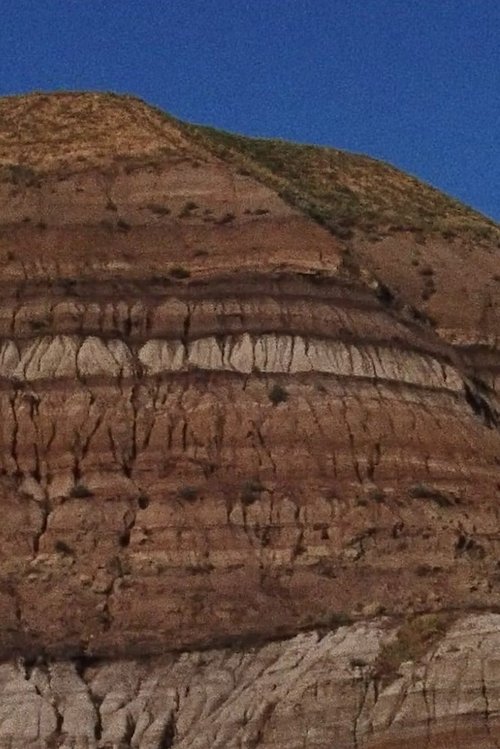
a single-channel video installation that explores the concept of geological time and how it is recorded within the earth’s surface. Using 16mm footage of multiple locations in the Alberta Badlands, documents its unique rock formations, which are in a constant state of change. Over millions of years, the Alberta Badlands have been a sea, a tropical forest and a massive ice field. Each of these eras is inscribed as layers of stone. Glaciers carved out the landscape, exposing coal and the remains of dinosaurs. The Alberta Badlands are located on the traditional territory of the Blackfoot Confederacy (Siksika Nation, Kainai Nation-Blood Tribe, and Piikani Nation), Stoney-Nakoda Nation, and Tsuut’ina Nation. The area has been the site of immense resource extraction. Coal mining was a prominent industry in the 1930s and 40s. The area is eroding at a rapid rate and exists as a reminder of the impermanence of landscapes and natural resources.