Sound
No description available.
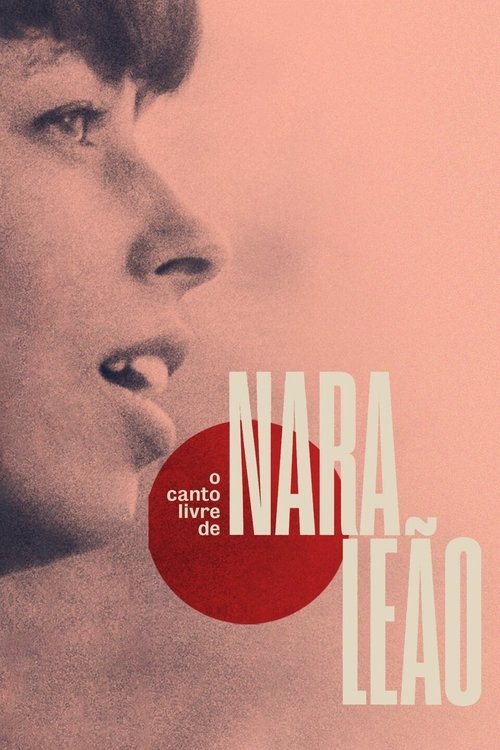
Nara Leão revolutionized Brazilian music, broke prejudices, confronted the military dictatorship, opened paths for women. All this without changing the tone of her voice.
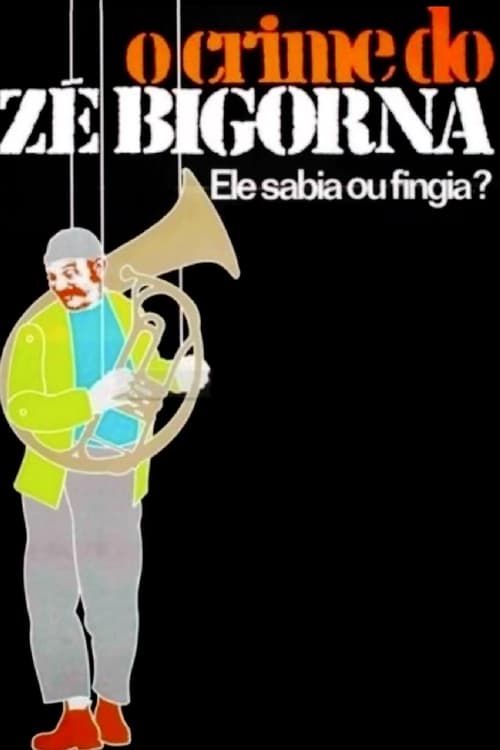
In the 1930s, a blacksmith is accused of murdering his wife and becomes a hero and political leader.
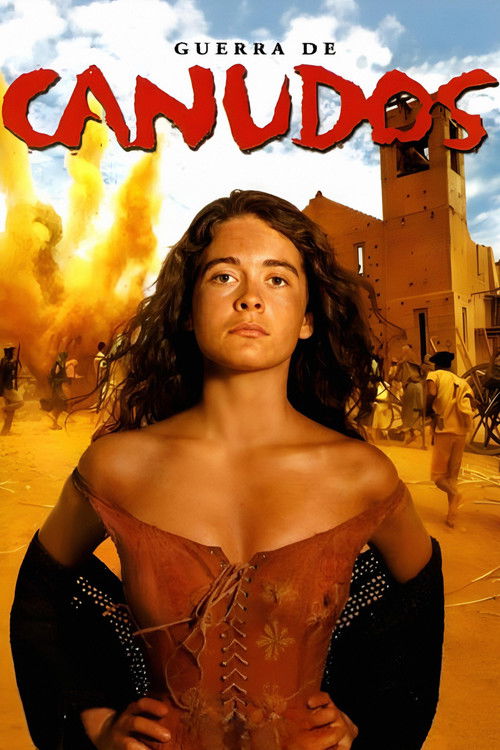
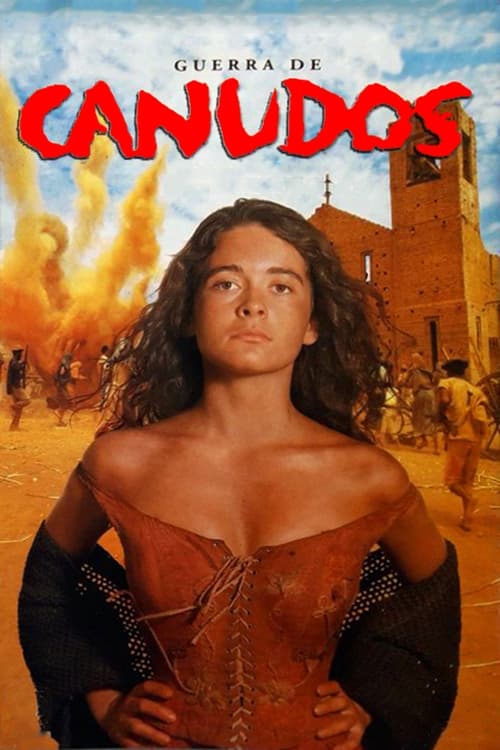
Guerra de Canudos is a 1997 Brazilian film, of the drama genre, directed by Sérgio Rezende. It was shown in miniseries format on TV Globo, between December 16 and December 19, 1997, in 4 chapters, replacing "Decadência", and being replaced by "Dona Flor and Her Two Husbands", being the first time that the broadcaster adapted the exhibition of a feature film in this format, an expedient that became be used more frequently since then.
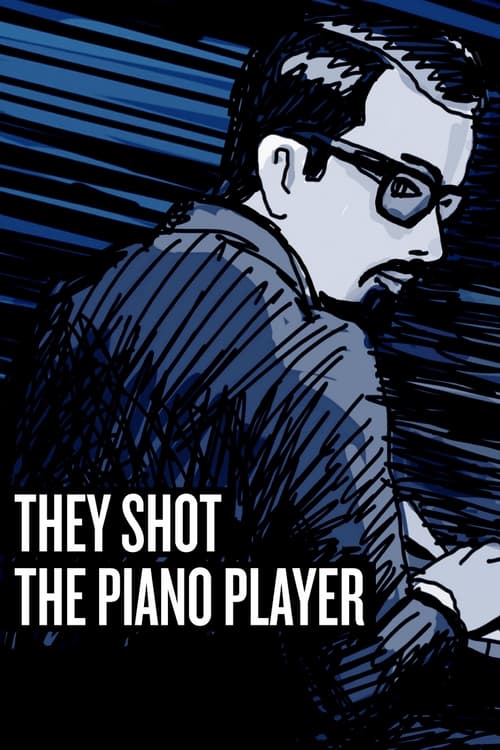
New York, 2010. Jeff Harris, a music journalist, sets out to uncover the truth about Francisco Tenório Júnior, a young Brazilian samba-jazz pianist who disappeared in Buenos Aires on March 18, 1976.
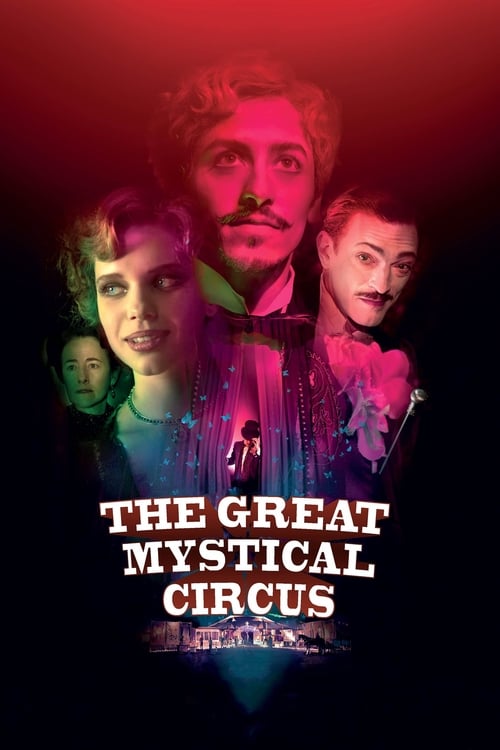
The story of five generations of the Austrian-Brazilian Knieps family, from the inauguration of their family-owned Great Mystical Circus in the 1910s up to the early 21st century, following both the family and the circus from their prime through to their decadence.
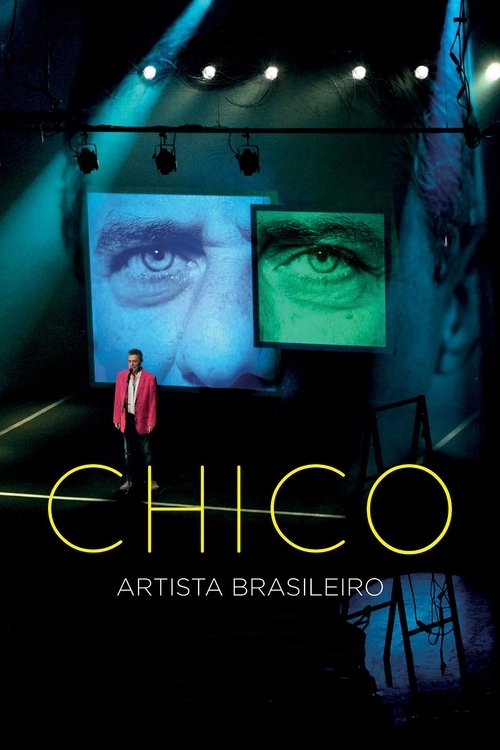
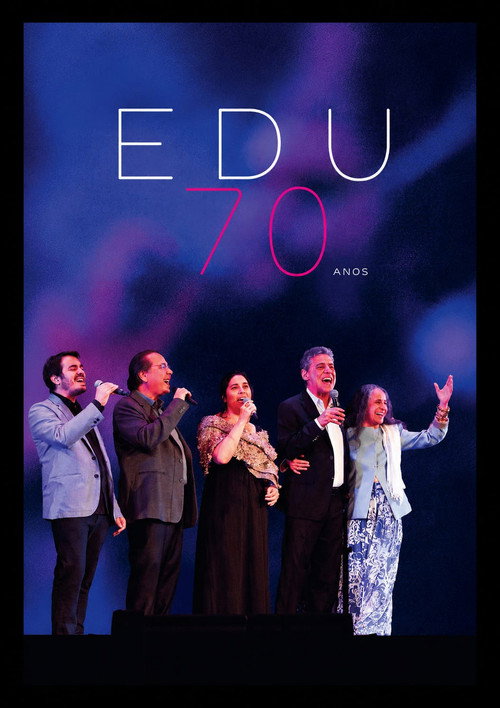
Chico Buarque is a constant presence in Brazil's art scene and makes up its citizen's popular culture. This wealth in music, poems, theater and novels has been created over the last 50 years and in this film Chico Buarque converses about his memories, shows, daily life, work methods, creative process, in summary all his trajectory. The musician’s search for his German brother, whom he never got to meet, serves as one of the axis for the narrative.
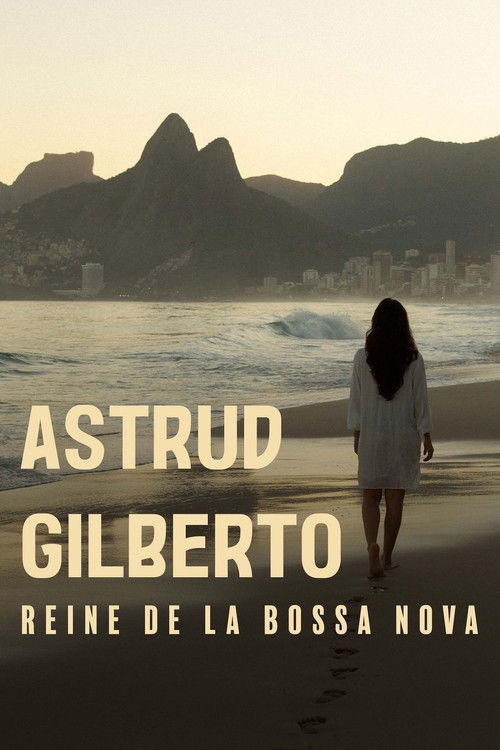
The Girl from Ipanema charts the progress of bossa nova (new wave), and the Brazilian singer Astrud Gilberto's musical development and rise to fame. Best of all, at the end of the documentary the mature Astrud answers the question that must surely be on every viewer's mind: Was she sick to death of singing The Girl from Ipanema?
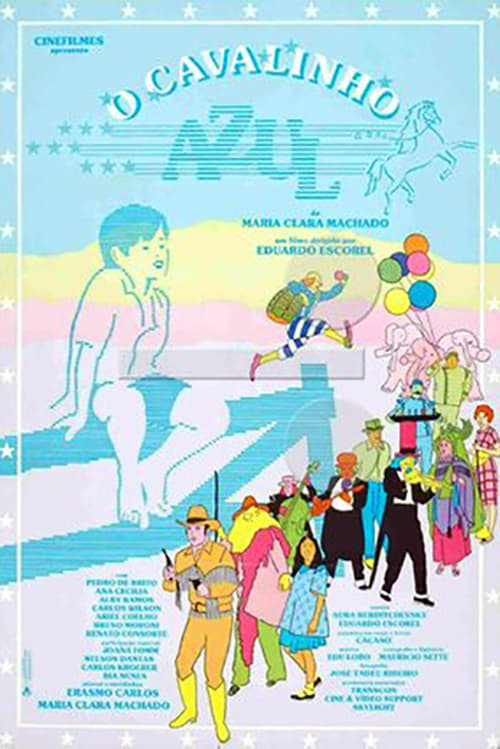
Boy from a poor family loses his only asset: a colorless little horse that his imagination turns into a magical and colorful pretty stallion. To get his pet back, he leaves home and faces all dangers ahead with courage, getting involved in many adventures.
Lalau (Gregorio Duvivier) is presented by the country's interior with his show jokes, whose main theme is her father, Ramon Velasco (Tarcisio Meira), an actor who always gets into shenanigans. One day, when present in Ceará, Stan receives a tempting proposal by Flora (Flávia Alessandra), which offers $ 100,000 so he pretends to be a famous guru in a motivational speech in Rio de Janeiro. He accepts and goes to Rio without telling his father. After seeing his son on the cover of a newspaper, Ramon decides to go after him and creates many characters to ensure their part.
During the Brazilian military government, journalist Estêvão is sent from Rio de Janeiro to Brasilia to cover the important statement of a minister, but takes the opportunity to deliver incriminating documents to another one.
At the end of the 19th century, a poor family comes to the rural Canudos, a community led by Antônio Conselheiro, seen by many as a holy prophet. Their ways bother the powerful people of the region, and the newly founded Republic sends their army to destroy the settlement, which culminates in one of the bloodiest wars in the history of Brazil.
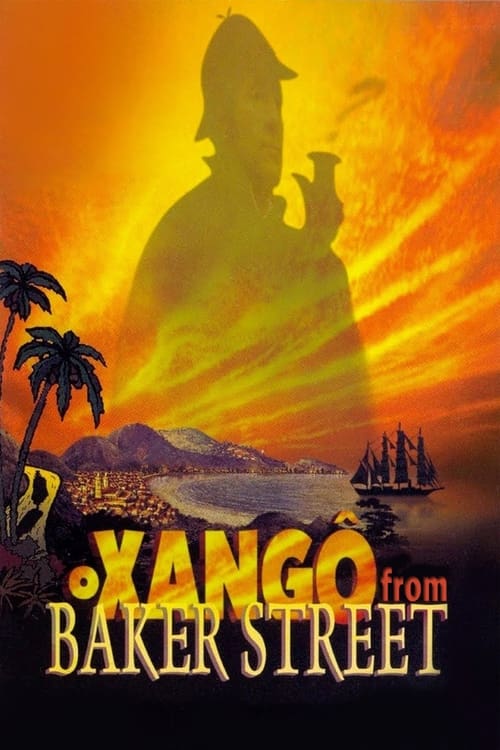
Rio de Janeiro, 1886. A precious Stradivarius violin presented to Emperor Dom Pedro II is stolen. Sherlock Holmes and Dr. Watson are called to solve the case.
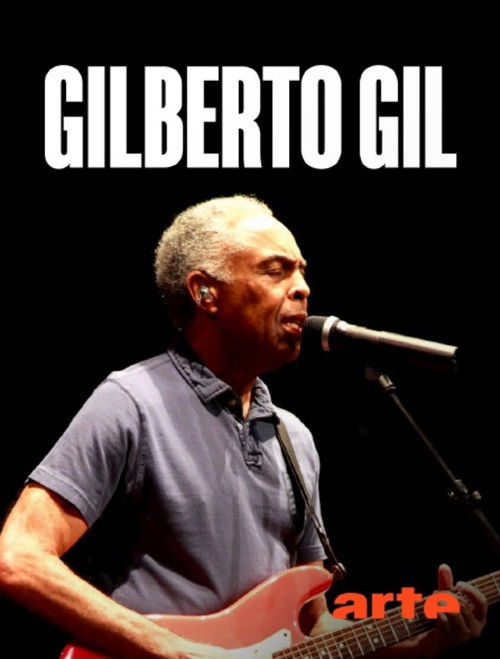
At the Philharmonie de Paris, Brazilian music legend Gilberto Gil revisits half a century of his career in a gentle, committed, and eclectic concert.
Portrait of various figures in Brazilian pop music.
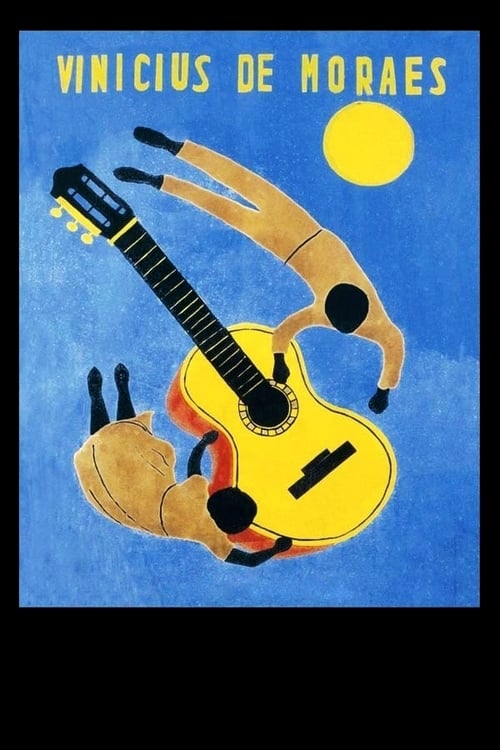
To celebrate the life and the work of a multifaceted creator – playwright, poet, partner of the most important names of Brazilian pop music and, above all, an enlightened character of the Brazilian cultural history - director Miguel Faria Jr. gathered an incomparable cast of partners, singers, friends and rare images from the archives recalling Vinícius’ genial simplicity, with the spontaneity, the humor, and the freedom of a person chatting over a bar table, exactly how the eternal Vinícius would enjoy.
In the 1970s, "festivals" were incredibly popular in Brazil, as they were recorded before a live studio audience, and usually featured a number of elimination rounds. They also formed the springboard for the career of many a big-name stars, such as Chico Buarque, Caetano Veloso, Roberto Carlos and Gilberto Gil. Appearing on such a program was no cakewalk, however: audiences could be as wild in their condemnation as in their appreciation of an artist. Extensive archive footage (including performances and behind-the-scenes interviews) from the turbulent final evening of the Festival of Brazilian Popular Music 1967 paints a fascinating picture, not only of the transformation of Brazilian music into real "festival" music, but also of a society starting to buck against the yoke of military rule.