FEEL IT.STREAM
Peter Pearson

Peter Pearson

Directing

Biography

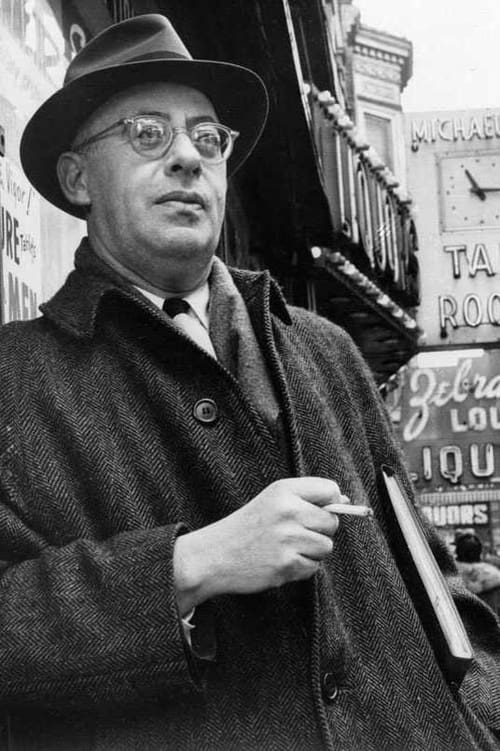
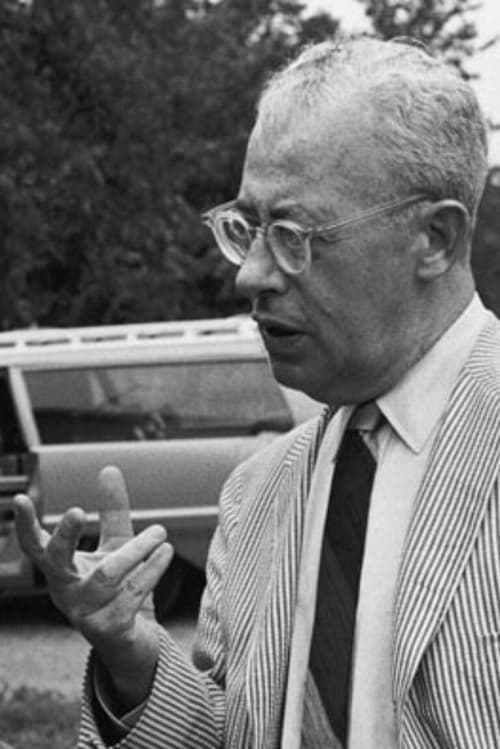
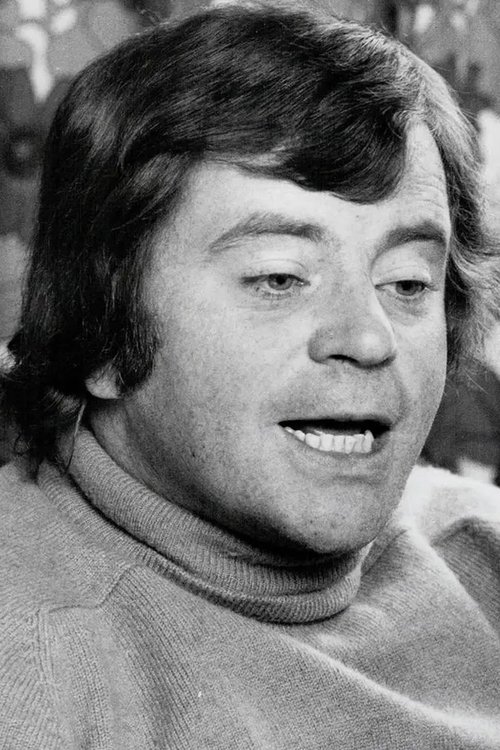
Peter Pearson's impactful career shaped English-Canadian film. Directing acclaimed movies like "The Best Damn Fiddler from Calabogie to Kaladar" and "Paperback Hero," he garnered multiple Canadian Film Awards, influencing Canadian storytelling. Leading Telefilm Canada, he advocated for industry advancement and Canadian content. Transitioning from journalism to TV, Pearson excelled at CBC before making impactful films at the National Film Board. His dramas at For the Record sparked discussions and legal disputes, yet his teaching and leadership at the Broadcast Program Development Fund generated economic growth and Canadian programming. A skilled scriptwriter, Pearson co-wrote notable works like "Snowbird" with Margaret Atwood, earning numerous Canadian Film Awards and Gemini nominations, cementing his legacy in Canadian cinema.
Known For

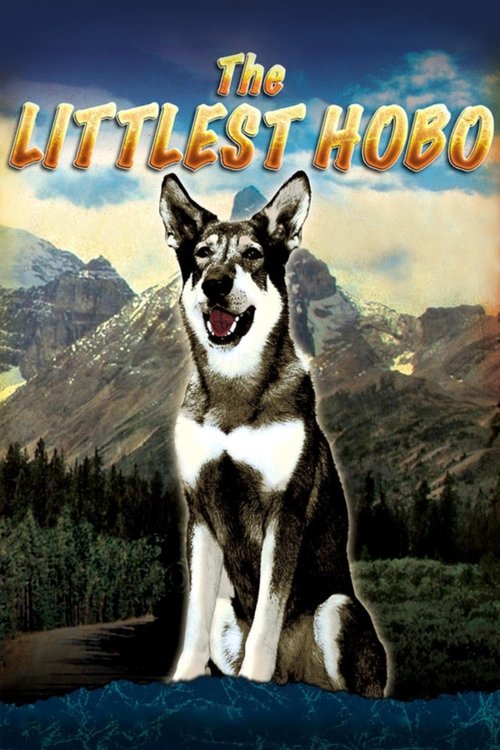
The Littlest Hobo
7.3

The Littlest Hobo is a Canadian television series based upon a 1958 American film of the same name directed by Charles R. Rondeau. The series first aired from 1963 to 1965 in syndication, spanning six seasons and was revived for a popular second run on CTV from October 11, 1979 to March 7, 1985. It starred an ownerless dog. All three productions revolved around a stray German Shepherd, the titular Hobo, who wanders from town to town, helping people in need. Although the concept was perhaps similar to that of Lassie, the Littlest Hobo's destiny was to befriend those who apparently needed help. Despite the attempts of the many people whom he helped to adopt him, he appeared to prefer to be on his own, and would head off by himself at the end of each episode. Never actually named on-screen, the dog is often referred to by the name Hobo or by the names given by temporary human companions. Hobo's background is also unexplained on-screen. His origins, motivation and ultimate destination are also never explained. Although some characters appeared in more than one episode, the only constant was the Littlest Hobo himself.

The Littlest Hobo

1979
For the Record
9.0

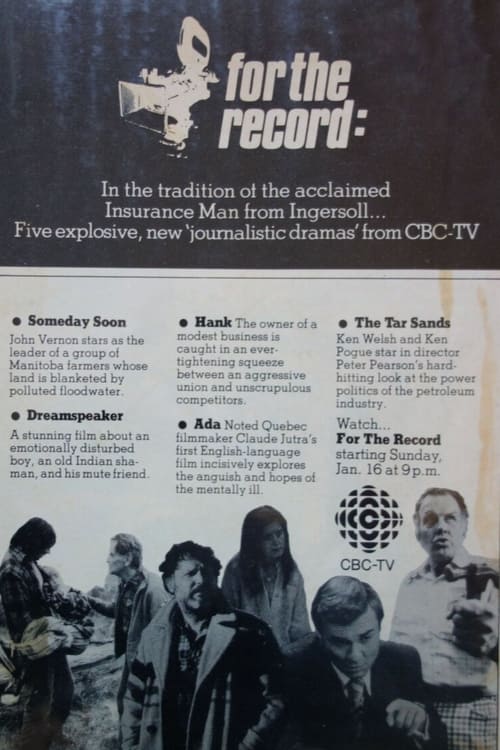
For the Record, an anthology of 60-to-90-minute dramas, started on the series, Performance, as a subseries called Camera ’76. A collection of docudrama-style short stories on diverse but socially relevant (and very Canadian) topics such as unemployment, euthanasia, spousal abuse, televangelists, aboriginal issues, and anglophone-francophone relations. This series attracted most of the 'big name' Canadian actors and directors of the time.

For the Record

1976
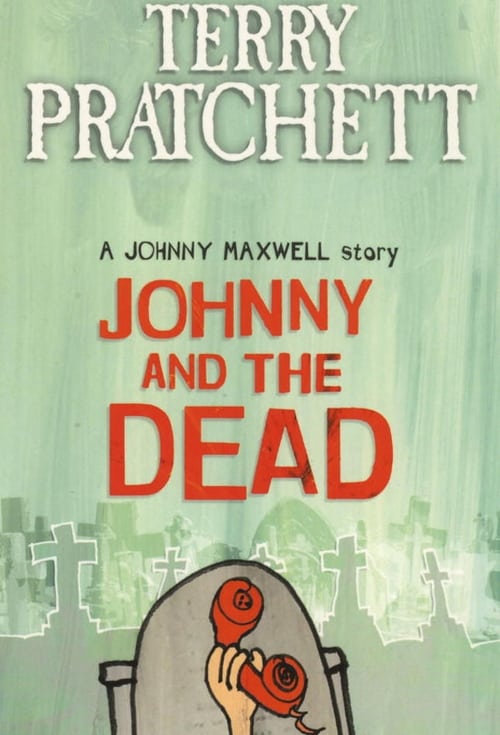
Johnny and the Dead
6.5

Not many people can see the dead (not many would want to). 12-year-old Johnny Maxwell can. And he's got bad news: the council want to sell the cemetery as a building site. But the dead have learnt a thing or two from Johnny. They're not going to take it lying down... especially since it's Halloween tomorrow.

Johnny and the Dead

1995
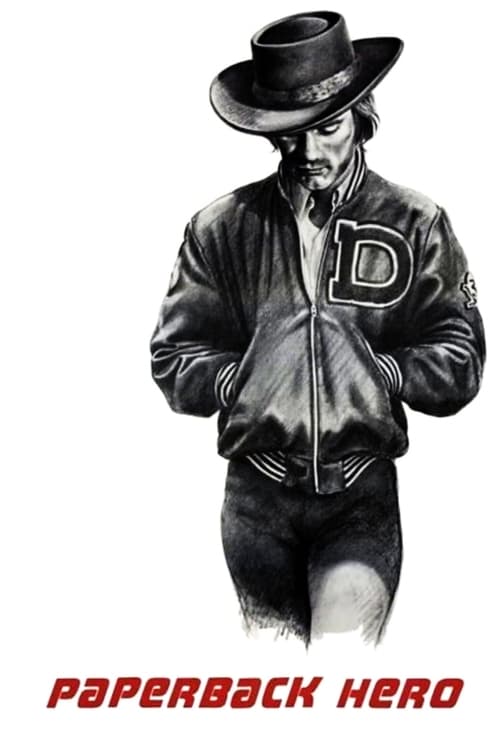
Paperback Hero
5.6

A hockey player in a small town begins to lose his grip on reality and starts to believe that he is a gunslinger in the Old West.

Paperback Hero

1973
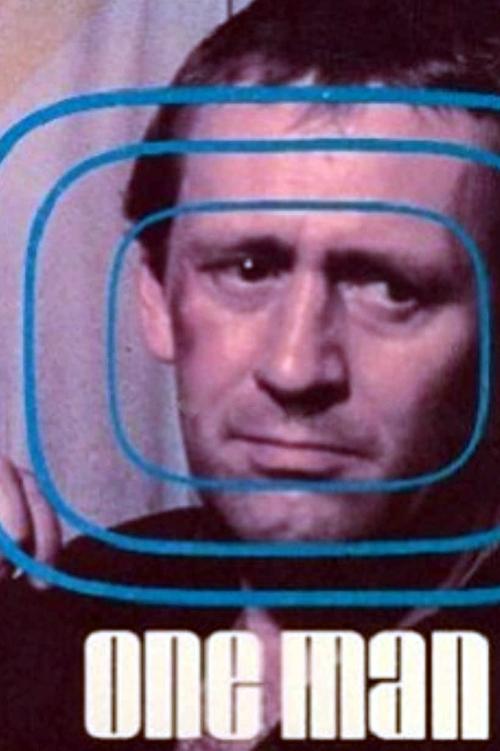
One Man
5.5

In this socially conscious drama, a TV journalist begins investigating a large factory that has been threatening the health of the children who live in the town's poorest, most polluted section. Because of his investigation, he and his family are threatened by company thugs. He gets no help from his TV station as they are loathe to tangle with big business.

One Man

1977
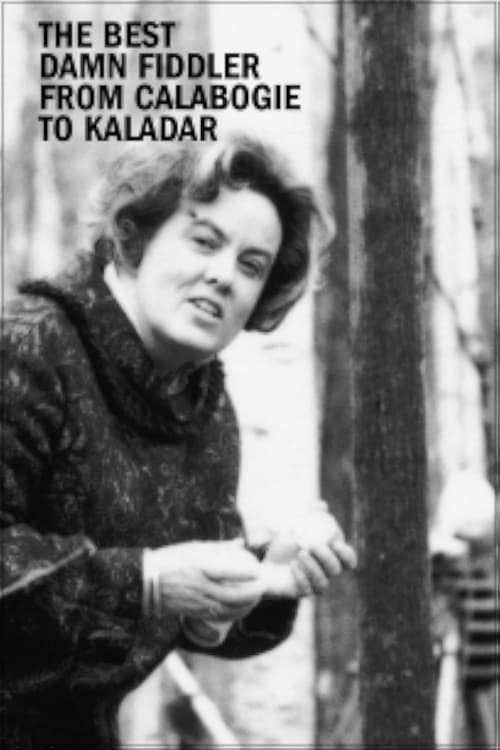
The Best Damn Fiddler from Calabogie to Kaladar
7.7

"The Best Damn Fiddler from Calabogie to Kaladar" tells the story of Emery Prometer, a proud bush worker in Ottawa Valley, resisting government aid to support his family. The film compassionately depicts their struggles and the resolve of Emery's daughter, Rosie, (Margot Kidder in her film debut) to break the cycle of poverty through education. This '60s NFB standout authentically portrays their dignity amid hardship, showcasing Canadian filmmaking despite hurdles from private broadcasters' cost concerns. The Best Damn Fiddler from Calabogie to Kaladar won eight Canadian Film Awards, including Best Picture (John Kemeny, Barrie Howells), Director (Peter Pearson), Cinematography (Tony Ianzelo), Screenplay (Joan Finnegan) and Lead Actor (Chris Wiggins).

The Best Damn Fiddler from Calabogie to Kaladar

1969
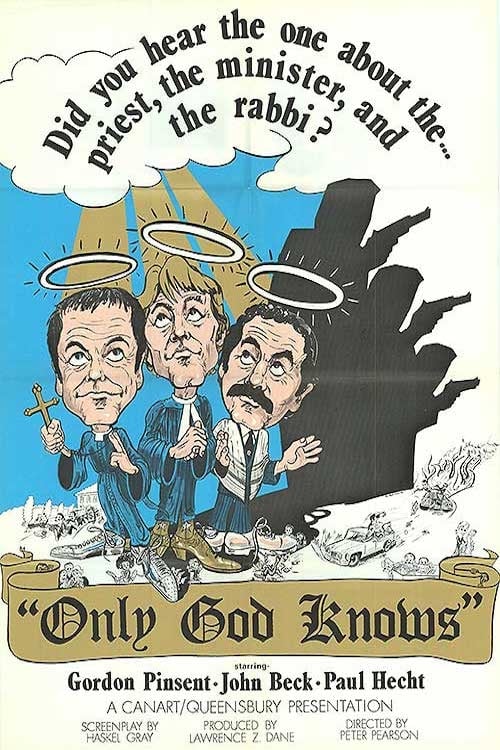
Only God Knows
5.7

The sponsors of a drug-rehabilitation center stage a robbery to maintain funding of the facility, but the loot turns out to be syndicate-owned.

Only God Knows

1974
Straight for the Heart
4.7

Pierre is a Montreal photojournalist who returns from Nicaragua to find that his ten-year menage a trois is over. Haunted by his mid-life crisis, he becomes obsessed with trying to find out why his two lovers, Sarah and David, have left him.

Straight for the Heart

1988
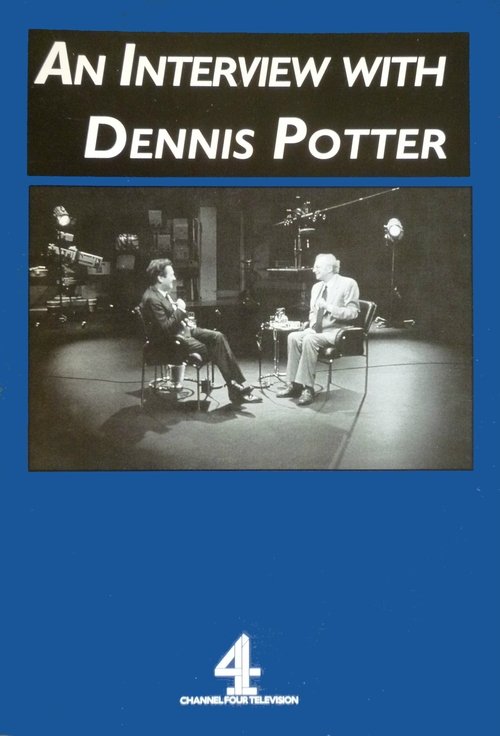
An Interview with Dennis Potter
10.0

Dennis Potter a television dramatist talks about his work, politics and his fears for both.

An Interview with Dennis Potter

1994
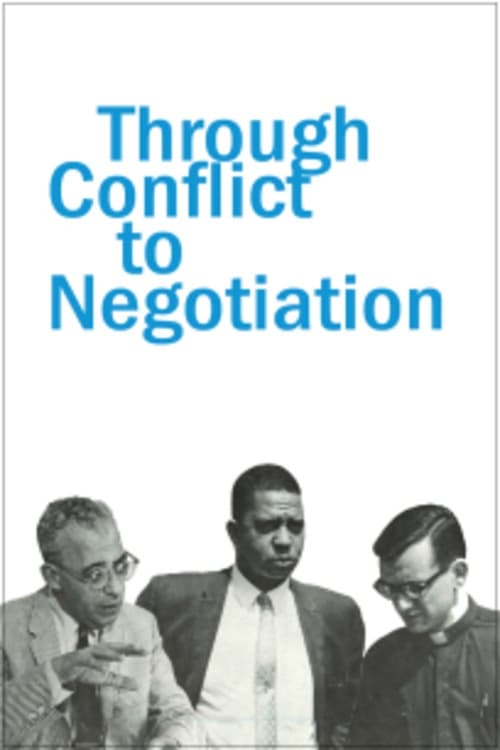
Through Conflict to Negotiation
N/A

This documentary follows a community action group led by American community organizer and writer Saul Alinsky in Rochester, New York. Together, they confront the community's largest employer on the issue of corporate responsibility and the employment of minority groups.

Through Conflict to Negotiation

1968
The Dowry
8.0

A little drama, almost a love triangle, filmed on the Canadian Atlantic coast, about a fisherman, his girl, and his boat. The boat needs a new engine but the owner lacks the cash. His girl's undertaker brother has money enough if he can be persuaded to lend it. What develops in the film is an object lesson showing that neither a boat nor a girl can be taken too much for granted.

The Dowry

1969
Encounter with Saul Alinsky - Part 2: Rama Indian Reserve
N/A

Indigenous youth, led by Duke Redbird, argue their ideas against the blunt pragmatism of American activist and writer Saul Alinksy. Author of the book “Rules for Radicals”, Alinsky is widely considered the father of community organizing who spent his life advocating for improved living conditions in poor communities across the United States. In this impassioned debate, the young activists question the corrupting influence of power, and ask why Indigenous people cannot live traditionally and peacefully on the land. Alinsky responds, “You have got to be part of the world in order to change it. You are not going to make any changes by staying in your corner.” In Alinsky’s view, equality only happens when the disenfranchised have the strength to show the ruling powers that it will be more costly for them to withhold it. Encounter with Saul Alinksy offers fascinating insights into a conversation about power and activism that has lasting resonance today.

Encounter with Saul Alinsky - Part 2: Rama Indian Reserve

1967
No image
N/A

This documentary short captures a lively confrontation between the American community organizer and writer Saul Alinsky, and the members of the Conpany of Young Canadians (CYC). Among other topics, the parties argue and disagree about the means and costs of securing social change.

Encounter with Saul Alinsky - Part 1: CYC Toronto

1967
No image
N/A

In Quebec in the 1950s, a young English-speaking man befriends a schoolmate who dreams of expeditions to the Amazon.

Bananas from Sunny Québec

1993
No image
10.0

From the Organizing for Power: The Alinsky Approach series, this short documentary shows a group of concerned citizens from Dayton, Ohio, meeting and consulting Saul Alinsky on the means of creating an effective organization.

Deciding to Organize

1968
Saul Alinsky Went to War
7.5

In this feature documentary, American community organizer and writer Saul Alinsky goes to war against the conditions that keep the poor in poverty. The film shows how he helped Black ghettos in the United States find an effective, non-violent method of fighting for their rights.

Saul Alinsky Went to War

1968