Directing
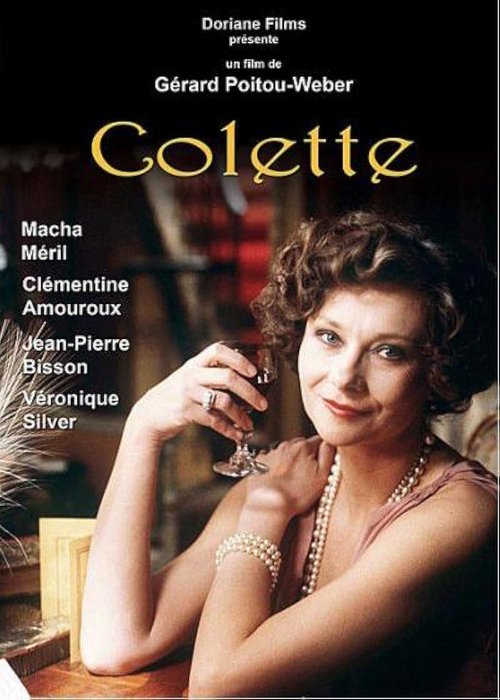
Racontée par Colette, célèbre femme de lettres, cette histoire retrace sa vie mouvementée : de son enfance à ses œuvres, en passant par ses amours, ses scandales et ses chats, jusqu'aux années 1950, quelques années avant sa mort à Paris en 1954.
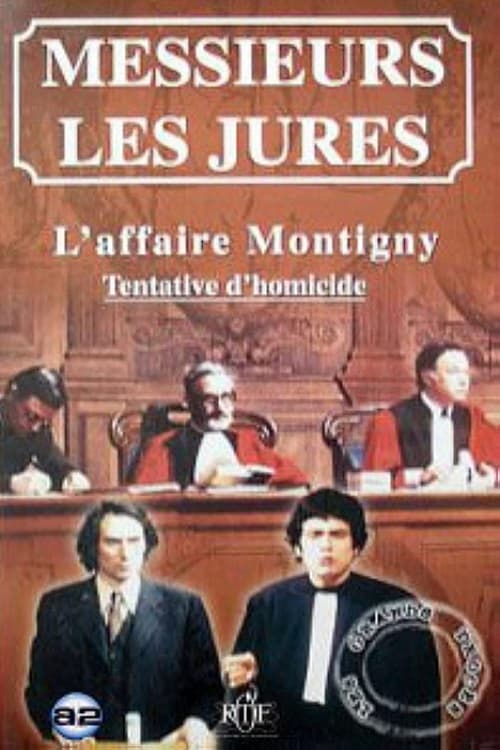
Messieurs les jurés est une série télévisée française en 44 épisodes de 120 minutes, diffusée du 16 janvier 1974 au 31 août 1986 sur la 2e chaîne de l'ORTF puis Antenne 2. Cette émission est une réplique d'un procès aux assises d'une affaire fictive. Des téléspectateurs jouant le rôle des jurés et des acteurs ceux de l'accusé et des témoins.
Aucune description disponible.
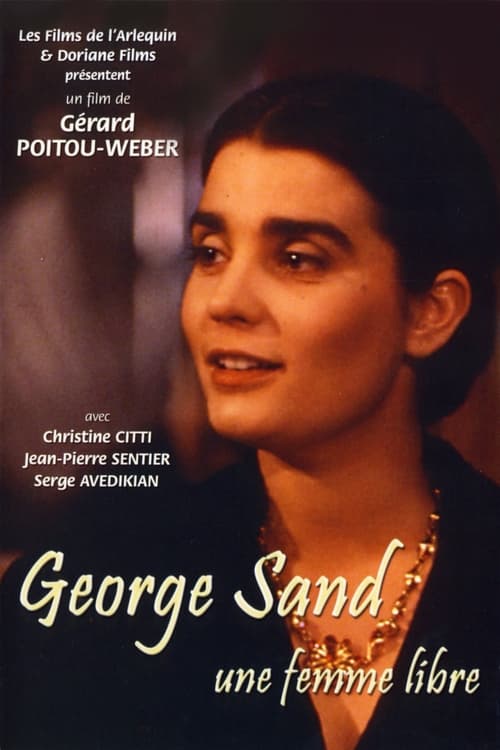
Ce film est l’histoire d’une vie qui bascule... Ou comment Aurore, une jeune femme de 26 ans qui s’ennuie à Nohant, avec le baron Dudevant, son hobereau de mari, devient George Sand. Elle rencontre et aime un jeune homme, Jules Sandeau, un peu étudiant, un peu écrivain. C’est l’occasion pour elle de quitter son mari et d’habiter avec son amant à Paris. La jeune provinciale peut réaliser son rêve : vivre une vie d’artiste.