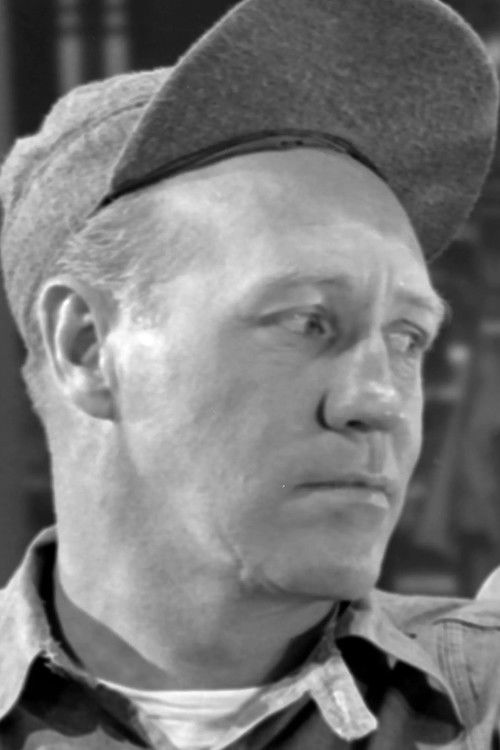
Lee Phelps
Acting
Biography
From Wikipedia, the free encyclopedia Lee Phelps (May 15, 1893 – March 19, 1953) was an American film actor. He appeared in over 600 films between 1917 and 1953, mainly in uncredited roles. He also appeared in three films - Grand Hotel, You Can't Take It with You, and Gone with the Wind - that won the Academy Award for Best Picture. Phelps appeared in the 1952 episode "Outlaw's Paradise" as a judge in the syndicated western television series The Adventures of Kit Carson, starring Bill Williams in the title role. He also appeared in a 1952 TV episode (#90) of The Lone Ranger.
Known For
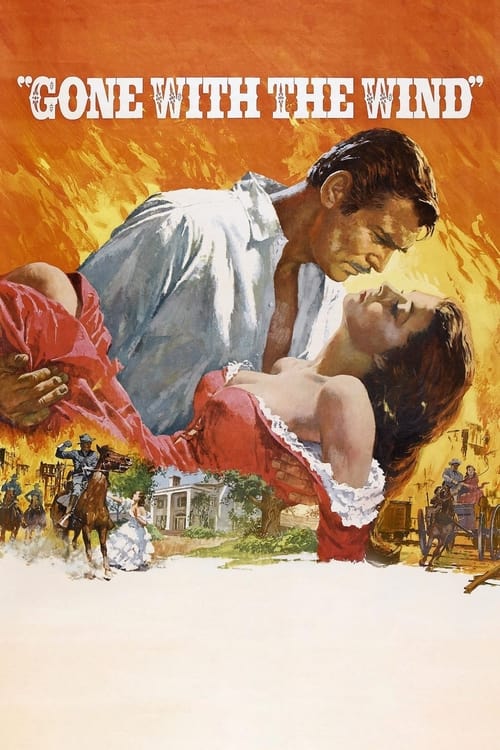
The spoiled daughter of a Georgia plantation owner conducts a tumultuous romance with a cynical profiteer during the American Civil War and Reconstruction Era.
Gone with the Wind
The Cisco Kid is a half-hour American Western television series starring Duncan Renaldo in the title role, The Cisco Kid, and Leo Carrillo as the jovial sidekick, Pancho. Cisco and Pancho were technically desperados, wanted for unspecified crimes, but instead viewed by the poor as Robin Hood figures who assisted the downtrodden when law enforcement officers proved corrupt or unwilling to help. It was also the first television series to be filmed in color, although few viewers saw it in color until the 1960s.
The Cisco Kid
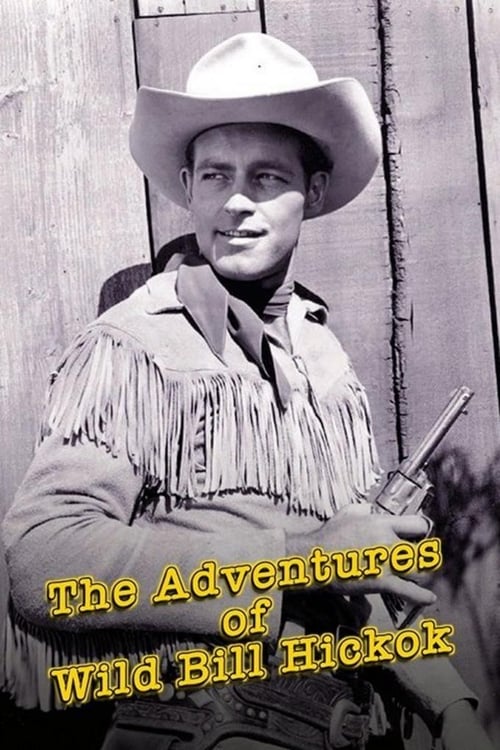
The Adventures of Wild Bill Hickok is an American Western television series which ran for eight seasons from 1951 through 1958. The Screen Gems series began in syndication, but ran on CBS from 1955 through 1958, and, at the same time, on ABC from 1957 through 1958.
The Adventures of Wild Bill Hickok
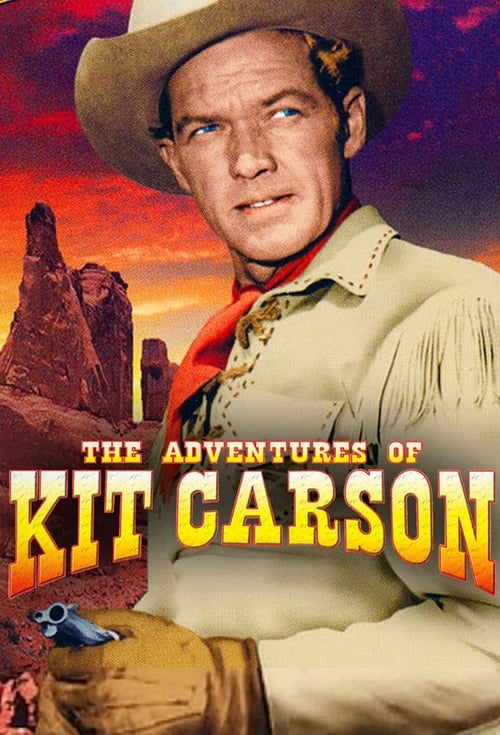
The Adventures of Kit Carson is an American Western series that aired in syndication from August 1951 to November 1955, originally sponsored by Coca-Cola. It stars Bill Williams in the title role as frontier scout Christopher "Kit" Carson. Don Diamond co-starred as "El Toro", Carson's Mexican companion.
The Adventures of Kit Carson
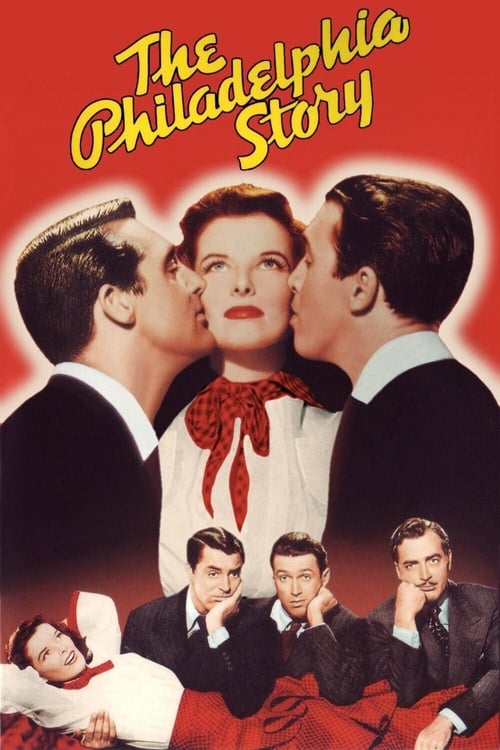
When a rich woman's ex-husband and a tabloid-type reporter turn up just before her planned remarriage, she begins to learn the truth about herself.
The Philadelphia Story
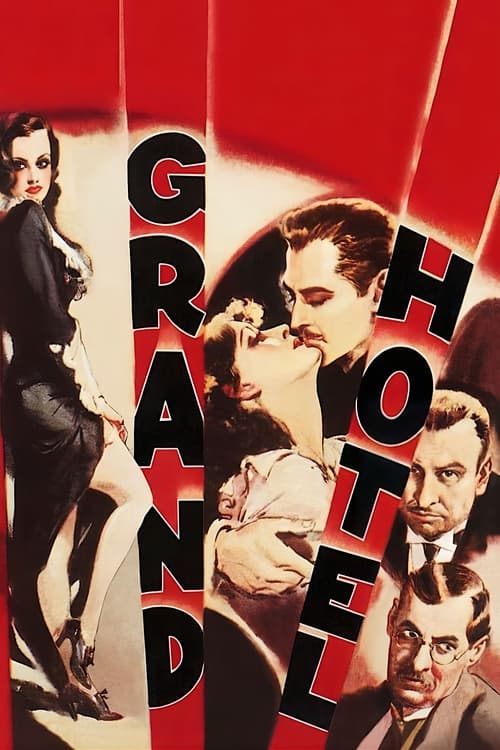
Guests at a posh Berlin hotel struggle through worry, scandal, and heartache.
Grand Hotel
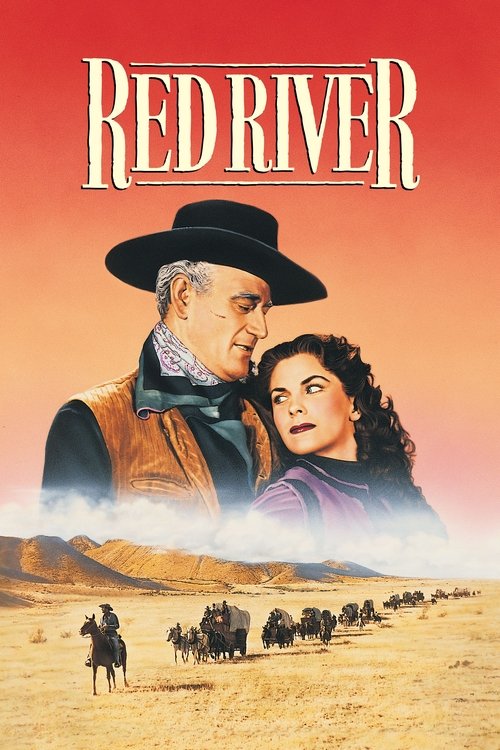
Following the Civil War, headstrong rancher Thomas Dunson decides to lead a perilous cattle drive from Texas to Missouri. During the exhausting journey, his persistence becomes tyrannical in the eyes of Matthew Garth, his adopted son and protégé.
Red River
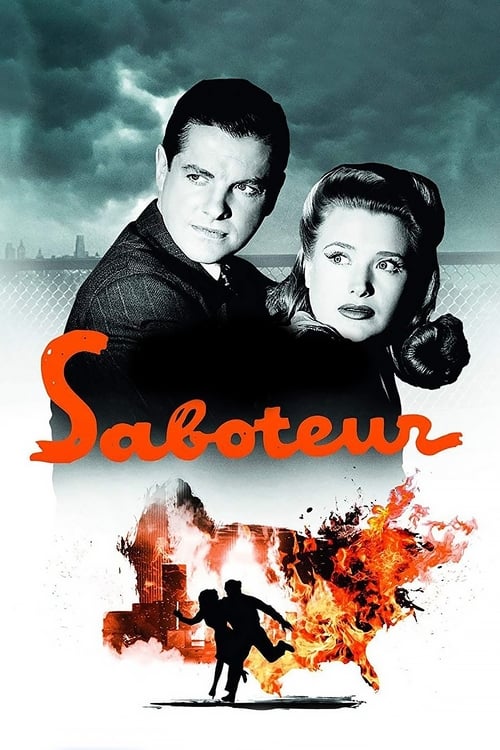
Aircraft factory worker Barry Kane flees across the United States after he is wrongly accused of starting the fire that killed his best friend.
Saboteur
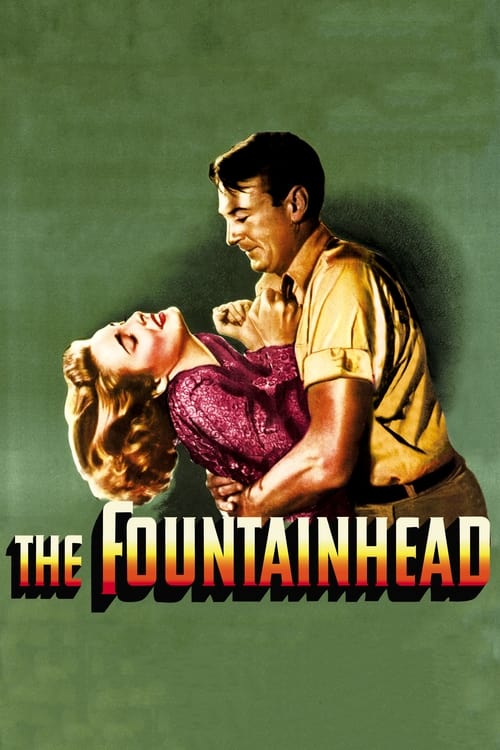
An uncompromising, visionary architect struggles to maintain his integrity and individualism despite personal, professional and economic pressures to conform to popular standards.
The Fountainhead
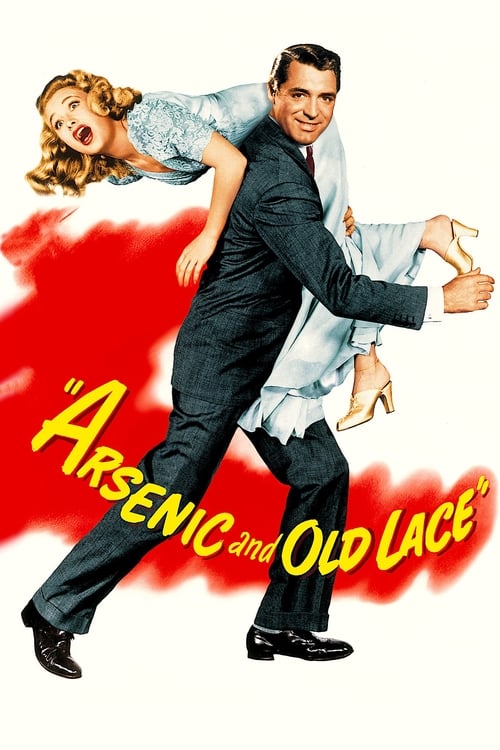
Mortimer Brewster, a newspaper drama critic, playwright, and author known for his diatribes against marriage, suddenly falls in love and gets married; but when he makes a quick trip home to tell his two maiden aunts, he finds out his aunts' hobby - killing lonely old men and burying them in the cellar!
Arsenic and Old Lace
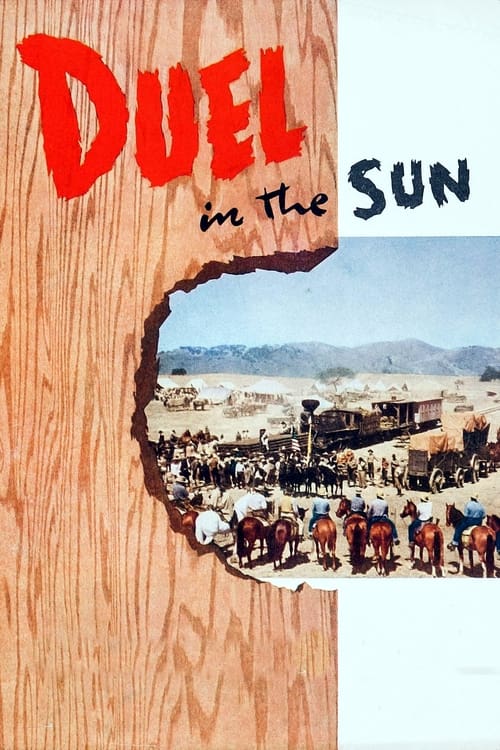
Beautiful half-breed Pearl Chavez becomes the ward of her dead father's first love and finds herself torn between her sons, one good and the other bad.
Duel in the Sun

Looks at the stereotype-breaking films of the period from 1929, when movies entered the sound era, until 1934 when the Hays Code virtually neutered film content. No longer portrayed as virgins or vamps, the liberated female of the pre-code films had dimensions. Good girls had lovers and babies and held down jobs, while the bad girls were cast in a sympathetic light. And they did it all without apology.
Complicated Women
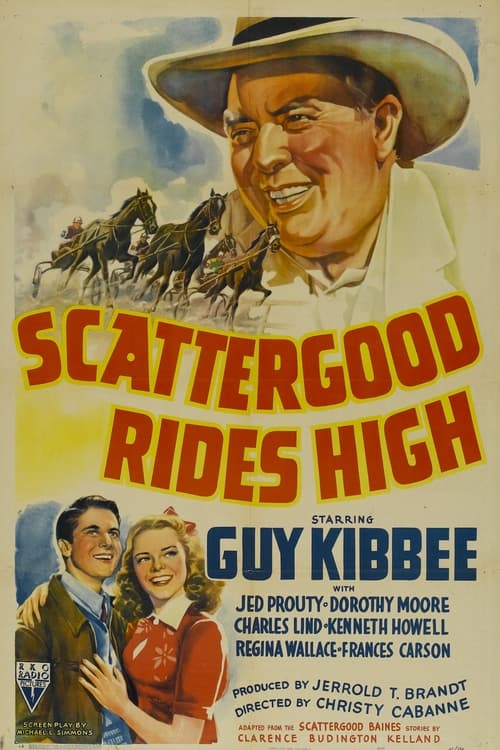
When Martin Knox, a friend of Scattergood's who owns a horse-breeding farm, is killed in a harness race Scattergood tells Martin's son Dan that he will send him to college if he forgets about taking over his father's business, which was heavily mortgaged and has been put up for auction after Knox's death. The boy reluctantly agrees, but when he discovers that his favorite horse Starlight is sick, he decides to bring the animal back to health and then enter him in the Governor's Race, whose $5000 prize would enable Dan to pay off his father's mortgage and keep the business in the family.
Scattergood Rides High
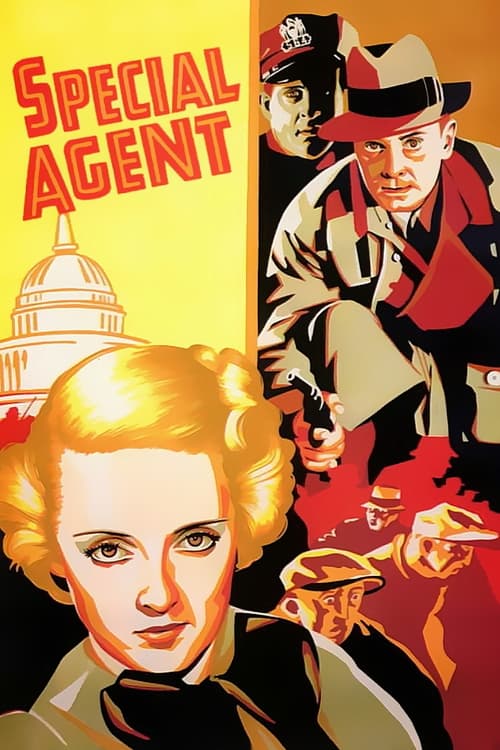
A reporter turned tax agent infiltrates a crime ring to catch a racketeer, working with the mobster's bookkeeper. When she agrees to testify, an informant exposes them and she's kidnapped.
Special Agent
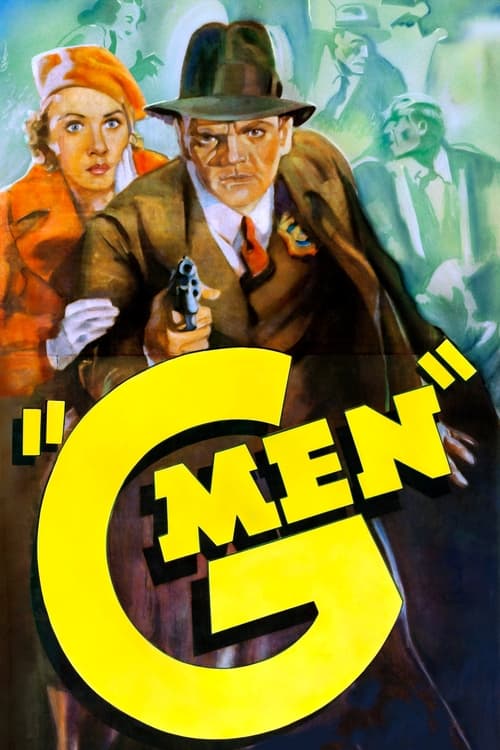
James “Brick” Davis, a struggling attorney, owes his education to a mobster, but always has refused to get involved with the underworld. When a friend of his is gunned down by a notorious criminal, Brick decides to abandon the exercise of the law and join the Department of Justice to capture the murderer.
'G' Men
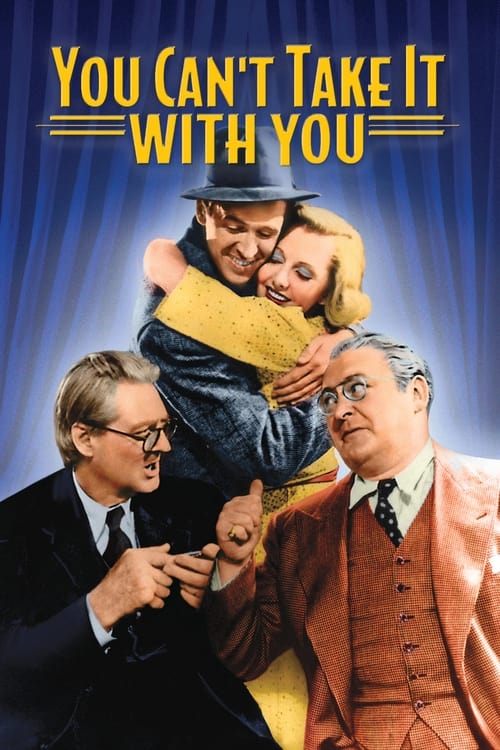
Alice, the only relatively normal member of the eccentric Sycamore family, falls in love with Tony Kirby, but his wealthy banker father and snobbish mother strongly disapprove of the match. When the Kirbys are invited to dinner to become better acquainted with their future in-laws, things don't turn out the way Alice had hoped.
You Can't Take It with You
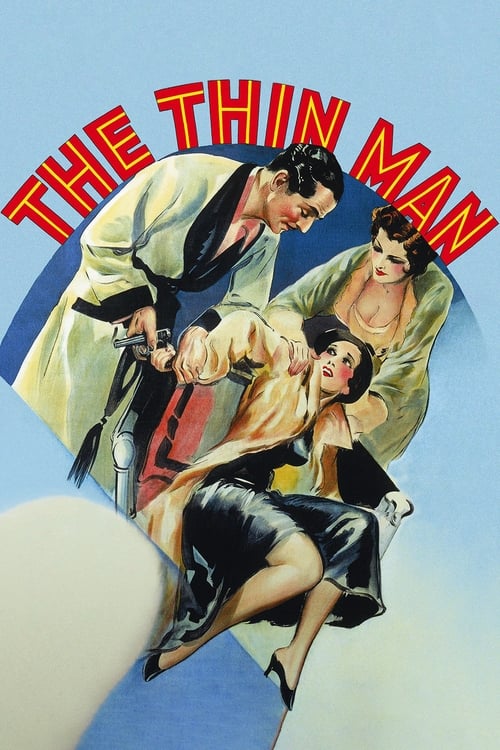
A husband and wife detective team takes on the search for a missing inventor and almost get killed for their efforts.
The Thin Man
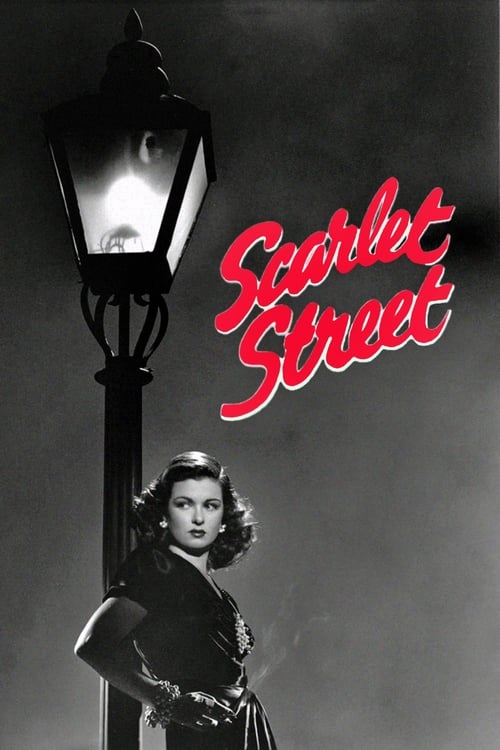
Cashier and part-time starving artist Christopher Cross is absolutely smitten with the beautiful Kitty March. Kitty plays along, but she's really only interested in Johnny, a two-bit crook. When Kitty and Johnny find out that art dealers are interested in Chris's work, they con him into letting Kitty take credit for the paintings. Cross allows it because he is in love with Kitty, but his love will only let her get away with so much.
Scarlet Street
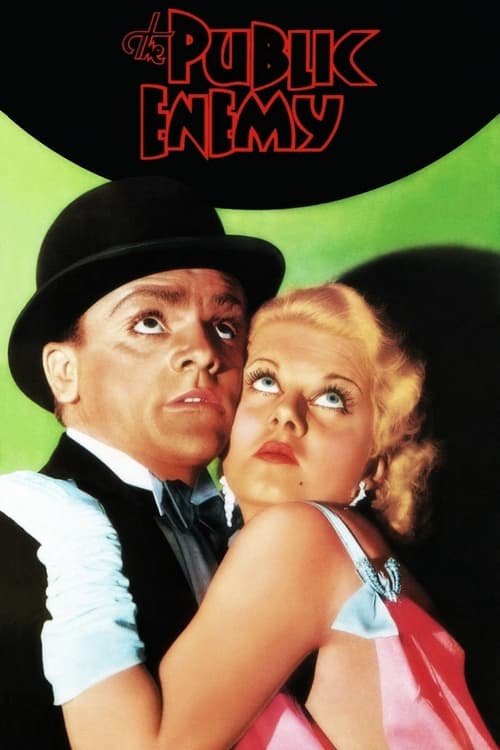
Two young Chicago hoodlums, Tom Powers and Matt Doyle, rise up from their poverty-stricken slum life to become petty thieves, bootleggers and cold-blooded killers. But with street notoriety and newfound wealth, the duo feels the heat from the cops and rival gangsters both. Despite his ruthless criminal reputation, Tom tries to remain connected to his family, however, gang warfare and the need for revenge eventually pull him away.
The Public Enemy
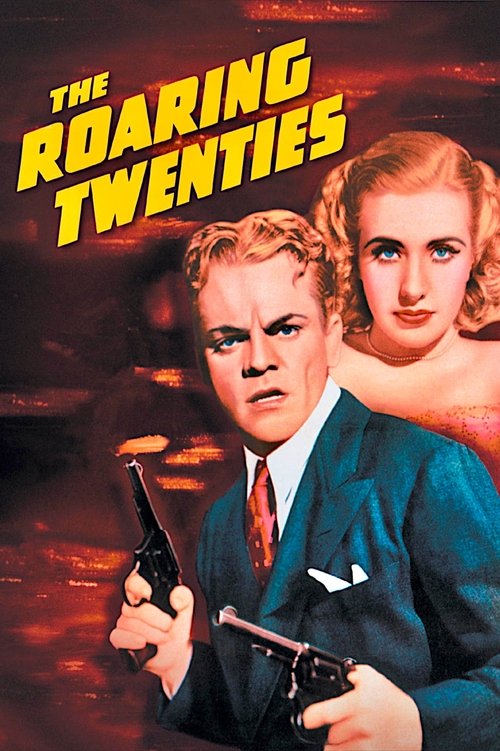
After World War I, Armistice Lloyd Hart goes back to practice law, former saloon keeper George Hally turns to bootlegging, and out-of-work Eddie Bartlett becomes a cab driver. Eddie builds a fleet of cabs through delivery of bootleg liquor and hires Lloyd as his lawyer. George becomes Eddie's partner and the rackets flourish until love and rivalry interfere.