Roberto Pirillo
Acting
Biography
Roberto Pirillo is a seasoned Brazilian actor known for his extensive work in television, film, and voice acting. He rose to fame in the 1970s as a romantic lead, notably starring in the classic telenovela Escrava Isaura (1976), where he played the noble Álvaro, a role that became iconic in Brazilian teledramaturgy. He also appeared in Ciranda de Pedra (1981) and many other productions for Rede Globo. Over the decades, Pirillo has built a diverse portfolio, including roles in historical dramas, comedies, and action series. His recent credits include appearances in Níobe (2023), A Divisão (2019), and Magnífica 70 (2015–2018). He remains active in Brazilian television and continues to be recognized for his contributions to the arts.
Known For

Os Trapalhões was a Brazilian comedy group and also a Brazilian television series created by Wilton Franco. Its members were Dedé Santana, Zacarias, Mussum and their leader Didi Mocó, that was played by Renato Aragão. The name Trapalhões is derived from the Portuguese verb atrapalhar, which means the opposite of helping, to do something the wrong way or to Those that confuse. The name is translated "Tramps" in English DVD subtitles. It was aired by Rede Globo from 1977 to 1999. On March 18, 1990, Zacarias died due to respiratory failure, but the group and the series didn't come to an end until July 29, 1994, when Mussum died due to an unsuccessful heart transplant.
The Trapalhões

A successful businesswoman in the music industry sees her life fall apart after a young and mysterious woman starts work as her secretary. The scheming girl is totally obsessed by the famous businesswoman and she tries to steal everything from her, including her career.
Celebrity

Brava Gente was a television series aired by TV Globo in Brazil between 2000 and 2003, initially as a special year-end. The program was adapted from stories and national stories, and plays by famous playwrights, screenwriters and signed by a number represented by several actors and actresses. The genres of the stories varied each week with the style of each director or author. Brava Gente in the stories ranged from comedies and dramas. In all 53 episodes were shown, broadcast on Tuesday nights.
Brava Gente

Heartbreak forever changed the fate of the young and humble José Alfredo. Years later, he became the Lord Alfredo, a successful owner of a jewelry empire and a man obsessed with power. Temperamental and cunning, he tries to balance his turbulent marriage, an extramarital love affair, and the dispute between his children over succession in his business. One day, however, the unexpected appearance of a possible daughter, of whom he was unaware, causes upheaval in his life and takes his familial conflicts to a whole new level.
Empire

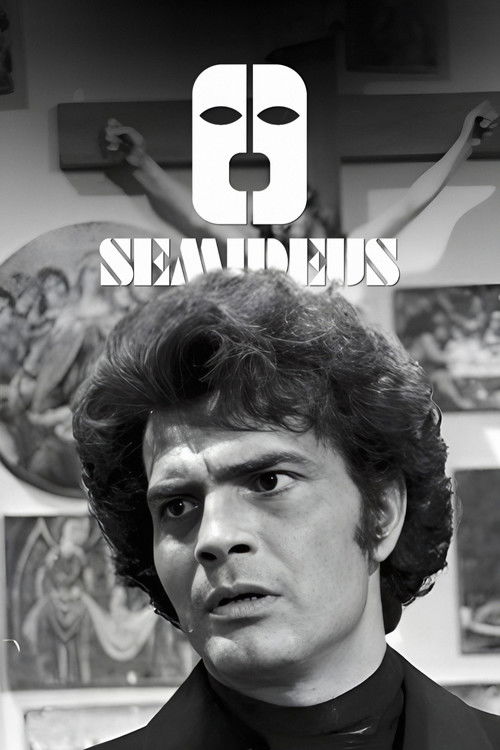
No description available.
O Semideus

After getting lost on a sea excursion, Jô Penteado and Fábio Coutinho develop mutual feelings during the two months they spend stranded on a deserted island.
A Gata Comeu

Serafina is a romantic young woman who dreams of experiencing great love. Claude is a wealthy businessman who is in the country illegally. The two make a deal that will transform their lives.
Uma Rosa com Amor

Livia and Felipe are in a forbidden love story doomed to end tragically. A century later, they both have a new chance to make their love real again. “Time After Time” is an innovative romance set in two different eras in which characters hold the opportunity to make up for their mistakes, come to terms with the past and write themselves another story.
Time After Time

Patricia, an orphan living in a traveling amusement park, believes the stars will bring her happiness. One day, an astrologer predicts the impossible: the young woman, an Aquarius, will fall in love with a Pisces boy, a sign initially incompatible with hers. The girl does, in fact, become enchanted by the wealthy student Renato, but he doesn't feel the same way. Patricia travels to Rio de Janeiro, where she befriends a gentleman whom she affectionately calls Mr. Pepe, unaware that he is Renato's great-uncle and the owner of the company where she begins working. Mr. Pepe discovers fraudulent activities committed by his family and decides to fake his death to observe the dispute over his inheritance.
My Sweet Girlfriend

A young man aspires to rise through the ranks of Rio's gambling underworld — unaware of the dangerous game of betrayal, lust and blood that awaits him.
Rulers of Fortune

No description available.
Mania de Querer

No description available.
Escalada

No description available.
Cara a Cara

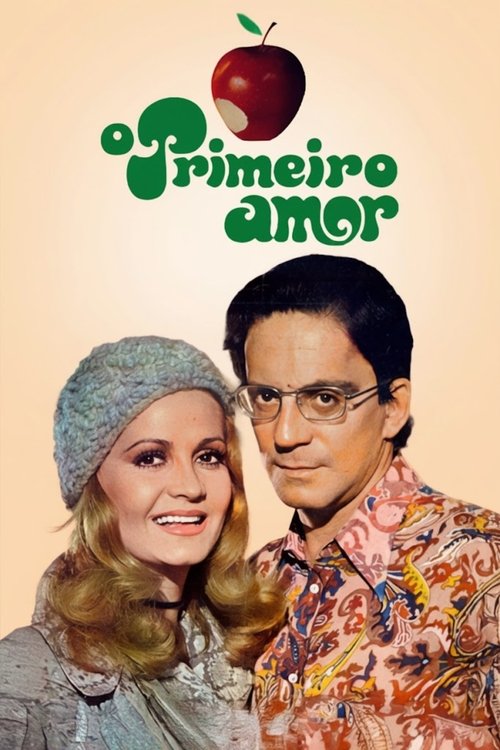
Professor Luciano Lima arrives in the fictional town of Nova Esperança to take over as principal of a school. A widower, he hires a governess to take care of his four children: Júnior, Babi, Zizi, and Rui. The professor and the governess, Paula, fall in love, but the romance faces strong resistance from the children, especially Babi, the most rebellious of the four. Luciano also encounters difficulties at the school. His former girlfriend, English teacher Maria do Carmo, does everything she can to steal his position as principal. Meanwhile, a group of maladjusted and rebellious students, led by the biker Rafa, disrupts the school environment and bothers the other students. In this scenario, Giovana, a young psychologist hired by Luciano to help him deal with the rebellious students, emerges. She ends up forming a love triangle with Paula and the professor.
O Primeiro Amor

Kiki Blanche is a former star dedicated to her family and her beauty salon, in the South Zone of Rio de Janeiro. In addition to Milena, her legitimate daughter, Kiki raises Fernanda, Paulo, Renata and Regina. The great conflict of the plot is Fernanda's passion for Fábio, a man also loved by Milena.
Locomotives

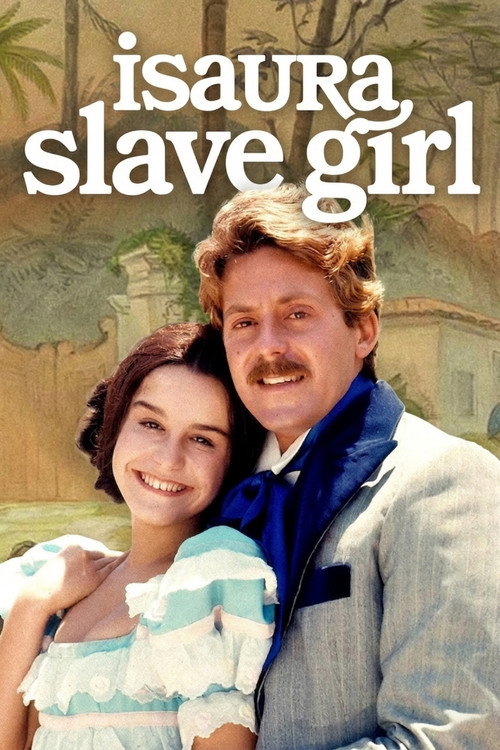
Set in 19th-century Brazil during the waning years of slavery, Escrava Isaura tells the story of Isaura, a white-skinned enslaved woman raised with the manners and education of a noble lady. Though treated with affection by her mistress, Isaura remains legally enslaved and becomes the object of obsessive desire by Leôncio Almeida, the cruel heir to the plantation. After the death of her protector, Isaura falls under Leôncio’s control. Despite his attempts to seduce and dominate her, she resists, determined to preserve her dignity and freedom. Her father, Miguel, helps her escape to Recife, where she adopts a new identity and meets Álvaro, a wealthy and principled abolitionist who falls in love with her. Leôncio eventually tracks her down, leading to dramatic confrontations. In the end, Álvaro rescues Isaura by purchasing Leôncio’s debts, securing her freedom and affirming the story’s central themes of justice, love, and resistance against oppression.
Isaura: Slave Girl

No description available.
Paraíso

The story revolves around the conflicts within Silvana and Oliva's family—her mother and paternal grandfather—who are fighting for custody of Zeca after the child's father dies.
Vereda Tropical

No description available.
Ciranda de Pedra

Coming-of-age series depicting the lives of six irreverent, dreamy college friends.