FEEL IT.STREAM
Thom Andersen

Thom Andersen

Directing

Biography

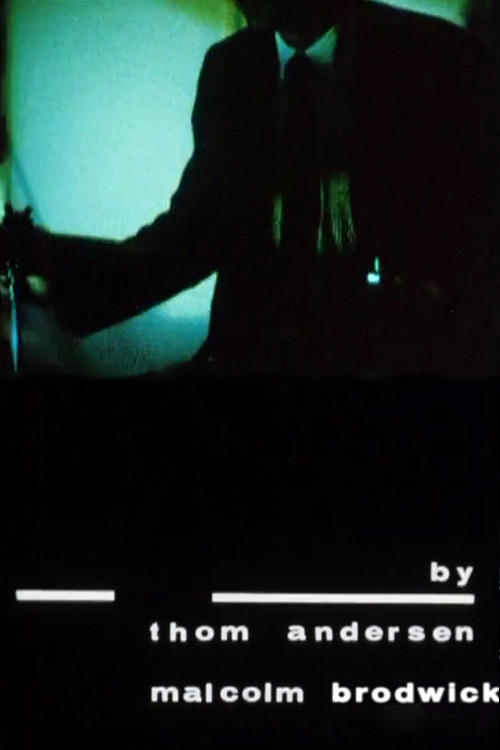
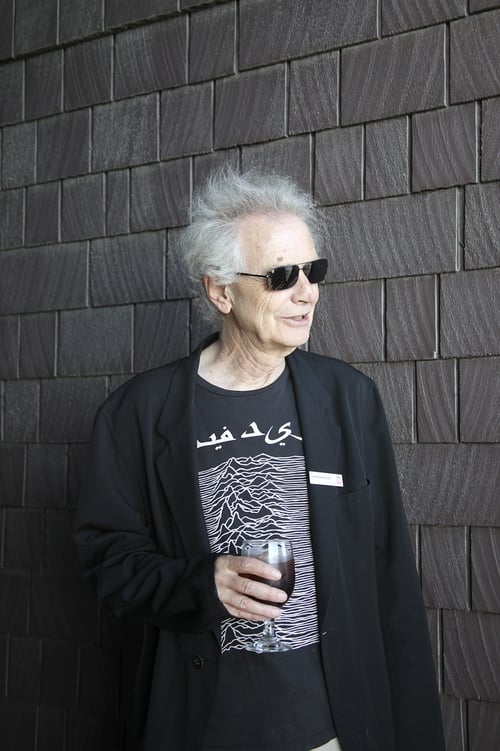
Thom Andersen has lived in Los Angeles for most of his life. In the 1960s, he made short films, including Melting (1965), Olivia’s Place (1966), and --- ------- (1967, with Malcolm Brodwick). In 1974 he completed Eadweard Muybridge, Zoopraxographer, an hour-long documentation of Muybridge’s photographic work. In 1995, with Noël Burch, he completed Red Hollywood, a videotape about the filmwork created by the victims of the Hollywood Blacklist. Their work on the history of the Blacklist also produced a book, Les Communistes de Hollywood: Autre chose que des martyrs, published in 1994. In 2003 he completed Los Angeles Plays Itself, a videotape about the representation of Los Angeles in movies. It won the National Film Board of Canada Award for Best Documentary Feature at the 2003 Vancouver International Film Festival, and it was voted best documentary of 2004 in the Village Voice Film Critics’ Poll. He has taught film composition at the California Institute of the Arts since 1987.
Known For

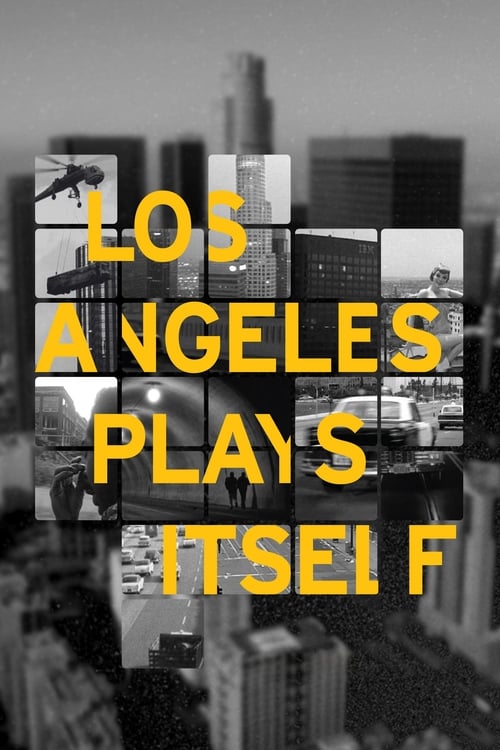
Los Angeles Plays Itself
7.6

From its distinctive neighborhoods to its architectural homes, Los Angeles has been the backdrop to countless movies. In this dazzling work, Andersen takes viewers on a whirlwind tour through the metropolis' real and cinematic history, investigating the myriad stories and legends that have come to define it, and meticulously, judiciously revealing the real city that lives beneath.

Los Angeles Plays Itself

2004
Red Hollywood
6.5

A documentary that examines the films made by the victims of the Hollywood Blacklist and offers a radically different perspective on a key period in the history of American cinema.

Red Hollywood

1996
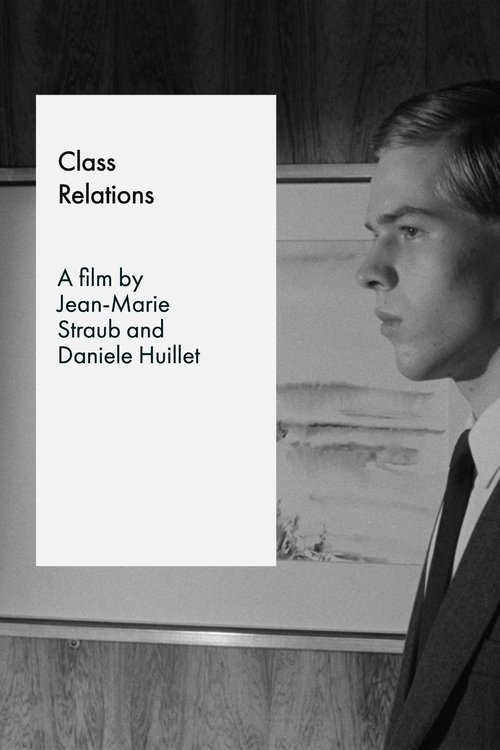
Class Relations
6.8

A young man, recently arrived in New York from Europe, becomes swept up in a series of events that are beyond his knowledge or control.

Class Relations

1984
Twenty Cigarettes
3.0

Celebrated for his minimal, monumental landscape studies, James Benning turns to the intimacy of the portrait in his latest film, TWENTY CIGARETTES. Referencing Warhol’s screen tests, 1930s Hollywood glamour, and the disappearing cigarette break, the film captures 20 of Benning’s friends (including filmmaker Sharon Lockhart, cultural theorist Dick Hebdige, and book editor Janet Jenkins) satiating their smoke cravings. Each shot’s length is determined by the time it takes each subject to smoke a cigarette, and over the course of the film a dynamic range of personalities emerges out of an array of physical characteristics, distinctive settings, and personal relationships to the camera. (Amy Beste and Jessica Bardsley)

Twenty Cigarettes

2011
The Tony Longo Trilogy
6.0

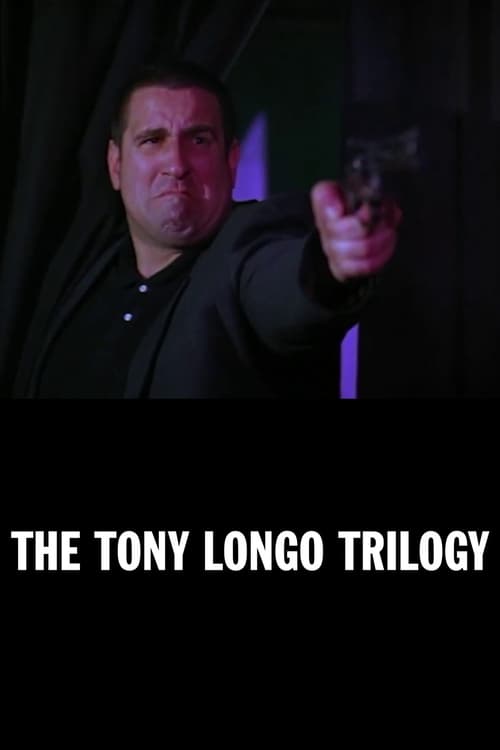
Although he has been limited to bit parts, the actor Tony Longo is an axiom of American action cinema: the giant who is too soft-hearted for the job. Composed of three short movies, Hey, Asshole!, Adam Kesher and You Fucking Dickhead!, The Tony Longo Trilogy brings together all of the actor’s scenes in three of his most memorable films: The Takeover (Troy Cook, 1995), Living in Peril (Jack Ersgard, 1997) and Mulholland Dr. (David Lynch, 2001).

The Tony Longo Trilogy

2014
Maurice
N/A

A short documentary portrait of Maurice Laroche, owner and projectionist of the 'Beverley', the last Porno Cinema in Paris.

Maurice

2011
No image
N/A

A “music video” to accompany the Farmingdale Sound Machine version of “California Sun,” originally recorded by the Rivieras. The Farmingdale Sound Machine had created a video for the song using clips from Thom Andersen's film Los Angeles Plays Itself. Andersen supplanted these with movie clips that "more precisely illustrate the song, although the relation to the lyrics will sometimes be ironic, befitting an ironic mournful version of the song."

California Sun

2015
The Thoughts That Once We Had
4.9

One of America’s foremost practitioners of the essay film presents a major new work inspired by the writings of Gilles Deleuze on cinema. Andersen’s The Thoughts That Once We Had is a richly layered journey through cinematic history, masterfully edited as it playfully moves across decades and genres, and suffused at every turn by the renowned filmmaker and critic’s lifelong passion for the movies.

The Thoughts That Once We Had

2015
Eadweard Muybridge, Zoopraxographer
7.2

Thom Andersen's hour-long documentary adroitly combines biography, history, film theory, and philosophical reflection. Muybridge's photographic studies of animal locomotion in the 1870s were a major forerunner of movies; even more interesting are his subsequent studies of diverse people, photographed against neutral backgrounds.

Eadweard Muybridge, Zoopraxographer

1975
Olivia's Place
N/A

Olivia may have felt no need to change, but the world around her was not bound by such an impractical sentiment. Olivia’s Place is gone. The site where it used to stand is now a sort of plaza between two large old wood frame houses that were moved to their present location from elsewhere in the city. One of these houses is occupied by a restaurant, the other is occupied by the California Heritage Museum. (Morgan Fisher) Preserved by the Academy Film Archive in 2008.

Olivia's Place

1974
Melting
5.0

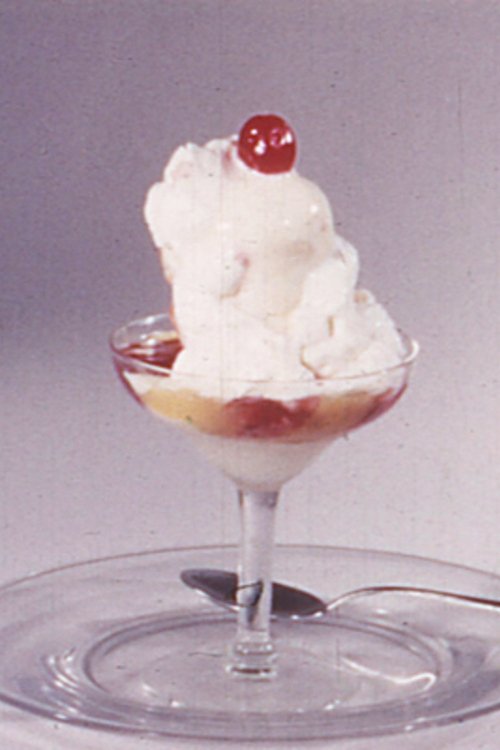
Melting shows the natural monostructural disintegration of a strawberry sundae, its passage from rigidity to softness, from edibility to waste. The spoon resting on the plate refers to the human presence, which lurks behind the screen, declining to interfere with what transpires. Preserved by the Academy Film Archive in 2009.

Melting

1965
A Train Arrives at the Station
5.0

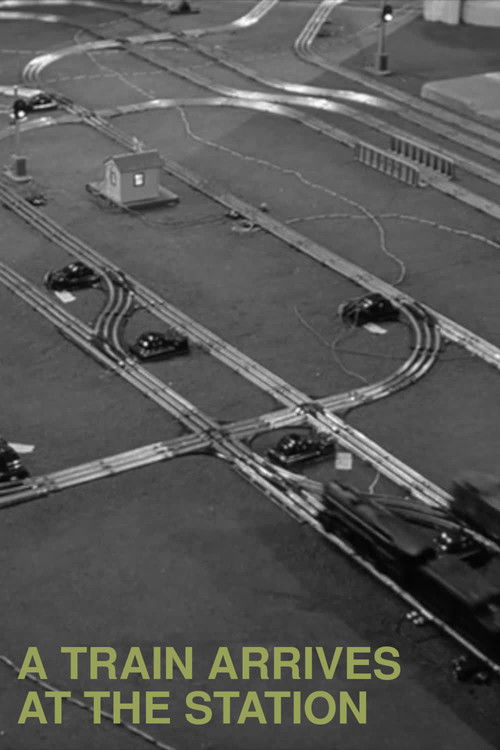
Created from material developed during "The Thoughts That Once We Had," this short film presents an anthology of 26 scenes from films made between 1904 and 2015, each depicting trains arriving at stations. The sequences are arranged in a serial structure, with black-and-white scenes in the first half paired with corresponding color sequences in the second half, forming a symmetrical visual progression.

A Train Arrives at the Station

2016
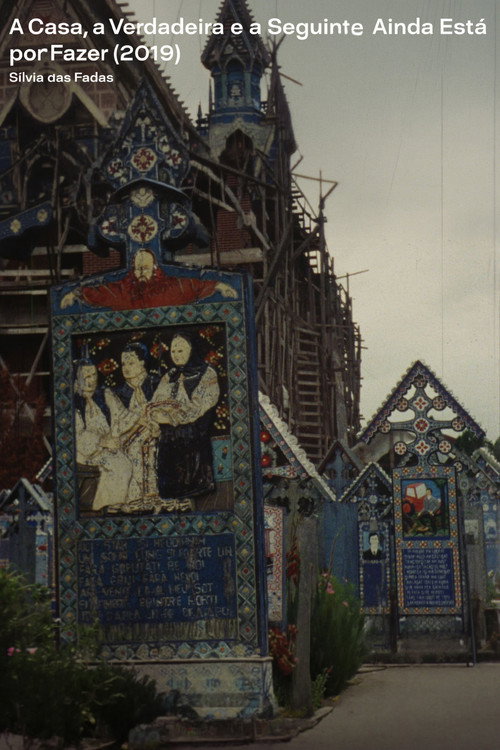
The House, The True One and The One That Follows, Is Yet to Be Built
N/A

A journey across unique places that challenge the world of their time, landmarks of the future built by revolutionary minds that can be described, each in their own way, as architectural utopias. The film is divided in five chapters which represent five works.

The House, The True One and The One That Follows, Is Yet to Be Built

2019
--- -------- (Rock and Roll Movie)
6.0

A documentary about rock 'n' roll. The Canned Heat, City Lights, Seeds of Time, LA Tymes, Llyn Foulkes, Charlie Watts, Chris & Craig, Duke of Earl, Seeburg, Wurlitzer, The Trip, The Lynch Bldg., Top's, Pandora's Box, Maverick's Flat, someone's backyard. Riot in cell block number nine, riot on Sunset Strip. Hotrod, coin slot, go cart, bomp club. Hound Dog Man, King Creole. Kim Weston, The Shangri-Las, The Supremes, Earl - Jean. The Rainbows, Wolfman Jack, Ernie Bushmiller, Jimmy Reed, Ray Charles, The Who, The Coasters. Standing at the crossroads of love. Fats Domino, Chuck Berry, John Cale, Screaming Jay Hawkins, Howlin Wolf, James Brown - The King. Wax reclamation. Frankie Avalon, The Beatles, The Yardbirds, Great Balls of Fire, an early clue to a new direction. Standing, walking, jumping, singing, surfing. Radio, jukebox, scopitone, pinball, poolhall. Mick Jagger/Earth Angel. Preserved by the Academy Film Archive in 2008.

--- -------- (Rock and Roll Movie)

1967
Get Out of the Car
5.4

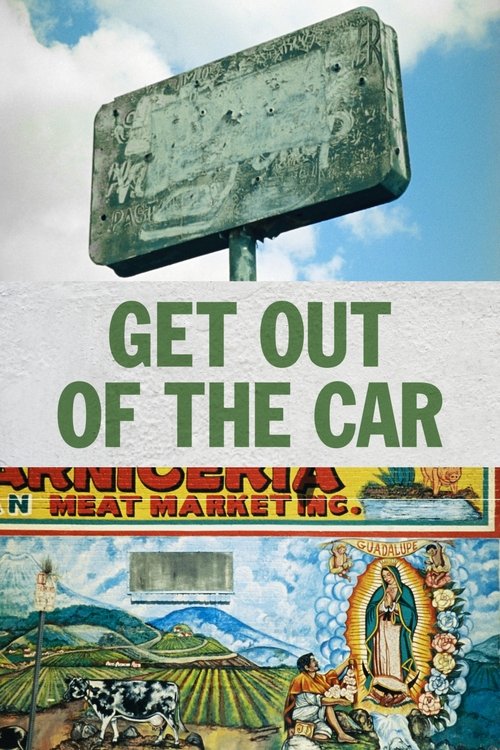
A city symphony film in 16mm composed from advertising signs, building facades, fragments of music and conversation, and unmarked sites of vanished cultural landmarks in Los Angeles.

Get Out of the Car

2010
Reconversion
6.0

With Reconversão (Reconversion), Thom Andersen opens another fascinating chapter of his ongoing investigation of architectural landscapes, their filmic representation, and their relation to history, by focusing on 17 buildings and projects by the often-controversial Portuguese architect Eduardo Souto de Moura—winner of the 2011 Pritzker Prize. Echoing Dziga Vertov’s concepts and Eadweard Muybridge’s techniques (shooting only one or two frames per second), Andersen masterfully brings forward what makes Souto de Moura an original: the incorporation of the passing of time into architectural designs, positing them within a history fraught with class struggle and societal changes, in a continuum with ruins—from which they may originate, and to which they will return—and with nature—which they frame, and by which they are framed.

Reconversion

2012
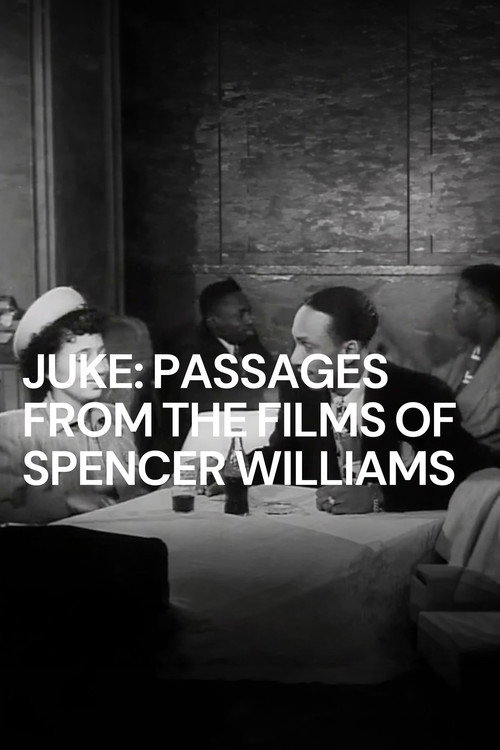
Juke: Passages from the Films of Spencer Williams
5.6

Thom Andersen (Los Angeles Plays Itself, Red Hollywood) reconsiders the films of Spencer Williams, the pioneering African American screenwriter, director, and actor whose 1940s melodramas centered on sinners and saints—Beale Street mamas and storefront preachers, crime bosses and upwardly striving lawyers and soldiers—who are tempted by jazz and sex and then set back on the glory road to salvation. - MoMA

Juke: Passages from the Films of Spencer Williams

2015
California Here I Come
N/A

No description available.

California Here I Come

2017
No image
N/A

Andersen's first extant work as a filmmaker, made as group project while he was a film student at the University of Southern California. A spirited adaptation of Beckett's eponymous mimed play, efficiently compressed to the 300 foot (16mm) class requirement, Act Without Words boasts an uncredited Lester Young soundtrack that points towards Andersen's interest in American musical traditions.

Act Without Words

1964