Otto Lantschner
Production
Known For
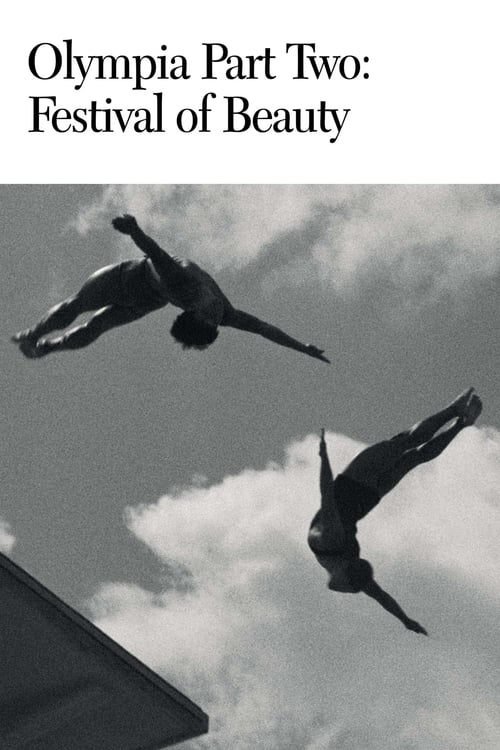
Part two of Leni Riefenstahl's monumental examination of the 1938 Olympic Games, the cameras leave the main stadium and venture into the many halls and fields deployed for such sports as fencing, polo, cycling, and the modern pentathlon, which was won by American Glenn Morris.
Olympia Part Two: Festival of Beauty
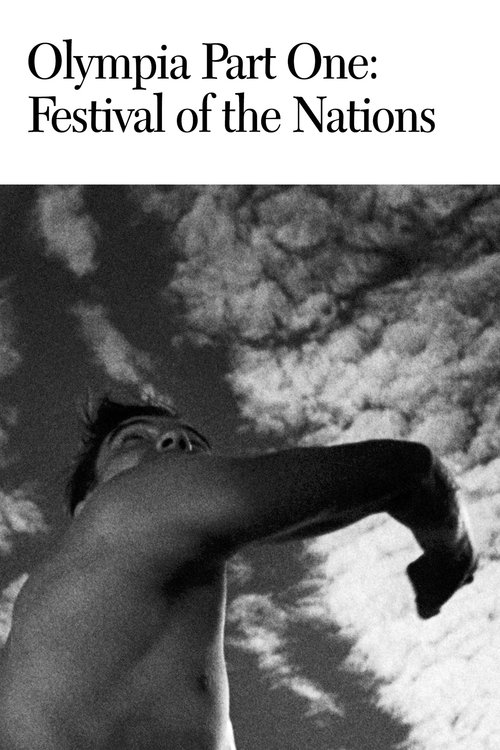
Starting with a long and lyrical overture, evoking the origins of the Olympic Games in ancient Greece, Riefenstahl covers twenty-one athletic events in the first half of this two-part love letter to the human body and spirit, culminating with the marathon, where Jesse Owens became the first track and field athlete to win four gold medals in a single Olympics.
Olympia Part One: Festival of the Nations
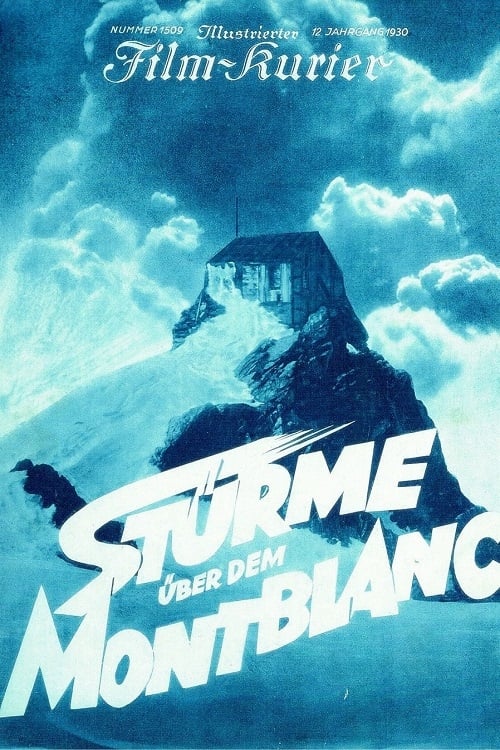
Hannes is employed at the Mont Blanc Observatory; the only outside connection is a pilot and Hella over the radio. Hella ascends the mountain but her father dies along the way.
Storm Over Mont Blanc
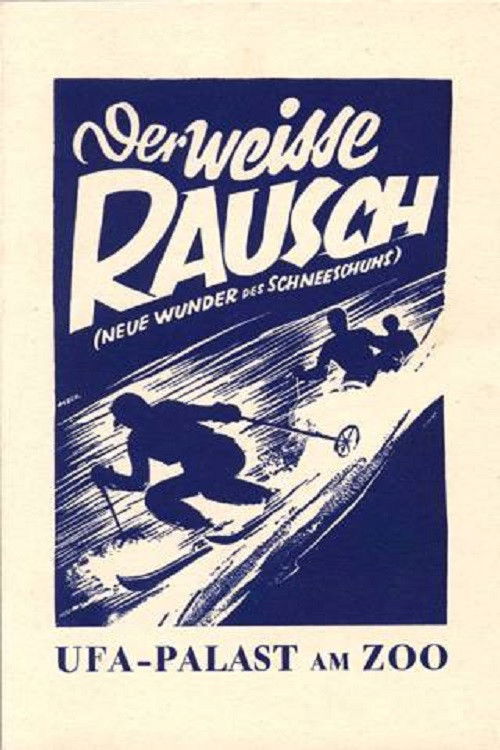
The exploits of village girl Hannes and her attempts to master skiing and ski-jumping aided by the local expert.
The White Ecstasy
In the spring of 1937 Leni Riefenstahl had only just started editing the 1st part of her magnum opus Olympia and it became clear that the film would not be ready for another year. The German authorities, who were financing the film, began to fear that these delays would have a negative impact on the future commercial success of the two Olympia films and so it was decided to create a promotional film, in English and in French, in order to maintain public interest for the film.
The Olympia Film Comes into Being
No description available.