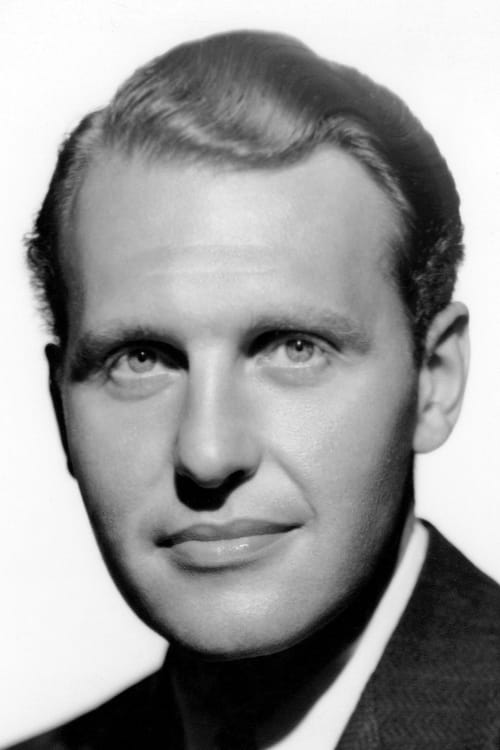
Ralph Bellamy
Acting
Biography
From Wikipedia, the free encyclopedia. Ralph Rexford Bellamy (June 17, 1904 – November 29, 1991) was an American actor whose career spanned 62 years on stage, screen and television. During his career, he played leading roles as well as supporting roles, garnering acclaim and awards, including an Academy Award nomination for Best Supporting Actor for The Awful Truth (1937). His film career began with The Secret Six (1931) starring Wallace Beery and featuring Jean Harlow and Clark Gable. By the end of 1933, he had already appeared in 22 movies, most notably Rebecca of Sunnybrook Farm (1932) and the second lead in the action film Picture Snatcher with James Cagney (1933). He played in seven more films in 1934 alone, including Woman in the Dark, based on a Dashiell Hammett story, in which Bellamy played the lead, second-billed under Fay Wray. Bellamy kept up the pace through the decade, receiving a nomination for the Academy Award for Best Supporting Actor for his role in The Awful Truth (1937) with Irene Dunne and Cary Grant, and played a similar part, that of a naive boyfriend competing with the sophisticated Grant character, in His Girl Friday (1940). He portrayed detective Ellery Queen in a few films during the 1940s, but as his film career did not progress, he returned to the stage, where he continued to perform throughout the 1950s. Bellamy appeared in other movies during this time, including Dance, Girl, Dance (1940) with Maureen O'Hara and Lucille Ball, and the horror classic The Wolf Man (1941) with Lon Chaney, Jr. and Evelyn Ankers. He also appeared in The Ghost of Frankenstein in 1942 with Chaney and Bela Lugosi. Bellamy appeared in numerous television series. In 1949, Bellamy starred in the television noir private eye series Man Against Crime (also known as Follow That Man) on the DuMont Television Network; initially telecast live in its earliest seasons, the program lasted until 1956 and was simulcast for a season on Dumont and NBC, and ran on CBS during a different year. The lead role was taken by Frank Lovejoy in 1956, who subsequently starred in NBC's Meet McGraw detective series. An Emmy Award nomination for the mini-series The Winds of War (1983) – in which Bellamy reprised his Sunrise at Campobello role of Franklin D. Roosevelt – brought him back into the spotlight. Highly regarded within the industry, Bellamy served as a four-term President of Actors' Equity from 1952–1964. Description above from the Wikipedia article Ralph Bellamy, licensed under CC-BY-SA, full list of contributors on Wikipedia.
Known For

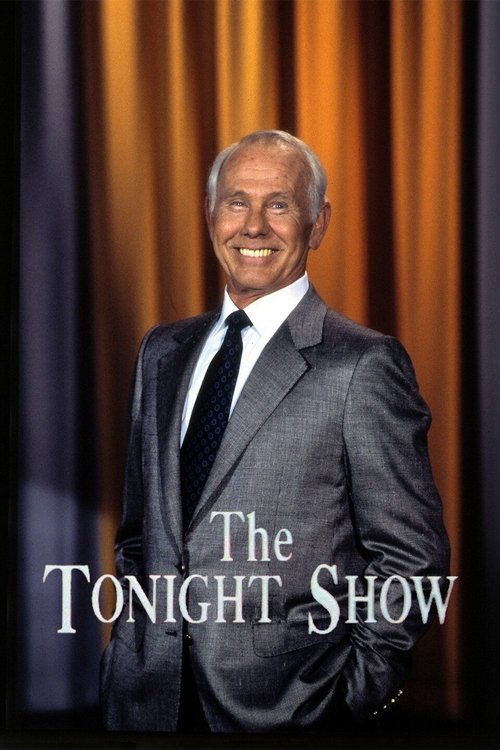
The Tonight Show Starring Johnny Carson is a talk show hosted by Johnny Carson under The Tonight Show franchise from 1962 to 1992. It originally aired during late-night. For its first ten years, Carson's Tonight Show was based in New York City with occasional trips to Burbank, California; in May 1972, the show moved permanently to Burbank, California. In 2002, The Tonight Show Starring Johnny Carson was ranked #12 on TV Guide's 50 Greatest TV Shows of All Time.
The Tonight Show Starring Johnny Carson

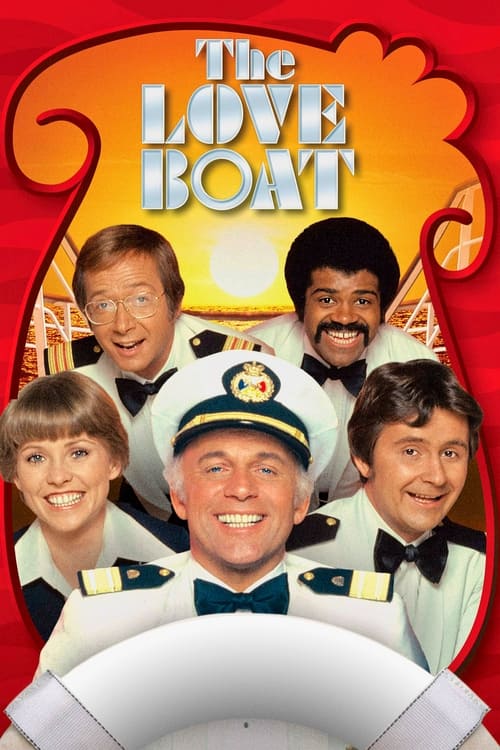
Passengers who search for romantic nights aboard a beautiful ship travelling to tropical or mysterious countries, decide to pass their vacation aboard the "Love Boat", where Gopher, Dr. Bricker, Isaac, Julie, and Captain Stubing try their best to please them, and sometimes help them fall in love. Things are not always so easy, but in the end, love wins.
The Love Boat

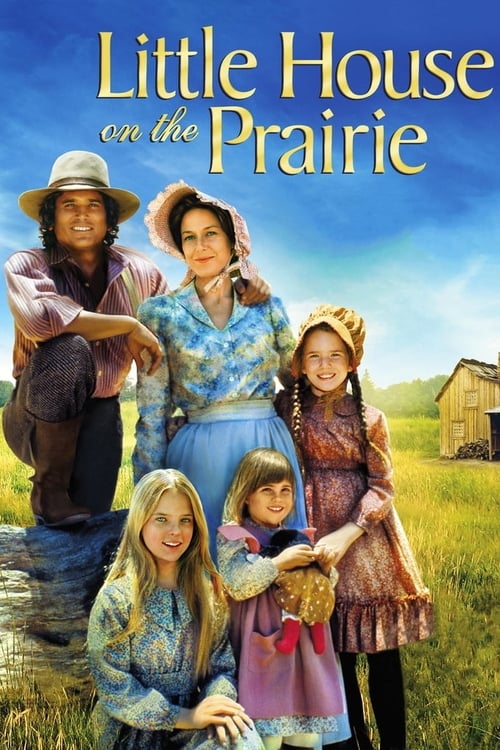
When the big woods of Wisconsin becomes a difficult spot for hunting, Charles Ingalls reluctantly decides to move his family, pioneering west. Their life on the farm in Walnut Grove, Minnesota, in the 1870s and 1880s is full of adventure, tragedy, and triumph. Based on the books of Laura Ingalls Wilder.
Little House on the Prairie

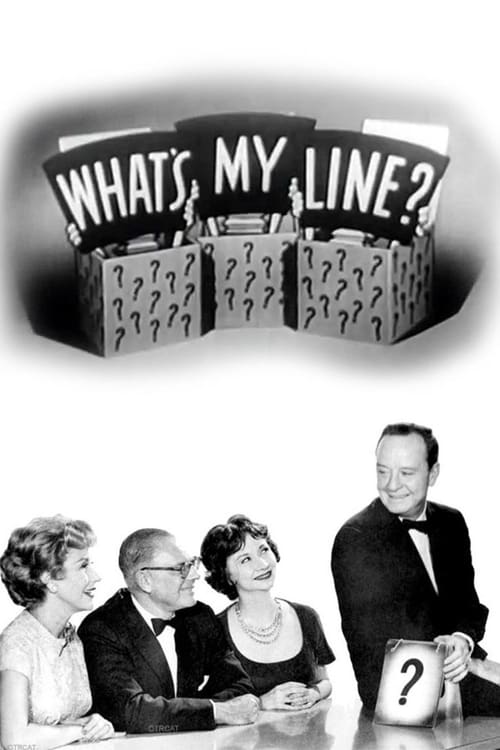
Four panelists must determine guests' occupations - and, in the case of famous guests, while blindfolded, their identity - by asking only "yes" or "no" questions.
What's My Line?

L.A. Law is an American television legal drama series that ran for eight seasons on NBC from September 15, 1986, to May 19, 1994. Created by Steven Bochco and Terry Louise Fisher, it contained many of Bochco's trademark features including a large number of parallel storylines, social drama and off-the-wall humor. It reflected the social and cultural ideologies of the 1980s and early 1990s, and many of the cases featured on the show dealt with hot-topic issues such as abortion, racism, gay rights, homophobia, sexual harassment, AIDS, and domestic violence. The series often also reflected social tensions between the wealthy senior lawyer protagonists and their less well-paid junior staff. The show was popular with audiences and critics, and won 15 Emmy Awards throughout its run, four of which were for Outstanding Drama Series.
L.A. Law

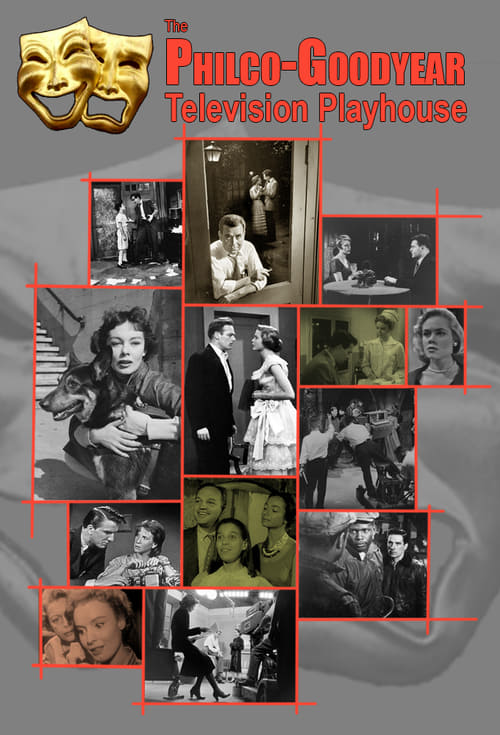
The Philco Television Playhouse is an American anthology series that was broadcast live on NBC from 1948 to 1955. Produced by Fred Coe, the series was sponsored by Philco. It was one of the most respected dramatic shows of the Golden Age of Television, winning a 1954 Peabody Award and receiving eight Emmy nominations between 1951 and 1956.
The Philco Television Playhouse

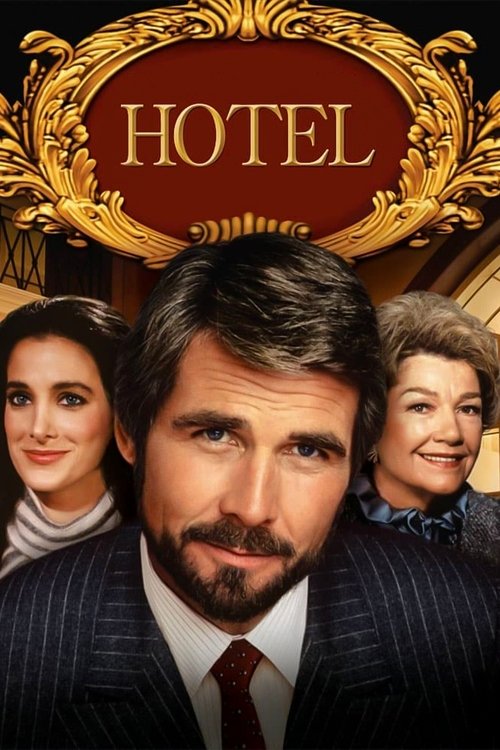
Hotel is an American prime time drama series which aired on ABC from September 21, 1983 to May 5, 1988 in the timeslot following Dynasty. Based on Arthur Hailey's 1965 novel of the same name, the series was produced by Aaron Spelling and set in the elegant and fictitious St. Gregory Hotel in San Francisco. Establishing shots of the hotel were filmed in front of The Fairmont San Francisco atop the Nob Hill neighborhood. Episodes followed the activities of passing guests, as well as the personal and professional lives of the hotel staff.
Hotel

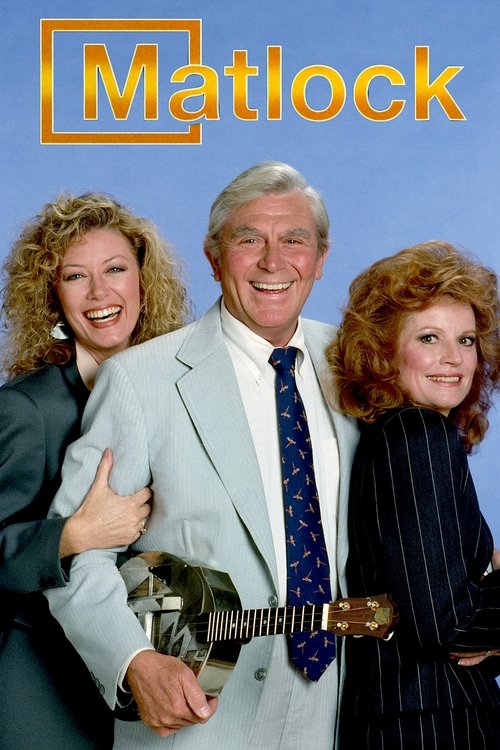
Thrifty, folksy and cantankerous, Matlock charges a premium for his services but is worth every penny: This renowned attorney, always clothed in his trademark light-gray suit and driving his signature Ford Crown Victoria, has an uncanny knack for finding overlooked clues and exposing murderers in dramatic courtroom scenes.
Matlock

Climax! is an American anthology series that aired on CBS from 1954 to 1958. The series was hosted by William Lundigan and later co-hosted by Mary Costa. It was one of the few CBS programs of that era to be broadcast in color. Many of the episodes were performed and broadcast live.
Climax!

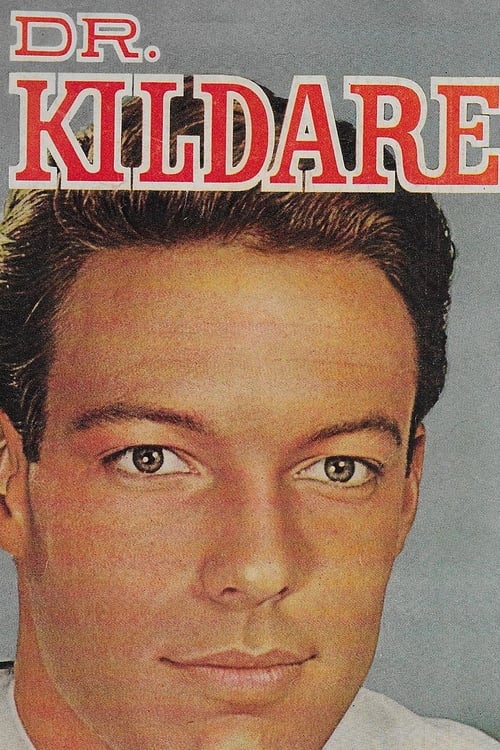
The story of a young intern in a large metropolitan hospital trying to learn his profession, deal with the problems of his patients, and win the respect of the senior doctor in his specialty, internal medicine.
Dr. Kildare

This 1980s revival of the classic sci-fi series features a similar style to the original anthology series. Each episode tells a tale (sometimes two or three) rooted in horror or suspense, often with a surprising twist at the end. Episodes usually feature elements of drama and comedy.
The Twilight Zone

The Antoinette Perry Award for Excellence in Theatre, more commonly known as a Tony Award, recognizes achievement in live Broadway theatre. The awards are presented by the American Theatre Wing and The Broadway League at an annual ceremony in New York City. The awards are given for Broadway productions and performances, and an award is given for regional theatre.
Tony Awards
No description available.
Bob Hope Presents the Chrysler Theatre

The F.B.I. is an American television series that was broadcast on ABC from 1965 to 1974. It was sponsored by the Ford Motor Company, and the characters almost always drove Ford vehicles in the series. Alcoa was co-sponsor of Season One only.
The F.B.I.

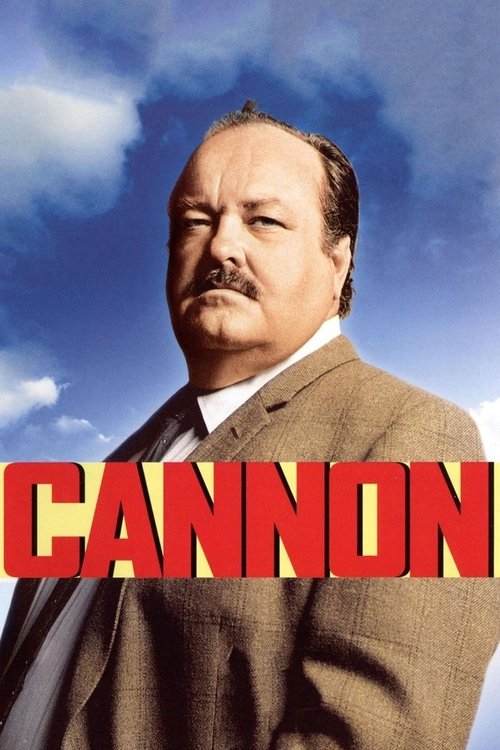
Cannon is a CBS detective television series produced by Quinn Martin which aired from March 26, 1971 to March 3, 1976. The primary protagonist is the title character, private detective Frank Cannon, played by William Conrad. He also appeared on two episodes of Barnaby Jones. Cannon is the first Quinn Martin-produced series to be aired on a network other than ABC. A "revival" television film, The Return of Frank Cannon, was aired on November 1, 1980. In total, there were 124 episodes.
Cannon

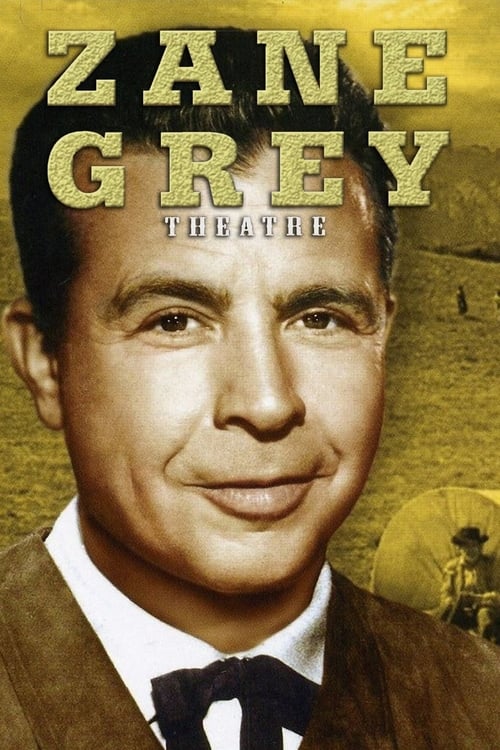
Dick Powell's Zane Grey Theatre, sometimes simply called Zane Grey Theatre, is an American Western anthology series which ran on CBS from 1956 to 1961.
Dick Powell's Zane Grey Theatre

An American radio–television anthology series, created in 1947 by Canadian director Fletcher Markle, who came to CBS from the CBC. Studio One, presented by Westinghouse, was one of the first of the anthology TV programs. The episodes were often abridged remakes of movies from years gone by and many future well-known television and movie actors appeared in the productions.
Studio One

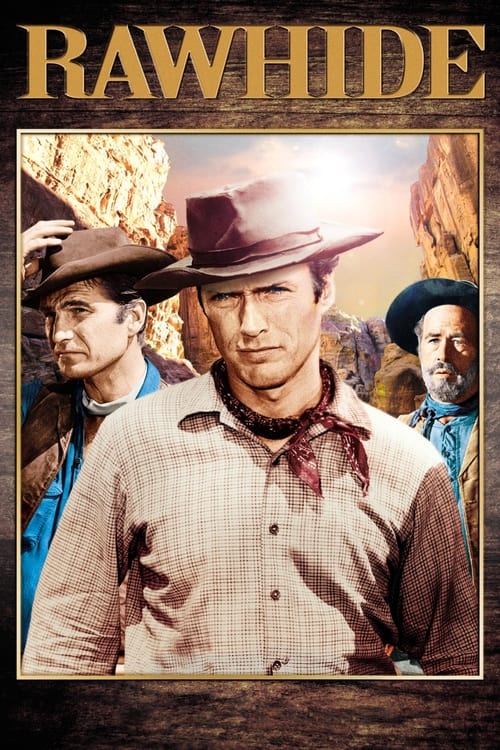
The tale of trail boss Gil Favor and his trusty foreman Rowdy Yates as they drives cattle across the old west. Along the way they meet up with adventure and drama.
Rawhide

Medical Center is a medical drama series which aired on CBS from 1969 to 1976. It was produced by MGM Television.
Medical Center

Run for Your Life is an American television drama series starring Ben Gazzara as a man with only a short time to live. It ran on NBC from 1965 to 1968. The series was created by Roy Huggins, who had previously explored the "man on the move" concept with The Fugitive.