Acting
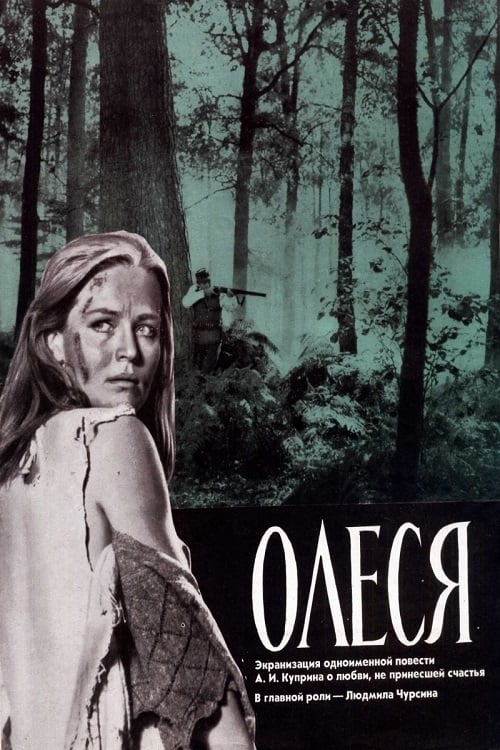
A young man from the city falls in love with a girl from the country side. She is not accepted by the village community: people think she is a witch.
The fishery supervision employee is killed. During the investigation the public law enforcement official has looked out on the trace of the illegal grouping which has serious reasons for the commission of more considerable crimes than the illegal animals killings.
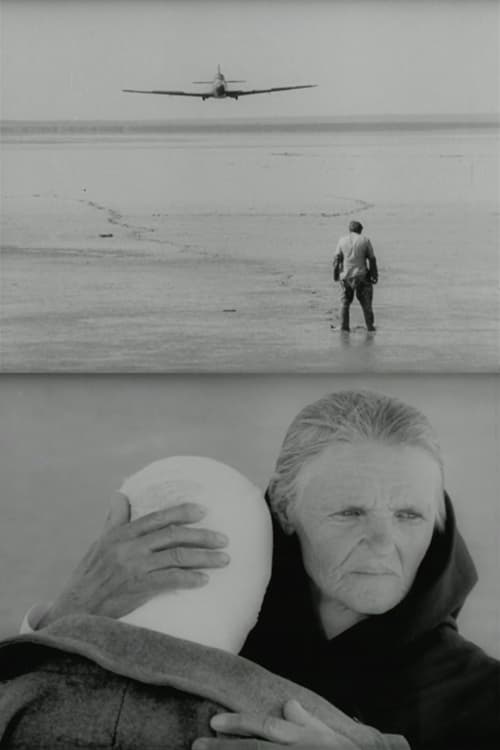
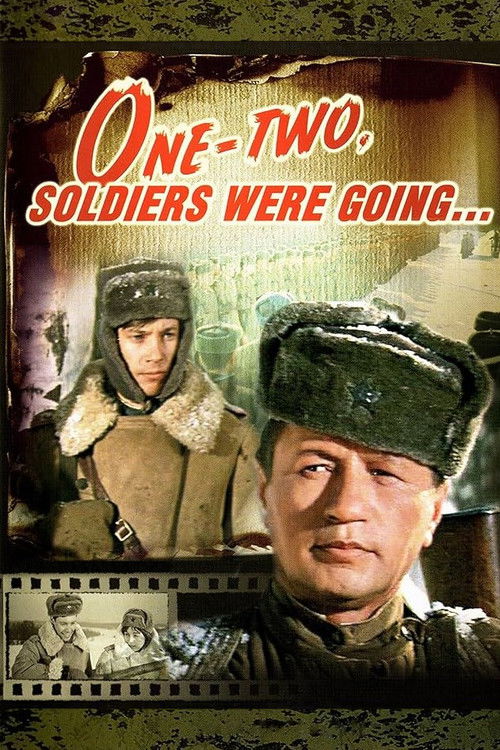
This film ballad is dedicated to those who never returned home from WW2. A group of retreating Soviet soldiers, crossing a lunar terrain in a desperate attempt to escape death, is attacked by a German fighter plane that appears like a bolt from the blue. One by one they are killed. Then suddenly, in an unlikely denouement bordering on the mystical, the attacker is shot down with a simple rifle. For ideological reasons that defy understanding this film, one of Viktor Hres’ earliest works, was shelved in 1967 by Soviet censors. In 2010, it was restored by the Debut Studio of the Oleksander Dovzhenko Film Studio with the support of the Ministry of Culture and Tourism of Ukraine.
A man is notified of his father's imminent death. He travels to his father in a remote Ukrainian village, recalling his childhood during the disastrous forced collectivization and artificial famine (Holodomor) of the 1930s by the Soviet regime. The film was heavily cut due to censorship by the Soviet Government.
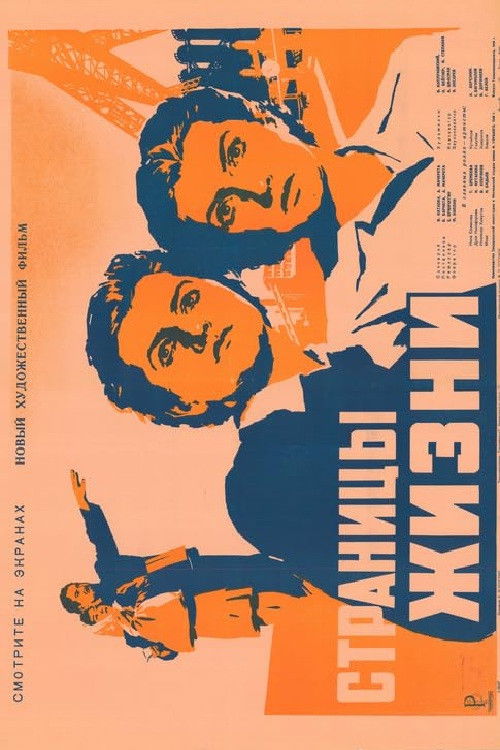
The story of a young woman who, after her years at university in the city, returns to her hometown an engineer and begins work on a huge new power plant. She continues to supervise work on the plant throughout the war.
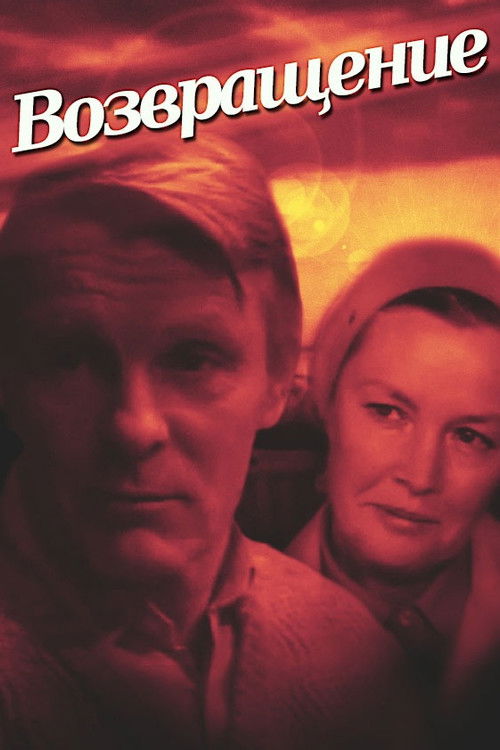
Sergey Mikhailovich Sorokin comes to his native village to sell his house. After meeting with his fellow villagers, he learns a lot about their lives. Sergey Mikhailovich decides to stay and work at his native state farm in order to return to his homeland forever...
The collective farm driver Vasyl and the young Anyuta were happy when they celebrated their wedding. But soon married life becomes a burden for the girl – Vasyl does nothing but buy and acquire things.
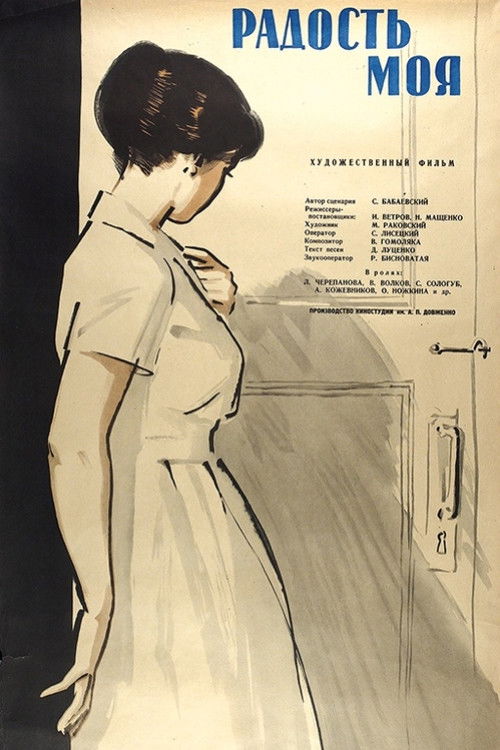
The young energetic Lyudmila Petrovna Nikitina, who worked as a milkmaid on the farm, decided to radically change her life. Settling the head of a rural furniture store, she sold a cow, pigs, sheep, and even invited the sons of a music teacher from the city, violinist Valerian Sergeyevich, to her sons. Her husband Theodosius, a collective farm carpenter, is not able to reason with his wife, but at the same time he does not intend to put up with the new order. To Lyudmila Petrovna’s surprise, the music teacher, who had a taste for village life, also fell under the influence of Theodosius. Once, having seized children, the men fled home. With difficulty, Lyudmila Petrovna was able to restore the broken family peace, and the wife of Valerian Sergeyevich to return his husband home.
The families of 18 soldiers who heroically died in 1944 are meeting at the place of the squad last battle.
The former policeman dismissed from the criminal investigation Department for abuse of authority, entrusted to engage in the search for gunner burglary and for conspiracy, in the interests of the investigation, it is prescribed by the district. So again, in fact, from scratch, Stas begins his career…
Varya Kravets remains on her native collective farm after graduating from school. Her first love also came to her. The death of her beloved is all the more unexpected for her. Fellow villagers are helping to overcome the crisis.
Combine harvester operator Vasyl Bylan decides to leave for the Volga region for the harvest right after his wedding. There he receives a commemorative gift for his labor. He wants to return to his wife, but the guys call him to the Altai - snow has fallen there and the grain is perishing. He helps harvest the grain and it becomes clear that without him everyone would drag it off to their personal barns...
Village boy Klimko, accompanying his father to the front, stays with his stepmother. In the occupied village, the hero cannot see his friends. Having survived hunger, injuries and loneliness, the boy enters a vocational school - nine kilometers from the village - and works with new friends for the front...
The Black Council gives a vivid picture of the different levels of society in seventeenth-century Ukraine. The main theme is the need for people to be motivated by high ideals as they engage in the struggle of truth with injustice.
David Motuzka, demobilized Red Army soldier, returns to his native village, hoping to see the changes caused by the revolutionary events. But he cannot see no improvement. The village is ruled by the kulaks and David's childhood friend Kornii Matiukha helps them.
There is a war. In occupied Ukraine, the fascists fiercely suppress any centers of resistance among the civilian population, but now young people are joining the fight against the invaders. In the town of Malin, Zhytomyr Region, Nina Sosnina and her friends create an underground cell.
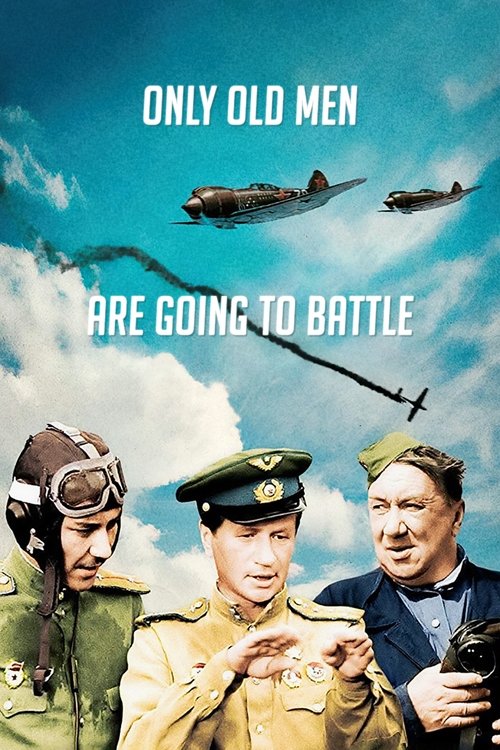
Alexey Titarenko is very talented pilot and brave leader of "Singing group". He also must look after some new cadets and fight together with them against German Luftwaffe planes. Close to Alexey always are his friends, they are all from different parts of the country, but they all became real brothers.
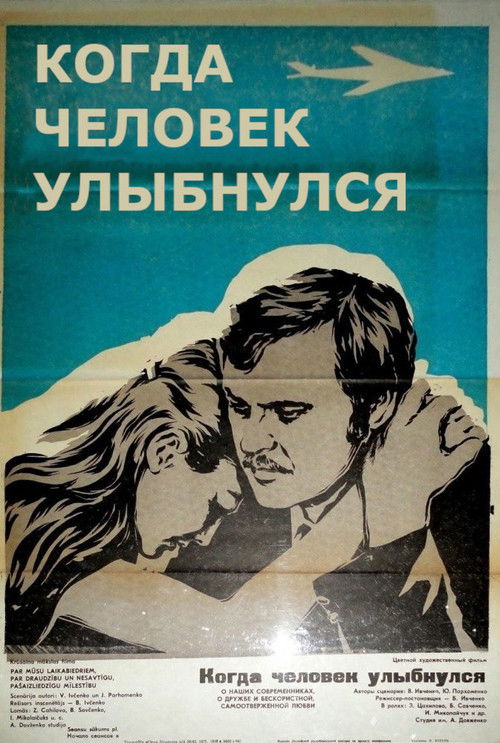
The film is about the tragedy of two families when a pilot Roman and a flight attendant Olga died in a car accident. Olga and Aleksey's young son lost his mother, and Inga lost her loved one. As a devoted friend, Alexey does everything he can to make Inga's pain less unbearable. He drowned out his pain by caring for his son. But as time passes, wounds heal, the son grows up, and it turns out that Alexei is still the most loyal friend in Inga's life, and there is no one closer…
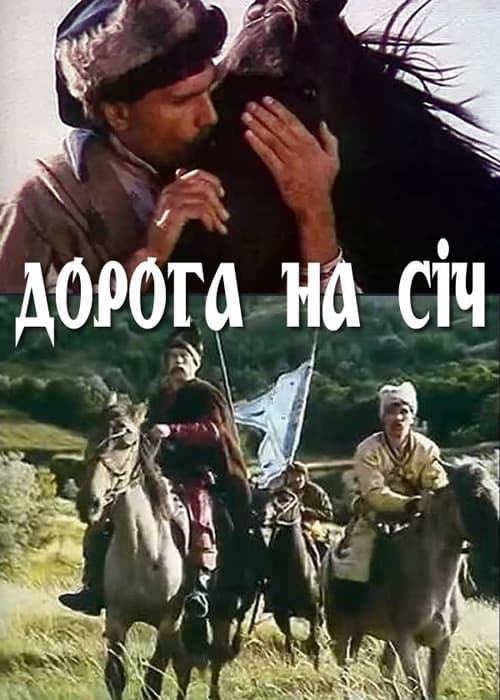
At the beginning of the XVII century, events take place preceding the liberation struggle led by Bohdan Khmelnytsky. A young boy Pavlo Pokhylenko leaves his native Kaniv to join the Zaporizhian Sich (camp and cossack army) to fight for freedom and the Orthodox faith.
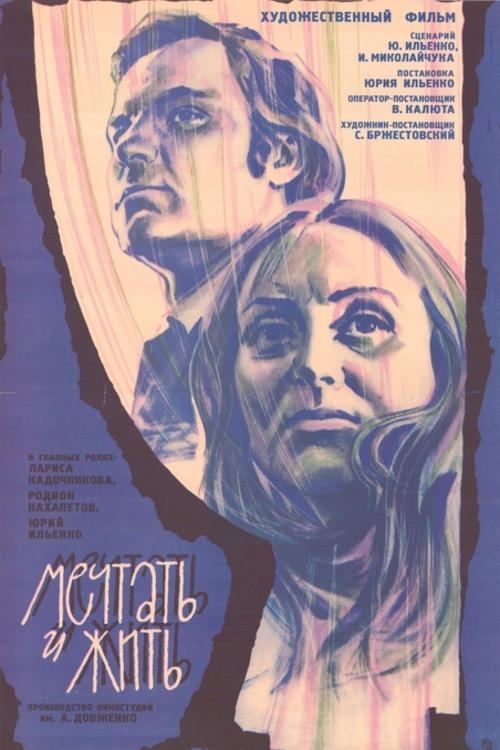
The script about loneliness, conformity and the impossibility of creative realization scared the editorial censorship at the studio, and then at Derzhkino. A lot of claims were made against him. The demands for amendments and endless additions and rewrites by the authors lasted for about a year. The original version of the title "Na pokhony!" ("To bow down!") was replaced by "To Dream and to Live". According to Pylyp Ilyenko, the director's eldest son, this name appeared "as a result of censor pressure." Censorship stopped the tape 40 times: at the stage of the literary script, director's, during film tests (the actors were not approved), filming, etc. The film catastrophically fell apart into fragments, into masterfully filmed, but unrelated scenes. The director called the finished version a "dead film".