Directing
April 5, 2000, Concordia, Entre Ríos. Two major media outlets broadcast live from the most impoverished city in the country, where a guerrilla group is preparing to "go to war" against the established order.
A man travels to the Argentine north following the leads of a mythical pre-Columbian entity in charge of the relatives’ sorrow. The roads at night, the inns and the large salina of Zelarayán’s poem reject anthropological shortcuts and build up a mystery that is perhaps as formidable as the very bearer of sorrow.
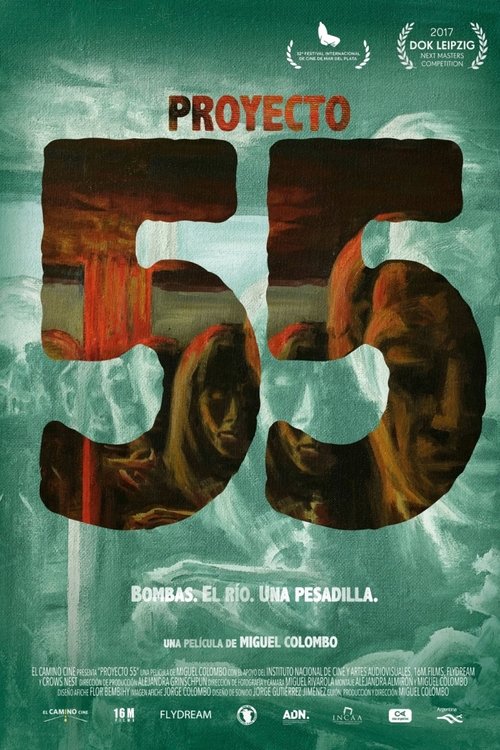
A recurring nightmare immerses the filmmaker into a visual research in the first person. Beginning with the 1955 bombing of Buenos Aires, the film elaborates a disturbing essay about violence. Combining a variety of different materials the director follows a line of thought that starts with his grandparents at World Wars I and II, and passes through Vietnam and the atomic weapons, reflecting about the kind of world we make for ourselves and for coming generations.
At a maximum security prison, a boxer searches for his freedom and receives advice from the leader of the cell block , along with a group of young men who want to be millionaires and another one who has just been imprisoned for murder. The director of the films coexists with them and obtains a portrait from the edge.
Carlos parks in reverse, as fast as he can. He gets out of the car carrying a bag, opens the door of a house with his keys, but doesn’t go in. He locks it and rings the doorbell. Once, twice. Until a 15-year-old boy appears. Together they will do what neither of them want to do: bury the family dog.
Self-assured, mysterious, and captivating Linda agrees to work at an affluent home in Buenos Aires. Her charm sparks strong sexual attraction among all members of the family, exposing how fragile their externally happy veneer really is.
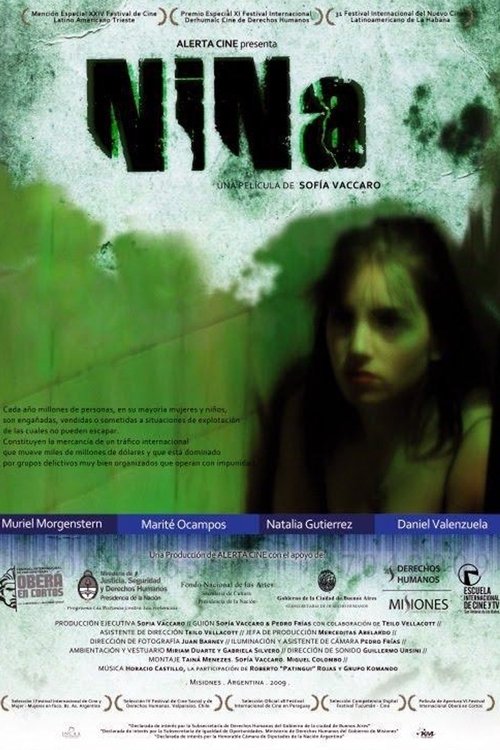
Nina is a 16-year-old girl who lives in a rural neighborhood of Oberá (Misiones, Argentina). She works on the farm and in the village to support her family, which prevents her from attending school. One day, she is enticed to travel to the capital by a job offer as a nanny, offering a good salary and the opportunity to study. She shares this dream with Lourdes, her Paraguayan cousin from a marginalized neighborhood in the city of Encarnación, who receives a similar offer.
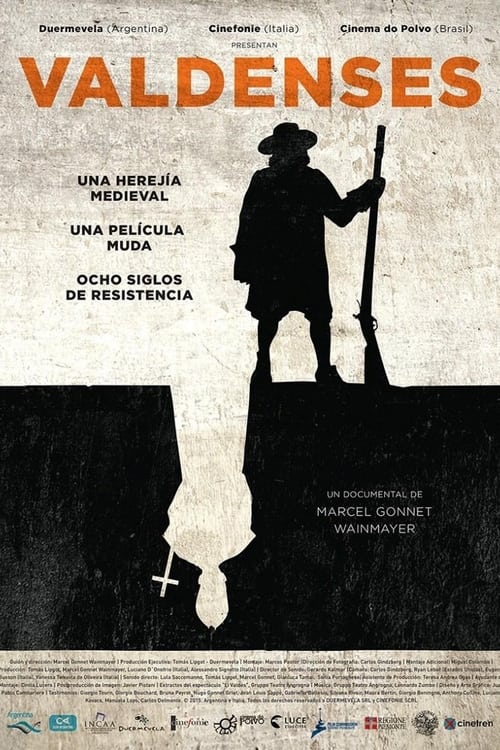
A medieval heresy and the first Protestant church in history, the Waldenses are both an 850-year-old peasant community and a current that in recent decades has challenged the Vatican on issues such as gay marriage, euthanasia and abortion.
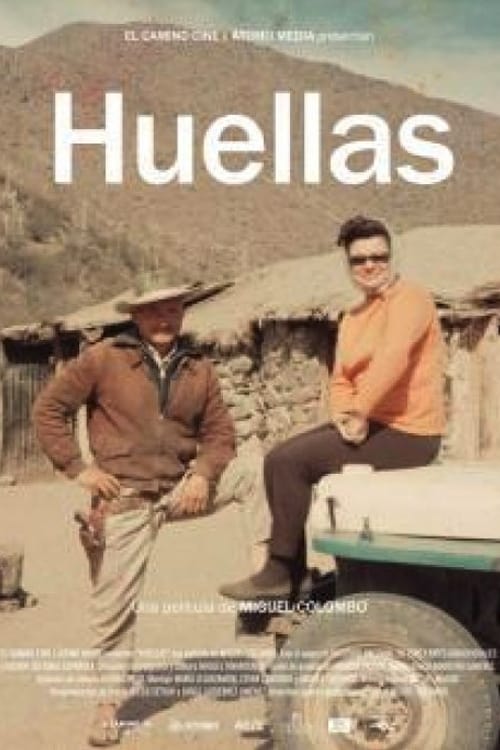
An intimate geographic route where the director narrates in first person the story of his grandfather Ludovico, an Italian arrived in Argentina after fighting in World War II. With very few clues begin to map the features of a grandfather he never knew and soon reveals disturbingly contradictory.
In an intimate and geographical journey, the director tells in the first person the story of his grandfather Ludovico, an Italian who arrived in Argentina after fighting in World War II and who soon reveals himself disturbingly contradictory. His traces still mark his descendants today, and unraveling his history becomes crucial to assimilate the present. In search of his secrets, the director must go into the desert, face the silences of his own history, redefine his identity and rebuild family ties that have been broken for years.
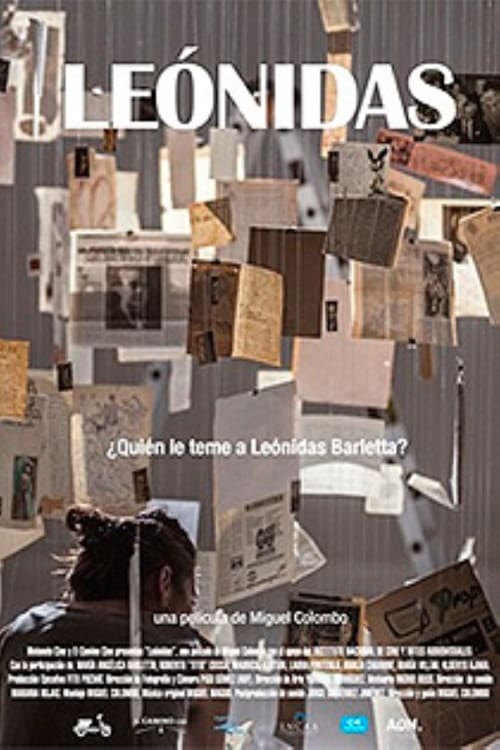
Portrait of Leónidas Barletta, founder of Teatro del Pueblo, the first independent theatre in Latin America. This film on the controversial theatre director and left wing journalist is constructed from the letters and books Leónidas sent to his young sister María Angélica, godmother of director Miguel Colombo, who decides to leave her brother's legacy in the hands of her godson before she dies.
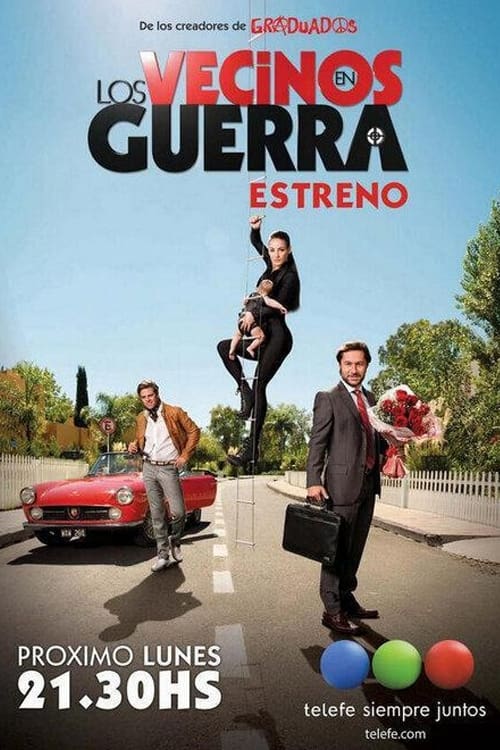
Los Vecinos en Guerra (Spanish: Neighbors at War) is an Argentine television comedy starring Diego Torres, Eleonora Wexler and Mike Amigorena and originally aired on Underground contenidos.[1]
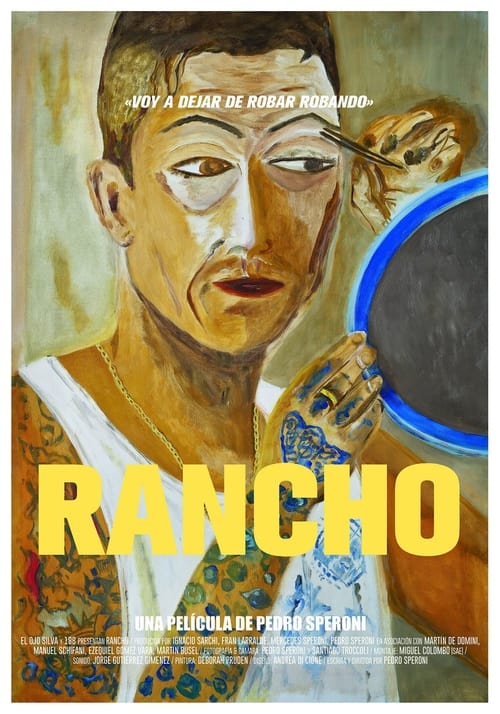
Iván Bilbao has just spent 5 years in prison. Upon his release, he is reunited with his wife Yamila, his daughter Luz, and Chascomùs, his hometown, where his reputation is notorious. Eager to settle down, he resumes boxing and pawnbroking. Pedro Speroni films this chaotic return up close, underscored by tight, uppercut-like editing work.
Diana Rutkus was born a nomad, but she learned this only years later. The daughter of a tightrope walker and trapeze artist mother and a lion tamer and drummer father, Diana spent her childhood between the circus tent and the trailer. Cirquera thus explores a search for a diffuse and fragmented history.
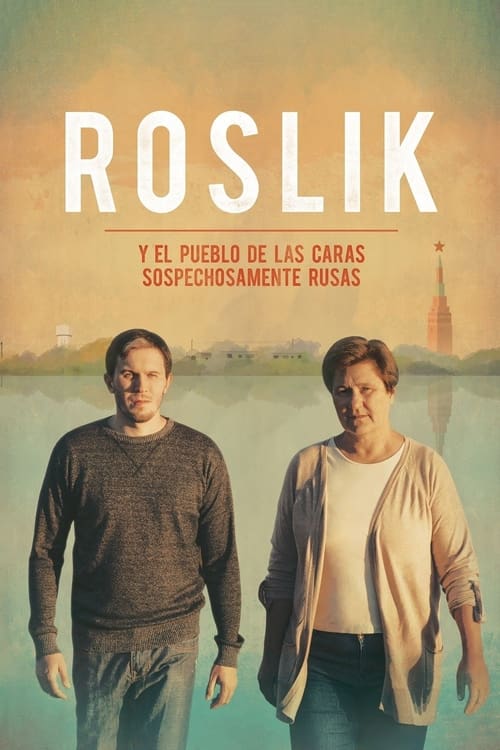
Dr. Vladimir Roslik was born and raised in the town of San Javier, founded by Russian immigrants on the banks of the Uruguay River, and graduated as a doctor in Moscow in the late 1960s during the Cold War. He later decided to return to his small town in Uruguay to practice his profession, for which he obtained the affection and respect of the community. Vladimir Roslik was assassinated in 1984 during the dictatorship during a torture session, and it is considered the last death of the Uruguayan military dictatorship. Today, more than 36 years after his crime, it is still not known who the intellectual authors of the military operation that caused his death were. This documentary traces the life of Mary and Valery, the widow and son of Dr. Vladimir Roslik. They are currently seeking to heal a wound that is theirs, and of their community, as victims of an irrational political and ethnic persecution, under the shadow left by a law that prevented justice for the murders.
Image and imagination; sight and blindness; memory and hearing; fiction and reality. Like a puzzle, the documentary assembles the sensory experiences of seven people with varying degrees of vision, broadening our understanding of the role of the senses in each human being.
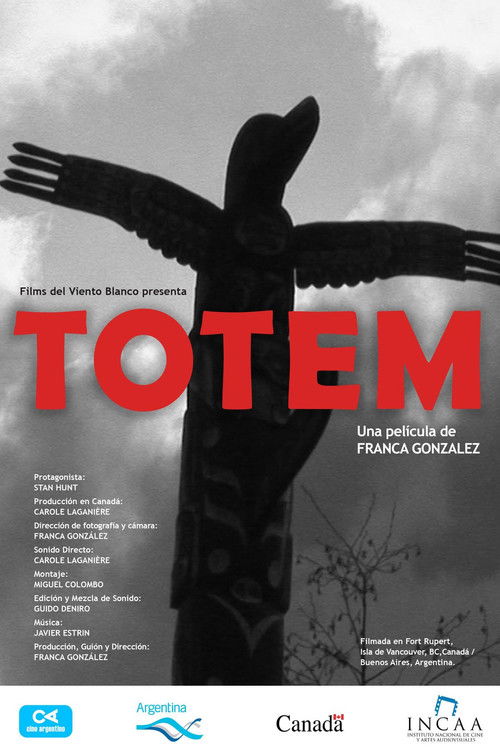
Stan Hunt is a red cedar carver. He learned this art thanks to his father and grandfather, master sculptors from the Kwakiutl people, a group of forgotten villages in the north of Vancouver Island, near the Gulf of Alaska. Stan works on the most momentous piece of his life. A totem of 14 meters. A cedar that took 1,500 years to weigh more than 5 tons.
The documentary Rastrojero, Utopías de la Argentina Potencia (Rastrojero, Utopias of the Power of Argentina) tells the story of Eduardo, who travels in his Rastrojero truck to the same Córdoba that fifty years ago employed him at IME (State Mechanical Industries) and to meet up with his colleagues from that time.
No description available.
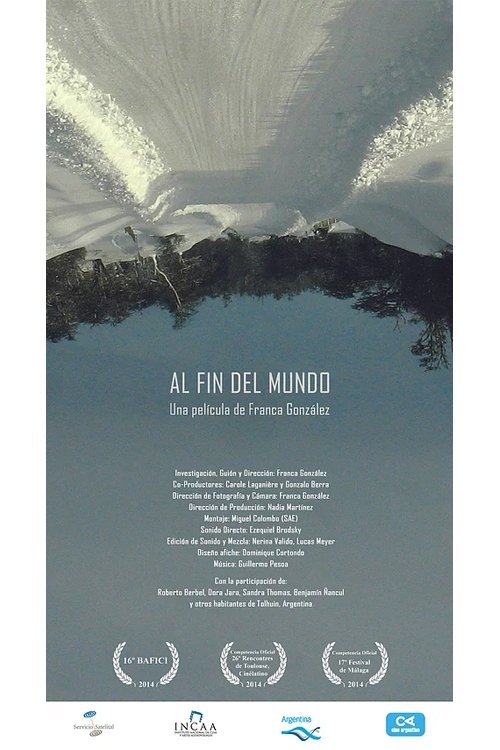
In Tolhuin, a small town lost in the extreme south of Argentina where almost nobody goes to stay, where the cold and the wind enter through all the cracks and the snow covers the fences, a man tries to prevent people from leaving through a new I try, a carnival in the middle of winter. This is a film about the efforts that man makes to adapt to a non-chosen destiny, to a territory that is hostile to him and that confronts him with nature in its purest and unbridled state.