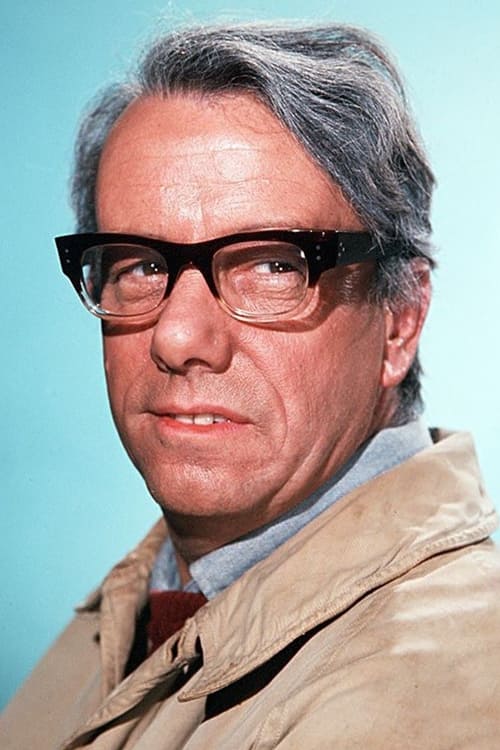
Harold Goodwin
Acting
Biography
Harold Goodwin (October 22, 1917 – June 3, 2004 ) was an English actor. Primarily a character actor, he trained at RADA and started in repertory in Liverpool. By 1949, he appeared on the West End stage. Goodwin never lost his Barnsley accent, and tended to specialize in playing working-class men, such as cabbies, stewards, or non-commissioned officers.
Known For
Drama series about the staff and patients at Holby City Hospital's emergency department, charting the ups and downs in their personal and professional lives.
Casualty
A quirky spy show of the adventures of eccentrically suave British Agent John Steed and his predominantly female partners. Jonathan Steed - an urbane, proper gentleman spy - teams with various assistants throughout the series' run, including Dr. David Keel, Cathy Gale, Emma Peel and Tara King, to repeatedly save the world from diabolical schemes plotted by equally diabolical evil-doers (among them robots and man-eating monsters).
The Avengers

Crown Court is an afternoon television courtroom drama produced by Granada Television for the ITV network that ran from 1972, when the Crown Court system replaced Assize courts and Quarter sessions in the legal system of England and Wales, to 1984.
Crown Court
Roguish comedy drama following the misadventures of small-time crook Arthur Daley.
Minder
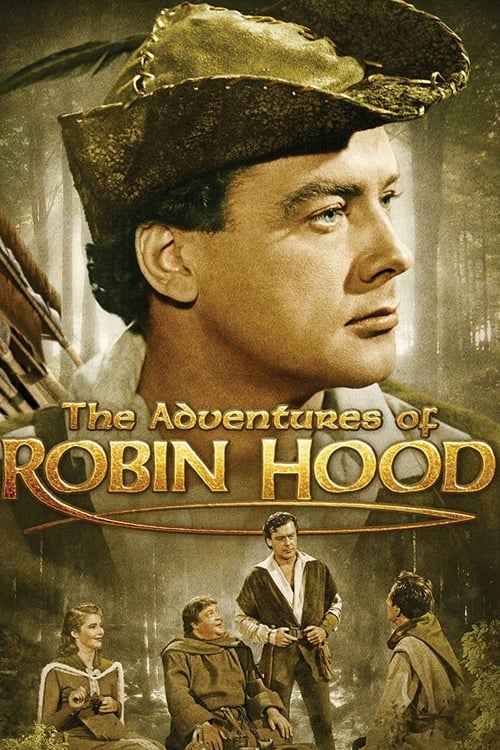
The legendary character Robin Hood and his band of merry men in Sherwood Forest and the surrounding vicinity. While some episodes dramatised the traditional Robin Hood tales, most episodes were original dramas created by the show's writers and producers.
The Adventures of Robin Hood

Theatre 625 is a British television drama anthology series, produced by the BBC and transmitted on BBC2 from 1964 to 1968. It was one of the first regular programmes in the line-up of the channel, and the title referred to its production and transmission being in the higher-definition 625-line format, which only BBC2 used at the time.
Theatre 625
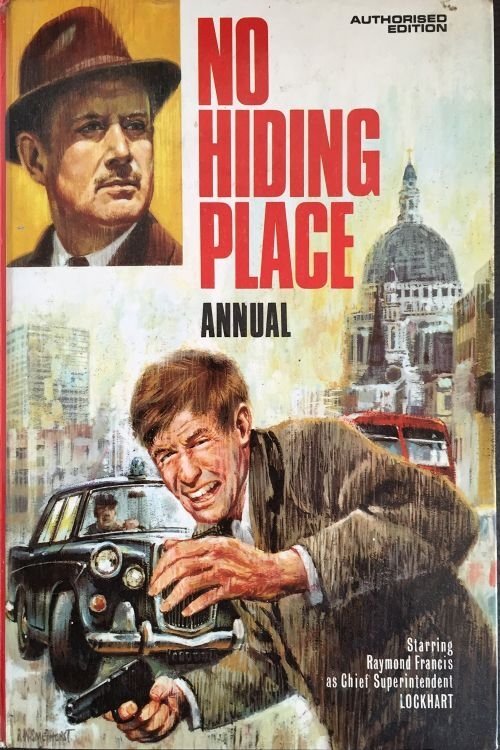
No Hiding Place is a British television series that was produced at Wembley Studios by Associated-Rediffusion for the ITV network between 16 September 1959 and 22 June 1967. It was the sequel to the series Murder Bag and Crime Sheet, all starring Raymond Francis as Detective Superintendent, later Detective Chief Superintendent Tom Lockhart.
No Hiding Place
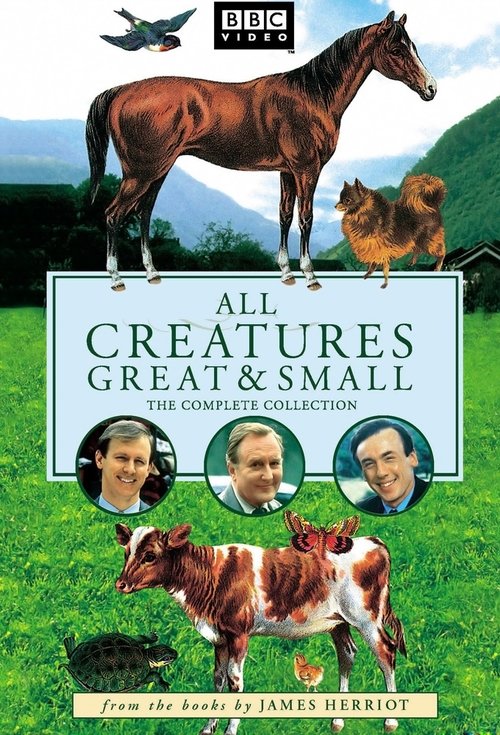
The trials and misadventures of the staff at a country veterinary office in Yorkshire. James Herriot, a young animal surgeon, moves to a small Yorkshire town to begin his first job.
All Creatures Great and Small
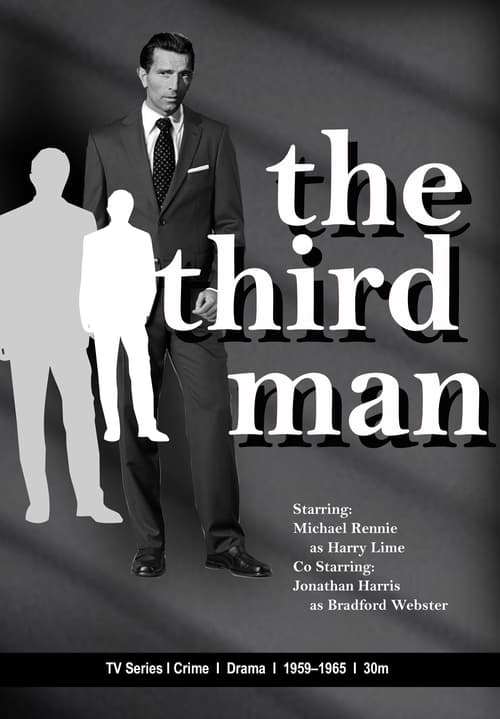
No description available.
The Third Man
United! was a British television series which was produced by the BBC between 1965 and 1967, and was broadcast twice-weekly on BBC1. The series followed the fortunes of a fictional second division football team, Brentwich United. The football scenes were filmed on the grounds of Stoke City with Jimmy Hill acting as a technical advisor, and the efforts to achieve authenticity saw the show being criticised by the then management of Wolverhampton Wanderers, who complained that the series was based on their team.
United!
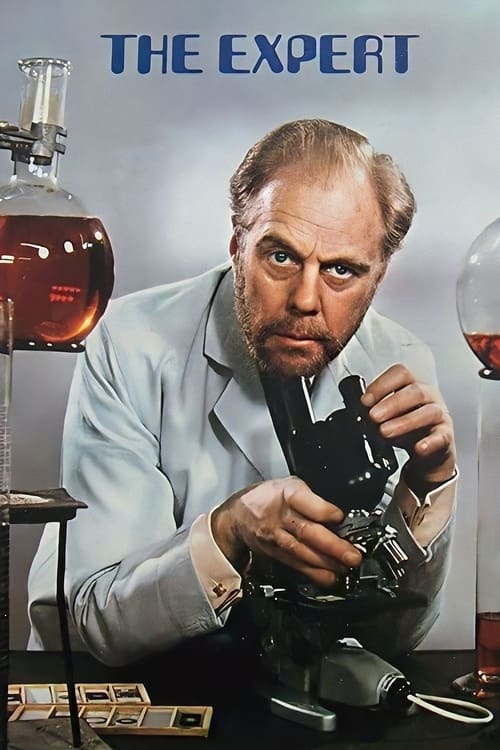
The Expert is a British television series produced by the BBC between 1968 and 1976. The series starred Marius Goring as Dr. John Hardy, a pathologist working for the Home Office and was essentially a police procedural drama, with Hardy bringing his forensic knowledge to solve various cases. The Expert was created and produced by Gerard Glaister. The series was also one of the first BBC dramas to be made in colour, and throughout its four series had numerous high quality guest appearances by actors such as John Carson, Peter Copley, Rachel Kempson, Peter Vaughan, Clive Swift, Geoffrey Palmer, Peter Barkworth, Jean Marsh, Ray Brooks, George Sewell, Anthony Valentine, Bernard Lee, Lee Montague, Geoffrey Bayldon, Mike Pratt, Edward Fox, André Morell, Brian Blessed, Nigel Stock, Philip Madoc and Warren Clarke.
The Expert
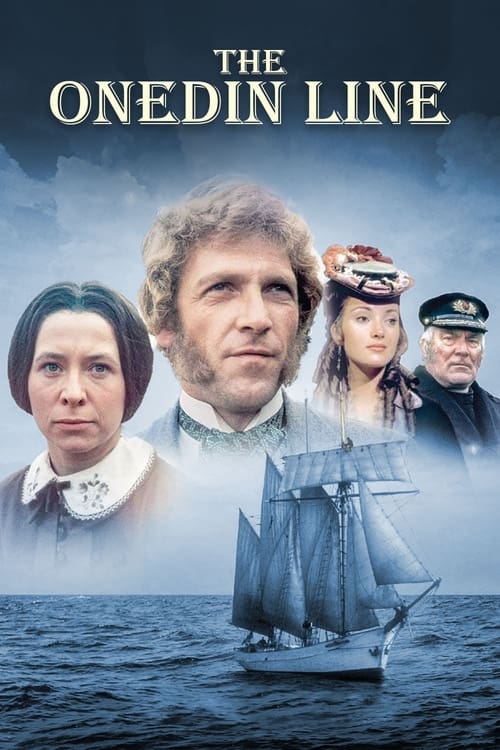
The Onedin Line is a BBC television drama series which ran from 1971 to 1980. The series was created by Cyril Abraham. The series is set in Liverpool from 1860 to 1886 and deals with the rise of a shipping line, the Onedin Line, named after its owner James Onedin. Around this central theme are the lives of his family, most notably his brother and partner, shop owner Robert, and his sister Elizabeth, giving insight into the lifestyle and customs at the time, not only at sea, but also ashore. The series also illustrates some of the changes in business and shipping, such as from wooden to steel ships and from sailing ships to steam ships. It shows the role that ships played in affairs like international politics, uprisings and the slave trade.
The Onedin Line
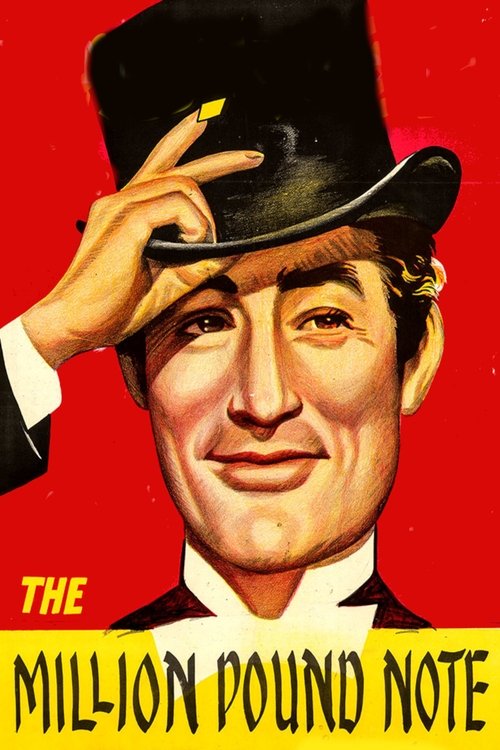
An impoverished American sailor is fortunate enough to be passing the house of two rich gentlemen who have conceived the crazy idea of distributing a note worth one million pounds. The sailor finds that whenever he tries to use the note to buy something, people treat him like a king and let him have whatever he likes for free. Ultimately, the money proves to be more troublesome than it is worth when it almost costs him his dignity and the woman he loves.
The Million Pound Note
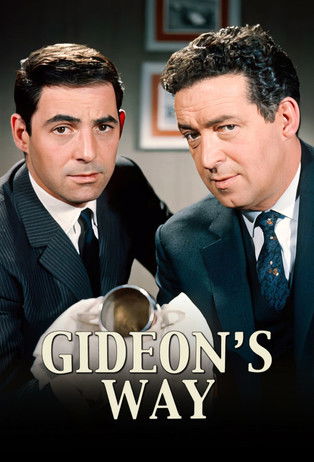
Gideon's Way is a British television crime series made by ITC Entertainment in 1964/65, based on the novels by John Creasey. The series was made at Elstree in twin production with The Saint TV series. It starred Liverpudlian John Gregson in the title role as Commander George Gideon of Scotland Yard, with Alexander Davion as his assistant, Detective Chief Inspector David Keen, Reginald Jessup as Det. Superintendent LeMaitre, Ian Rossiter as Detective Chief Superintendent Joe Bell and Basil Dignam as Commissioner Scott-Marle. The show did not acknowledge any help from Scotland Yard, any other police force or advisor. Daphne Anderson starred as his wife, Kate with Giles Watling as young son, Malcolm, Richard James as older son, Matthew who seemed to have a lot of new girlfriends and Andrea Allan as daughter, Pru. Unusually for police stories, Gideon was shown as a family man at home though urgent phone calls from his bosses tend to disrupt family plans too often. However, he did admit in "State Visit" that his wife had walked out on him for a while years ago when he put the job first and her second. They live in an expensive detached house in Chelsea.
Gideon's Way
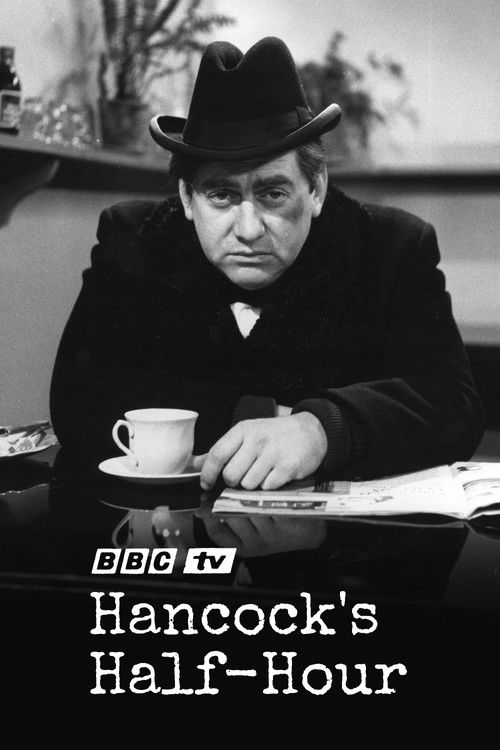
Hancock's Half Hour is a BBC television comedy series of the 1950s and 60s written by Ray Galton and Alan Simpson. The series starred Tony Hancock with Sid James. The final series, renamed simply Hancock, starred Hancock alone. Comedian Tony Hancock starred in the show, playing an exaggerated and much poorer version of his own character and lifestyle, Anthony Aloysius St John Hancock, a down-at-heel comedian living at the dilapidated 23 Railway Cuttings in East Cheam. The series was influential in the development of the situation comedy, with its move away from radio variety towards a focus on character development.
Hancock's Half Hour
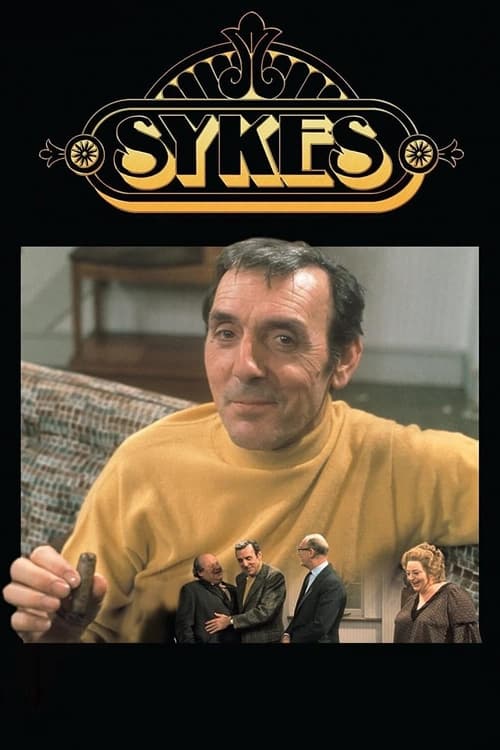
Classic sitcom starring Eric Sykes and Hattie Jacques as brother and sister twins who have to tackle the trials and tribulations of suburban life.
Sykes
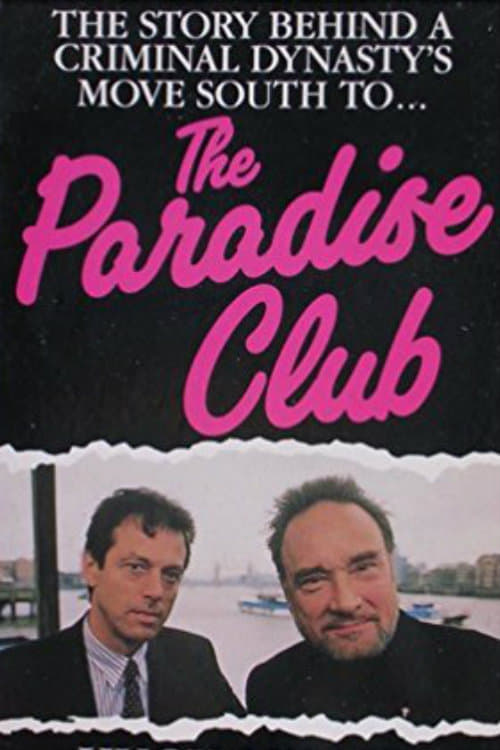
Focuses on brothers Frank and Danny Kane. Their mother is the matriarch of a South London criminal gang, assisted by Danny. Frank has become a priest but leaves the church; he inherits The Paradise Club following the death of their mother and returns to London to try and steer Danny away from crime.
The Paradise Club
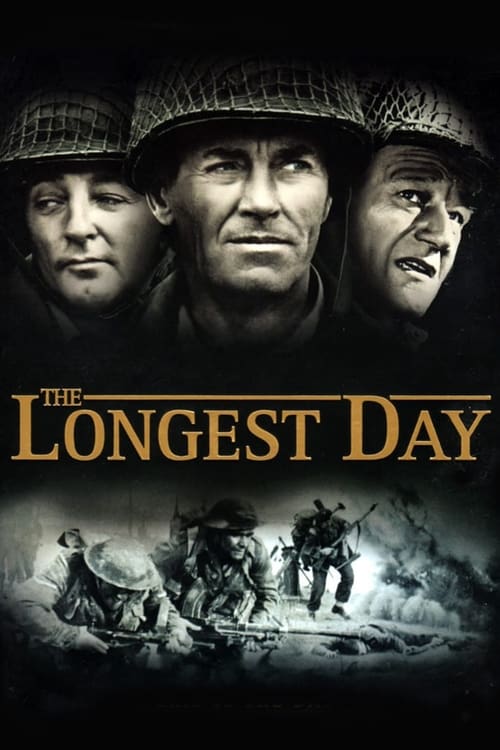
The retelling of June 6, 1944, from the perspectives of the Germans, US, British, Canadians, and the Free French. Marshall Erwin Rommel, touring the defenses being established as part of the Reich's Atlantic Wall, notes to his officers that when the Allied invasion comes they must be stopped on the beach. "For the Allies as well as the Germans, it will be the longest day"
The Longest Day
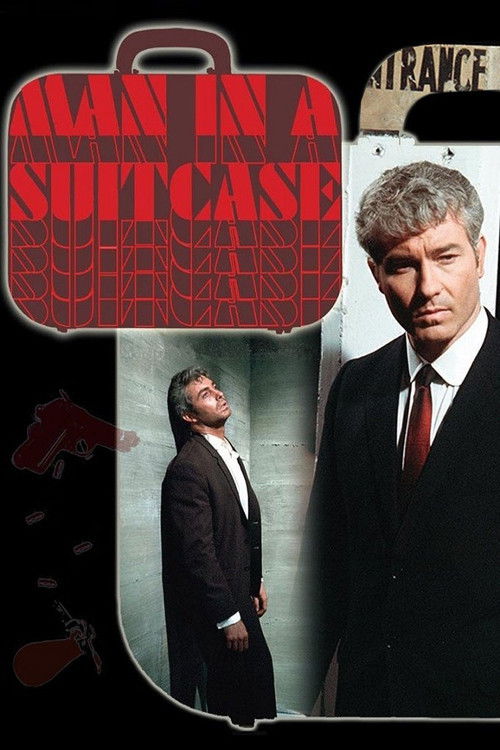
Accused of treason, a former U.S. intelligence officer based in London tries to clear his name, taking on freelance jobs around Europe as he searches for answers.
Man in a Suitcase
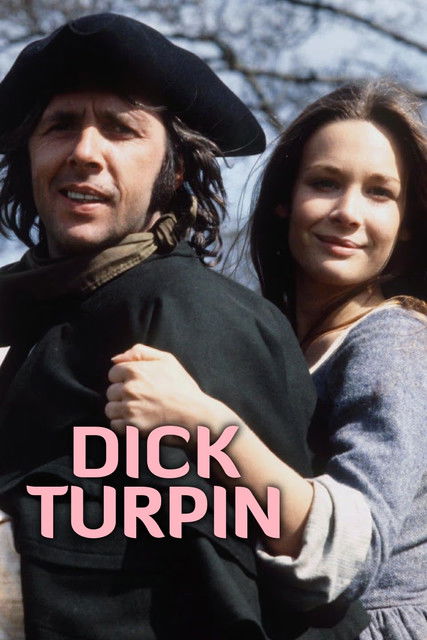
Richard O'Sullivan stars as Dick Turpin in this action-filled adventure series chronicling the exploits of England's most celebrated highwayman.