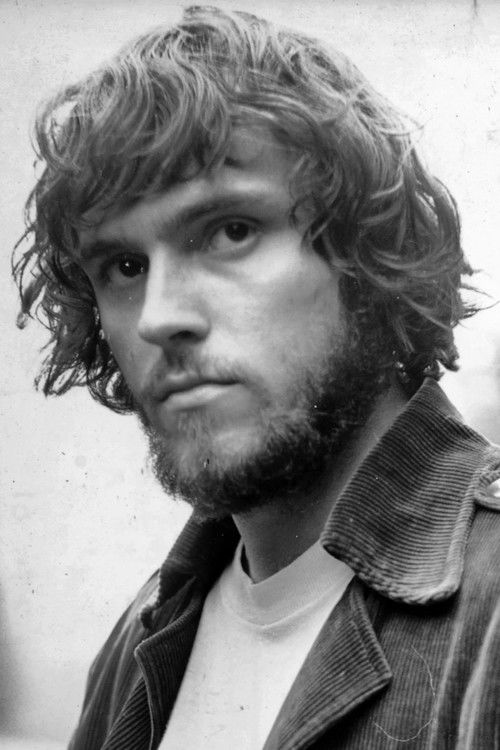
Maciej Góraj
Acting
Known For
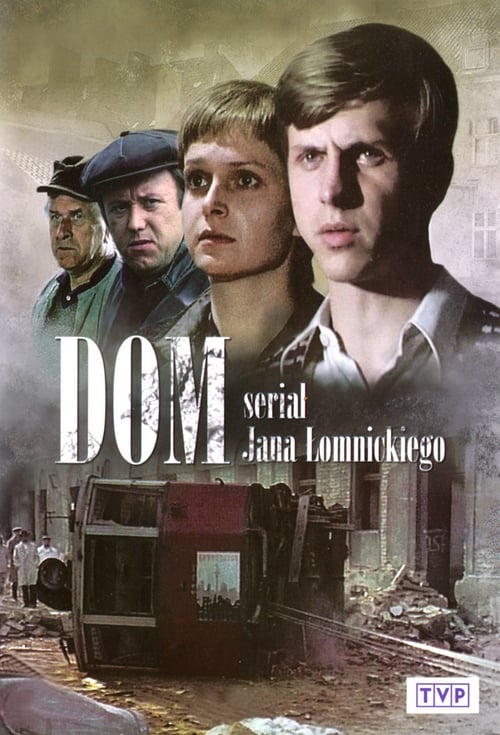
The story of the residents of a tenement house on Złota Street in Warsaw from 1945 to 1980.
Dom
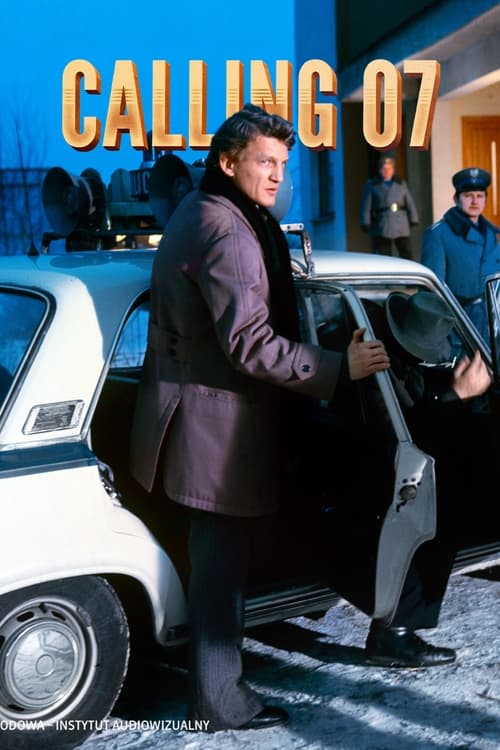
The series centres around the investigations of Police Lieutenant Sławomir Borewicz. Each episode features a different case being solved by Borewicz.
Calling 07
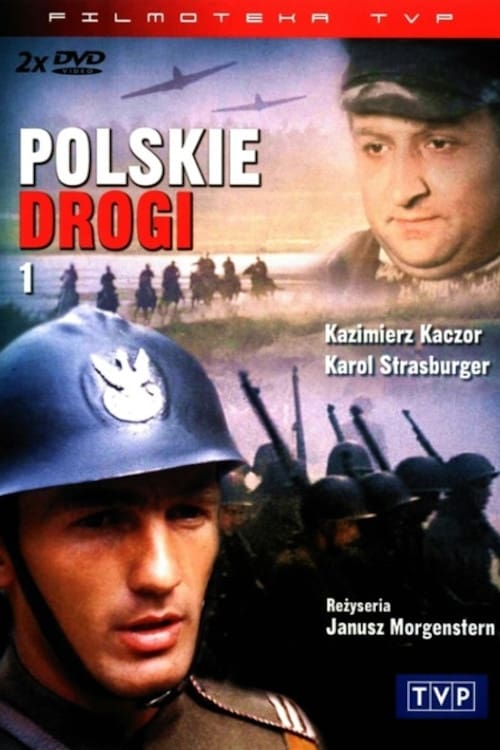
An epic, multi-threaded story about the fate of Poles during World War II. "Czas pogardy" was shown primarily from the perspective of two main characters - Lieutenant Władysław Niwiński and Leon Kuraś - a petty crook, but not without heroic traits. The authors of the series sought to show, in particular, everyday life under Nazi occupation in Poland.
Polskie drogi
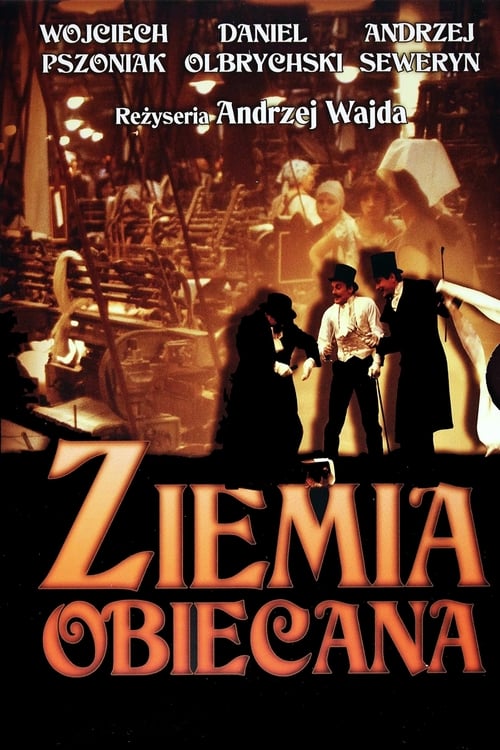
No description available.
Ziemia obiecana
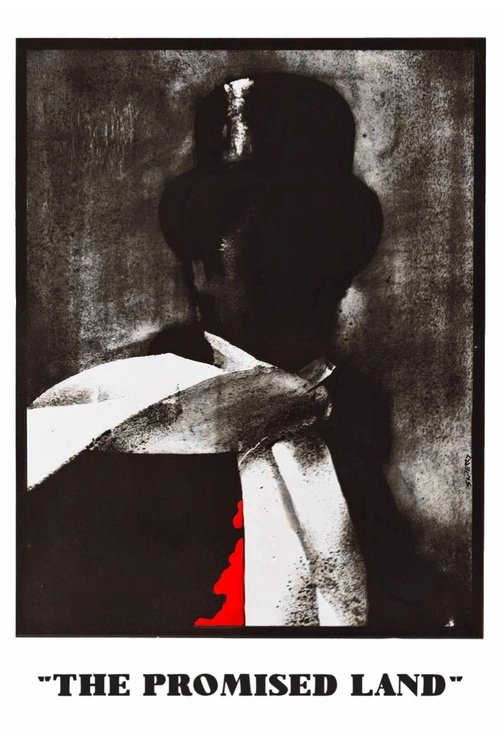
In nineteenth-century Łódź, Poland, three friends want to make a lot of money by building and investing in a textile factory. An exceptional portrait of rapid industrial expansion is shown through the eyes of one Polish town.
The Promised Land
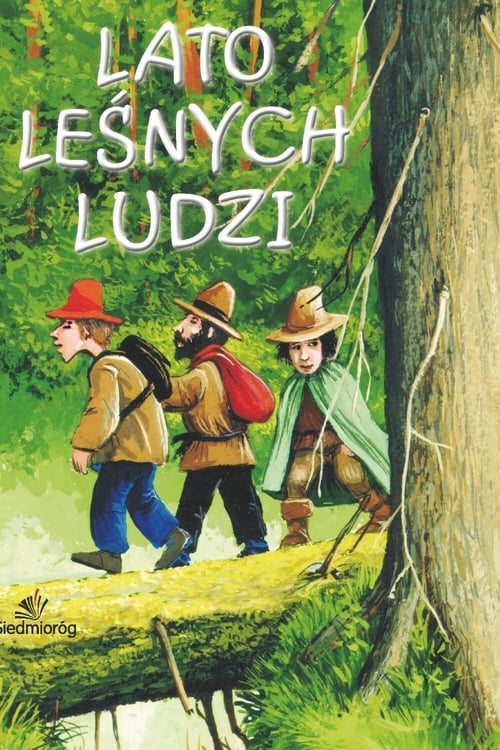
A young boy from the city comes to the forester Januszko, a friend of his grandfather from the war and partisans. On the spot, he meets people who amaze him. They bear the names of the heroes of the novel "Summer of Forest People" by Maria Rodziewczówna, which they readily read and love nature very much. Under their guidance, the boy gets to know the local nature and makes friends with them. He also meets a girl named Justyna.
Lato leśnych ludzi

The series presents an original, non-didactic view of rural Poland during the Nazi occupation, rejecting stereotypes about ubiquitous wartime heroism, sacrifice, and martyrdom. It is a record of a "war-torn" state of consciousness, a drama of lost people who sink into ever greater degradation.
Popielec
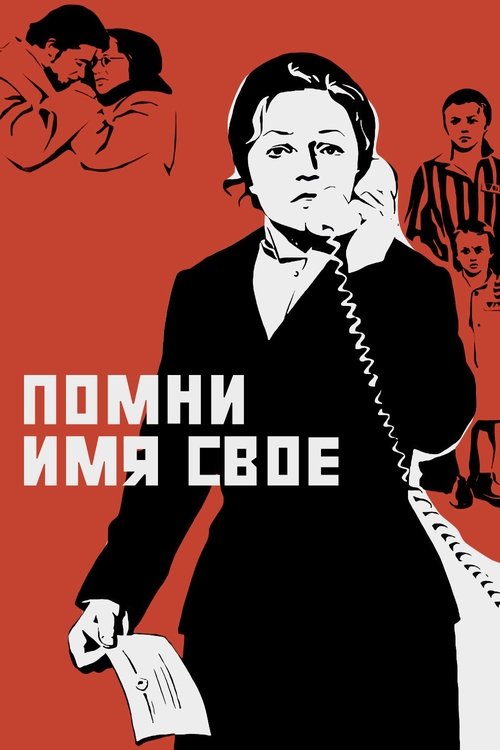
Beginning of WWII. Zinaida, a Russian woman, is taken prisoner by the Germans and sent to Auschwitz concentration camp together with several other women. She is imprisoned with her baby son, Gena, who is learning to walk and takes his first steps in the snow, in the concentration camp. They spend a few years together in the camp until they are separated, first within Auschwitz itself, then, for good, when the Germans are losing the war and decide to evacuate.
Remember Your Name
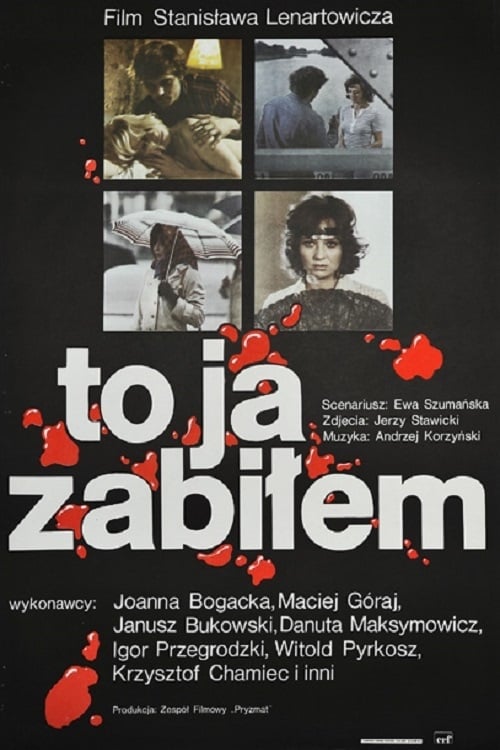
During a routine traffic stop, the police discovers the body of a girl in the trunk of a truck. Since the dead girl spent the night before with the driver of the car, he becomes the prime suspect. In the course of the trial uncomfortable truths surface.
I killed
A young doctor from the lower classes is helped in his career by a rich woman. When he comes back from study in Paris he takes a job at a watering spa. He comes up against the owners when he tries to help the poor.
Doctor Judym
Second half of September 1939. Lt. Brejer, along with a detachment of his sappers, receives orders to blow up the bridge. The promised explosives do not arrive. So Brejer gets the order to withdraw and reunite with the rest of the division. Along the way, suffering hunger and discomfort along with his soldiers, he joins various divisions, collects survivors and fights. From a German prisoner of war, he finally learns that the Soviets have entered Poland. Finally, he and his men manage to reach his home unit, but that unit has just surrendered to the Germans.
Virtuti
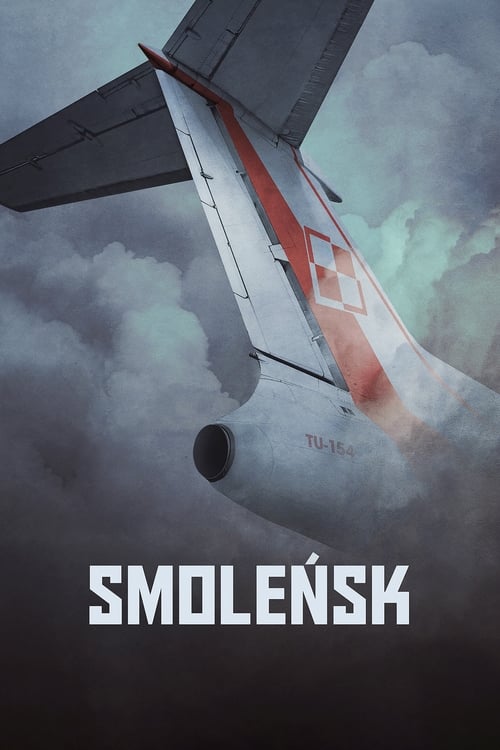
Inspired by true events of 2010 Polish Air Force Tu-154 crash in Smolensk, the film tells the partially fictional story of crash and various people affected by the tragedy. The protagonist is a journalist Nina, who refuses to accept the official version of the story and pursues her own independent investigation.
Smolensk
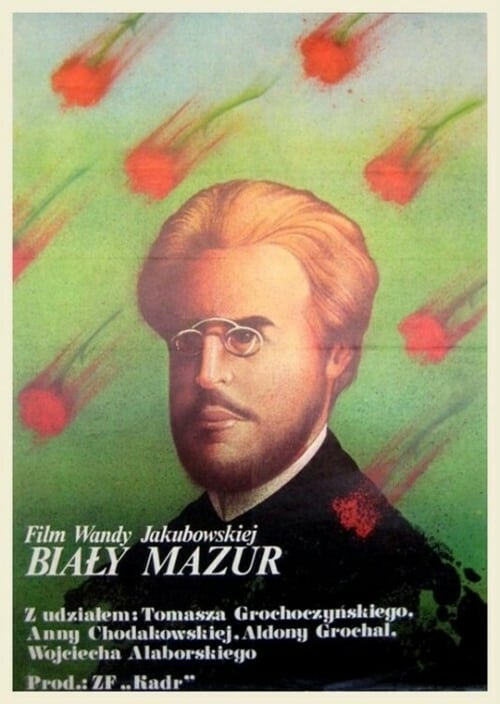
A film about the life and activities of the Polish revolutionary Ludwik Waryński. In his memoirs, Ludwik returns to his student years in St. Petersburg, to Warsaw, to Krakow, where he was arrested and put on trial. After the end of the process in Krakow, Waryński leaves for Geneva, where he meets with Russian revolutionaries. In 1881, he returned to his homeland and created the first party of workers in Poland...
The White Mazurka
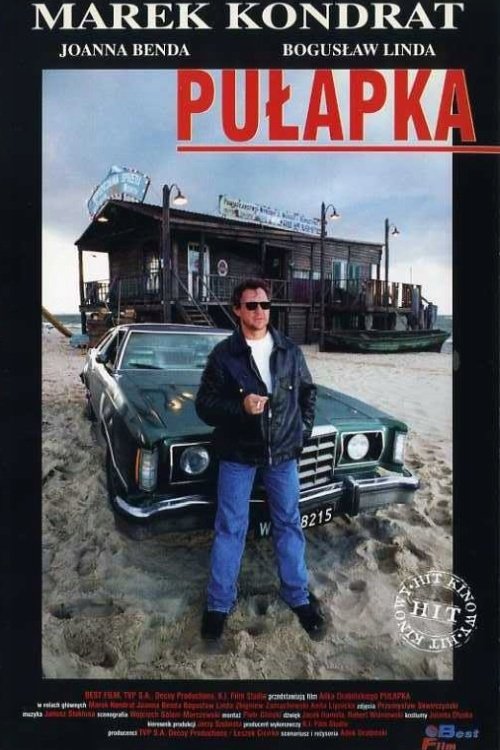
An actor returns to Poland after 12 very unsuccessful years in the United States only to find himself entangled in a noirish situation reminiscent of California in the 1940s.
Pułapka
A family saga of Barbara Ostrzeńska-Niechcic and Bogumił Niechcic against the backdrop of the January Uprising of 1863 and World War I. The film is a rather straightforward and faithful adaptation of a novel by Maria Dabrowska with the same title. The plot is woven around the changing fortunes of a noble (upper-class) Niechcic family in the pre-WWI Poland. There are two main crossing threads: a social history one and an existential one.
Nights and Days
The film depicts three days in the life of a state farm director, during which he celebrates his 40th birthday. He was adopted by four godfathers who have helped him throughout his life and have reached positions of prominence themselves. He makes a mistake at work turning away some foreigh investors and is required to cover the losses, but even his godfathers are unable to help him. He regains affection of his son instead.
Chrześniak
No description available.
Strach
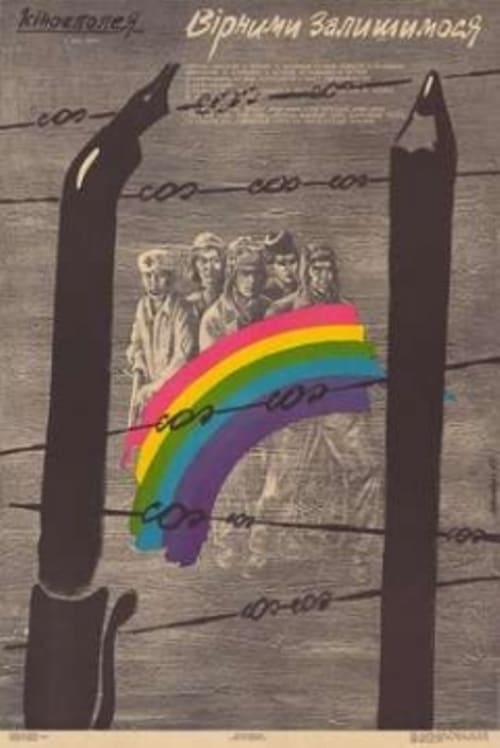
Story of Sergio Rodriguez, commissar of an International Battalion in the Spanish Civil War
Faithfulness We Pledge
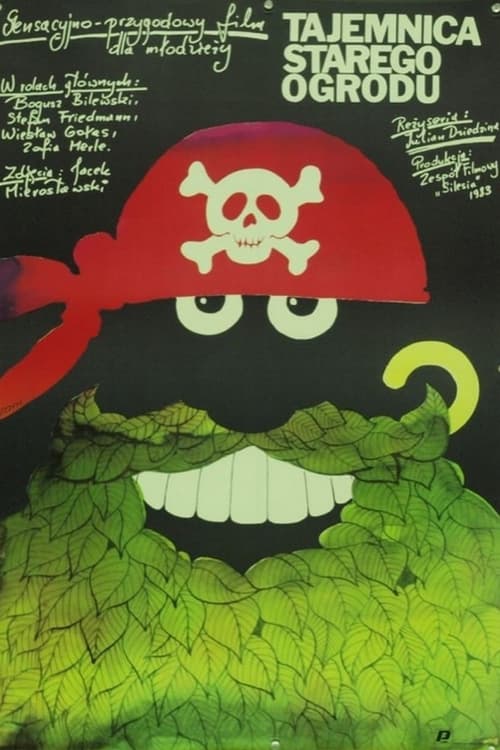
A group of teenagers dream of adventures and experiencing something unusual, mysterious and romantic. The boys play treasure hunters and detectives in an old park adjacent to a modern housing estate. By accident, the heroes find the trail of a youth gang that stole the documentation of a sensational preparation that can be used in the preparation of animal feed. The gang members manage to suspect the inventor of the preparation, the engineer Tyc. His son, Andrzej, and his friends decide to expose the real criminals and find maps that are to indicate the place of the hidden treasure.
The Mystery of the Old Garden
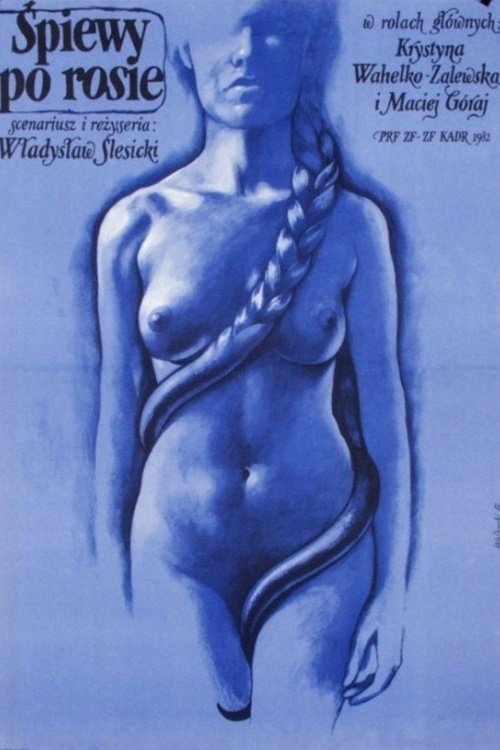
A portrait of a small, contemporary village, shaken by the return of one of its residents from prison. Zdzich returns from prison to a small village on the edge of the Augustów Primeval Forest. He was accused of shooting a militiaman and, despite the clear bias of the witnesses, he was convicted. Now the locals fear that his return will bring revenge for the false accusations. Zdzich hides in the forest. One day, he meets Romanek, the son of Jadźka, whose honor he once defended in a fight with others. Romanek cannot answer who his father is. Their meetings become more frequent and turn into friendship. Zdzich decides to come out of hiding and makes a show of attending church. He proposes to Jadźka and is accepted. He also explains the circumstances of his arrest to the locals. The next day, the forester is killed by a mysterious bullet. Zdzich was the last person seen with him. This causes unrest in the village.