Stanya Kahn
Directing
Biography
Stanya Kahn is an interdisciplinary media artist. Working primarily in video, with a practice that includes performance, writing, and photography, Kahn's work inhabits a space between fiction and document, and stems from an extensive background in live performance. Integrating the visceral and the improvised with the tightly scored and written, her work addresses issues of agency, power, and the uses and failings of language. Kahn's kinetic relationship to the performative and to humor inform a hybrid media practice infused with pop vernacular, documentary tropes and experimental film/video praxis. Kahn has worked in a collaborative team with artist Harry Dodge, and her work has shown in numerous venues nationally and internationally, including the 2008 Whitney Biennial; 2010 California Biennial at the Orange County Museum of Art; The Museum of Modern Art, New York; Museum of Contemporary Art, Los Angeles; the Getty Center, Los Angeles; Hammer Museum, Los Angeles; Sundance Film Festival; Center for Art and Media, Karlsrühe; P.S.1 Center for Contemporary Art, New York; Contemporary Center for Art, Vilnius, Lithuania; MIT, Cambridge; ICA, Philadelphia; Kunstalle, Bonn, GDR; Brooklyn Museum, New York; The Hayward Gallery, London; Susanne Vielmetter, Los Angeles. and Elizabeth Dee Gallery, New York, among many others. Her solo performance works have toured nationally and internationally, and she was a founding member of the performance group/band CORE. Her writings appear in journals and anthologies including Nothing Moments, Userlands (edited by Dennis Cooper), Soft Targets Journal of Art and Theory, LTTR and Movement Research. She teaches as adjunct faculty in New Genres at UCLA, Photo/Media at Cal Arts, Visual Arts/Media and Critical Gender Studies at UCSD, and has taught in the MFA programs at USC and UCLA. Stanya Kahn lives in Los Angeles.
Known For
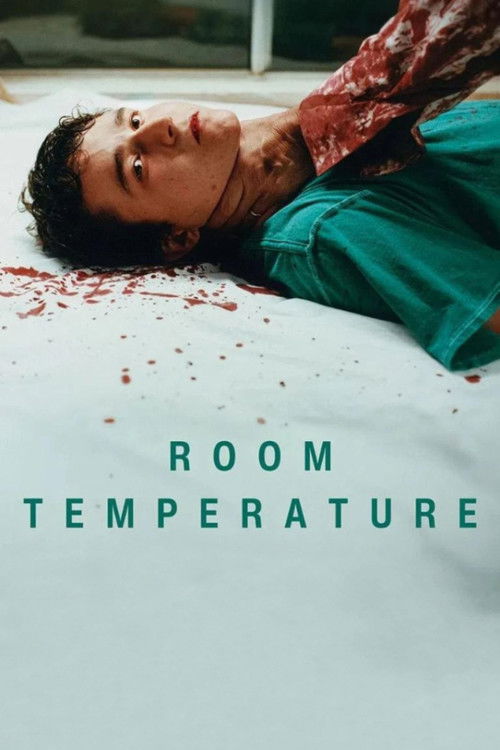
Every year, a family home is turned into a haunted house. The purpose is not only to be as terrifying as possible, but also to create a spectacular attraction to draw the neighbors in. The situation grows increasingly complicated, broken and distressed as the family’s problems intercede in their plans and as their real lives become the film’s true and overriding scary haunt.
Room Temperature

Shy is a transgender man who leaves his small town after the death of his father, and heads to the big city to live a life of crime. Along the way, he encounters Valentine, a quirky adoptee, in search of his birth mother. An immediate kinship is sparked between these men and they become partners in crime.
By Hook or by Crook
Harry Dodge and Stanya Kahn, ©2008
Nature Demo
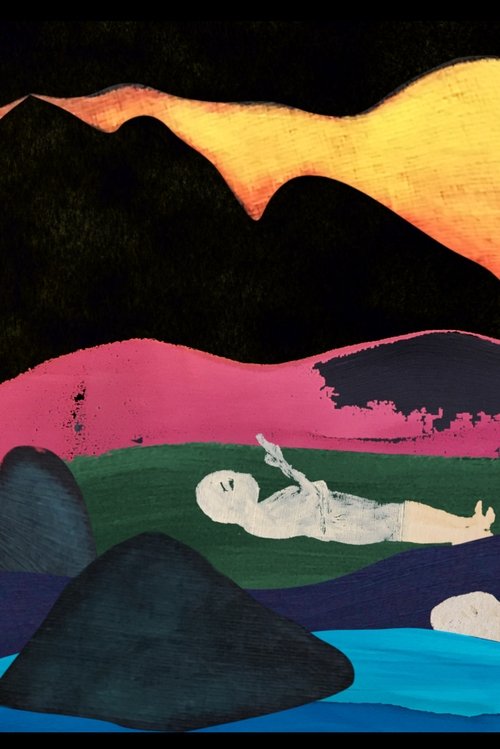
Landscapes that burn and flood, shift and collapse in an unstable world. Human figures stare at cellphones while floating down the river and falling from the sky. An abstract exploration of the known that becomes unknown, in which animated paintings manifest the uncertainty that surrounds us.
So Low You Can’t Get Over It
Feral tribes are the only inhabitants left in a decimated Los Angeles, sustaining themselves on the debris of an annihilated culture.
All Together Now
Lost on their way to a desert rock concert, two loners remember the good times.
Let the Good Times Roll
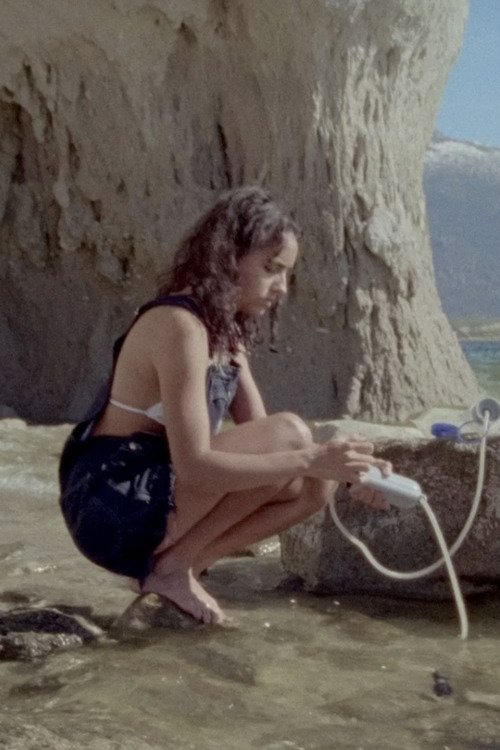
Two teenagers traverse a post-apocalyptic California in this tale of an inherited wasteland, unprepared resilience and compassion, which points to the beginnings of a new future.
No Go Backs
Winner is a fictional interview gone awry, featuring a reticent sweepstakes winner who doggedly avoids receiving her prize and manages to morph an ad spot into a mini documentary about her art work.
Winner
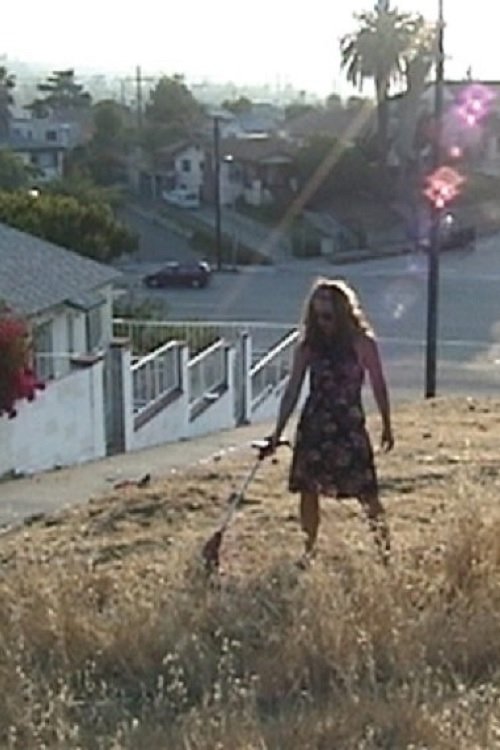
Under a cloudless Los Angeles sky, Kahn—dressed in incongruous heels and a summery dress—runs an electric weed whacker through a hill of overgrown grass.
Whacker
SD video, stereo sound by Harry Dodge and Stanya Kahn 2008
I See You Man
Stanya Kahn’s Stand in the Stream is a fast-paced digital film about life, death, and the inextricability of the personal from the political. Made over six years and shot on multiple camera formats, it captures candid moments in online chat rooms, in the home, in the wild, and in the streets, following the arc of a mother’s deterioration and death amidst shifting political and digital landscapes. From the birth of a child to the onset of dementia, from Tahrir Square to Standing Rock and Trump’s inauguration, Stand in the Stream is a pulsing and urgent contemporary ode and a call to action.
Stand in the Stream
Ominous moving objects create tension while a ‘happy’ song plays. Stanya Kahn’s morbid, humorous collaboration with painter Llyn Foulkes, whose unique three-dimensional approach serves as an inspiration, features the artist blindfolded, covered with blood and dust, and an original song written and performed by Foulkes.
Happy Song for You
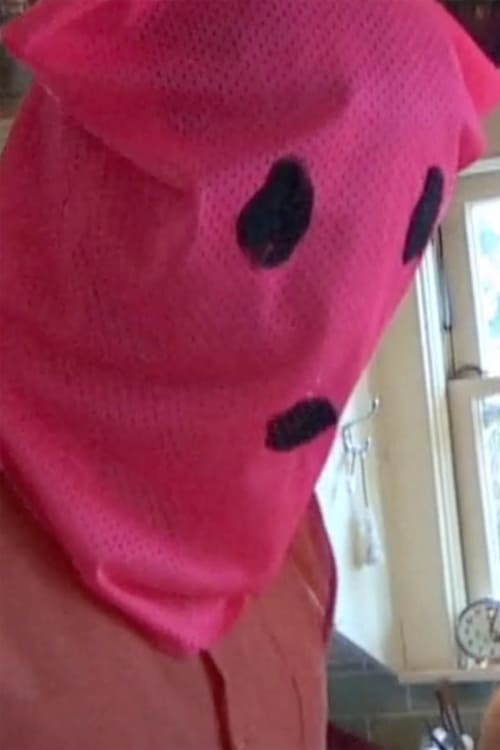
At first glance, Masters of None could be the home video of a family of neon-pink hooded figures, passing the time with charades, television, and Jiffy Pop on the stove. As in All Together Now, Masters has no dialogue or clear narrative arc, and while the domestic activities seem everyday, they are infused with suggestions of violence and danger.
Masters of None
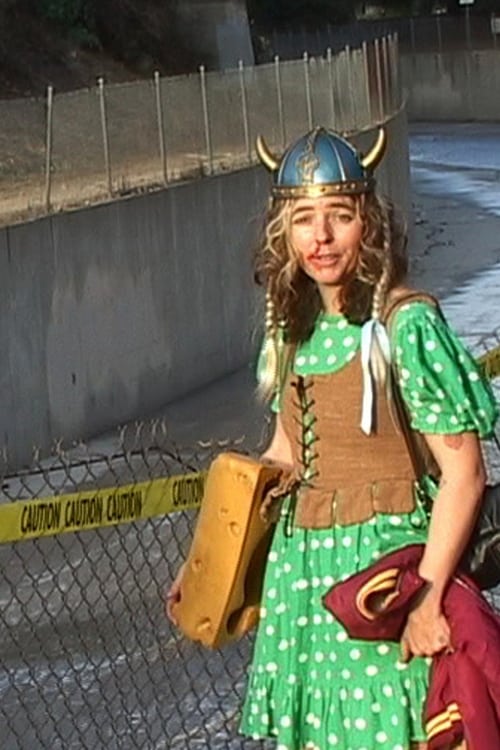
A woman with a viking helmet, bloody nose, and large wheel of cheese rambles across Los Angeles, followed by a cameraman hoping to catch some action.
Can't Swallow It, Can't Spit It Out
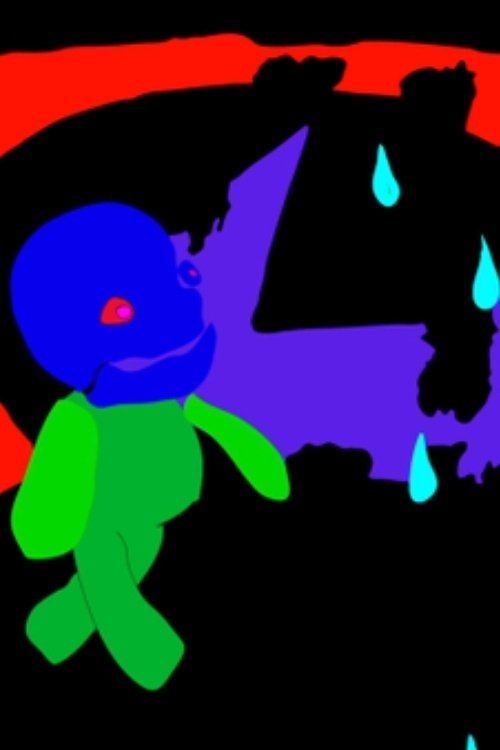
Water drops from the sky, but the mood changes quickly in this brightly coloured animation, created from paintings. A cycle of death and regeneration ensues, to convey the artist’s solidarity with this planet and its people. An escape to freedom prompts some optimism during these strange times.
Friends in Low Places
In this animated line drawing, two birds express complaints and frustrations about their daily lives. Balancing between mundane chores and the hostile environment around them, they dream of better times and places. In a crafty symbolism, the weight of Western capitalism threatens to collapse on their heads.
For the Birds
Don’t Go Back to Sleep is a an experimental narrative film, a haunted tragi-comedy that functions as much as a symbolic meditation on citizen resilience as a metaphor for the violence of the state and the First World’s rapacious impact on the earth, driving the planet itself towards impending death. Shot in Kansas City, Missouri, in newly built homes left uninhabited and unfinished in the economic crash, Don’t Go Back to Sleep follows roving groups of frontline emergency workers adrift in nearly empty, end-times urban and suburban landscapes. Squatting empty suburban developments and luxury high-rises, depressed with the aura of so many displaced by the U.S. housing market catastrophe, nurses and doctors establish make-shift treatment centers within the architectural mundane: fixtures and countertops, carpet pads and exposed wiring, fireplaces and crown molding. As they perform haphazard triage, mostly on each other, we realize they may be the only survivors against a dangerous State.