Camera
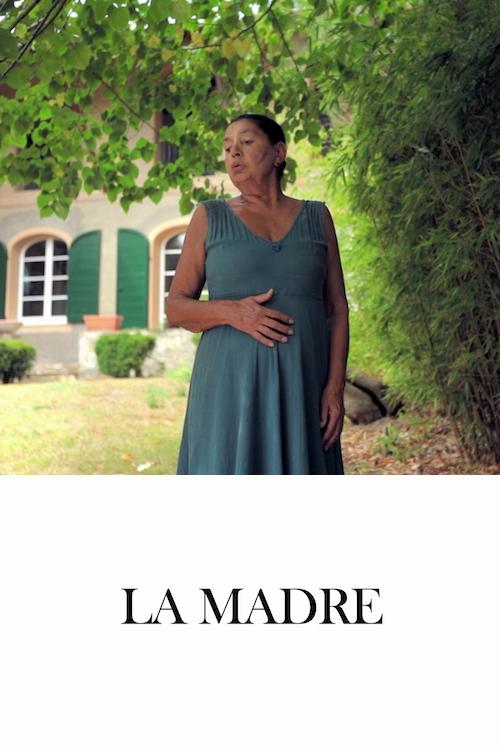
Inspired by a Cesar Pavese’s short story, this film has as its main question the relationship with the mother. After killing someone, Meleagros is killed by his own mother, from whom he had never disconnected.
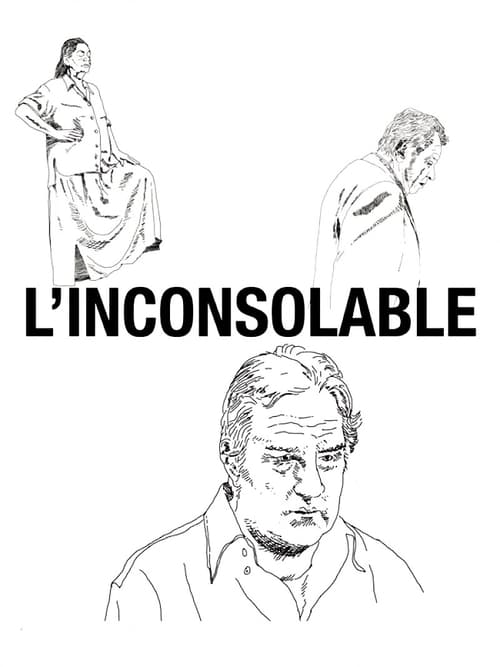
With L’inconsolable, Jean-Marie Straub continues the mise en scène of Cesare Pavese’s Dialogues with Leucò, initiated in 1978 with Dalla nube alla resistenza and followed up in 2006, 2007 and 2008 with Quei loro incontri, Artemis’s Knee and Le streghe – femmes entre elles. L’inconsolable is a reflection on the myth of Orpheus.
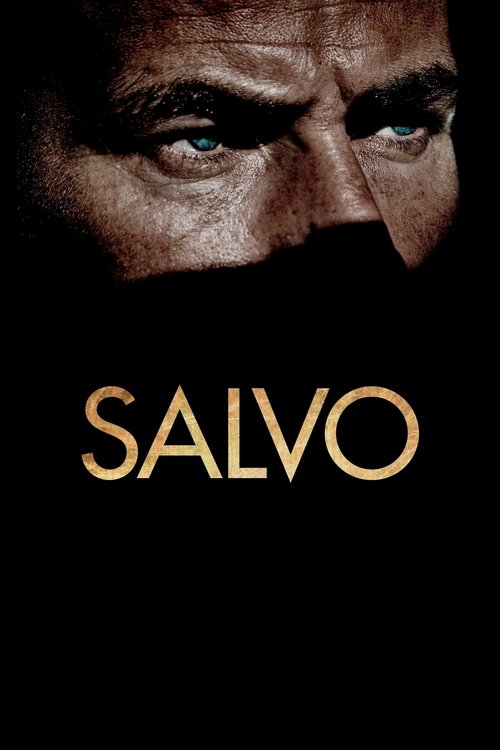
Salvo, a ruthless Sicilian Mafia hit man, changes his priorities after being involved in a bloody ambush.
No description available.
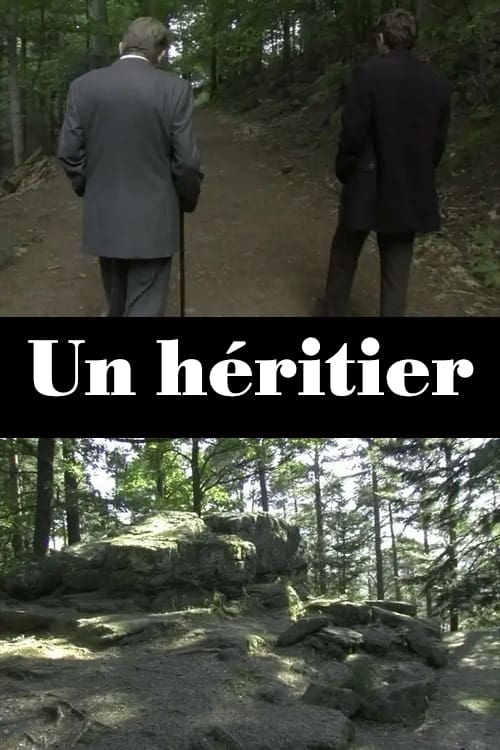
In 1994, Jean-Marie Straub and Danièle Huillet adapted the novel Colette Baudoche – Story of a Young Girl of Metz by Maurice Barrès as a film they titled Lothringren!. In 2010, Jean-Marie Straub returned to the eastern provinces of France, this time to Alsace, to film the second half of a diptych based on Barrès’s work. The text is derived from In the Service of Germany, a book about the mountain of Saint-Odile, which Barrès wrote in 1903. With Joseph Rottner in the principal role, Straub traces the path of a young country doctor as he tours Mont Saint-Odile, following the routes that Barrès himself took to the chateau of Ratsamhausen and around the ruins of the ancient fortification known as the "Pagan Wall,” which are unique in the area. Straub, himself born in Metz, plays the role of a resident of Lorraine whom the young Alsatian engages in conversation.
The media hype didn’t do any good for the Calais Jungle. Far from such echoes, Christophe Clavert’s concern is to come back to the sites – afterwards, otherwise. Beginning with clarifications as to how to do things. Thus, by way of a preamble, the scrupulous and detailed reminder of events and the political, administrative context of the jungle in Calais in 2016 while the places the film-maker evokes unfold through slow, methodical sequences. It’s about the tale’s rendition, from one time to another, and from the images of the regime unfolding, with its magnificent drawings taken back then, in counterpoint to the photographic archives and video. A work of hospitality, devoid of excessive light or spectacle, yet insisting on History’s memory, as the final annotation reminds us with striking dryness.
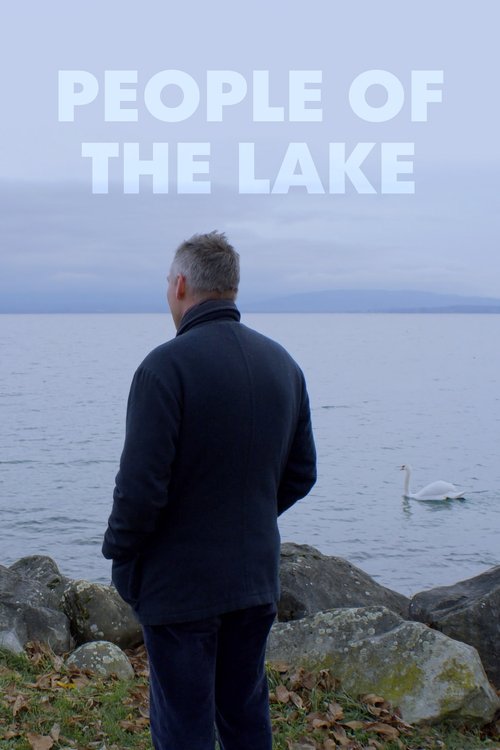
More than a land, it is from the lake that this son comes. Raised by a father fisherman, he learned his noises and currents, maybe also its hardness at the same time as that of adults. Lake is also a border, but in the water his drawing is lost: in the fishery, "profession of free men", Savoyards and Vaudois find themselves in confreres, and if out loud we only talk about nets and fish, in silence we sometimes enter the Resistance. During the war, Switzerland was sent to refugees, without always understanding what is happening, or why they have this look. After the war, the son will contribute to another history: elected municipal, he participates in the emergence, in Lausanne or to Thonon, of a new left. According to the novel Gens du Lac de Janine Massard, published by Bernard Campiche
The glory and collapse of the grand Republic of Venice: the reasons are numerous, complex, human and all too human. Are these the same ingredients, the mélange that might determine whether the current Europe will survive? And if so, under what conditions? Jean-Marie Straub poses the question in this film, more austere and concentrated than ever.
"The word 'revolution' to us Frenchmen is not a vague term. We know that Revolution is a rupture, that Revolution is an Absolute. There is no such thing as a moderate revolution, there is no such thing as a planned revolution—as one speaks of a planned economy. The revolution we are announcing will overturn the entire existing order or it will not take place at all..."
Master filmmaker Jean-Marie Straub continues his exploration of classic texts with this "collaboration" with the great 16th-century writer of the Essais.
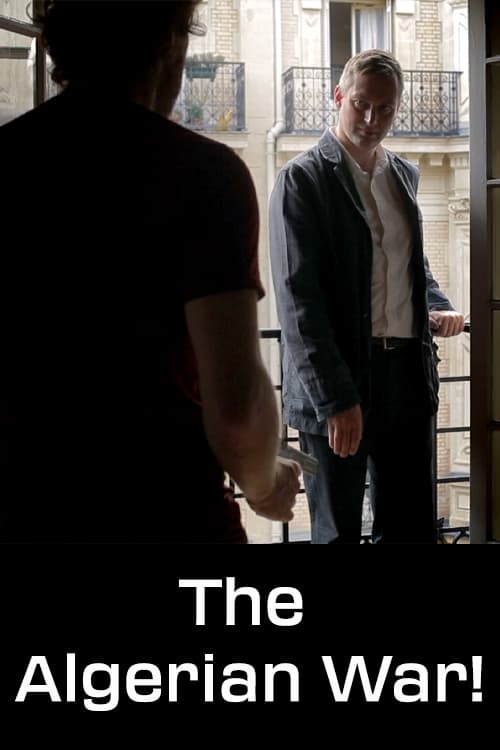
In a single static shot a man is threatened with death at another's gunpoint.
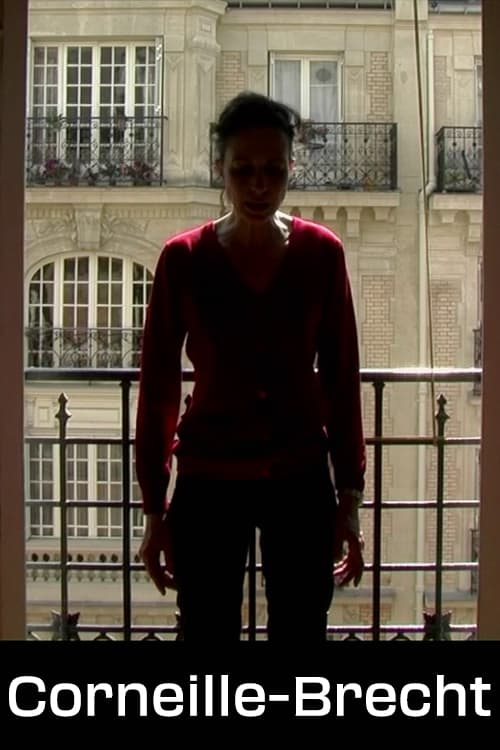
Co-director Cornelia Geiser sits by a window on an easy chair reading aloud a few verses by Corneille, then a somewhat longer excerpt from Brecht - each writer referencing Rome but really condemning injustice in his own era.
Jean-Marie Straub’s new film closes the circle. The years 1954–2013 are displayed as representing a film produced in collaboration with Danièle Huillet. The two had met in Paris in 1954, around the year they came across the text by Georges Bernanos, to whom Straub has now dedicated a half-hour film. A man and a woman engaged in a dialogue, talking about their love, as if talking across an abyss. Then, in the last take, the two of them close together, motionless for a long time
Today, in France. A man escaped from a detention center travels the roads trying to reach Paris. At the same time, in 1894, a strange scene takes place in an apartment.
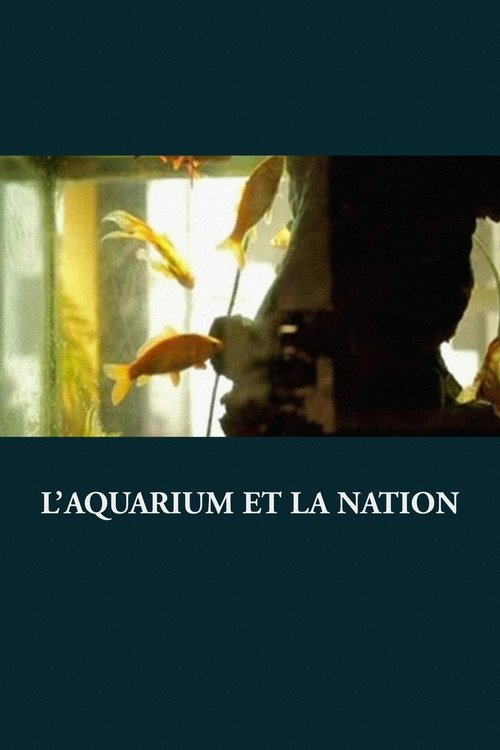
A film in three parts: An aquarium, a man sitting at a table reading various text passages, and a sequence from Jean Renoir’s film LA MARSEILLAISE. This is all from a film by Jean-Marie Straub – about fate, the soul and the cosmos, about the evident nature in which man lives, just like in the aquarium surrounding him. And finally, there’s the nation as a symbol for the community of free people. A Straub film represents a gift that isn’t based on exchange, but rather the opposite of communication. And what could be more beautiful and liberating in life?
Jean-Marie Straub pushes this musicality of blocks to a paroxysmal extreme, mixing blocks of time (40 years separate the various extracts that are going to be used, and what is to be filmed), blocks of text (Malraux, Fortini, Vittorini, Hölderlin) and blocks of language (French, Italian, German), and from this ruckus emerges the history of the world, yes, History with a capital H, and from the same movement, the political hope of its being overtaken. So this is an adventure film, about the Human adventure, still one that is always, in the end, overtaken by Nature.
A Kafka dialogue is read by actors in Straub's own apartment in Paris.