Production
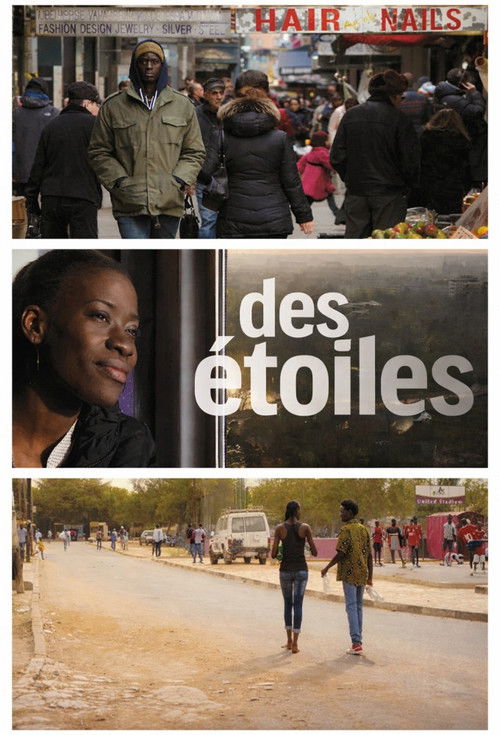
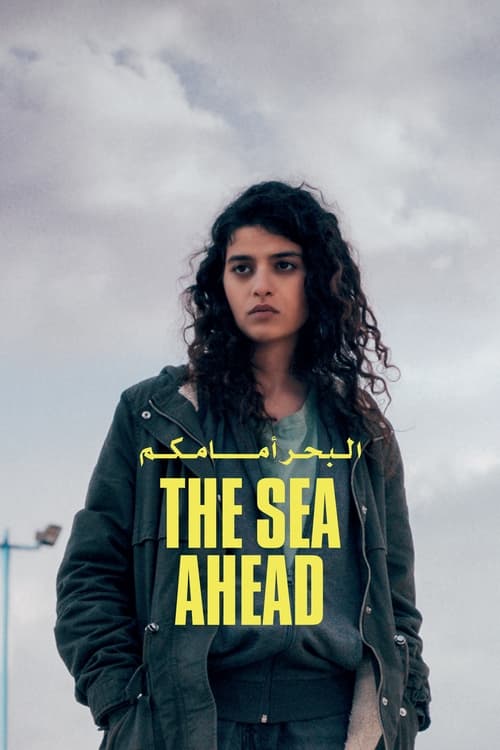
The debut feature from Franco-Senegalese filmmaker Dyana Gaye charts the interconnected destinies of three far-flung sojourners across three continents. A quiet drama, about the anxieties of negotiating journeying to foreign countries and making a place for oneself in the world.
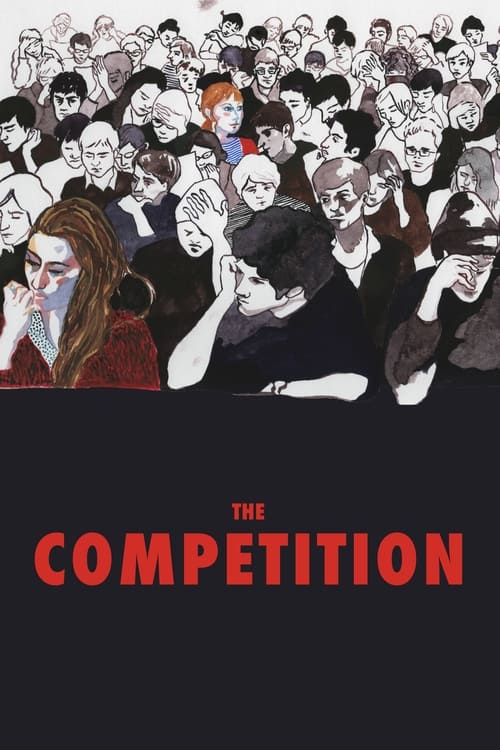
An all-access tour behind the scenes at France’s premiere film school, La Fémis. Showing us how successful candidates get to follow in the footsteps of such luminaries as Louis Malle, François Ozon and Alain Resnais, all of whom attended this prestigious institution. Stumbling over their words, the often-nervous candidates seem vulnerable when confronted with the veterans of the industry, who have the difficult task of discovering true talent among all these eager young people.
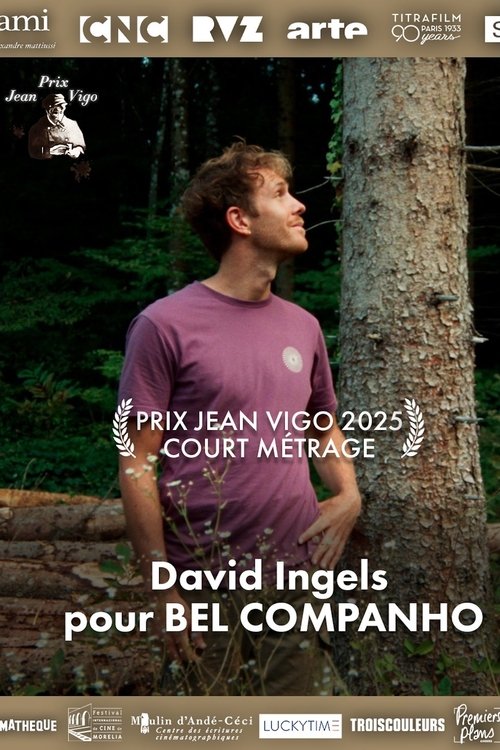
Two cousins, Jean and Estelle, meet up for a walk. They're happy to see each other, but it's a strange year: whole swathes of the forest have been cut down and the paths have disappeared. Soon, a young man who had been sleeping under the trees crosses their path. He brings the sun with him.
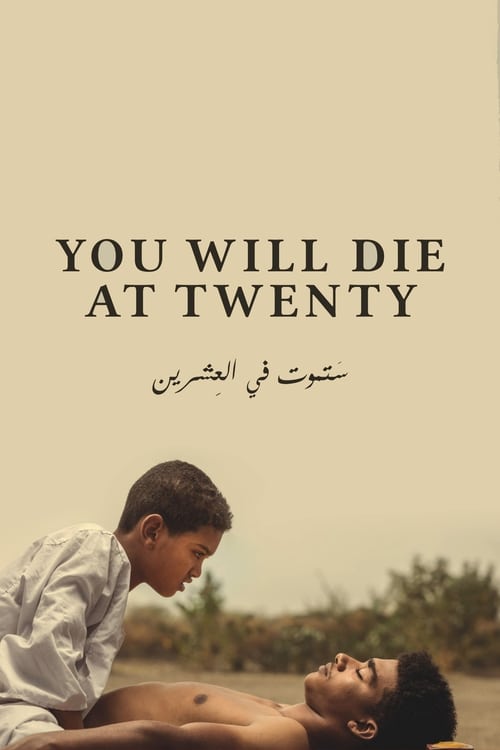
Shortly after Muzamil was born, the village's holy man predicts that he will die at age 20. Muzamil's father can't stand the curse and leaves home. Sakina raises her son as a single mother, overly protective. One day, Muzamil turns 19.
Following the steps of an English botanist, in the landscapes of the Normandy coast, people and cameras look at flowers. This is an essay on attention and friendship, a cinematic herbarium.
What happens in a brief love affair when a young woman meets a man in Paris and takes him back on a vacation to visit her mother in the Cevennes mountains.
No description available.
The journey of a young man as he begins an apprenticeship in the French countryside to train as a gardener. There he encounters a trio of men who will prove decisive in both his nascent career as a horticulturist and in unleashing his sexuality.
Master filmmaker Jean-Marie Straub continues his exploration of classic texts with this "collaboration" with the great 16th-century writer of the Essais.
Lou, a 12-year-old goat, lives with her brother Koa and her mother Zoé, a storyteller, in a mountain hamlet. During the autumn migration, a storm sweeps Zoé away. Determined to find her, Lou ventures alone into the snowy heights, where she bonds with a mysterious creature who reveals the mountains secrets and the world of Spirits to her. This journey of initiation unveils Lou as the new storyteller, ready to carry on her mother's traditions and those of her community.
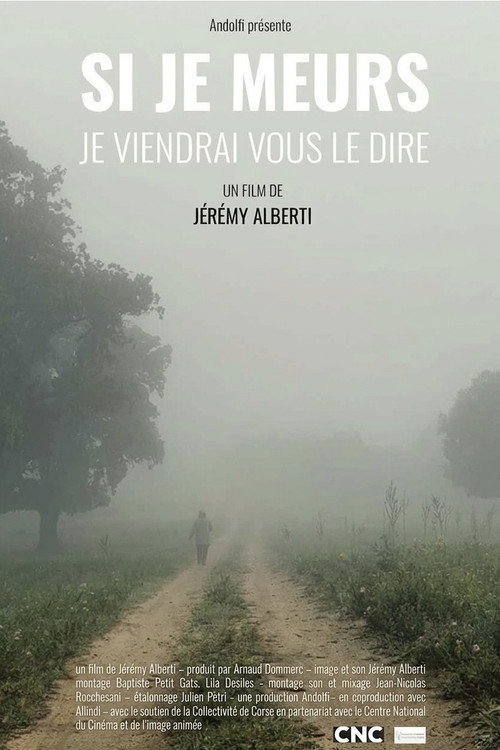
A walker who crosses three regions: Vattetot-sur-mer in the Pays-de-Caux region, Saint-Firmin-des-Bois in the Gâtinais region, and Carrouge in Switzerland, drawing an imaginary geographical thread between the places where we live and the place where Gustave Roud spent time on his family farm in the Pays-de-Vaux region. This film was inspired by Gustave Roud’s text, whose title we have borrowed. Travelling through landscapes, looking closely at the tiny and changing forms of nature, meeting living beings – animals and people.
A young woman makes her way back home to her parents’ house in the middle of the night leaving a bad experience behind. Haunting pressures to fit back into the family dynamics as well as revealing details of her life abroad weigh heavy on her. Feeling cornered, her anxieties resurface, leading her to find solace in another part of her Beirut life that she had forsaken. A life that is for her as familiar and foreign now as it ever was.
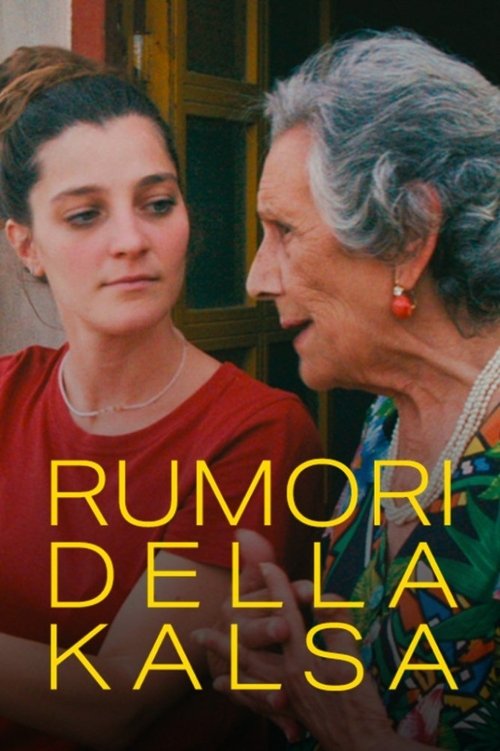
Architecture student Bruna wants to renovate the convent located in the center of Piazza Magione in Palermo. This means dealing with the joys and contradictions of a square that is above all a community: there are the people who live in the buildings around it, there are young people who gather there, and there is also an association that takes care of the place and the events that are organized there. From a situation of apparent simplicity, Bruna, however, gets lost in the unsolvable enigma of bureaucracies and in the tension of an ambivalent risk: would a renovation be valorisation or denaturalization?
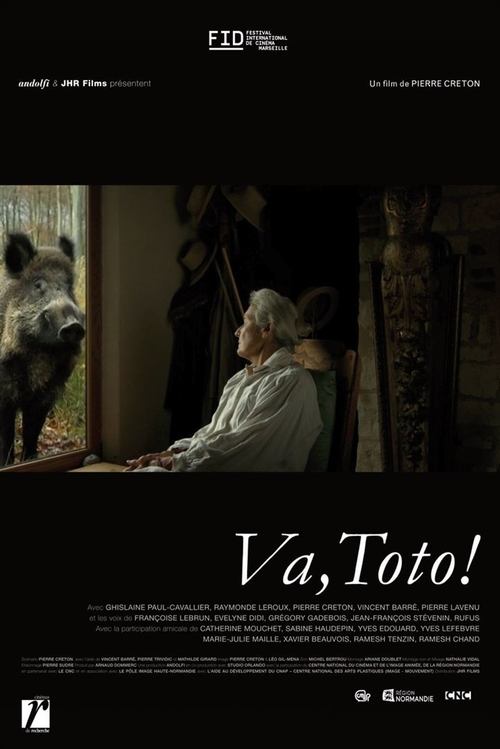
A film about belonging, gay rural life, physical labor & elderly bodies. The arrival of Toto the marcassin at Madeleine's house, Vincent's trip to India and his troubles with the monkeys, or Joseph's dreams provoked by the continuous pressure machine, are three stories that Pierre will share and that in one way or another summon up our relationship with the animal, with this other neighbor
African immigrants start working on a farm in Normandy and hope to open their own restaurant someday.
After twenty-five years spent in France, I return to Bulgaria, camera in hand, with a vertiginous suspicion: what if my family had collaborated with the political police of the communist regime? And what if they were part of the "red trash" that the demonstrators on the street want to see disappear? I decide to investigate and to film, constantly, ready for anything. My adventure transforms itself into a tragic comic odyssey; a film that combines espionage with family.
What would it be like to film the 6,852 islands of the Japanese archipelago? A refuge film in two parts. The first is a manifesto, a reflection of the catastrophe. The second gathers the film-islands, last traces before the disappearance.
Jean-Marie Straub’s new film closes the circle. The years 1954–2013 are displayed as representing a film produced in collaboration with Danièle Huillet. The two had met in Paris in 1954, around the year they came across the text by Georges Bernanos, to whom Straub has now dedicated a half-hour film. A man and a woman engaged in a dialogue, talking about their love, as if talking across an abyss. Then, in the last take, the two of them close together, motionless for a long time
Strange and life-threatening events in a construction site create tension between the Syrian workers and the Lebanese villagers. Tarek, one of the workers, becomes convinced that the site is haunted.
Jean-Marie Straub pushes this musicality of blocks to a paroxysmal extreme, mixing blocks of time (40 years separate the various extracts that are going to be used, and what is to be filmed), blocks of text (Malraux, Fortini, Vittorini, Hölderlin) and blocks of language (French, Italian, German), and from this ruckus emerges the history of the world, yes, History with a capital H, and from the same movement, the political hope of its being overtaken. So this is an adventure film, about the Human adventure, still one that is always, in the end, overtaken by Nature.