Catherine Destivelle
Acting
Biography
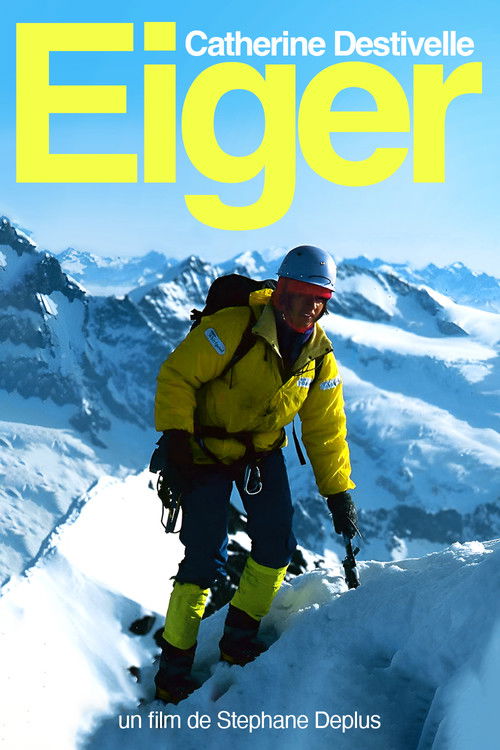
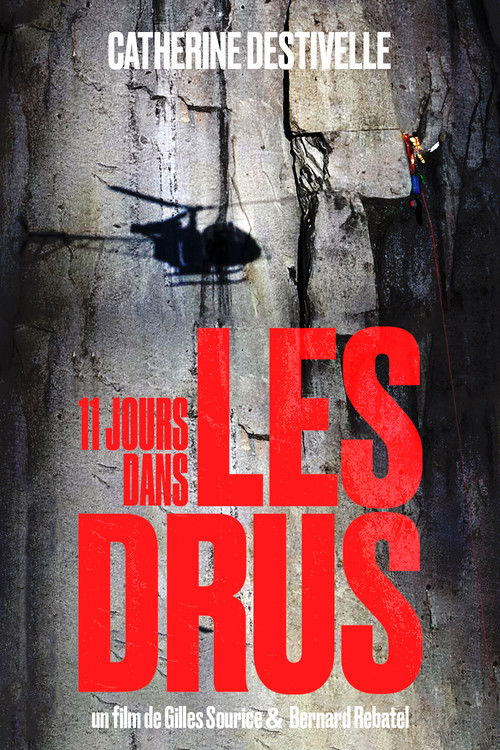
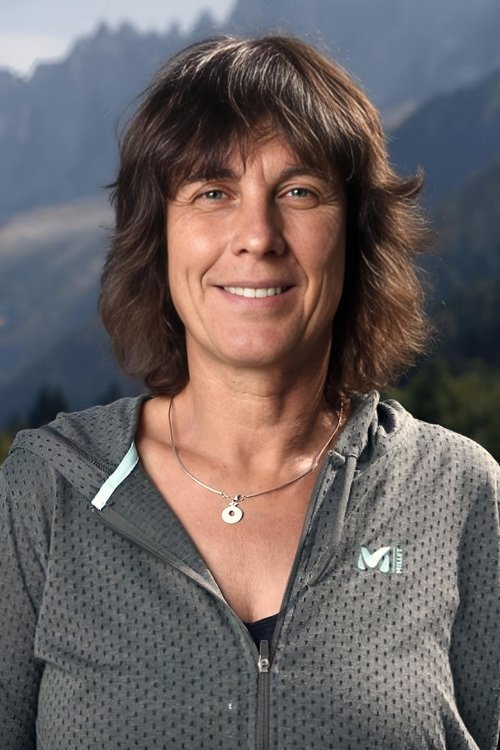
Catherine Destivelle, born on July 24, 1960, in Oran, Algeria, is a French climber and mountaineer. In 2020, she received a Lifetime Achievement Piolet d'Or for her achievements and contributions to the world of mountaineering. Introduced to climbing at a very young age, she had already climbed the most difficult routes in the French Alps by the age of twenty. By the end of the 1980s, she had become one of the world's best climbers, amassing records, trophies, and honorary distinctions. The 1990s marked a turning point towards mountaineering, as she participated in expeditions to the Himalayas and became the first woman to climb the three major north faces of the Alps solo in winter. Highly popular, she has been the subject of numerous news reports and documentaries. Catherine Destivelle grew up in Paris and was introduced to climbing at a very young age in the Fontainebleau forest. At 15, she could climb the toughest rocks. At 17, she spent her weekends scaling the highest peaks in the Alps. Around the age of 20, she embarked on a career as a physiotherapist, but after five years, the lure of the mountains proved too strong, and she began competing in international climbing competitions. From 1985 to 1988, she was considered the best climber in the world. In 1990, she returned to mountaineering with a series of incredible ascents, including solo winter climbs of the three most legendary Alpine faces—the Eiger, the Grandes Jorasses, and the Matterhorn—making her the greatest climber of all time. Among her notable achievements: in 1990, she climbed the Nameless Tower in Pakistan and soloed the Bonatti Pillar on the Drus. In June 1991, she established a new route on the famous west face of the Drus during a remarkable 11-day solo ascent. On March 10, 1992, she completed a 17-hour solo ascent of the Eiger's north face (3,970 meters) in the Bernese Oberland, a legendary rock face considered the deadliest in the Alps. Later that same year, she attempted the immense Latok in Pakistan. In 1993, she made the first winter solo ascent of the north face of the Grandes Jorasses and attempted the west pillar of Makalu in Nepal. In 1994, she completed a winter solo ascent of the Bonatti route on the north face of the Matterhorn. In 1995, she climbed the southwest face of Shishapangma in Tibet and attempted the south face of Annapurna. 1996 marked a pause in her climbing activity due to an accident in Antarctica, but she recovered very quickly. In early summer 1999, Catherine climbed the direct north face of the Cima Grande di Lavaredo in the Italian Dolomites. Catherine was once again the first woman to complete this solo ascent, which took her two days. In 2020, Catherine Destivelle was awarded the Piolet d’Or Lifetime Achievement Award for her lifetime achievements and contributions to the world of mountaineering. She is the first woman to be honored with this prize. Today, in addition to her mountaineering activities, she is a lecturer and director of Éditions du Mont-Blanc.

Known For

No description available.
Sacrée soirée

People experience adventures on mountains all around the world. Personalities, fascinated by the world of the mountains, bring us closer to the freedom many people experience in such breezy hights.
Bergwelten

No description available.
Expedition Earth

Catherine Destivelle is an ambassador for the French Alps and is well known in France and abroad. In Beyond the Summits, viewers will feel like they are climbing up the mountain with her. The film shows three classic Chamonix routes with three different climbing partners. Each partner was chosen because they had a profound impact on her life. The camera captures the magnificent scenery, as well as frank and intimate moments during the ascents ...
Beyond the Summits

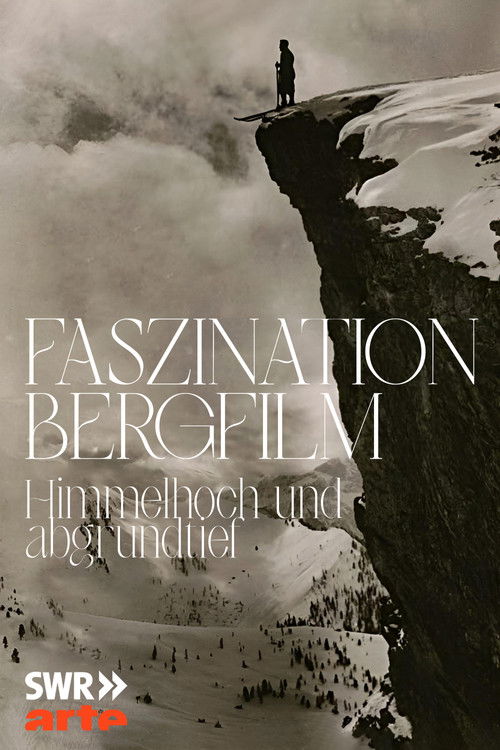
A fascinating chronology of 100 years of mountain film history in the Alps. This documentary focuses primarily on films shot on the Matterhorn, the Eiger, and the Grandes Jorasses, considered until the 1930s as the "last problems of the Alps," and shows the evolution of mountain filmmaking through numerous excerpts from documentaries and feature films – notably on the Matterhorn in 1901. The genre, appropriated as a means of mass exaltation by "fascist" regimes during the Second World War, was reinvented in the 1950s by Gaston Rebuffat, Marcel Ichac, and Lionel Terray in the Mont Blanc massif, avant-garde figures of French mountain cinema, who reintroduced, beyond performance, the values of the mountains – and in color – poetry, humor, and sharing among people from all walks of life.
Faszination Bergfilm - Himmelhoch und Abgrundtief

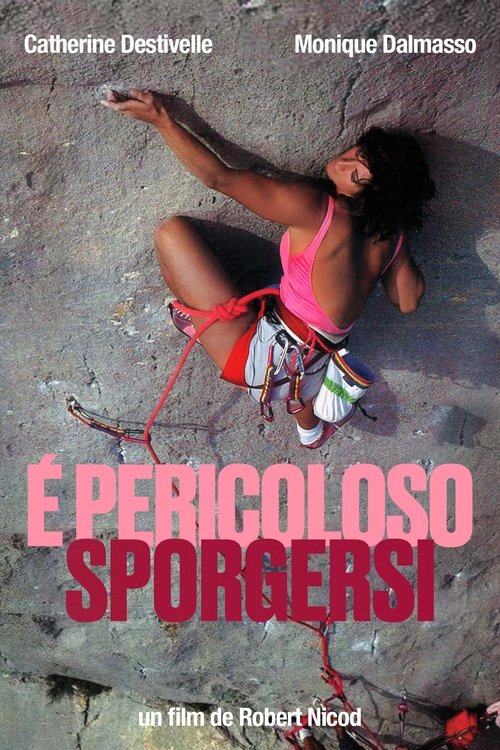
È Pericoloso Sporgersi is Robert Nicod's first short film, shot in 1985, featuring four young climbers, two women, Catherine Destivelle and Monique Dalmasso, and two men, Alain Bultel and Marc Lecomte-Durouil, in the Verdon Gorges. In a natural setting of cliffs, rivers, sinkholes and vertical waterfalls, Catherine Destivelle and Monique Dalmasso climb the Bombé de Pichenibule. This progression, filmed as a female climbing adventure, represents a successful first 7b+ ascent for the French champion. The film received the Genziana D'Argento for best sports film at the Trento Film Festival in 1986.
È Pericoloso Sporgersi

In the 1980s, Patrick Edlinger, nicknamed "Le Blond", painted with the grace of a poet the first chapter in the world history of free climbing. In his hands, marginal exercise has become a real lifestyle, carrying a message of freedom. His famous solos, beyond the proven feat they represent, bear witness to this. Life at Your Fingertips, the first internationally known climbing film, touched and inspired by generations of climbers; Edlinger was one of the meteors that shone light on the cliffs of the world by following the trajectory of a single idea: to be free to live only by "climbing". Yet the man capable of concessions in the face of the necessities of life (competitions, advertisements) and pressure from the media, his public and the desires he aroused.
Edlinger, la liberté au bout des doigts

No description available.
En Solo : L'ivresse des sommets

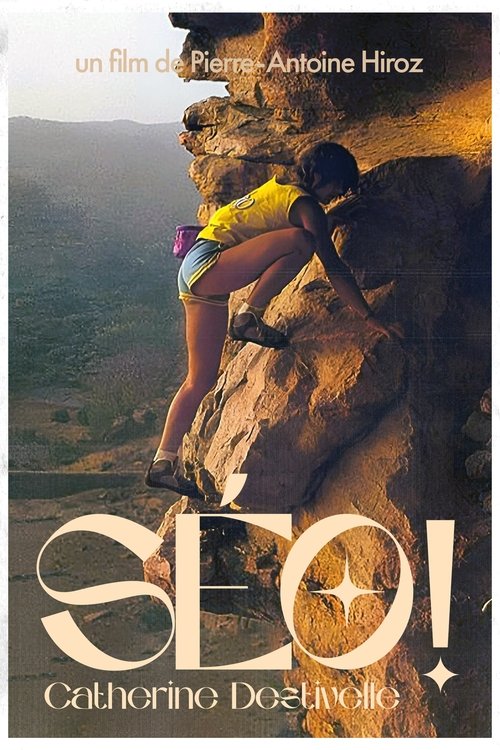
The film shows Catherine Destivelle's trip to Dogon Country, in Mali, where she will make spectacular free solo rock climbing ascents in the sun-warmed cliffs of Bandiagara. Destivelle is accompanied on this trip by a friend climber, Lucien Abbet. A film by Pierre-Antoine Hiroz produced in 1987 by Paradoxe and also featuring Tidjani Koné, Ibrahim Dolo, and the Dogon inhabitants of the Bandiagara Escarpment. The film won the Genziana D'argento for best free climbing film at the Trento Film Festival in 1987.
Séo!

In 1984, climbing virtuoso Patrick Berhault gave a night climbing demonstration with Nico Ivaldo in Finale Ligure, Italy. This close and spontaneous connection with the audience, the silence followed by the cheers of the crowd with each move, amplified the climbers' sensations, creating a powerful feeling that gave them a state of flow. This idea of climbing dance took root and culminated in the film "Star Climber," composed of parodic vignettes retracing the history of climbing through the ages. Berhault, by turns a Cro-Magnon man, a Zulu in a trance, a troubadour climber accompanied on the flute by Catherine Destivelle, a Buster Keaton trying to climb his beautiful woman's wall, as Blues Brothers, Berhault and Robert Cortijo push the dial on rock 'n' roll 10 meters above the ground solo on the facade of a building at the crossroads of West Side Story and a Terry Gilliam film.
Grimpeur Étoile

No description available.
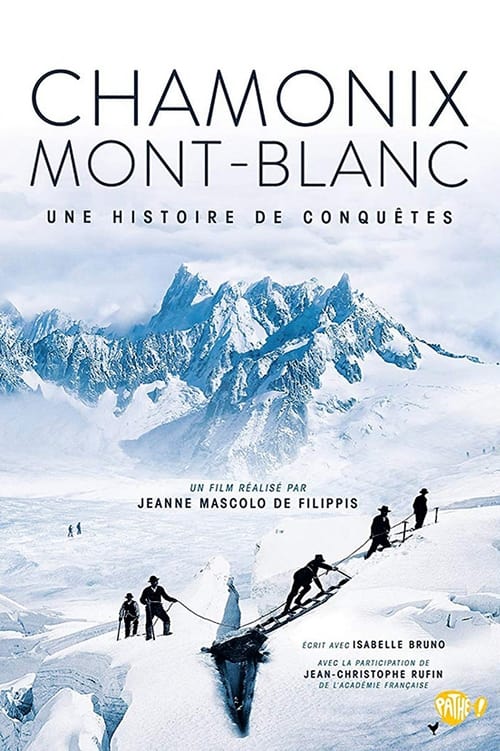
Chamonix - Mont Blanc, Une histoire de conquêtes

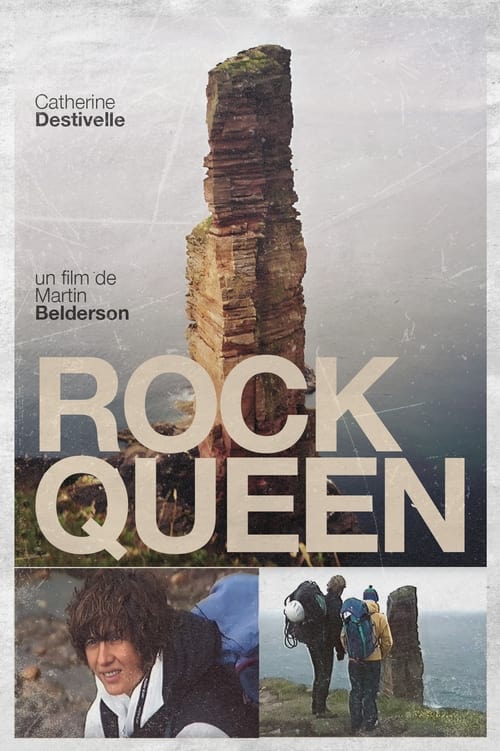
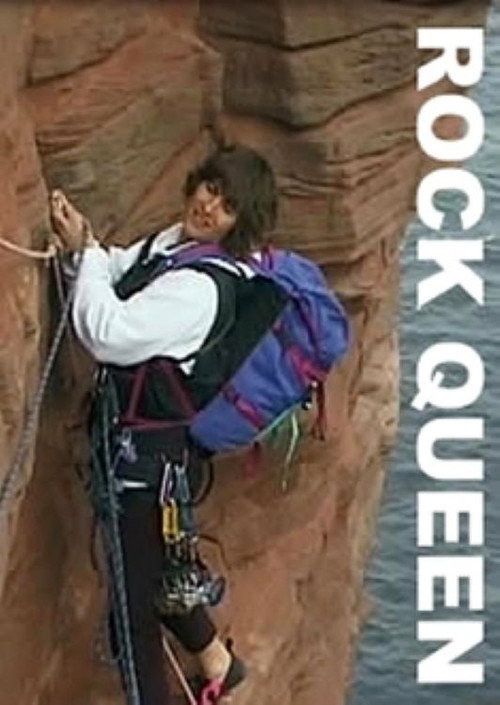
Catherine Destivelle has deservedly become the most famous female climber in the world. She rose to prominence with historic climbs, such as the free ascent of the Nameless Tower in Pakistan, and solo winter ascents of the classic north faces of the Matterhorn and the Eiger, climbs that have never been repeated by any woman. She also made history in sport climbing by winning the world championship title. In 1997, this time in Scotland, on the iconic Old Man of Hoy route, opened by Bonington, Patey & Baillie, Martin Belderson crowned Destivelle Queen of the Rock. She was four months pregnant when she made this 137-meter ascent, which was not difficult but on tricky rock.
Rock Queen

The documentary Jeff Lowe's Metanoia traces the life and exploits of legendary mountaineer Jeff Lowe, from his visionary climbs around the world to his battle with an incurable neurological disease. The term "metanoia" means a fundamental shift in thinking or a transformation of the heart. In 1991, Jeff Lowe opened an incredible climbing route, called "Metanoia," on the north face of the Eiger in Switzerland, a feat that profoundly changed his life. This film recounts this exceptional adventure, which also becomes a metaphor for his battle with Lou Gehrig's disease (amyotrophic lateral sclerosis), which gradually caused him to lose all his physical abilities. A spiritual epic, Jeff Lowe, confronted with his own mortality, reveals his unique philosophy and inspiring creative genius, while showing his great inner strength in the face of adversity.
Jeff Lowe's Metanoia

Documentary on climbing in the famous Verdon gorges, a mecca for world climbing. From Bernard Vaucher to Catherine Destivelle, from Bernard Gorgeon to Lionel Catsoyannis via Enzo Oddo and Fabien Ristori, relive the evolution of climbing in Verdon through testimonies and anecdotes from climbers from different generations. History, anecdotes and emotions from the early 60s to the present day, with an eye towards the future. Can we define ourselves as a climber without having visited the Verdon?
Verdon - The Show Must Go On

No description available.
Les Amants des Drus

At the peak of her career as a rock climber, Catherine Destivelle goes to the United States to get away from the competitions and to recharge batteries. There, Destivelle travels by car through Utah and Wyoming to make spectacular free solo ascents in Indian Creek, where she soloes 'Supercrack' (5.10d), in Dead Horse Point State Park, and on the iconic Devil's Tower, where she climbs unroped the second half of the classic 130-foot route 'El Matador' (5.10d).
Ballade à Devil's Tower

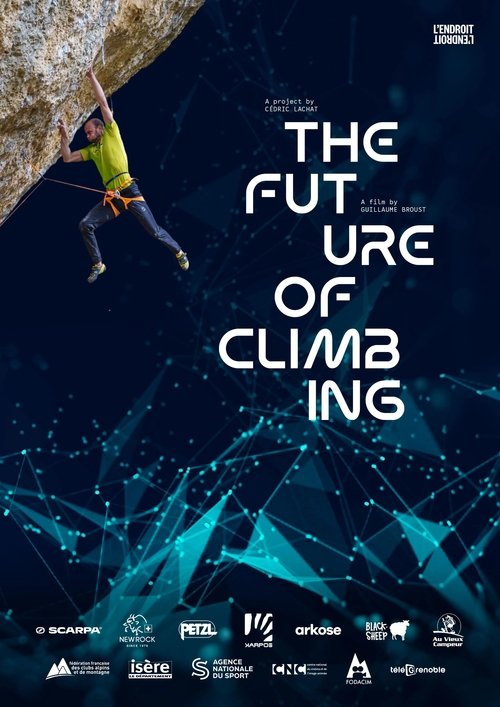
With the proliferation of private climbing gyms and the sport's inclusion in the Olympic Games, climbing, long a counter-cultural movement, is undergoing a profound transformation and facing a major paradox. On the one hand, private gyms are enjoying increasing popularity, while on the other, natural climbing sites are under serious threat. What vertical legacy will we leave to future generations? Is outdoor climbing destined to disappear? What will the future hold for climbing? Led by Cédric Lachat, a multi-award-winning Swiss climber, the film provides an international overview of this counter-culture, which has recently become a social phenomenon.
The Future of Climbing

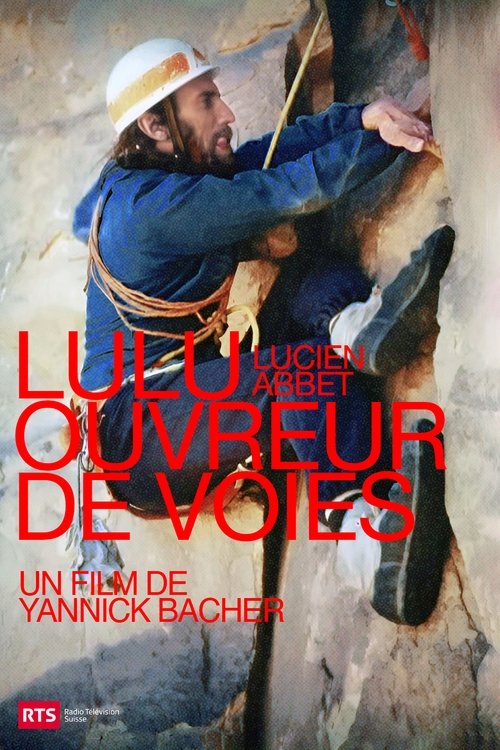
Lucien Abbet, better known as Lulu, is a pioneer of sport climbing and route-breaking in Valais. Although considered one of the best climbers of his generation in the field, his humility and his way of life have never been able to fit with the codes of public notoriety. Money, recognition, material goods have never interested him. He has devoted his entire life to his passion, a happy vagabond, as he likes to say: climbing and traveling.
Lulu, Climbing Route Opener

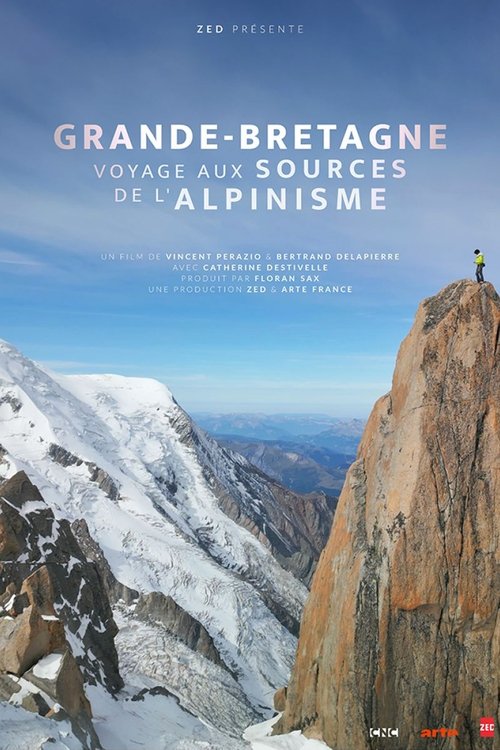
Breathtaking climbing sequences. As a guide, none other than "The Rock Queen" Catherine Destivelle. Climbing companions of the caliber of Chris Bonington or Tom Livingstone, one of the greatest Himalayan climbers today... for the production of "Great Britain, Journey to the Sources of Mountaineering," Vincent Perazio and Bertrand Delapierre have proven themselves equal to a complex but fascinating subject: the British origins of mountaineering. A journey through time. Since the second half of the 19th century and the beginnings of the British writer Albert F. Mummery, who would become the first sport mountaineer, notably in the Alps and the Caucasus.
Great Britain, Journey To The Sources of Mountaineering

No description available.