Acting
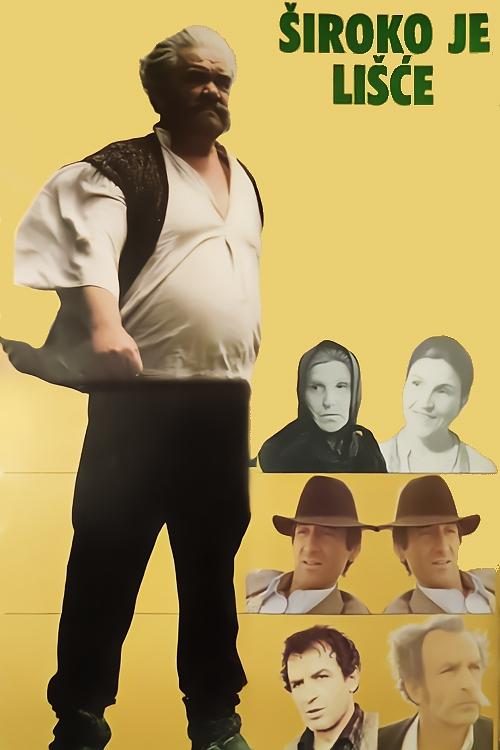
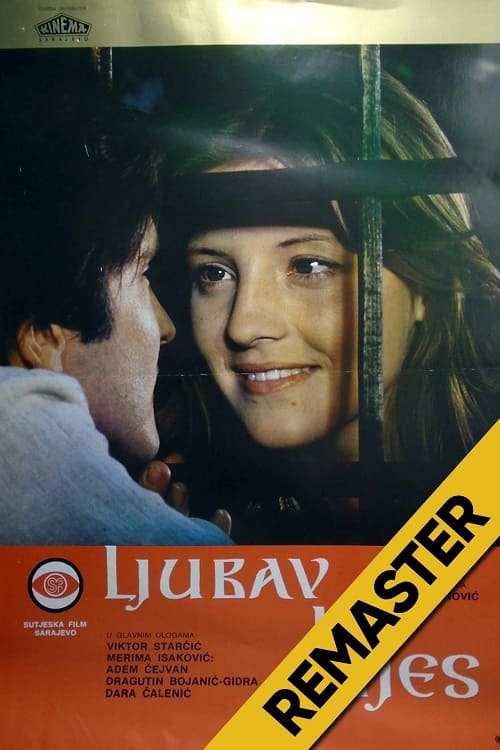
Deals with the father-son conflict in a farming family. The two never see eye to eye especially over the way the farm is run. The boy opts for a different way of life and also falls in love with a dumb girl to the horror of his family.
A village fella tries to make it big in the city.
Immediately after WWII, the Yugoslav government launches massive colonization of the rich villages of Vojvodina, abandoned by German farmers. Germans were being replaced with poor Bosnian peasants. Based on a novel by Branko Copic.
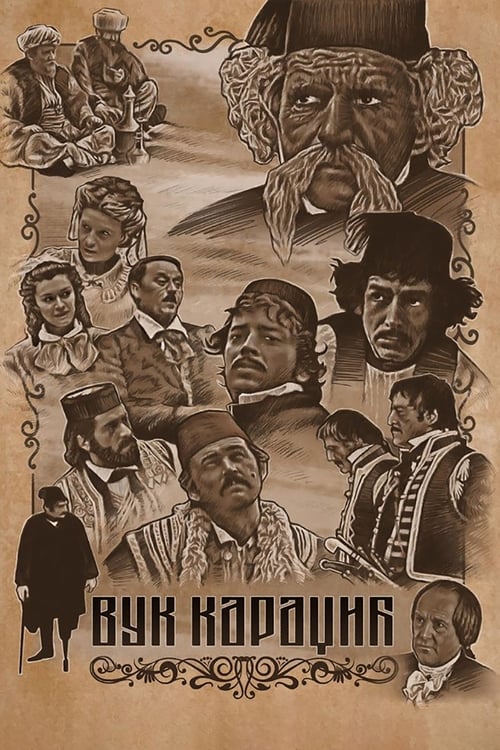
Vuk Karadžić, is а Yugoslavian historical drama television series which depicts the life and work of Vuk Stefanović Karadžić, a Serbian linguist and major reformer of the Serbo-Croatian language.
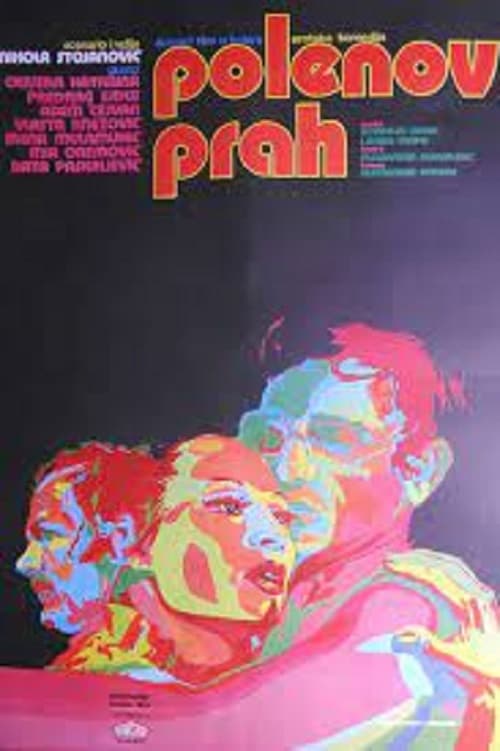
A young man leaves his village and goes to live in the urban outskirts. While changing one job after another, it turns out he's good for nothing and fails to keep it. On top of that, his girlfriend gets pregnant, and he decides to go back living on the farm again.
A group of factory workers is trying to make a theatrical play as amateur production, but political bigwigs want to supress them.
The action takes place in 1943 and today, and a Partisan school in Srem is in the center of action. A young journalist gets appointed to shoot a film report about the participants in the Liberation War from this area. In Srem village she meets common, simple people. She discovers that a free territory and a Partisan school was there. She also finds out that everybody acted as one. Deply going through all of those events, young reporter grows mature, identifying herself with the revolution participants.
A 1988 Serbo-Croatian language drama film directed by Milan Bilbija, starring Senad Bašić, Snježana Martinović and Stojan ‘Stole’ Aranđelović.
Works and private lives of 800 female employees in the textile factory named "Star".
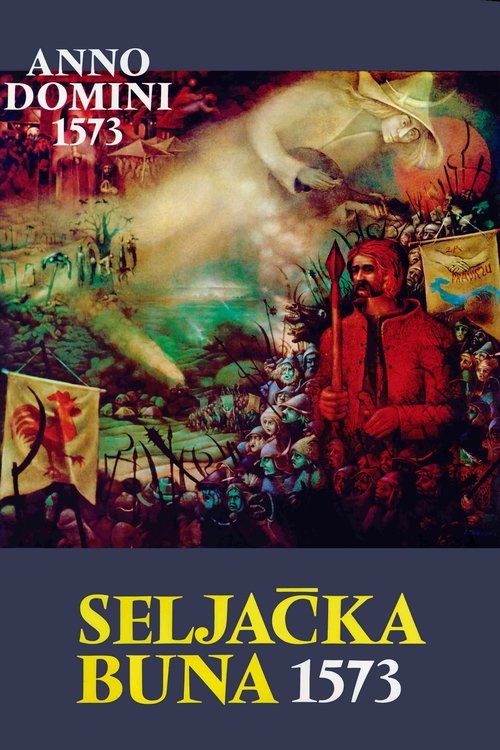
Europe in second half of 16th century was very rough place to live. Peasants of Slovenia and Croatia had even rougher times because of the constant threat of Turk raids and being taxed to death in order to provide defence against the Turks. But, the worst things were arrogant local feudal lords led by Franjo Tahi who were oppresing the common folk. All that led to the great peasant revolt of 1573. The movie is made for the 400th anniversary of the event.
A young enthusiastic teacher comes to the mountain village to open a school along the party lines. The head of the municipality helps him with that, for he believes that the lofty goals justify all the means to achieve them. But, on the field, things among the peasants are not going smoothly.
Coachman Bego, continuing the tradition of his ancestors, transports occasional passengers in his carriage. He hopes that his son will continue to drive a carriage, but times are changing, and a new bus route is introduced.
Old man Vidoje is a passionate bowler, has a dog and likes to hunt. However due to his declining health, his family starts depriving him of everything. In the end, Vidoje is left only with the TV, empty room and window to the street.
WW2 has ended, but that doesn't mean the end of problems for an ex-Partisan who now must take care of reconstruction, as well as the building of a new society in a small Serbian town.
I. S. returns after many years to his hometown, from which he escaped after WW II, fearing that, as a civil clerk of the NDH, could suffer prosecution from the new government. He has been falsely accused to be a member of Ustasha movement.
A group of village boys found a gang under the leadership of the most intelligent amongst them - Pero the Lump. They decide to renovate an old and abandoned watermill on the outskirts of their village. A discord amongst the villages has caused the mill to remain unused. To make sure it stays closed, the corrupted steam mill owner is ready to bribe customers. Pero's gang does not want to give in under the pressure of corrupt villagers...
The richest merchant in XIX century Sarajevo and his fellow travelers are captured by a group of bandits. In order to learn more about merchant’s riches, the bandits’ leader investigates the group and discovers that merchant’s wife, who cheated on merchant during one of his travels, later – in fear of his vengeance played to be possessed by “rage”. Looking for the cure, the merchant brings his wife to Ahmed Jusuf – former warrior and man of authority. Jusuf advised the merchant to take his wife and move into another region – having an idea on what was the story behind wife’s rage, bat also in an attempt to protect himself from the feelings that have already stifled.
A young journalist is sent to a small Bosnian town to interview people on happiness. He mixes up with local affair and has a romance with a student. He gets a shock when he finds out that he is going to be important due to childhood mumps.
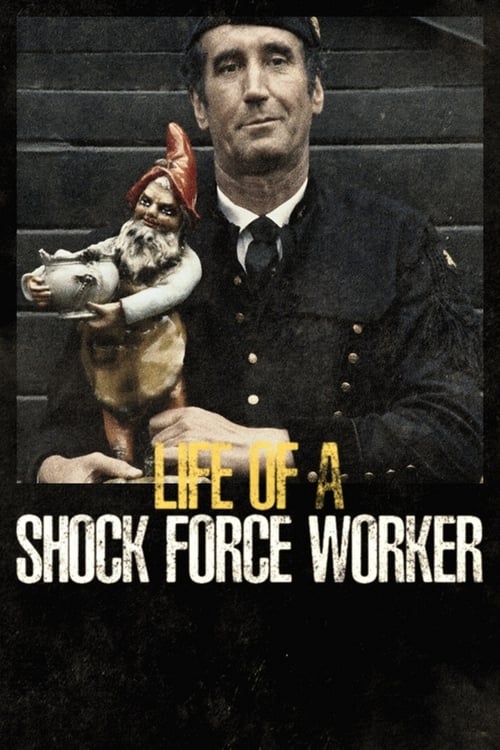
Adem, a Bosnian coal miner who spends his days digging in the dark depths, and in very harsh conditions, is praised for his work and achievements and known as an exemplary socialist worker.
Yugoslavia, 1948, the year of Inform Bureau's resolution and Tito's break-up with Stalin. The story takes place during a wedding in the Dalmatian inland in Croatia. Ante marries a much younger woman, Višnja; the groom's godfather is Andrija, the partisan war hero born in this very village, and a member of the new Communist political establishment. Two members of the Yugoslav State Security crash the traditional wedding ceremony. In the growing atmosphere of fear nobody knows who will be arrested.