Acting
No description available.
A talk show presented by Michel Drucker
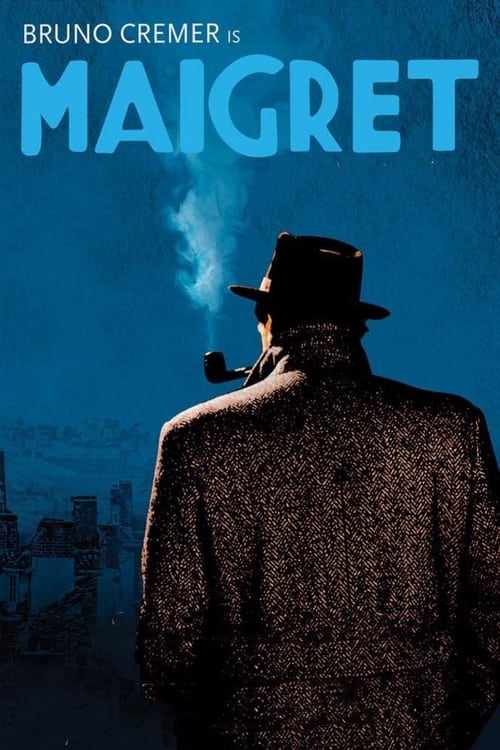
The pragmatic, reserved and refined Maigret investigates murders in his singular unhurried manner and inevitably discovers the truth.
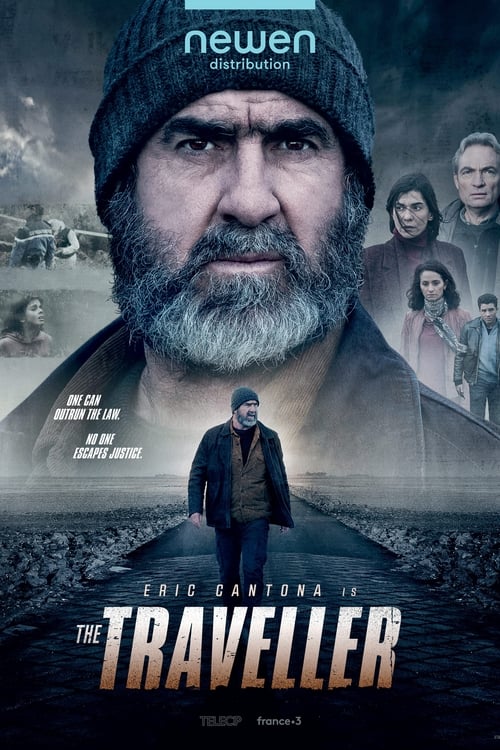
Hunting down killers to help bereaved families get justice is more than just a job; it’s a duty for Thomas Bareski, a retired, hotshot police detective eager to reopen unsolved murder cases in a mission to find the culprits.
Chloé, a fragile young woman, falls in love with her psychoanalyst, Paul. A few months later she moves in with him, but soon discovers that her lover is concealing a part of his identity.
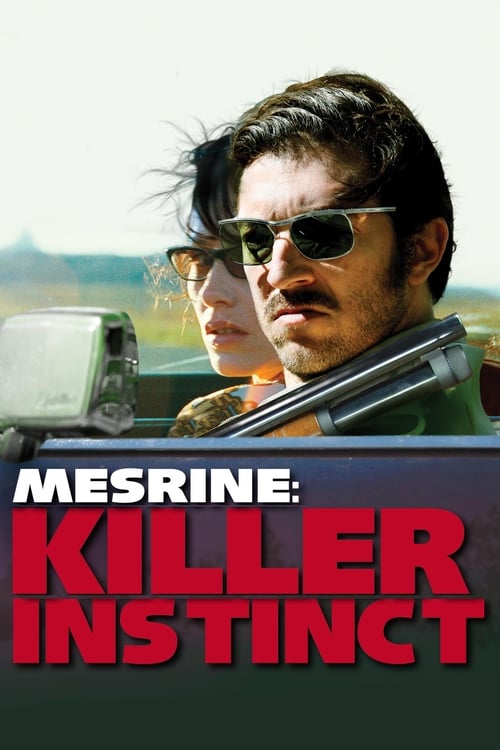
Jacques Mesrine, a loyal son and dedicated soldier, is back home and living with his parents after serving in the Algerian War. Soon he is seduced by the neon glamour of sixties Paris and the easy money it presents. Mentored by Guido, Mesrine turns his back on middle class law-abiding and soon moves swiftly up the criminal ladder.
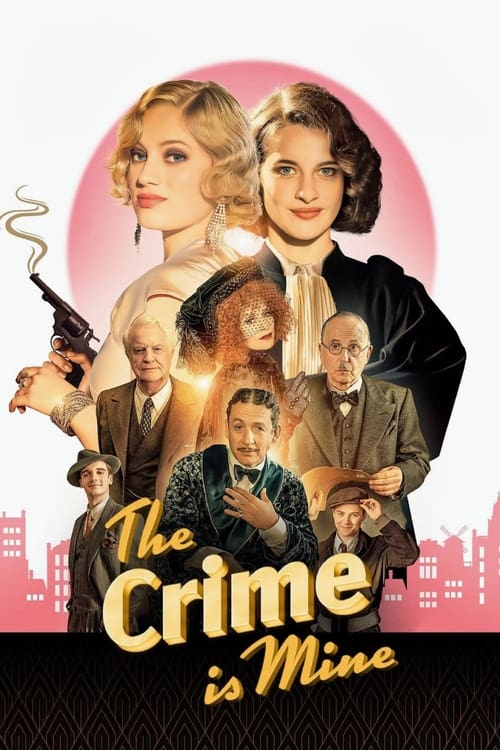
In 1930s Paris, Madeleine, a pretty, young, penniless, and talentless actress, is accused of murdering a famous producer. Helped by her best friend, Pauline, a young, unemployed lawyer, she is acquitted on the grounds of self-defense. A new life of fame and success begins, until the truth comes out.
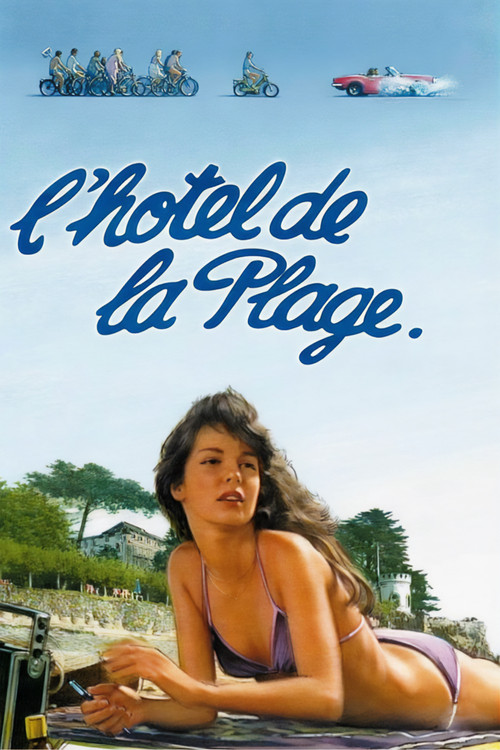
Visitors young and old get up to fun antics and romance at a seaside hotel in Brittany, France.
After nearly two decades of legendary criminal feats, making him France's most notorious criminal while simultaneously feeding his desire for media attention and public adoration, Mesrine becomes increasingly paranoid and isolated, leading to a dramatic confrontation with the law that ultimately seals his fate as the nation's most infamous public enemy.
We thought we'd seen, read, and heard everything there was to see about the Cannes Film Festival, from the glitz and gossip to the scandals and censorship. And yet, Emmanuel Barnault's "Morceaux de Cannes" (Pieces of Cannes), by this leading expert on Italian and French cinema, convinces us otherwise. The third largest event in the world (after the Olympic Games and the FIFA World Cup) reveals its secrets only sparingly, as this film attests. The result of passionate research in the INA archives, these 52 minutes, without interviews or voice-over narration, string together rare and sometimes previously unseen footage. Taken together, they tell a surprising, original, and heartwarming story of the Festival. On the beach, on a street corner, in a restaurant, or in the privacy of a hotel room, these forgotten archives summon the greatest filmmakers, actors, and actresses of the last seventy years, from Jean Cocteau to David Lynch, for an anthology of the Festival's history.
From Bonaparte to Casanova, history is cast in the light of famous escapes from various European countries.
A look at the lives of several men and women in their 30s as they confront the slim gains of the "revolutionary" sixties. Max, a dissatisfied copy editor; Myriam, a redhead into tantric sex; and Marie, a supermarket checker who gives unauthorized discounts to the elderly, search for renewed meaning on a communal farm. The title character, a six-year-old child, is the carrier of their hopes for the future.
In industrial Lyon of the early '50s, a widowed bar-owner listens to radio crime serials, reads detective magazines, and grieves for her daughter, killed two years earlier in a mineshaft accident. Consumed by her loss and unwilling to face the truth, the bar-owner becomes suspicious of the grim patrons in her drab tavern, seeking someone to blame as she contemplates revenge.
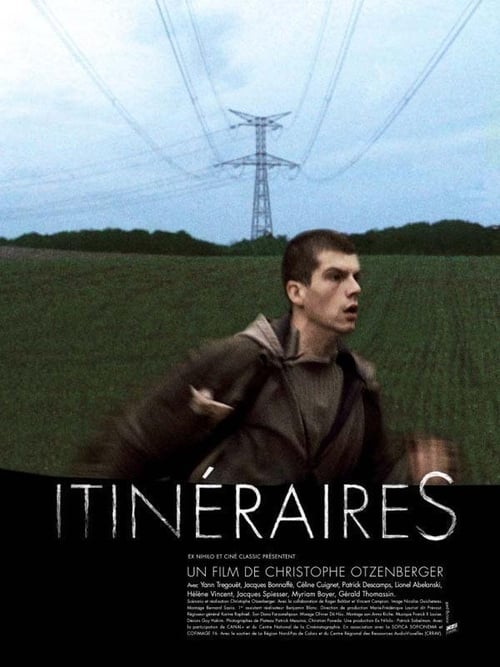
It is the end of the judicial control of Thierry Chartier, 18 years old. He was a virgin in Heuzecourt, a small village in the north of France populated by farmers and retired miners, where his paternal grandmother lived. He earns his living by helping out in the fields, he helps his grandmother, and would like to take over the farm. But, following an incident, he is condemned to seven years of criminal imprisonment, for complicity of murder, Thierry leaves on parole with an English diploma and a tattoo. But above all a guilt forever anchored. It is now up to him to rebuild his life.
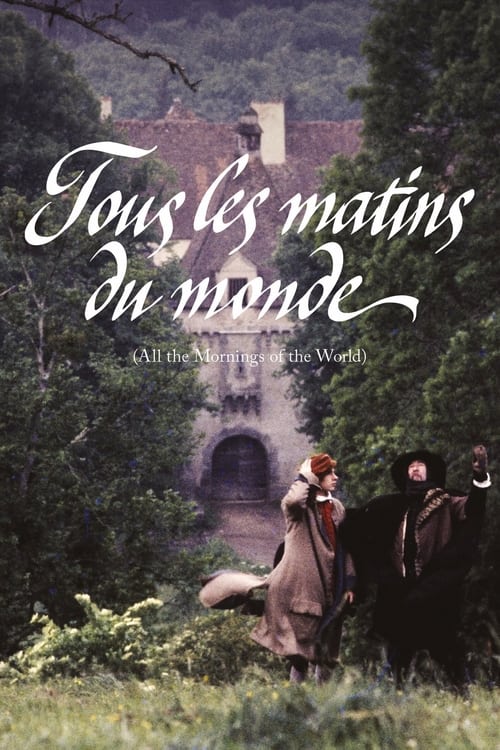
Following the death of his wife, a renowned musician ostracises himself from the outer world and dedicates his life to music. However, his life changes when a young man approaches him to learn music.
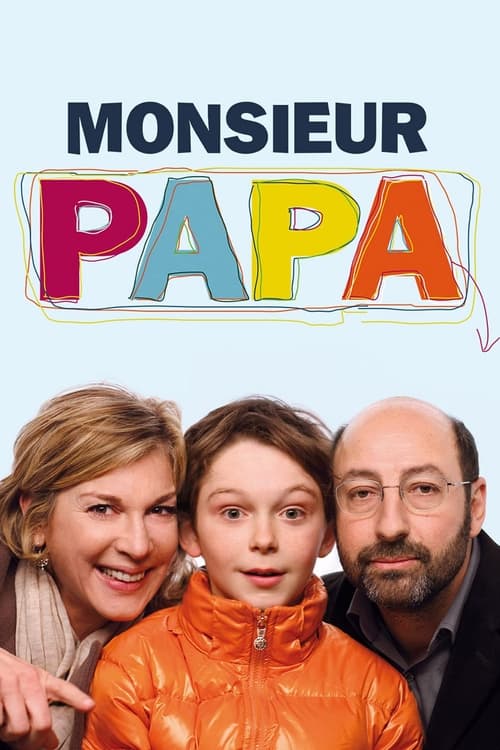
Monsieur Papa is a moving portrait of a modern family, centering around 12 year-old Marius Vallois. Born in a wealthy family, Marius is the son of Marie Vallois, a successful CEO. Marie loves her son unconditionally, but Marius has never known his father and suffers greatly from it. When Marius starts shoplifting and doing badly at school, Marie decides to recruit a father figure for him. One day in her office building, she meets Robert Pique. Robert is a peculiar man who has a background in finance, but makes ends meet ironing clothes for his neighbors. Reluctant at first, Robert agrees to be paid to meet Marius and pretends to be his father. Marius immediately understands that Robert is not his dad, but very quickly, a deep bond develops between them.
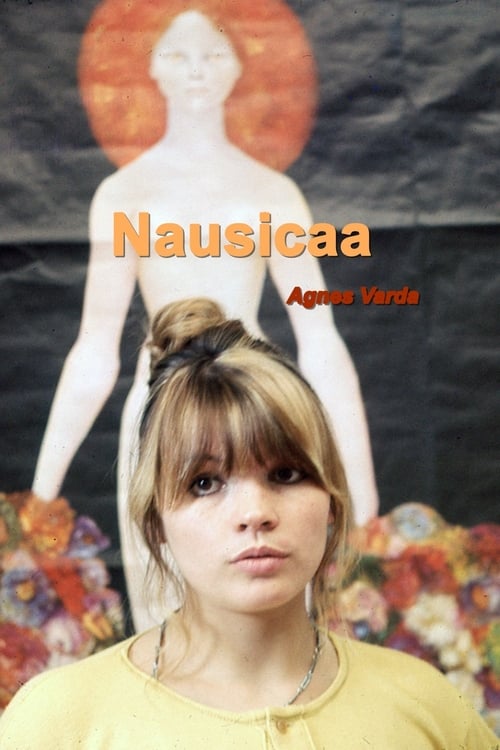
A girl, whose father is from Greece, studies ancient art in France. The film was made for television but never broadcast for political reasons related to its portrayal of Greeks. A work print was screened in Belgium in 1971, and the film is now available in reconstructed form.
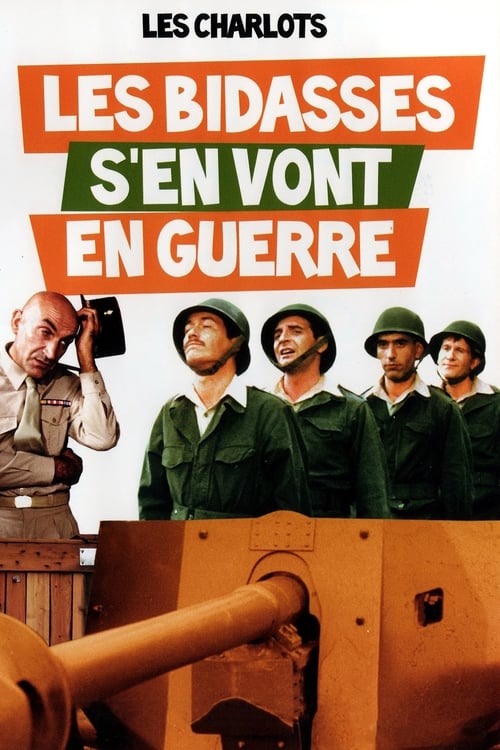
A Grand Slapstick comedy about four buddies serving in the army. Their long-suffering sergeant attempts to whip them into shape but the conflict spirals out of control.
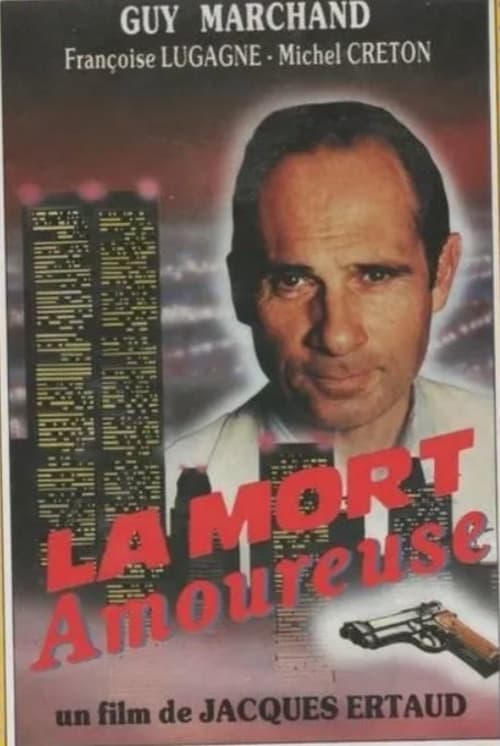
A young woman, elegant, cold and inhuman, who is none other than Death, reigns over a universe dominated by electronics, the firm Thanatos Unlimited Corporation. A file in a computer and life stops. But death is also capable of knowing love. Thus she keeps Robert, a worker in eternal youth and forces him to love her until he falls in love with Marie, a barmaid. But can we defy Death with impunity?