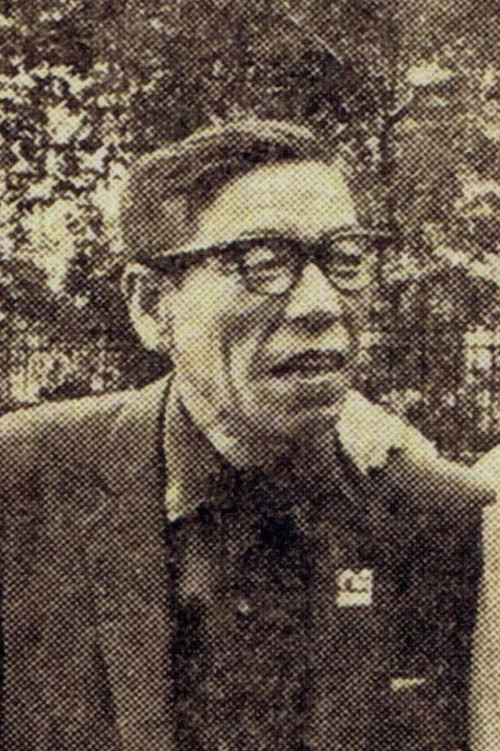
Kiyohiko Ushihara
Directing
Known For
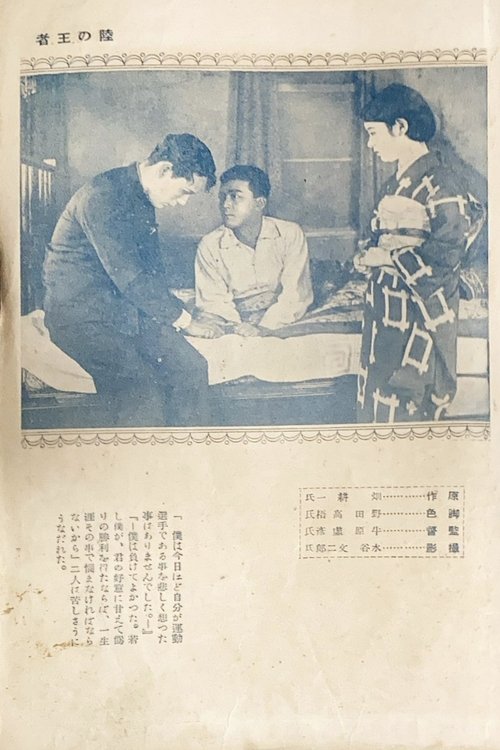
Japanese silent film from 1928, ranked as Kinema Junpo's second-best Japanese movie of the year.
King of the Land
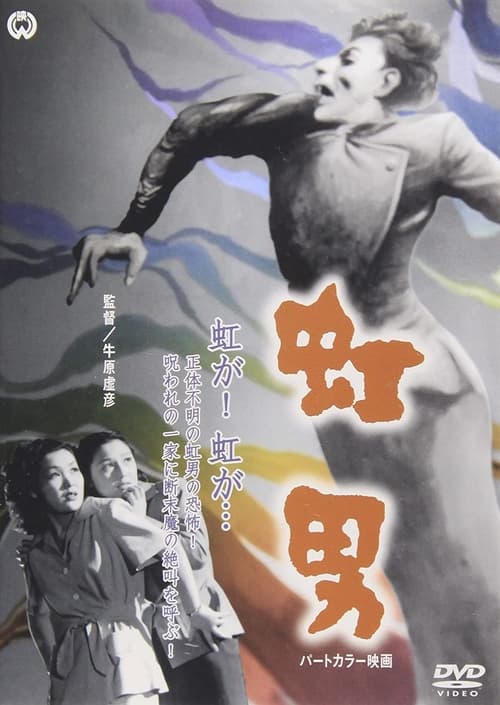
When a young woman is named as the prime suspect in a murder, her girlfriend and her girlfriend's boyfriend set out to prove her innocence. Their investigation leads them to an isolated, creepy house in the middle of nowhere, where sinister goings-on abound.
The Rainbow Man
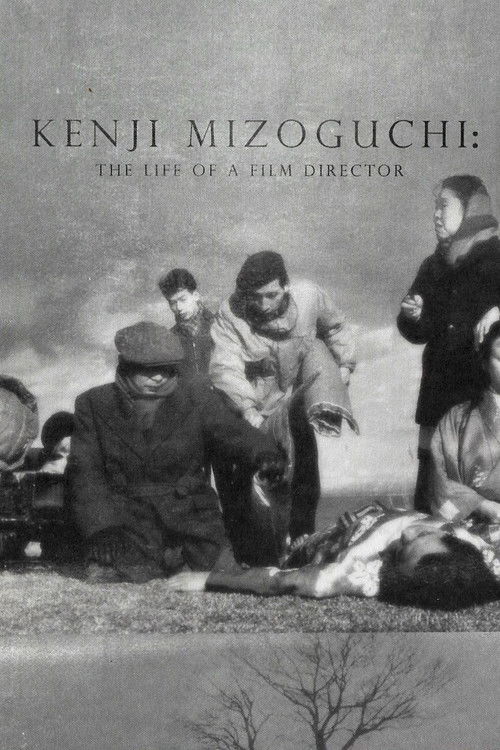
In 39 interviews with actors and actresses, writers, producers and staff members, interspersed with film excerpts and stills, Shindō recounts the life and career of his friend and mentor Mizoguchi.
Kenji Mizoguchi: The Life of a Film Director
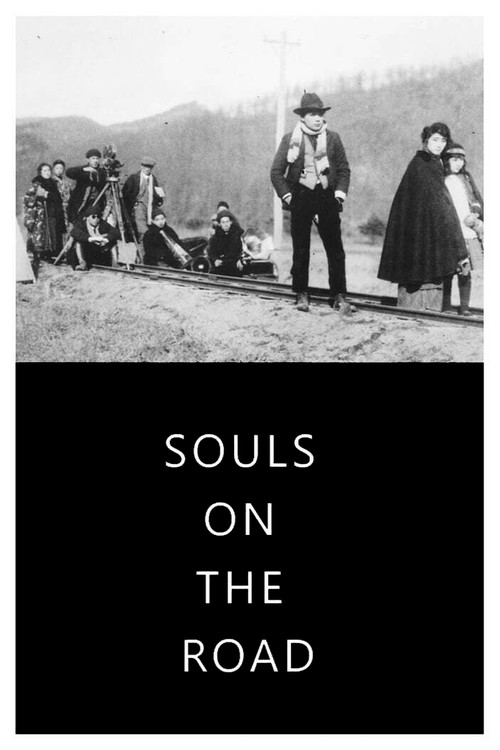
A small town boy dreams of being a famous fiddler; Meanwhile, two convicts escape from prison and hide in the woods.
Souls on the Road
No description available.
Aa mujô - Dai ippen: Hôrô no maki
No description available.
The Big City: Labor
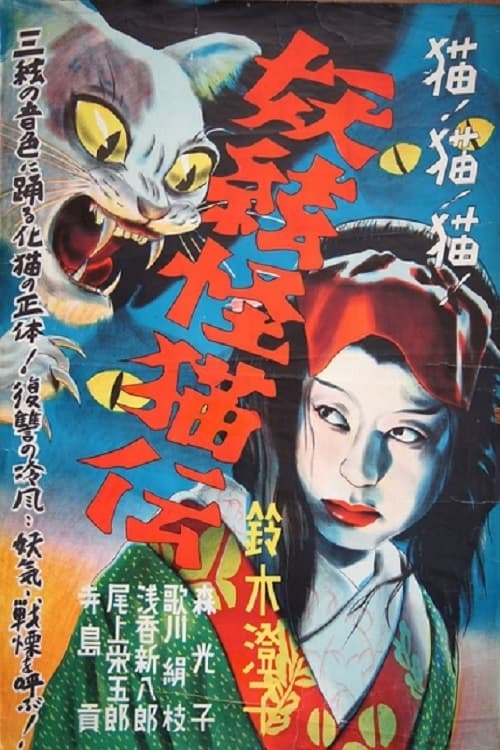
Mitsue is a popular stage actress and the lover of a shamisen player named Seijuro. She jealously murders two other objects of his affection: Okiyo, a young woman from a samurai family, and Kuro, a cat. The spirits of Okiyo and Kuro then merge into a vengeful ghost.
The Ghost Cat and the Mysterious Shamisen
A young man torn between love and friendship.
The Age of Emotion
No description available.
Kare to Tokyo
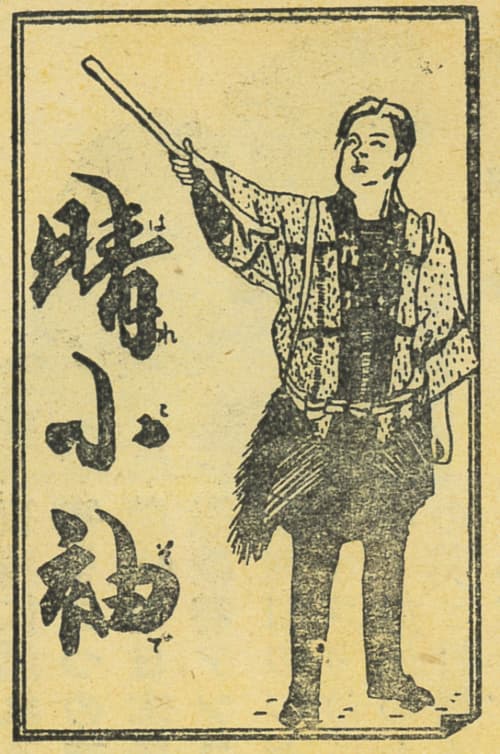
A lost film directed by Ushihara Kiyohiko based on a story published in the Mainichi Sunday Newspaper entitled '恋女扇.' It stars a wild man who falls passionately in love with a woman.
晴小袖
Comedy by Kiyohiko Ushihara. Once a full-length feature film, now only 14 minutes remain.
Kaihin no joô
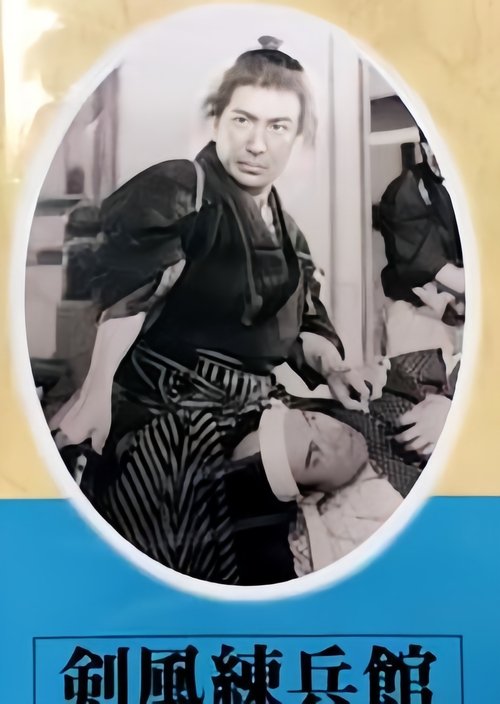
About Kenpuren Training Hall: The story is set in the Bakumatsu period. Katsura Kogoro and his passionate Choshu comrades raise the banner of "Shinto Munen-ryu" and join the dojo of Saito Yakuro, a renowned Edo swordsman leading 3,000 disciples. While some senior students have commendable qualities, certain undesirable habits disappoint Katsura. Nevertheless, he remains dedicated to mastering martial arts, practicing swordsmanship day and night while studying how to construct defenses against the Black Ships threatening the Shimonoseki Strait. Saito observes all this, and Katsura gradually stands out among the students...
Sword Wind Training Hall
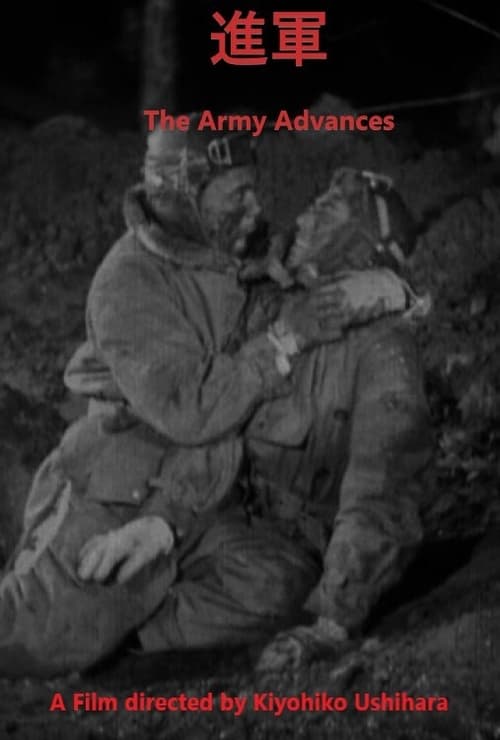
A farmer’s boy, obsessed with his balsa-and-paper flying models and with dreams of real aircraft, develops a friendship with the daughter of the local squire, who introduces the lad to her pilot brother and his flying officer friends; through hard work, and despite the handicap of a lowly class status, he eventually succeeds in qualifying as a pilot and joining the air force.
Marching On
Japanese silent film from 1929.
Him and Life
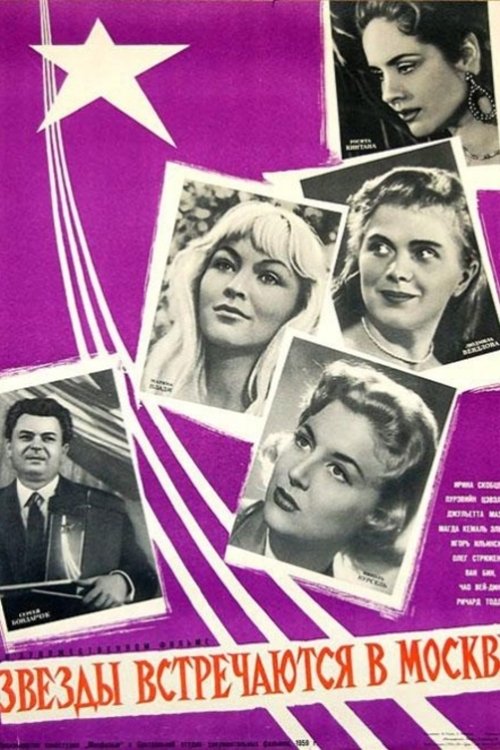
Documentary essay about the First Moscow International Film Festival, held in August 1959, about its participants and guests - Soviet and foreign actors, directors who came to the film forum.
Stars Meet in Moscow
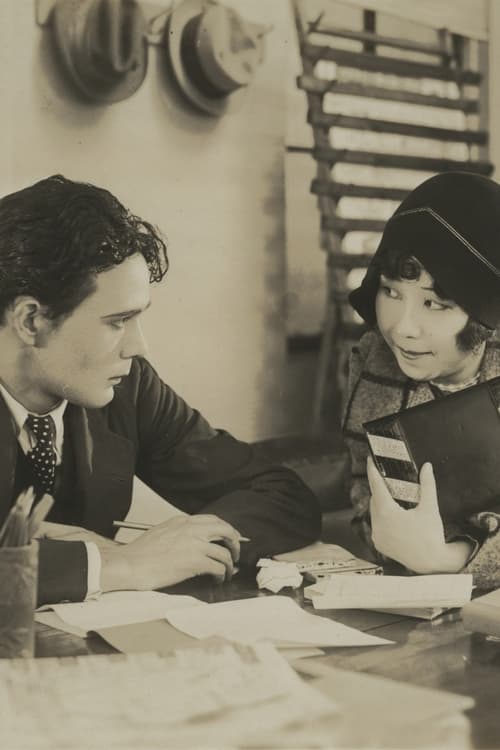
A modern girl suddenly intrudes into a widower's family home.
Youth, Why Do You Cry?
Japanese silent film from 1929.
Triumphant Song of the Mountain
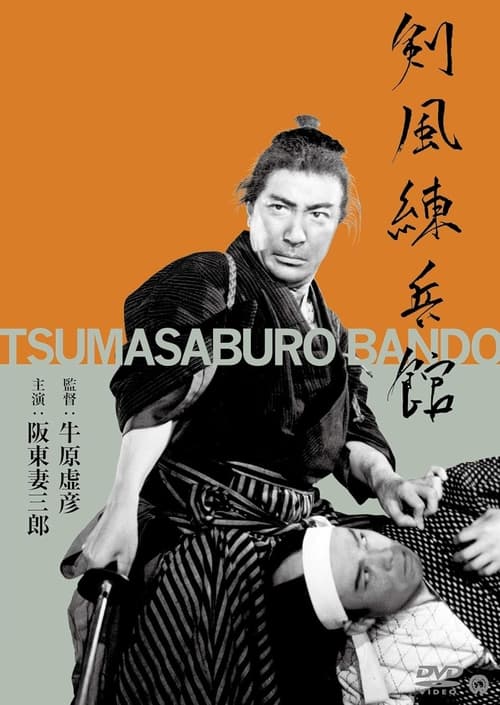
Near the end of the shogunate in Japan, Katsura Shogoro and his fellow samurai from the southwestern domain of Choshu enter the dojo of Saito Yakuro, the famed Shindo Munen Ryu swordsmen of Renpeikan in Edo. Katsura is initially not welcomed by the other, senior dojo followers. Undeterred, he focuses on improving his skill not only in swordsmanship but also learning how to repel the foreign British and American ships that threaten their domain.
Kenpu Renpeikan
Japanese silent film from 1928.
Modern Warrior Training
Japanese silent film from 1930. The second chapter of "The Big City: Labor" (1929).