Writing
The three-hour Ai yo jinrui to tomo ni are / Love, Be with Humanity (1931) starts as a satire of alienation in the world of money, develops into a lumberland epic with a forest fire on Sakhalin Island, turns into a tragedy of King Lear dimensions, and manages to amaze the blasé audience with a happy end in the Wild West.
A modern girl suddenly intrudes into a widower's family home.
Michiko gets pregnant after a rape. She marries a boring business partner of her father to avoid the shame. Later she meets the rapist again who is now a union leader in opposition of her husband.
Toshie, a young, conservative secretary-typist has fallen in love with Shozo Narita, a young man she has met through her work.
No description available.
A hard-working new employee at a trading company is promoted through the company president's business. However, he quarrels with his wife over something trivial, and her wife runs away from home, causing a fuss, but she returns to normal. Selected by Kinema Junpo as the 5th-best Japanese movie of 1926.
Japanese silent film from 1926.
Japanese silent film from 1928.
Early feature film by Hiroshi Shimizu.
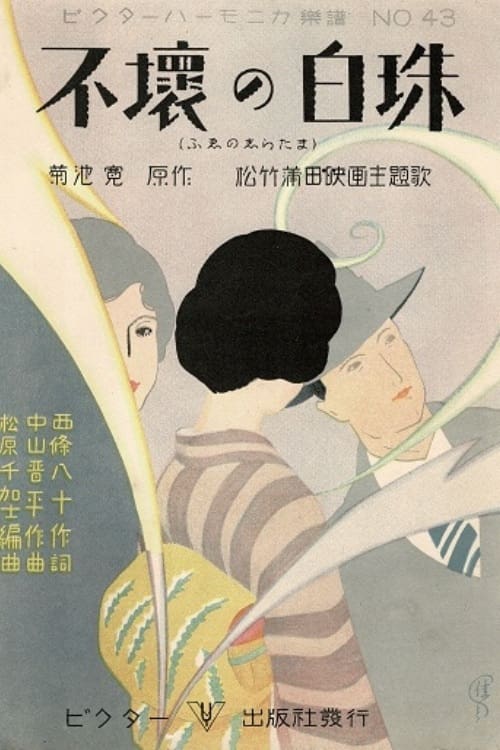
Japanese silent film from 1927, based on a popular serialized novel by Kan Kikuchi.
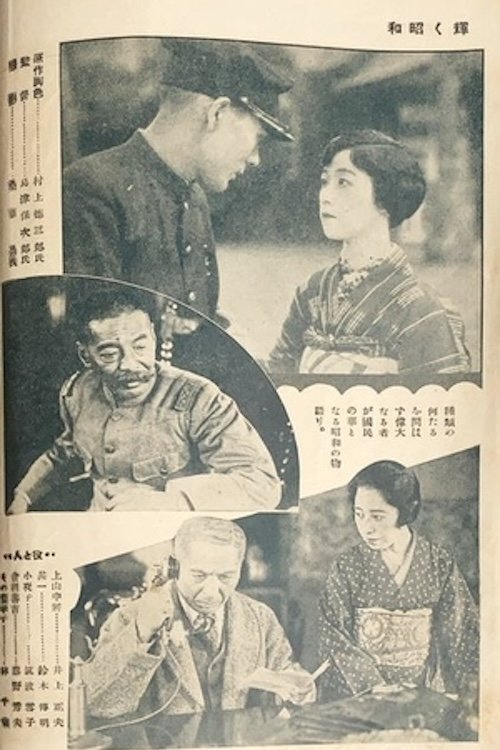
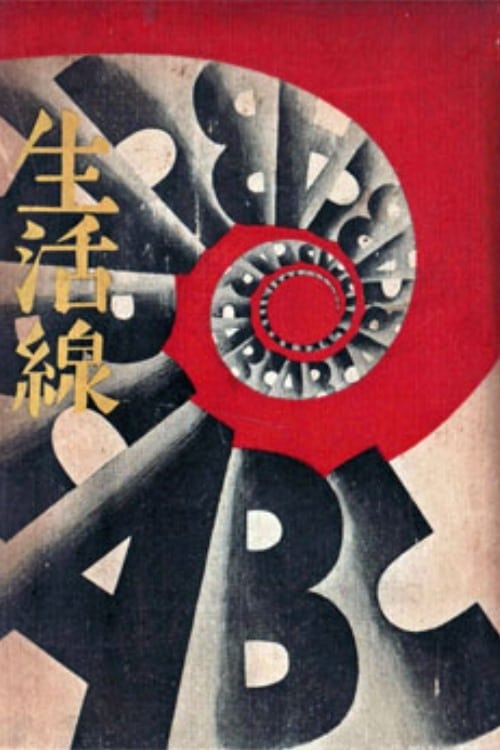
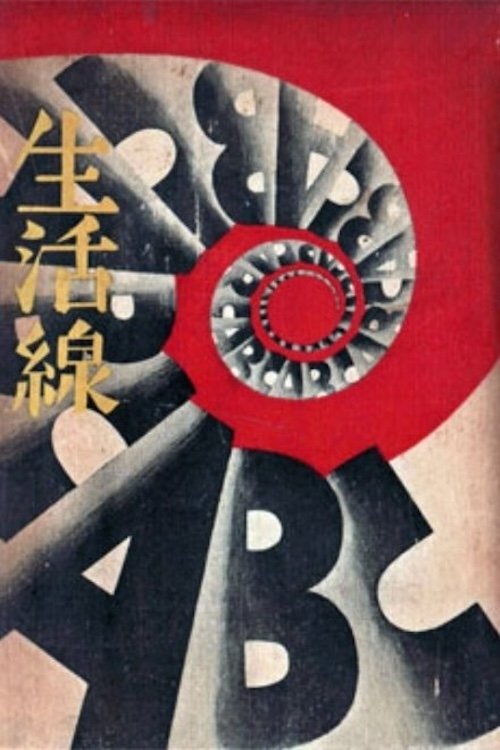
Japanese silent film directed by Yasujirô Shimazu, originally released as a two-part movie on December 11, 1931.
First chapter of Tasujiro Shimazu's ABC Lifeline, released two months before ABC Lifeline: Part 1 and ABC Lifeline: Part 2.
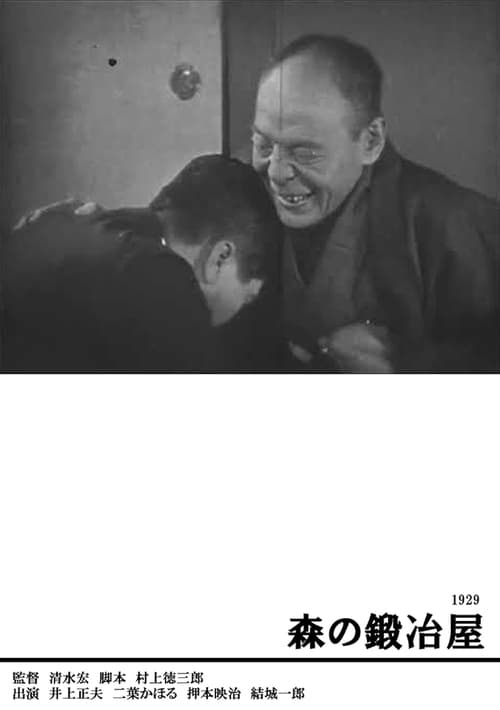
A blacksmith is chased out of the village by the sinister village chief and forced to move to the forest with his wife and two sons. The blacksmith's younger son is disabled, and the other children in the village tease him. The older son aspires to become a doctor in order to fix his brother's leg. The film depicts the bond between a father and his sons. Only 18 minutes survive.