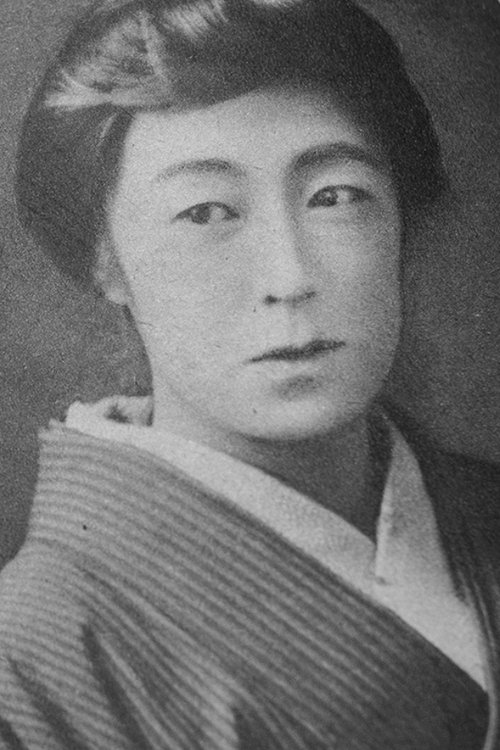
Utako Suzuki
Acting
Biography
Suzuki Utako ( January 30 , 1880 – unknown year of death ) was a Japanese actress. She played the mother role in most of her films, and was a valuable supporting actress representing prewar Japanese films. She retired in 1938 , at the age of 58, after more than 30 years of acting. Her husband was fellow actor Mizushima Ryotarō.
Known For
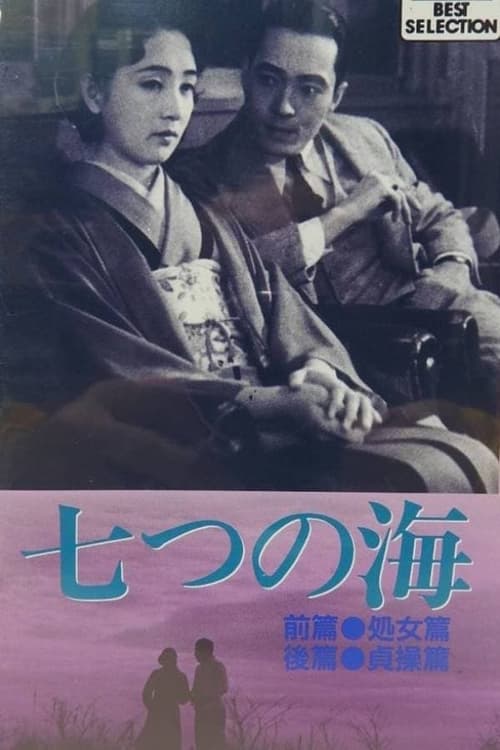
Part two of Shimizu's major silent Seven Seas, a family drama of the intertwining fates of the rich, decadent Yagibashis and the far less prosperous Sone family.
Seven Seas: Chastity Chapter
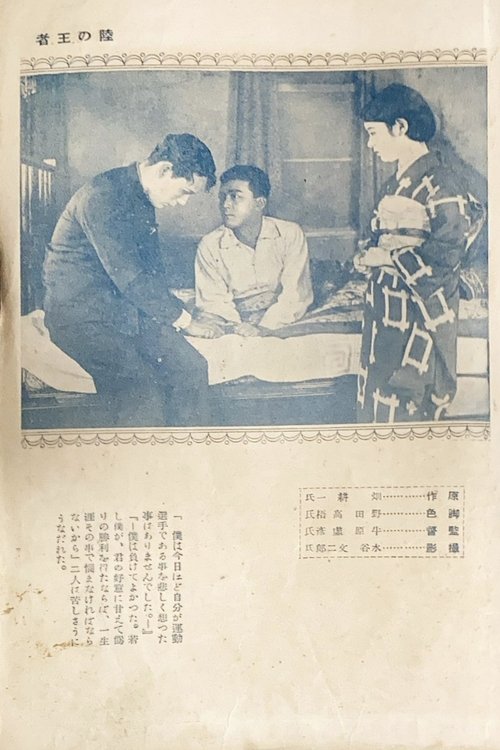
Japanese silent film from 1928, ranked as Kinema Junpo's second-best Japanese movie of the year.
King of the Land
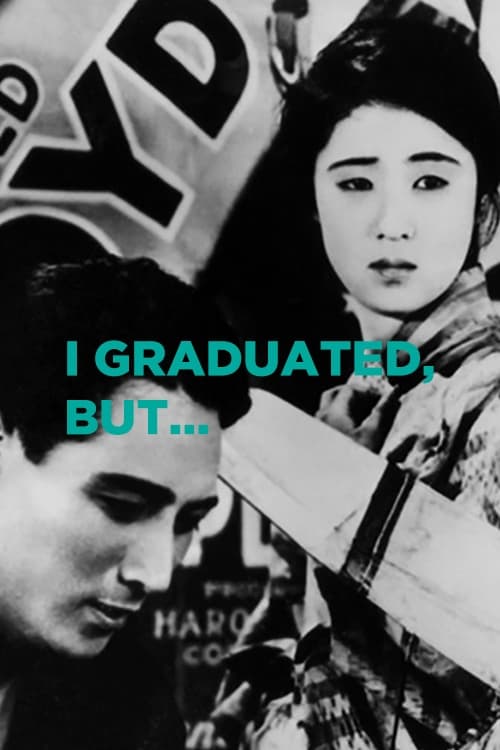
Tetsuo Nomoto, a young college graduate tries to find a decent job by himself. Later on, he will marry his girlfriend, Machiko, whom he hides the fact that he has no job. Hardships come quickly, which forces Machiko to find a job in a bar.
I Graduated, But...
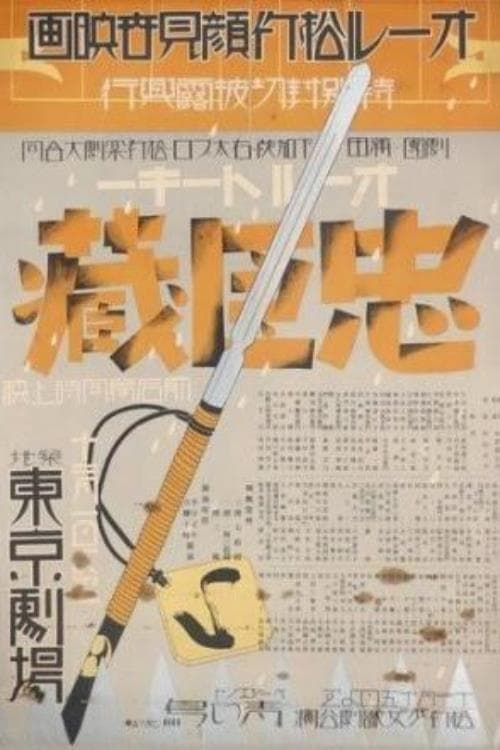
This 1932 adaptation is the earliest sound version of the ever-popular and much-filmed Chushingura story of the loyal 47 retainers who avenged their feudal lord after he was obliged to commit hara-kiri due to the machinations of a villainous courtier. As the first sound version of the classic narrative, the film was something of an event, and employed a stellar cast, who give a roster of memorable performances. Director Teinosuke Kinugasa was primarily a specialist in jidai-geki (period films), such as the internationally celebrated Gate of Hell (Jigokumon, 1953), and although he is now most famous as the maker of the avant-garde silent films A Page of Madness (Kurutta ichipeji, 1926) and Crossroads (Jujiro, 1928), Chushingura is in fact more typical of his output than those experimental works. The film ranked third in that year’s Kinema Junpo critics’ poll, and Joseph Anderson and Donald Richie noted that 'not only the sound but the quick cutting was admired by many critics.
The Loyal 47 Ronin
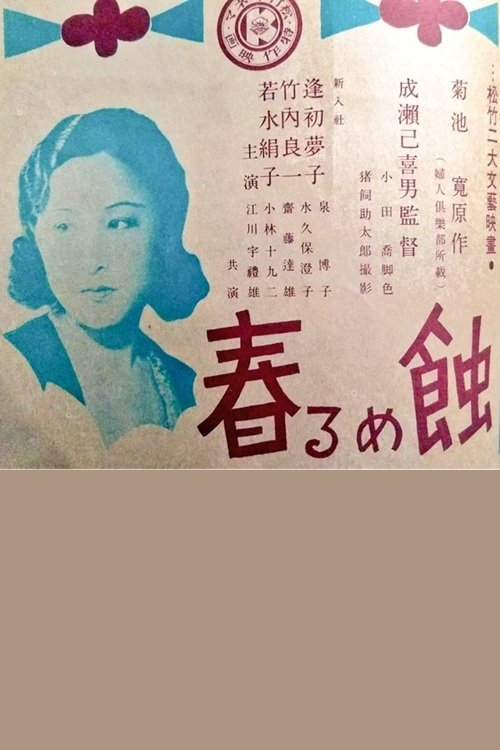
Directed by Mikio Naruse. It is presumed to be lost.
Moth-eaten Spring
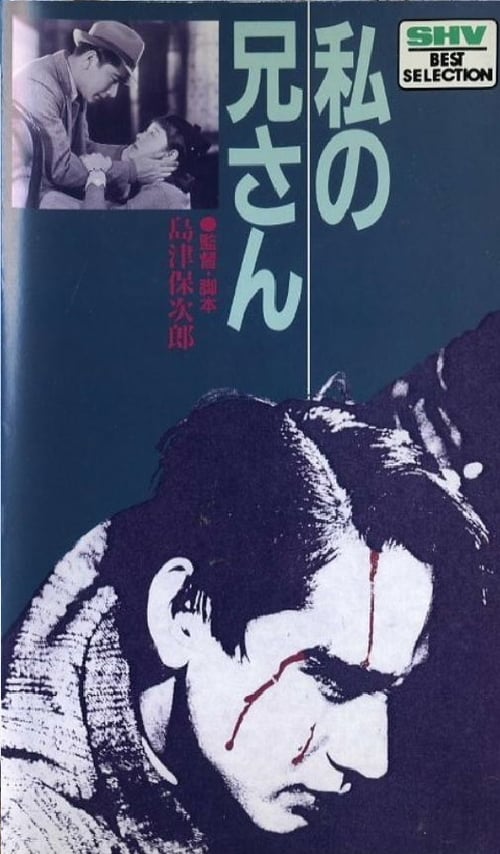
Jyuta, an honest owner of a taxi company, has a younger half-brother who is involved in the yakuza world and doesn’t get along well with his mother. Jyuta tries to correct him…
My Elder Brother
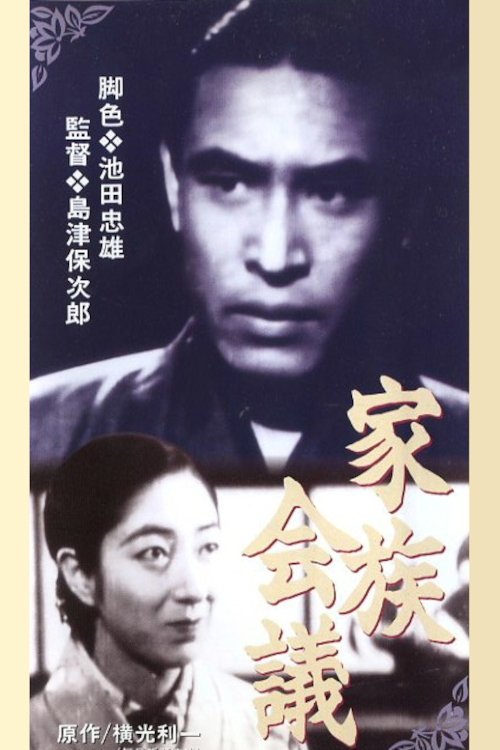
A melodrama about a businessman's relations with the three women in his life.
Family Meeting
No description available.
Reijin

Raucous small-time thief Kenji falls in love with sweet and simple Yazue, but when she finds out what kind of guy he really is, she leaves him until he proves to be honest. Kenji soon finds it's not so easy to get rid of one's past.
Walk Cheerfully
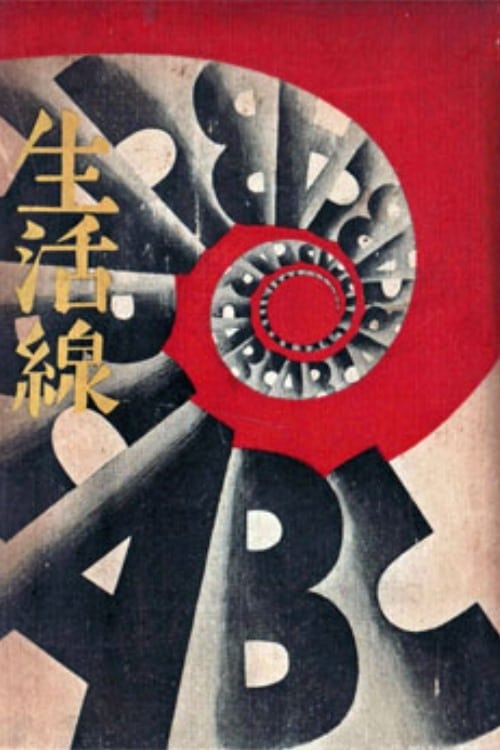
Japanese silent film directed by Yasujirô Shimazu, originally released as a two-part movie on December 11, 1931.
ABC Lifeline
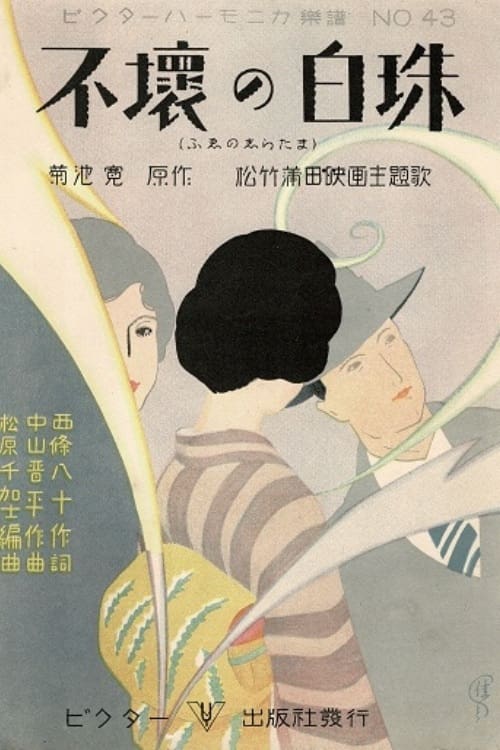
Toshie, a young, conservative secretary-typist has fallen in love with Shozo Narita, a young man she has met through her work.
Eternal Heart
When a nobleman is threatened by a family curse on his newly inherited estate, Sherlock Holmes is hired to investigate.
Moken no himitsu
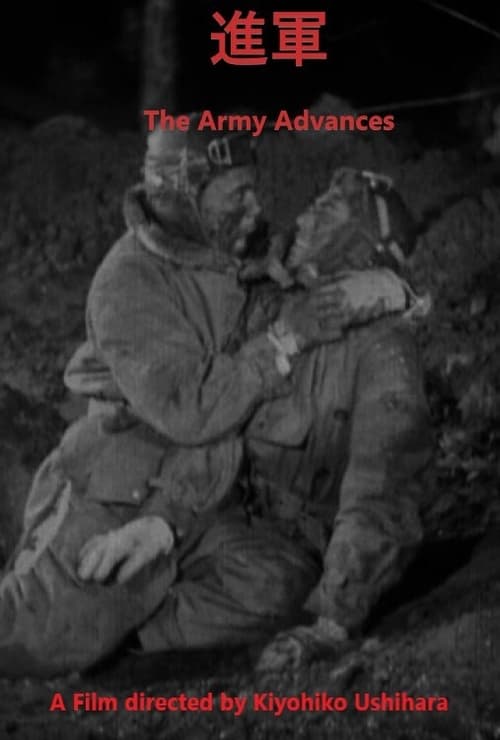
A farmer’s boy, obsessed with his balsa-and-paper flying models and with dreams of real aircraft, develops a friendship with the daughter of the local squire, who introduces the lad to her pilot brother and his flying officer friends; through hard work, and despite the handicap of a lowly class status, he eventually succeeds in qualifying as a pilot and joining the air force.
Marching On
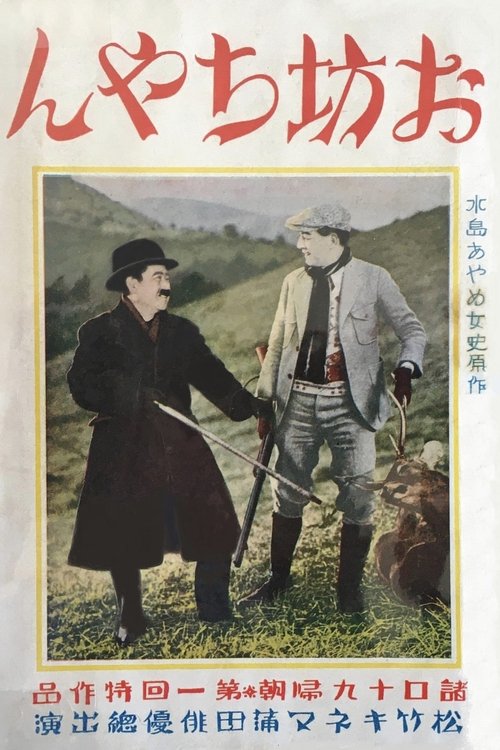
Japanese silent film from 1926. (Obo-chan meaning "Young Master.") Written by Ayame Mizushima, the first female screenwriter in Japan.
Young Master
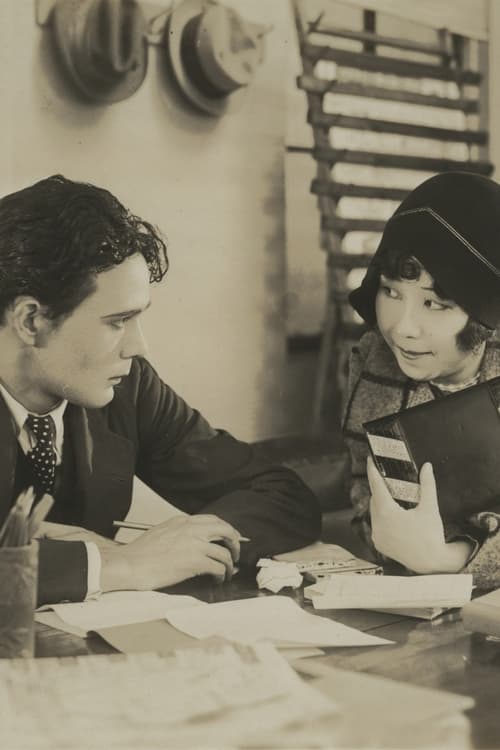
A modern girl suddenly intrudes into a widower's family home.
Youth, Why Do You Cry?
No description available.
Umi no yôbigôe
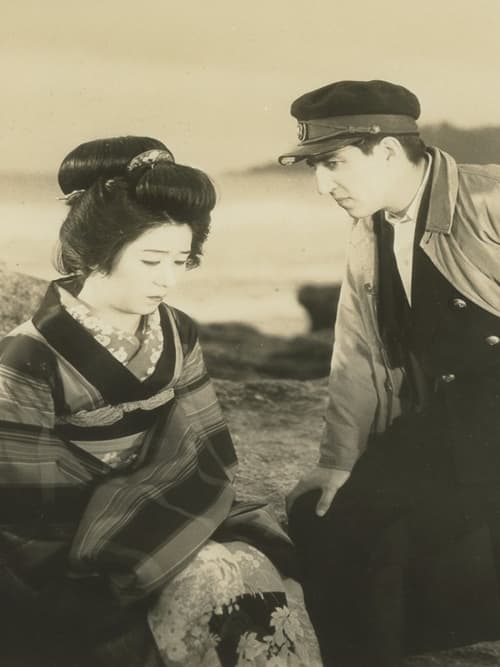
Japanese silent film.
Island Girl
No description available.
Umi mo yusha
After being separated from their parents in childhood and left as orphans, Kyōko and Namiko were raised with the love of their aunt and grew into beautiful women who attracted the attention of many. Yet the chaste and gentle elder sister, Kyōko, somehow came to be called the “Iron Maiden.” When Namiko asked her about it, Kyōko would only say, “No matter what the world says, you are the only one I trust.” There was a reason for Kyōko’s transformation. One night, after seeing off Shinji, who had come to visit their ailing aunt, a man named Hayakawa assaulted Kyōko on her way home. Wounded, she chose to bear the title “Iron Maiden” herself. She also resolved in her heart to leave the inheritance of her aunt’s house to her younger sister. But then, Namiko appeared before Kyōko, intending to introduce a suitor. To Kyōko’s shock, it was none other than her rapist. Kyōko resolved to protect her sister at all costs.
Iron Virgin
Japanese silent film from 1928.