Acting
Tatort is a long-running German/Austrian/Swiss crime television series set in various parts of these countries. The show is broadcast on the channels of ARD in Germany, ORF in Austria and SF1 in Switzerland.
Polizeiruf 110 is a long-running German language detective television series. The first episode was broadcast 27 June 1971 in the German Democratic Republic, and after the dissolution of Fernsehen der DDR the series was picked up by ARD. It was originally created as a counterpart to the West German series Tatort, and quickly became a public favorite.
A long-running German television series about a two-man team of highway police, originally set in Berlin and later in North Rhine-Westphalia.
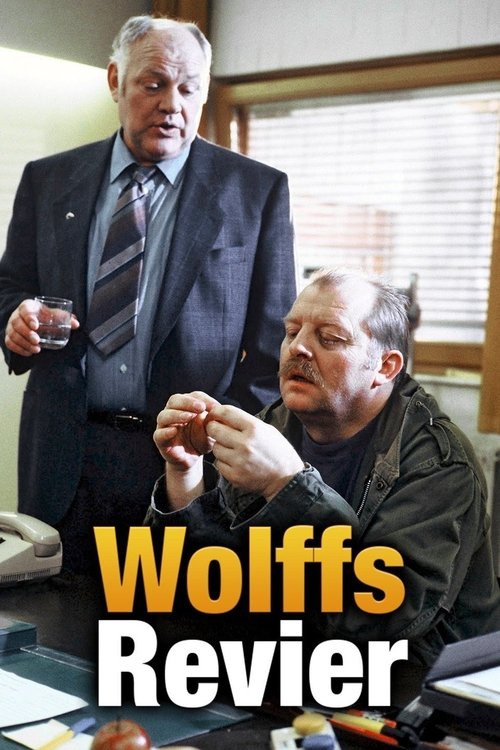
Wolffs Revier is a German television series.
Der Staatsanwalt hat das Wort was an East German television series.
No description available.
During the Napoleanic Wars, members of the Prussian Lützow Free Corps steal a French war chest from the house of collaborator Kerstinn, but their captain Friesen is captured and sentenced to death. But Friesen is saved by French Sergeant Fleuron and they flee the occupied city together. Kerstinn's daughter Marie is disgusted by her father's disloyalty and has also fallen in love with Friesen. When she learns about a trap that is being set for Lützow Free Corps, she sets out to warn them with the help of her father's clerk Püttchen, a Lützow sympathizer.
Alfons is very unlucky boy. Even when he intends well everything is going wrong, so his life is full of various mishaps.
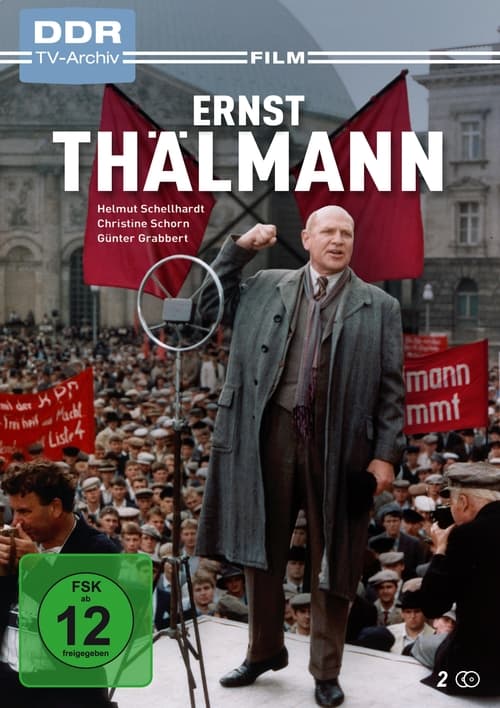
This elaborate two-part television film features a section from the life of communist worker leader Ernst Thälmann. It begins with the bloody riots on May 1, 1929 in Berlin, in which police officers shot at demonstrating workers, and ends with February 7, 1933, when Thälmann appeared as a speaker at the illegal meeting of the Central Committee of the Communist Party of Germany in goat neck. This period was marked by the struggle of the Communists against the ever stronger National Socialists and the rise of Adolf Hitler.
The story of a Leipzig family from 1987 to the Monday demonstrations in 1989. After the death of her father, a high-ranking officer in the People's Police, the daughter joins the resistance movement around St. Nicholas Church. Phenomena such as obedience, followership, spying and resistance are illustrated in this haunting film based on individual people. A film that provides food for thought for the discussion about the fall of the Berlin Wall and recapitulates contemporary history.
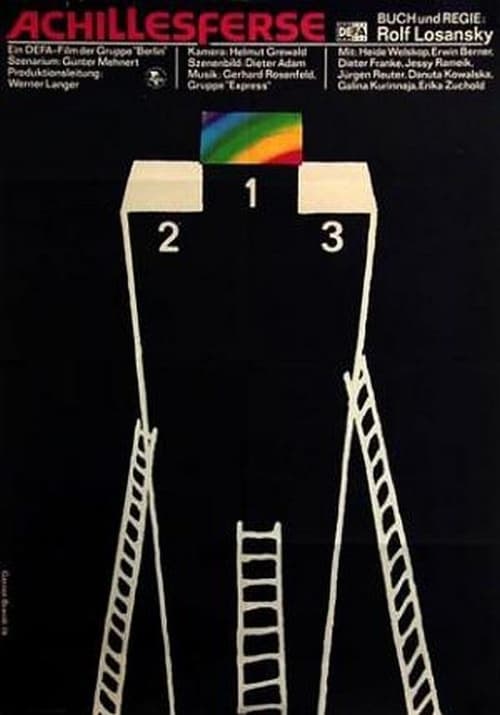
The 24-year-old Andreas works as a mechanic at a tunnel building site in the Bulgarian Rhodopes. One day, he gets the startling news that his girlfriend Sabine, who is supposedly waiting for him in their far-off hometown Berlin, wants to marry another man. Seething with anger, Andreas leaves the building site and hurries to the capital in order to prevent his beloved’s wedding. On the first encounter with his rival, an athletic water polo player, Andreas comes off second best. However, neither his zest for action nor his firm intention can be shaken by this defeat. With passionate energy and some outlandish ideas he takes up the fight for Sabine’s heart.
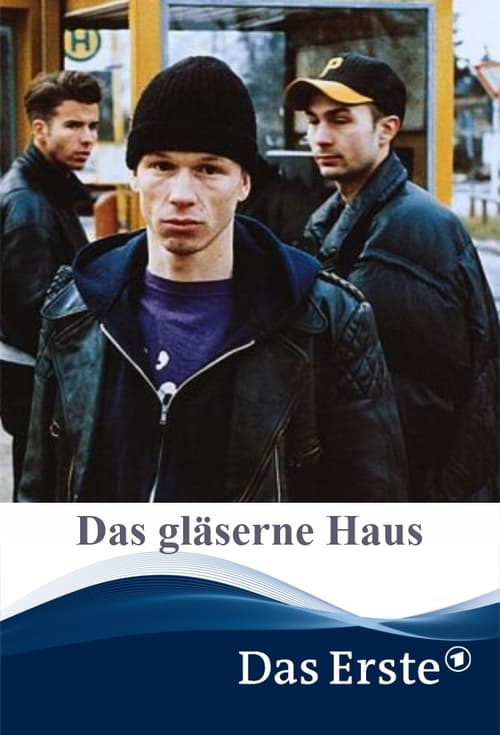
A dream becomes a nightmare: Shortly after the Iranian doctor Murath Tehrani and his German wife Claudia moved into a chic villa on the outskirts of Leipzig, threatening couple flutter into the house and Claudia is harassed by anonymous callers with xenophobic slogans. First, the woman tries to hide the threat from her husband. But not even the police can help her. Suddenly, every stranger approaching the house appears as a threat. Psychological pressure is also increasing the pressure on the harmonious marriage of the young couple. But Murath and Claudia are unwilling to be driven out of their homes by aggressive racists.
The main character Otto, the "best man", is a copy of the illustrious Mister Bean. He takes on an apprenticeship as a building-worker, which makes him a member of a building brigade. At the same time Otto tries to start a love affair, which he handles even clumsier. Never the less Otto makes progress with the lady in question, a single mother, who apparently doesn't mind. Actually he wanted her sister, but a retired Leninist party member changes his mind. This gives him the courage to persevere in his work, albeit with the helping hand of the obligatory retired party member. And behold, in the end Otto invents a new method of building, which saves the brigade many hours of work.