
Ferenc Rófusz
Directing
Known For
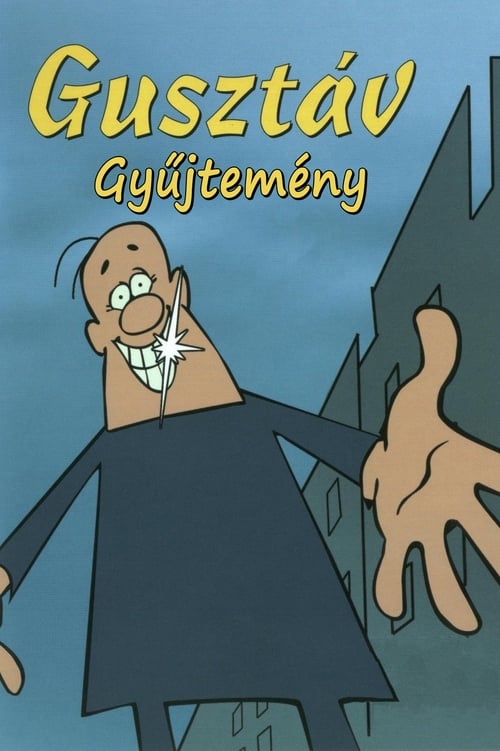
Gusztáv, also known as Gustavus, was Hungarian series of animated short cartoons for adults. It was extremely popular in Eastern Europe, where it has achieved cult status. It ran from 1964-1977. Each episode tells an adventure of the main character, Gustav, related to the gray realities of urban life. Characteristic feature of the show was that episodes were independent: for example, Gustav is sometimes a bachelor, sometimes has large family. In Eastern Europe and Yugoslavia the episodes were broadcast on TV in the 80s, usually as airtime filler. The series was also broadcast in Western Europe and even in New Zealand - because it was not using language, other than gibberish sound, it was able to easily transcend boundaries.
Gustavus
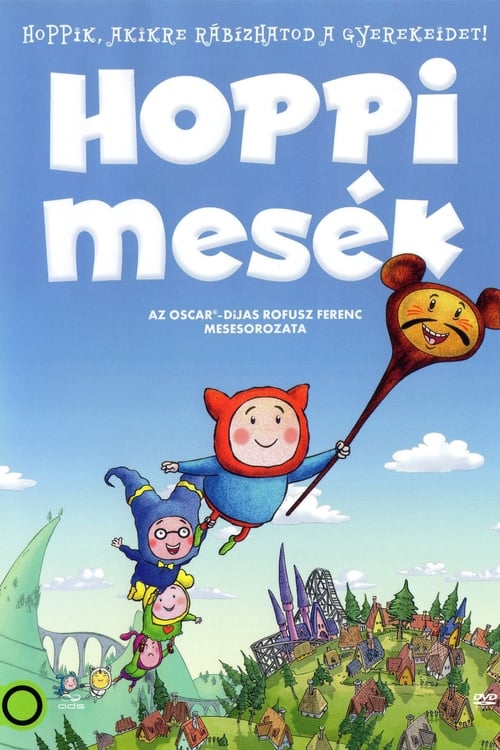
No description available.
Hoppi Mesék
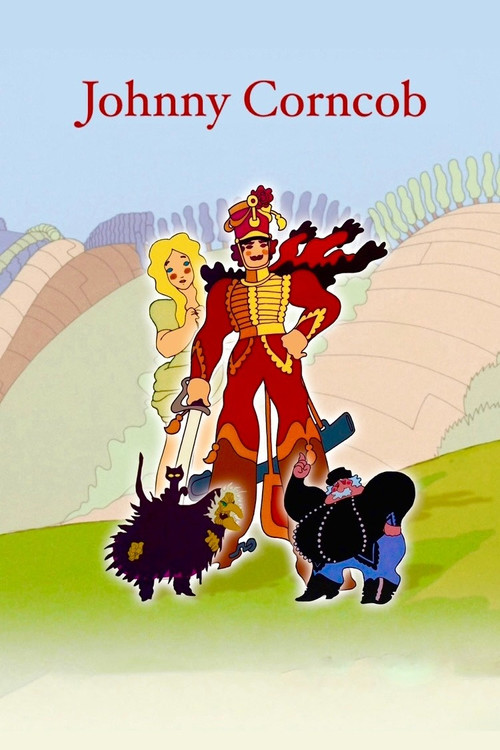
A traditional Hungarian poetic fairytale that describes the epic adventures of a young shepherd through love, war, magic and death.
Johnny Corncob
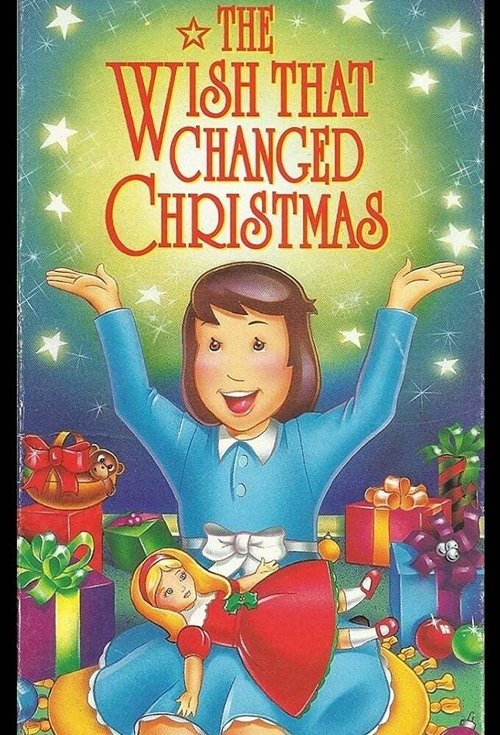
Ivy, an orphan wants a grandmother and a doll for Christmas. She mistakes a sign greeting her into a town, she jumps off a bus and shouts, "It's me, Ivy!". In the cold she looks for a grandma unsucessfully. She finally finds a woman who always wanted children and a doll, Holly. Based on the book The Story of Holly and Ivy.
The Wish That Changed Christmas
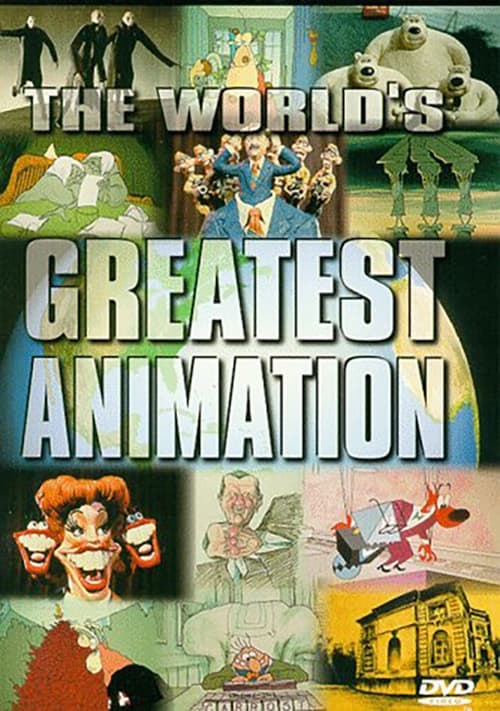
A whirlwind tour of first-class animated shorts, The World's Greatest Animation assembles, for the first time, an eye-popping assortment of Academy Award winners and nominees from the years 1978-90. From the Orwellian vision of zoo life Creature Comforts, to Crac!, a rocking chair's impressionistic view of the industrialization of Montréal, The World's Greatest Animation features some of the finest achievements in this unique art form.
The World's Greatest Animation
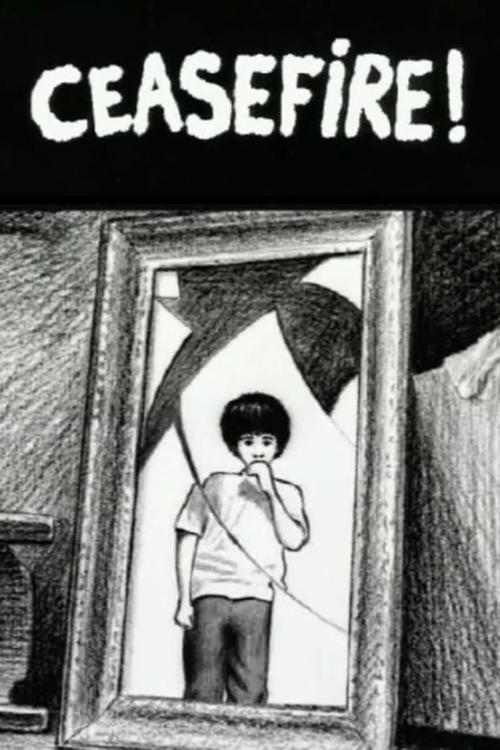
A boy is forced to face the hardships of war alone.
Ceasefire!
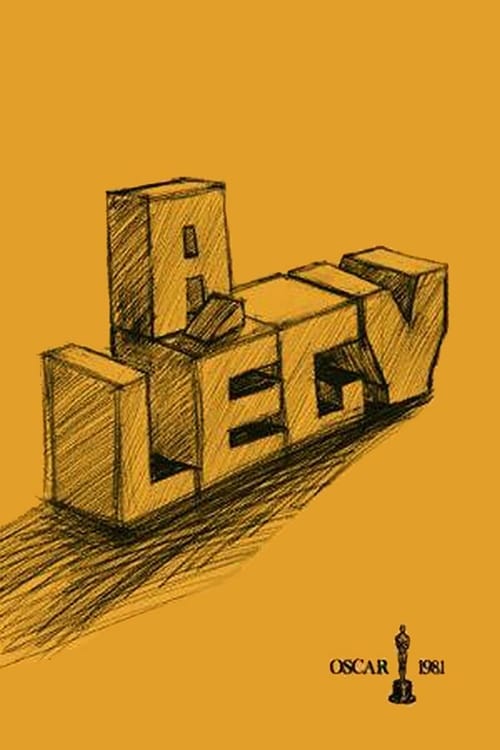
A fine day in the life of a fly presented completely from the fly's point of view. A fine day until something dreary happens, that is.
The Fly
An apple struggles to free itself from the tree and fall free, as its fellow apples look on.
Gravity
1983 Cannes Film Festival
Deadlock
No description available.
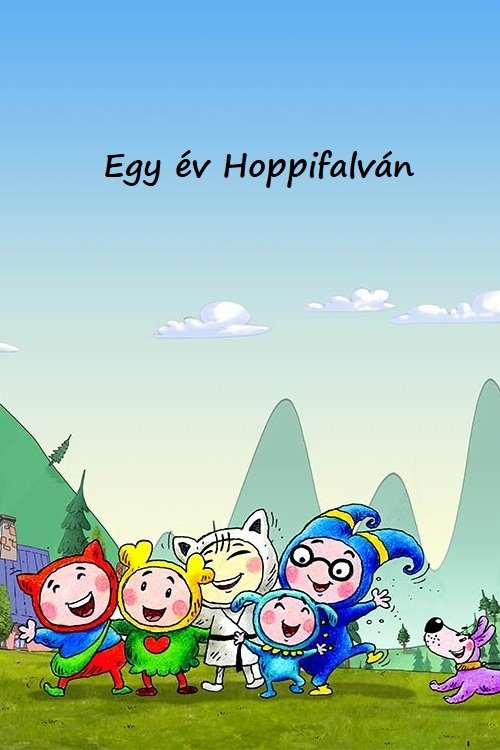
Egy év Hoppifalván
No description available.
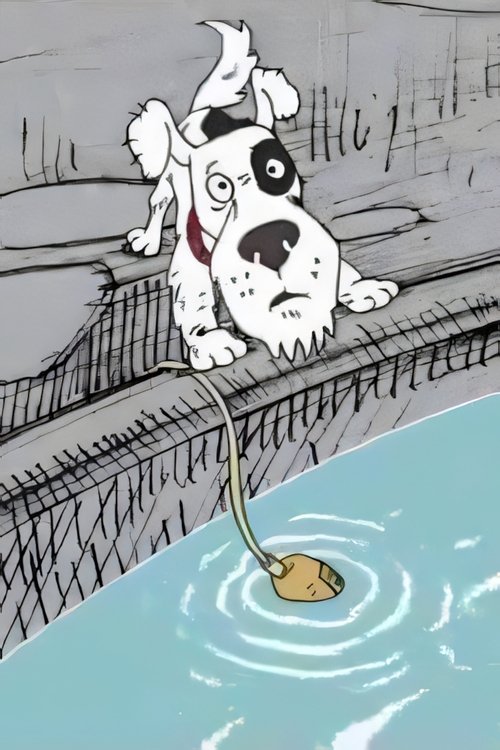
Dog's Life
Short animation
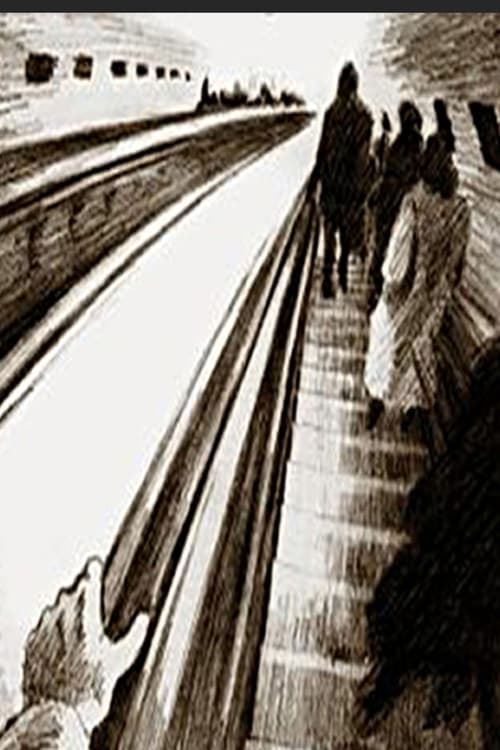
Ticket
Da Vinci's painting is animated.