
Herz Frank
Directing
Biography
Herz Frank (17 January 1926- 3 March 2013) was one of the most famous documentary filmmakers of Latvia. At the beginning of 1960ies, he was among the first to establish the so-called Riga poetic documentary school – the Latvian “new wave”. Herz Frank’s filmography includes more than 80 films, many of which are considered classics of Latvian film history. One of his most-known works is Ten Minutes Older (1978), which he made together with Juris Podnieks and in which children's faces are observed during a puppet theatre performance. In 1992, Frank moved to Israel, while maintaining ties with Latvia. In 2001, he received the Lifetime contribution award by the Latvian National Film Awards 'Lielais Kristaps'.
Known For
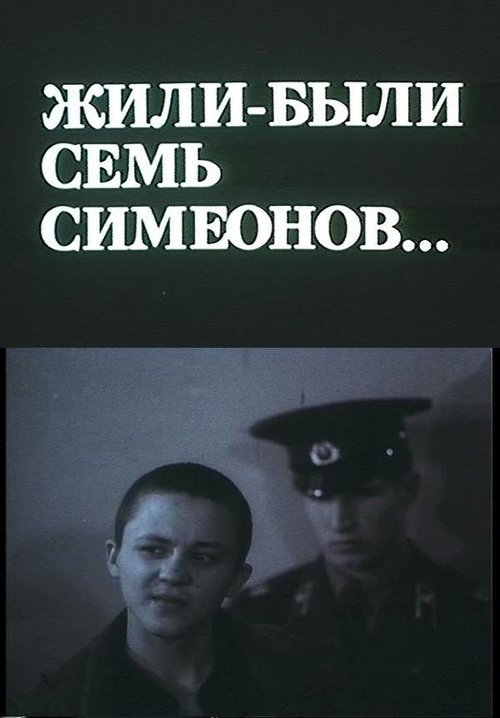
One family, one band. They seemed to be happy. A movie that investigates why these seemingly optimistic musicians suddenly saw no hope to continue living in USSR and tried to escape it by hijacking a plane.
There Were Seven Simeons
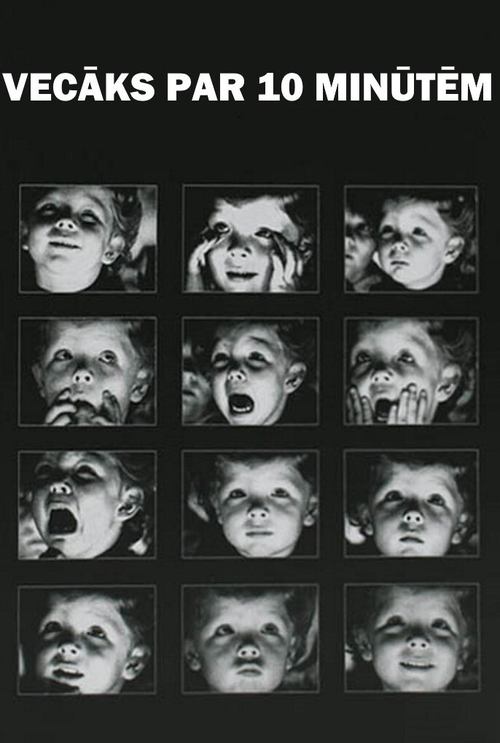
In this ten-minute documentary experiment, director Herz Frank films a group of children watching a puppet show, keeping the camera fixed on their faces in a single continuous shot. The performance itself remains unseen, while the children’s shifting expressions—fear, laughter, curiosity, and suspense—suggest the story unfolding before them as ten minutes of their lives quietly pass.
Ten Minutes Older
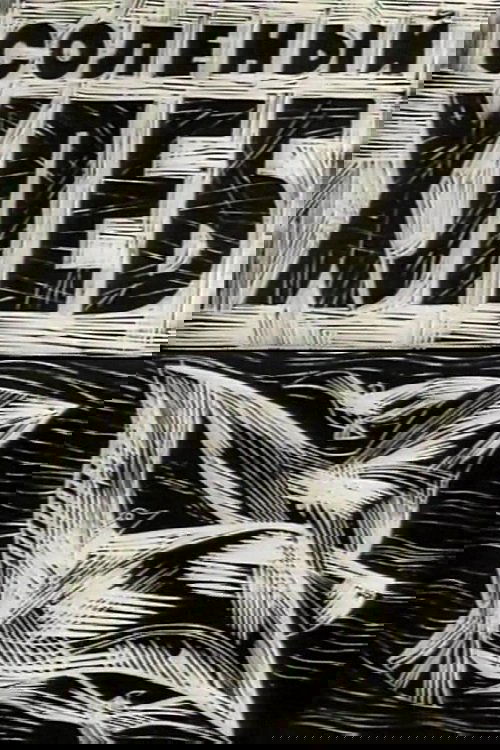
In the evening newspaper "Rīgas Balss," reports by Hercs Franks often appeared, consisting of eight photographs, one on each page. From these, a narrative was constructed. The first film, "Salty Bread," was conceived through a camera. The photographs defined the image of the future film, creating a coherent story about the work of fishermen.
The Salt Bread
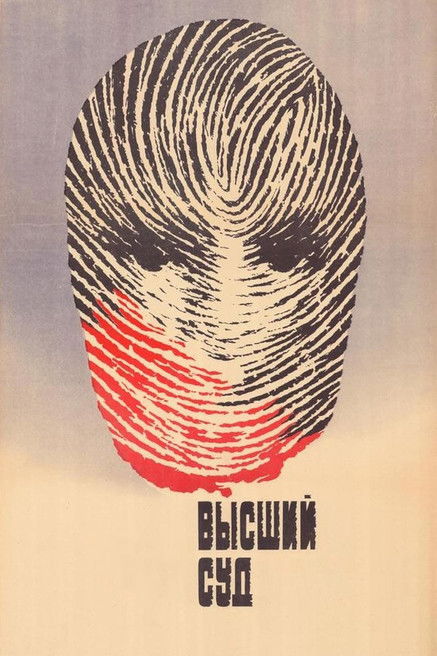
A man is facing a trial for murdering a Latvian union leader, which more likely than not will end with a death sentence. A close-up look at his emotional journey through the trial, imprisonment and beyond.
The Last Judgement
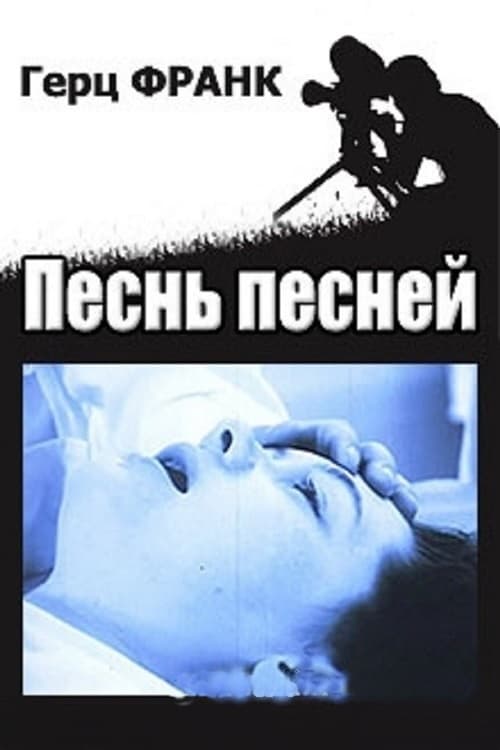
Filmed largely in close-up, this documentary records a woman giving birth while her husband remains at her side. The camera concentrates on her face throughout labor, briefly revealing the moment of the child’s arrival before the newborn is placed in her arms.
The High Song
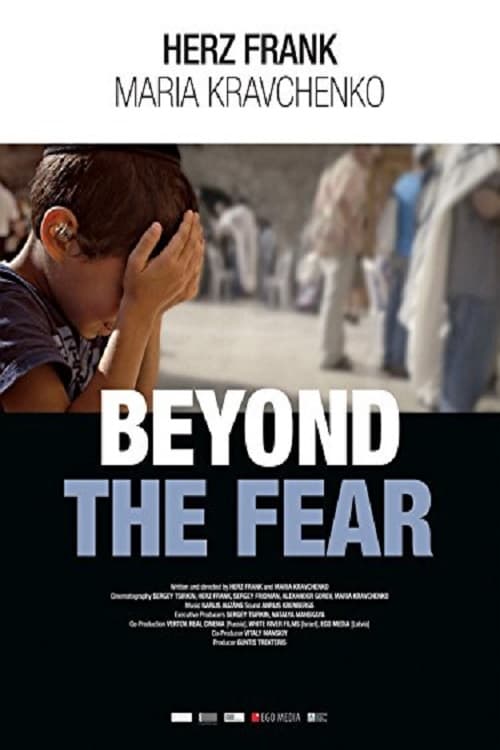
The main characters of the film have made choices, which change their lives forever. A young man Yigal Amir assassinates the Prime Minister of Israel and becomes the most hated prisoner in the country. Larissa, who emigrated from Russia, mother of four divorces her first husband, marries the assassin and gives birth to his son. For many years the film authors have been trying to solve and perceive this complicated story. One of them, Hertz Frank, passes away during the shootings remaining on the threshold of the eternal mystery - life, death and love...
Beyond The Fear

At the beginning of the 1960s, when the French pioneers of cinéma vérité set out to achieve a new realism, and when direct cinema in Québec began to vie for notice, the Baltics wit-nessed the birth of a generation of documentarists who favored a more romantic view of the world around them. This meditative documentary essay – from a Latvian writer and Lithuanian director whose composed touch has long dovetailed with the stylistically diverse works of the Baltic New Wave – pushes adroitly past the limits of the common his-toriographic investigation to create a portrait of less-clearly remembered filmmakers. The result is a consummate poetic treatment of the ontology of documentary creation. Also a cinematic poem about cinema poets.
Bridges of Time
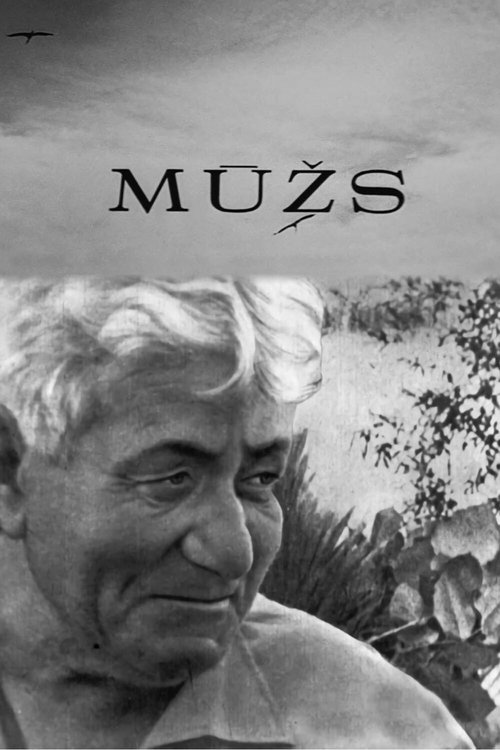
A psychological portrait of kolkhos chairman Edgar Kaulin, who saved many Latvian farmers from deportations by the Soviets in the period 1945-53, and with them built up a kolkhos.
The Trace of the Soul
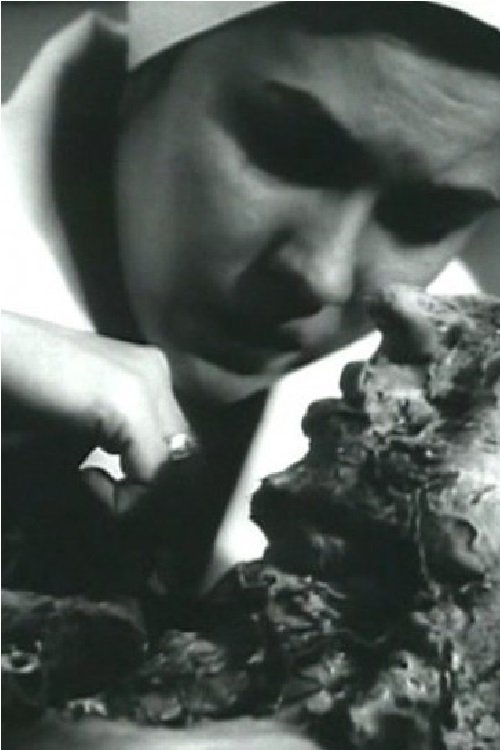
Philosophic reportage about work of pathoanatomist. Documentary version of Rembrandt’s «Anatomy Lesson».
Diagnosis
The creation of Sergeij Eisenstein's wooden sculpture by Igor Vasiliers.
Awakening

An autobiographical work from Herz Frank. Images guide us through the countries in which he worked, interspersed with fragments from his earlier films: births, autopsies, circumcisions, prisoners awaiting execution and other shocking themes.
Flashback
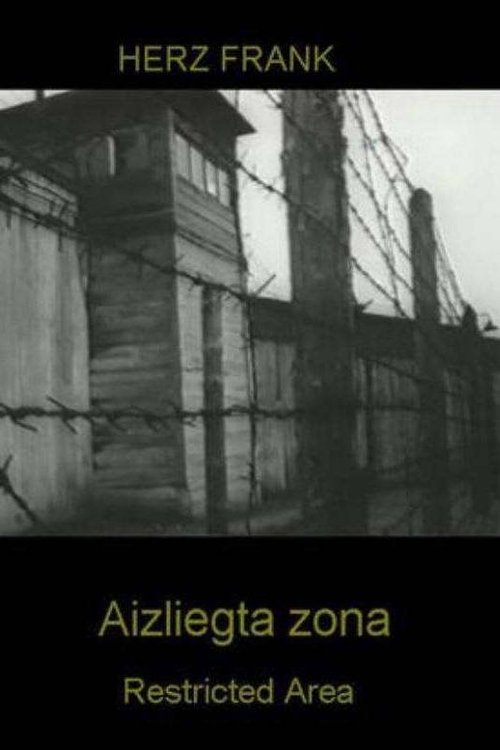
The life of a 16 yearo-old convict through the Soviet penal system. The "restricted area" is a penal colony and Borstal, a "work camp" for delinquent children and young people. The film shows the contradictions in the notion of corrective education.
Restricted Area
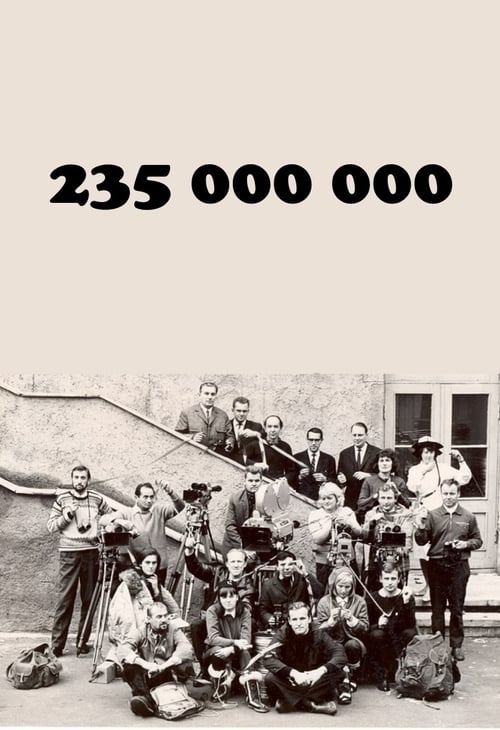
In the 1966 the population of the Soviet Union was estimated at 235 million. A group of Latvian filmmakers traveled the length and breadth of the country to create a portrait of the diverse population.
235 000 000
The story of love, trust, and compassion for one another.
You and Me
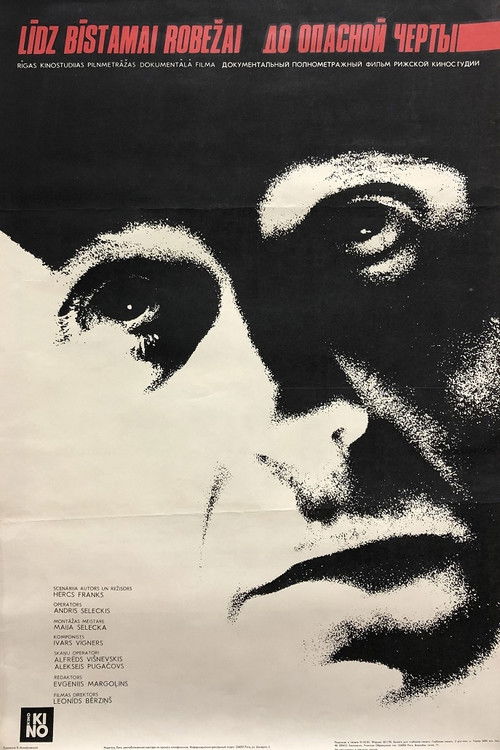
A documentary about the role of a victim in crime.
To the Edge of Danger
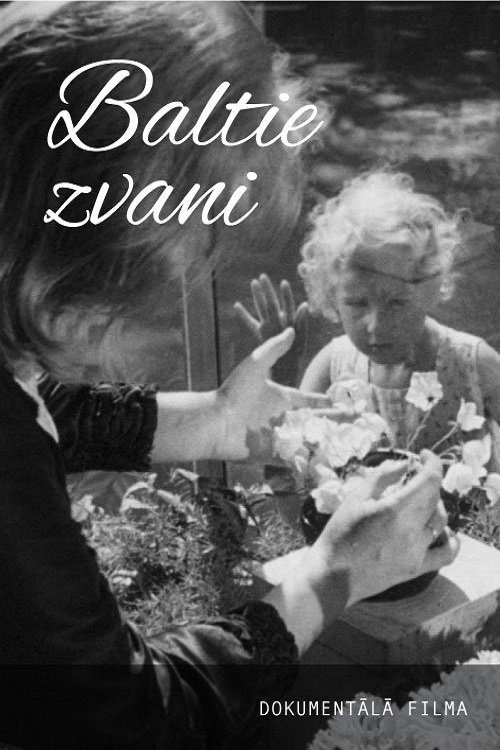
A little girl wanders all alone in the morning, through a bustling city, looking for the white bells she noticed in the window of a florist's shop. This film heralded the birth of a new film language in Latvian cinema. It received awards at the San Francisco and Oberhausen festivals. and was included on the list of the “world’s 100 best short films” by the film critics at the 1995 Clermont-Ferrand film festival.. All three of the film’s authors together with their peers became the creators of the legendary Riga School of Poetic Documentary.
White Bells
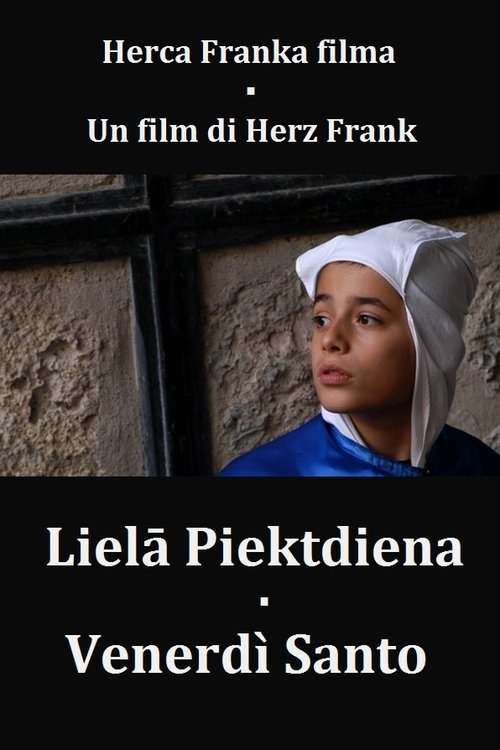
On the islet of Procida near Naples, Italy, the Mystery Procession commencing at dawn on Good Friday of each year, has been traditionally conducted by the “Turchini Fraternity” since 1627... The film captures portraits of Procida’s inhabitants during the procession and in effect reveals characteristics of the Italian people.
Good Friday
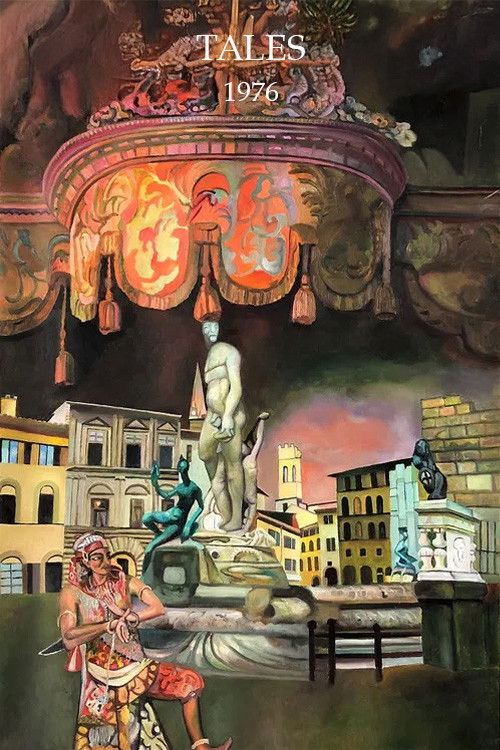
A portrait of the prominent Latvian painter Maija Tabaka, showcasing her work process and life of artists from that time.
Tales
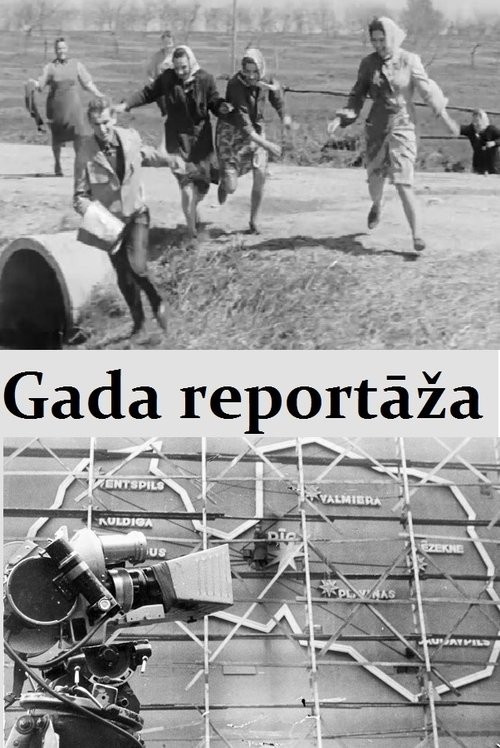
Filmmakers of Riga poetic documentary school, Freimanis and Seleckis, were designated as the creative core for this documentary to be shot in honour of the 25th anniversary of the Soviet Latvia. The team was joined by the heavyweight poet Imants Ziedonis and Herz Frank as script writers. Instead of one of the old, merited, medal rattling ‘combat camera- men’, “Year in Review” is an unusually vivid and unique film for the time. The creative team were awarded the State Prize for the film.
Year in Review
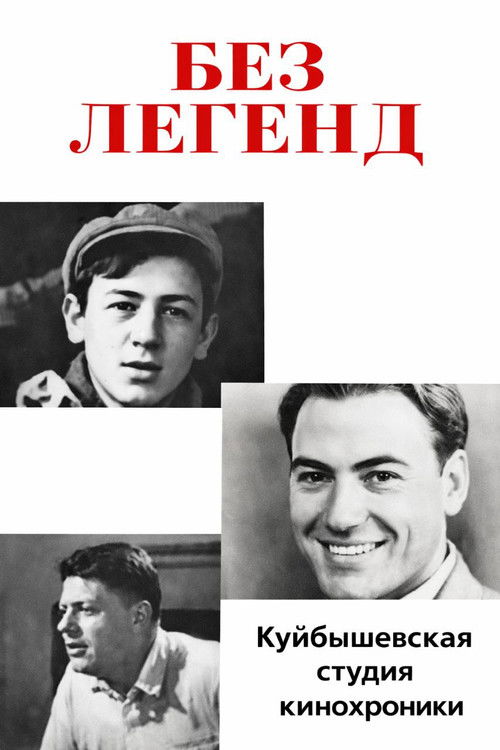
In 1968 Herz Frank made Without Legends (Bez leģendām) at the Kuibishev studios, together with Aloizs Brenčs and Aleksandr Sazhin. The film is based on the memoirs of Hero of Socialist Labor Professor Ivan Vasilyevich Komzin, former head of construction of the V. I. Lenin Volga Hydroelectric Power Station; Hero of Socialist Labor excavator operator V. Klementyev; Honored excavator operator Viktor Vasilyevich Starikov; and writer Konstantin Kirillovich Lapin. Documentary filmmakers from Kuibyshev were making a film about the excavator operator and Hero of Socialist Labor, Boris Yegorovich Kovalenko. However, the material turned out to be too ambiguous to create a film about a model Soviet working man. They turned for advice to the Riga-based documentary filmmaker Herz Frank. He shot additional footage and edited the collected material in such a way that it became a story without legends—about an ordinary person.