Writing
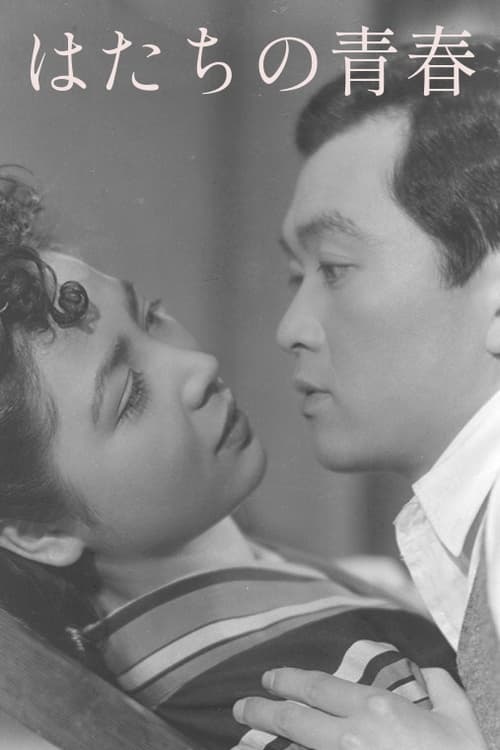
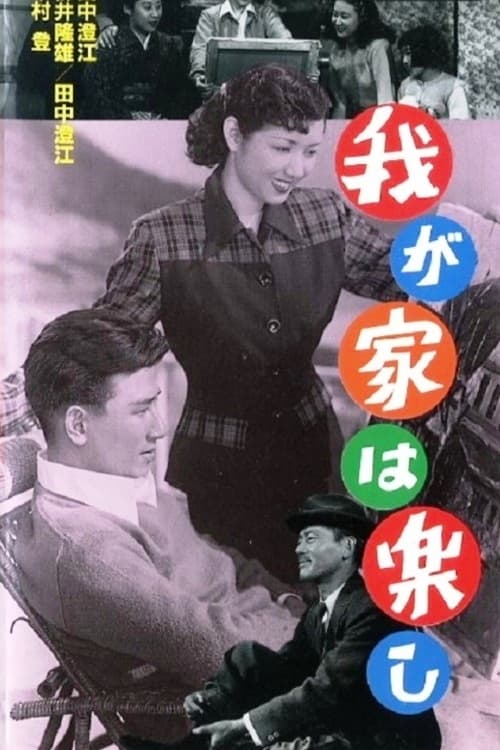
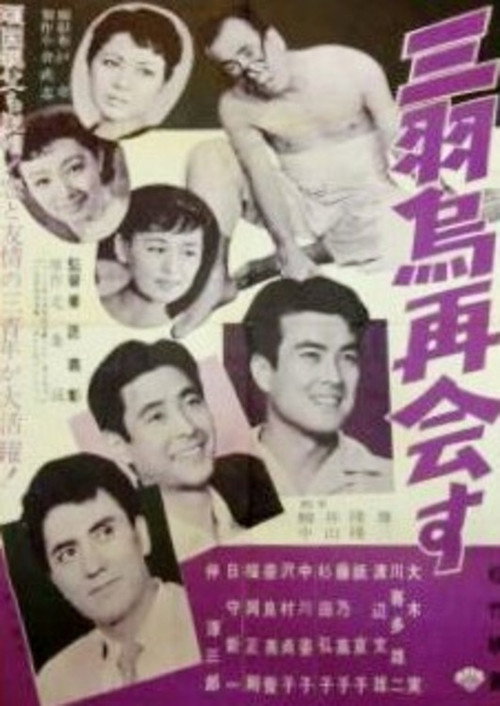
The Nakata family, father, mother, son Hideo, and daughters Taeko and Akiko live in the poorer section of modern Tokyo. Their troubles start when the father leaves with another woman, returns after he is rejected, and leaves again with the family's money.
The film features the first scene with kissing in a Japanese film. Kiss scenes were encouraged by the American occupiers of Japan following World War II as it encouraged westernization and contrasted with the traditional bow prevalent in that country.
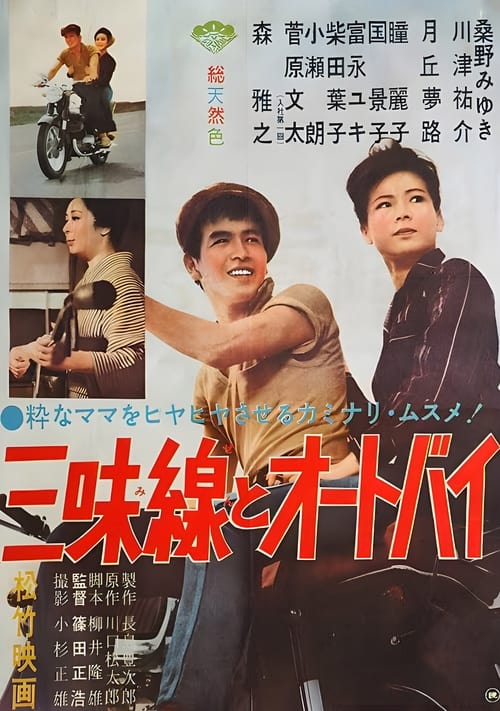
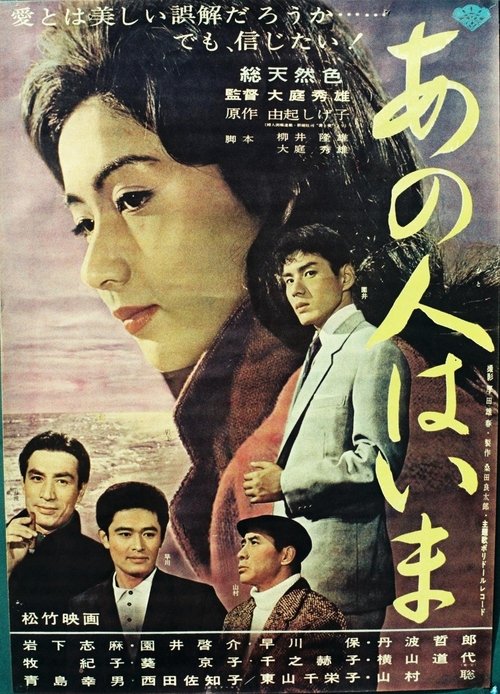
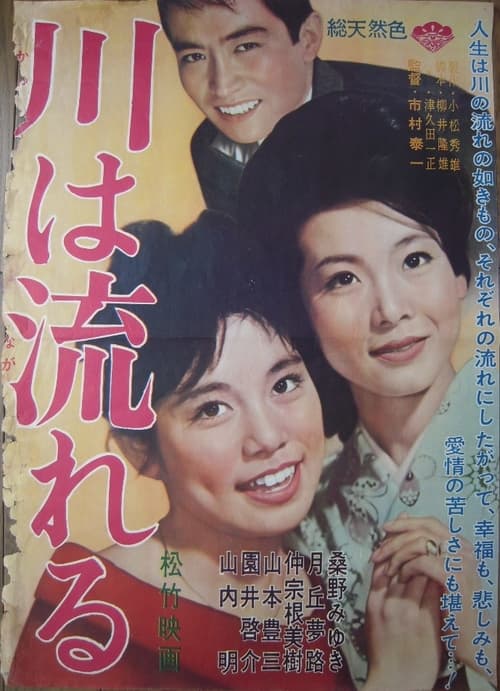
1966 Japanese movie
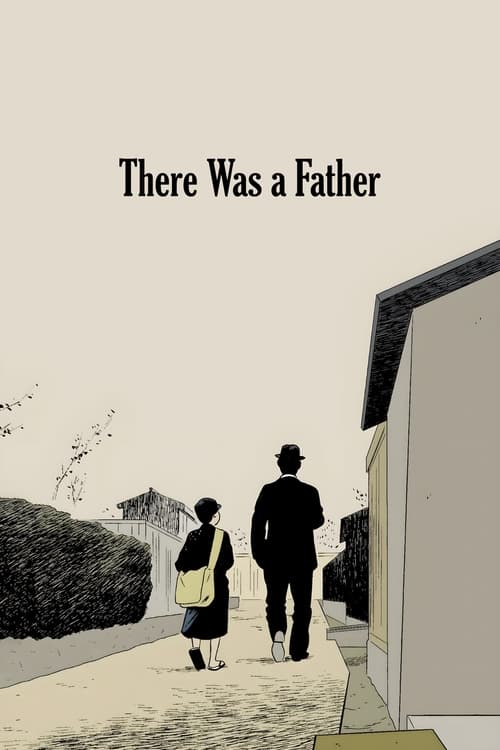
Shuhei Horikawa, a poor schoolteacher, struggles to raise his son Ryohei by himself, despite neither money nor prospects.
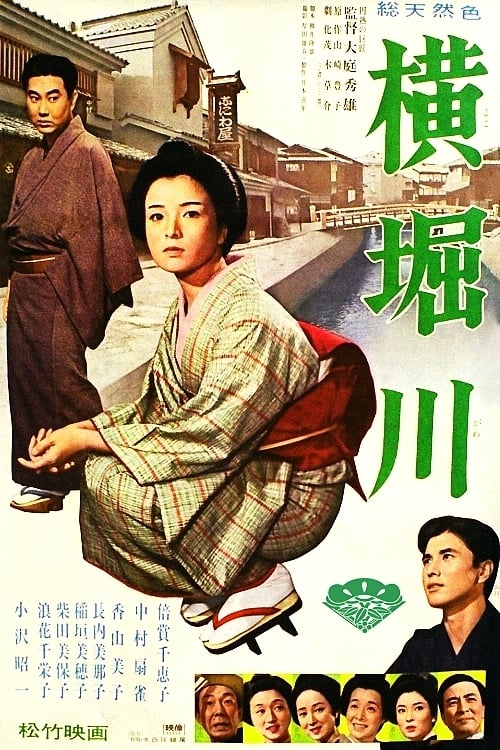
Taka, the daughter of Naniwa-ya, a longtime Osaka store owner, married Kichisaburo Kawashima-ya, the son of a kimono wholesaler. Her husband just tried to play with her like a sweet candy, but Taka fell in love with him. One day, the father-in-law suddenly dies, and the Kawashima-ya family fortune is rapidly changing. However, the depravity of Kichisaburo does not subside...
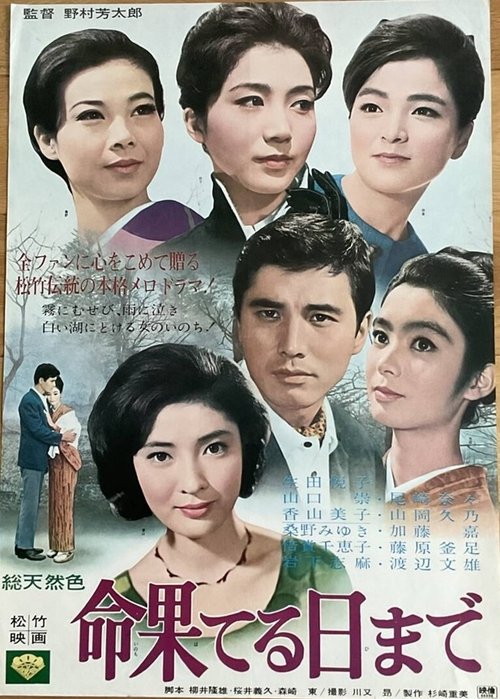
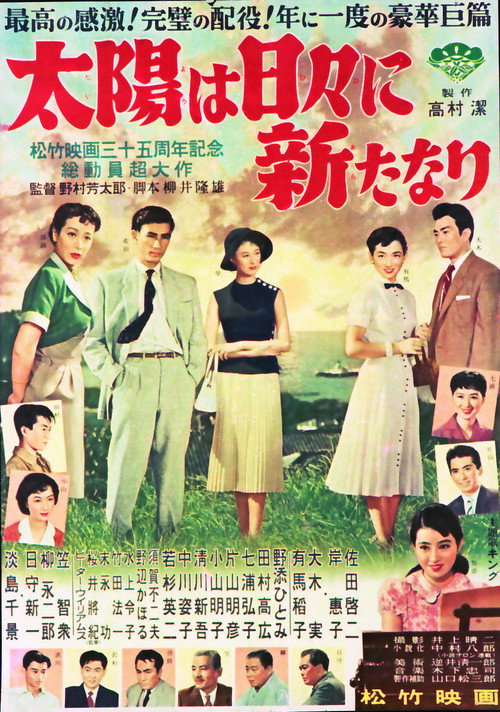
Akiko divorces her husband Fujikawa due to his infidelity, and when she returns to her parents' home, she finds that her family's toy factory is in decline, and she has to work hard to rebuild it. Thanks to the mediation of Niimura, who is a close friend of her brother Shinichi and has feelings for Akiko, they are able to secure a sales contract with a foreign trading company for the toy that Shinichi invented. However, Fujikawa, who has a grudge against Akiko, begins to interfere by making cheap imitations...
Japanese film from 1933, adapted from a story serialized in the entertainment magazine "Fuji."
The movie follows a young woman (Kinuyo Tanaka), a daughter of a high-ranking businessman and his neglected mistress, as she struggles to ease her mother's loneliness, while also having an affair with her father's subordinate.
The 1929 Japanese film "Mother" which helped child actress Hideko Takamine become a star.
Japanese film from 1934, based on a novel by Itsuma Maki (real name Kaitarō Hasegawa).
A woman brings her injured daughter to the hospital, only to realize that the doctor is the estranged father of her child.
It is considered to be a lost film.
The Ueki family may not be wealthy, but smiles are never in short supply. The father is awarded prize money for 25 years of service to his workplace, but has it stolen on the way home from the ceremony...
A promising dancer asks her professor to write a libretto for a Nō play. He then introduces her to a student of classical literature, but also a classical theatre student in the hope that the latter will marry Senya..
1963 Japanese movie
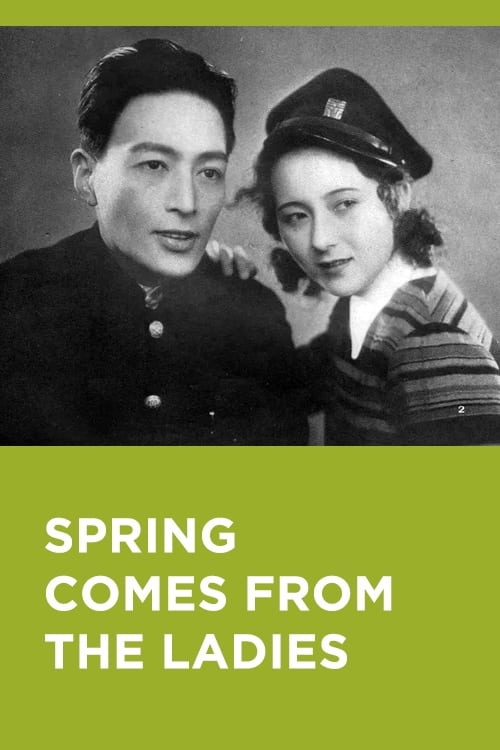
A student comes up with various schemes to avoid paying a tailor the money he owes him. Considered to be a lost film.
No description available.
Japanese movie from 1934. The final film of director Hôtei Nomura, who died from a stroke suffered at a screening of this film.
1962 Japanese movie
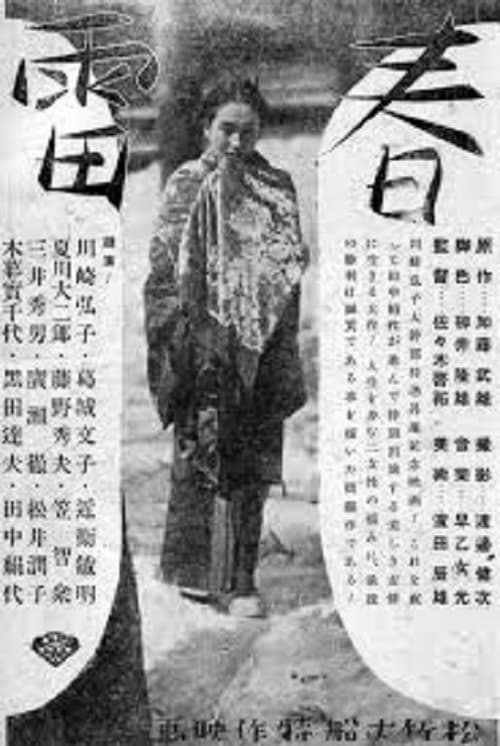
Eiko is an innocent young lady born into a wealthy family with nothing to offer. She was good at singing, and lived her life playing around with her cronies, organizing music concerts and so on. However, things change when her father's business fails and she was suddenly thrown out into the world without any foundation. Eiko has no one to support her after she loses her social status, and her only tutor, Shinnosuke (Natsukawa Daijiro) was the only one who was sincere. Eiko is a stickler for using everything she can get her hands on, and she quickly moves into Shinnosuke's house.