Writing
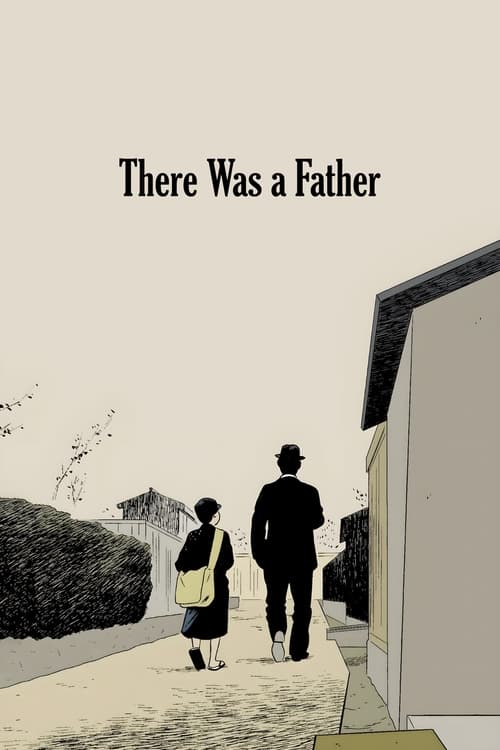
Shuhei Horikawa, a poor schoolteacher, struggles to raise his son Ryohei by himself, despite neither money nor prospects.
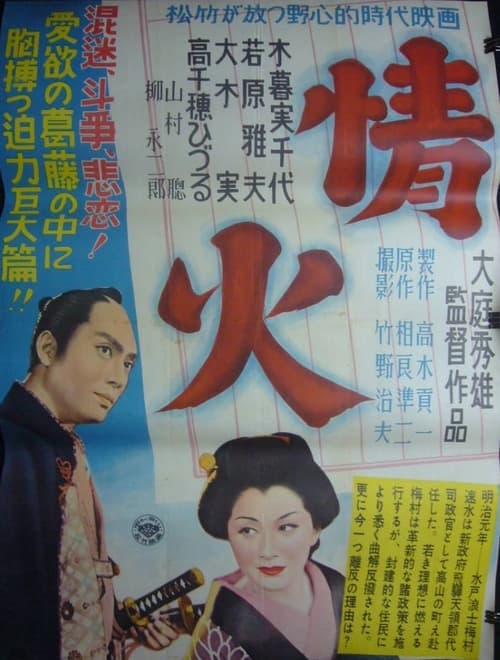
The time was the first year of Keio (1865). Upon hearing the news that the Imperial Army was approaching Hida Takayama, the district head Shimizu Uzen fled to Edo. Local officials like Yoshida Bunsuke and Yoshizumi Hironoshin showed their allegiance by welcoming them. The commander at the time, Umemura Hayami, was a former member of the Tengu Party and had previously been pursued in the town. He took refuge in a restaurant named Kabuya, and owing to a tip-off from a woman named Oraku, he was almost captured for her lover, Yoshizumi. Oraku and Yoshizumi probably feared revenge from that previous encounter, but Umemura had come back to Hida because he couldn't forget Oraku.
A woman brings her injured daughter to the hospital, only to realize that the doctor is the estranged father of her child.
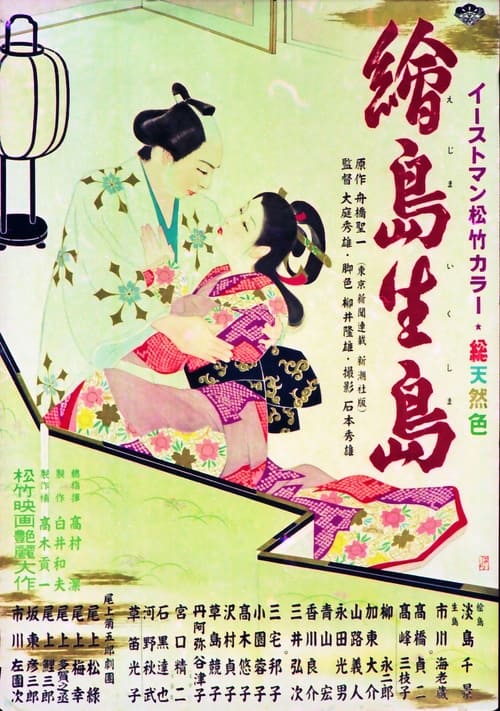
This period film is inspired by one of the most notorious scandals to have taken place in Edo-period Japan. The heroine, Ejima, was a lady of the Ooku, the harem of Edo Castle in which the Shogun’s mother, wife and concubines resided, forbidden from contact with any other man except in the presence of the Shogun. The institution played a key role in the Byzantine world of Japanese court politics during the Edo era. In 1714, Lady Ejima was sent to pay her respects at a Buddhist temple in the city, and chose to pay an unauthorised visit to the kabuki theatre – a violation of protocol that was to have tragic consequences.
The 1929 Japanese film "Mother" which helped child actress Hideko Takamine become a star.
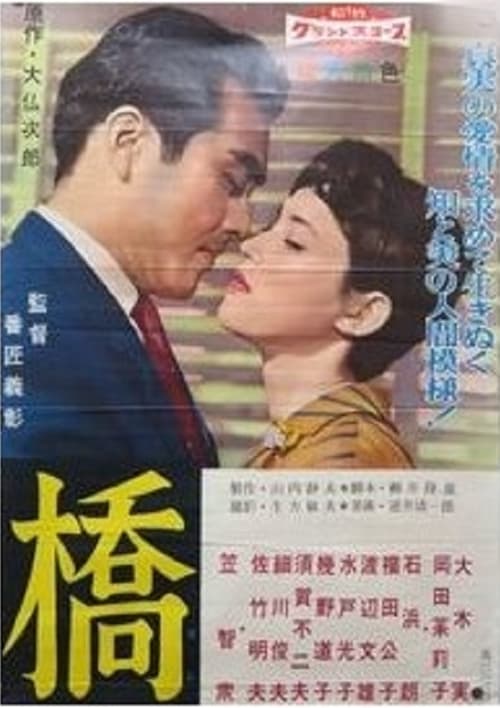
A 1959 Yoshiaki Bansho adaptation of an Osaragi Jiro story.
Taka, the daughter of Naniwa-ya, a longtime Osaka store owner, married Kichisaburo Kawashima-ya, the son of a kimono wholesaler. Her husband just tried to play with her like a sweet candy, but Taka fell in love with him. One day, the father-in-law suddenly dies, and the Kawashima-ya family fortune is rapidly changing. However, the depravity of Kichisaburo does not subside...
No description available.
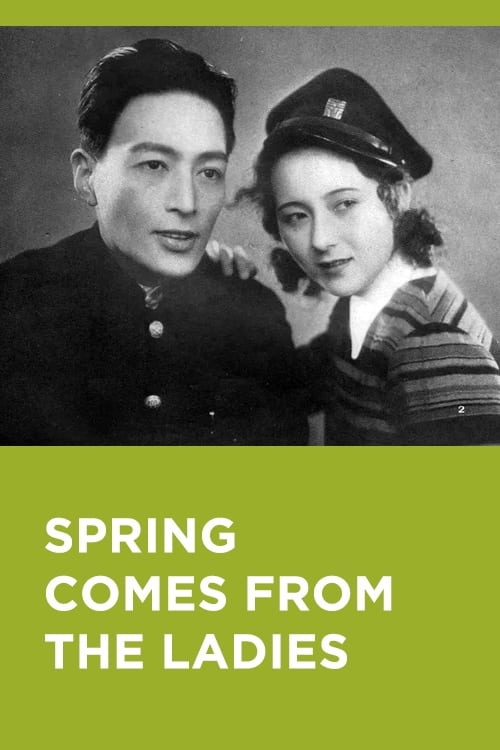
A student comes up with various schemes to avoid paying a tailor the money he owes him. Considered to be a lost film.
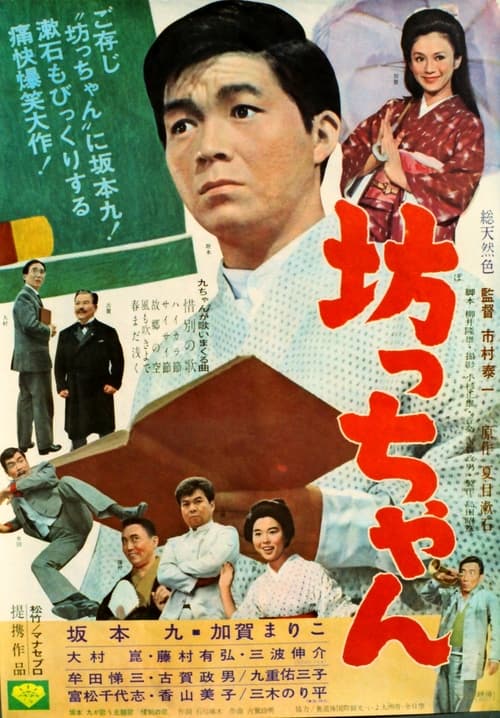
1966 Shochiku adaptation of Natsume's novel.
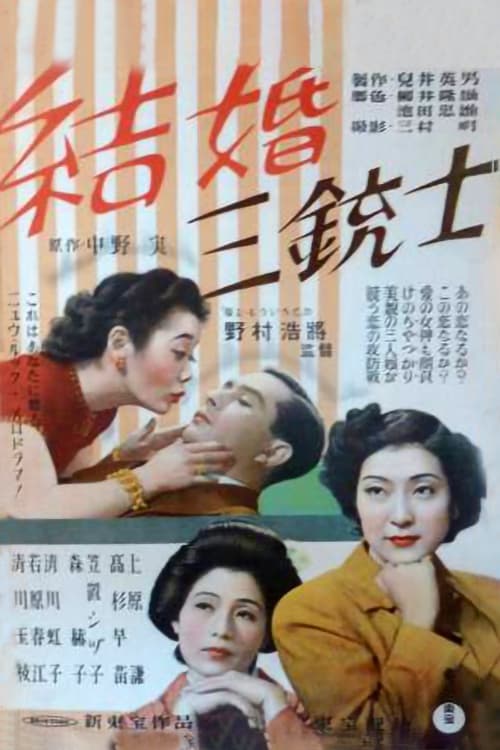
The movie follows a young woman (Kinuyo Tanaka), a daughter of a high-ranking businessman and his neglected mistress, as she struggles to ease her mother's loneliness, while also having an affair with her father's subordinate.
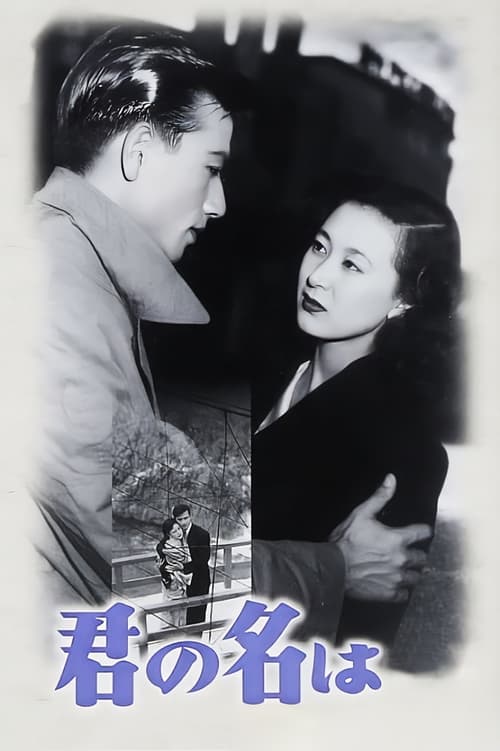
Machiko Ujiie and Haruki Atomiya first meet and fall in love on Ginza’s Sukiyabashi Bridge during the Great Tokyo Air Raid in March 1945. Machiko and Haruki pledge to meet again at the bridge in six months but part without asking each other’s names.
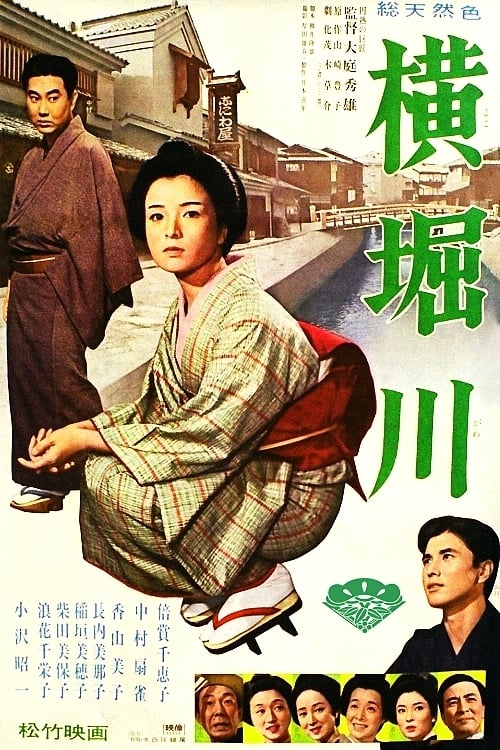
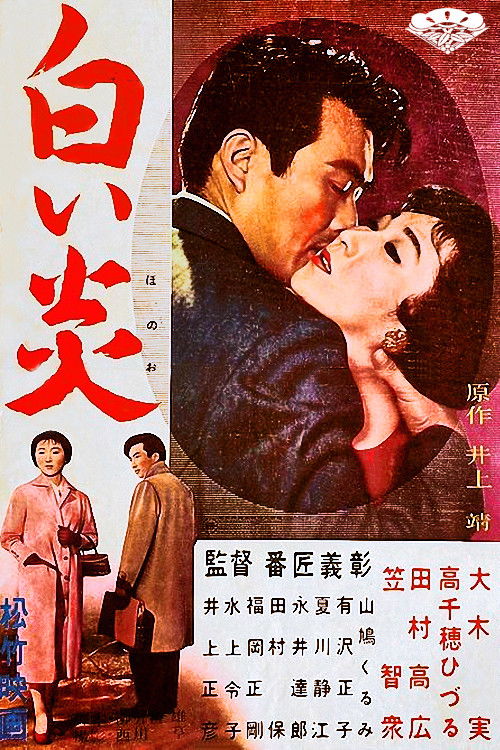
A masterpiece depicting the true feelings, grief and joy of a woman. An adaptation of the novel of the same name by Yasushi Inoue.
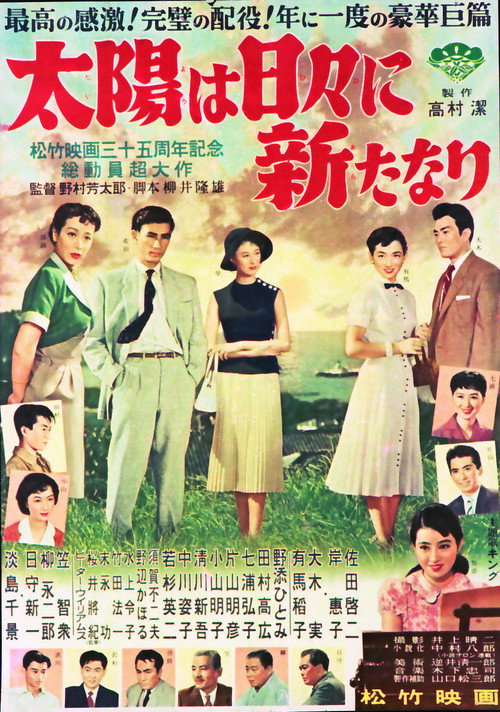
The Nakata family, father, mother, son Hideo, and daughters Taeko and Akiko live in the poorer section of modern Tokyo. Their troubles start when the father leaves with another woman, returns after he is rejected, and leaves again with the family's money.
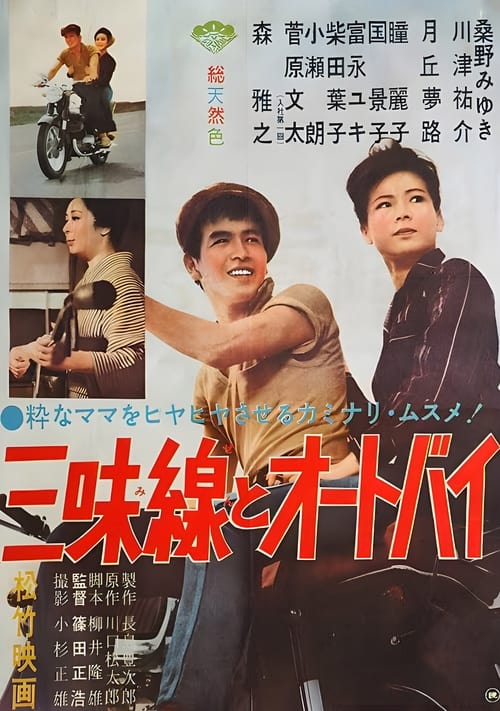
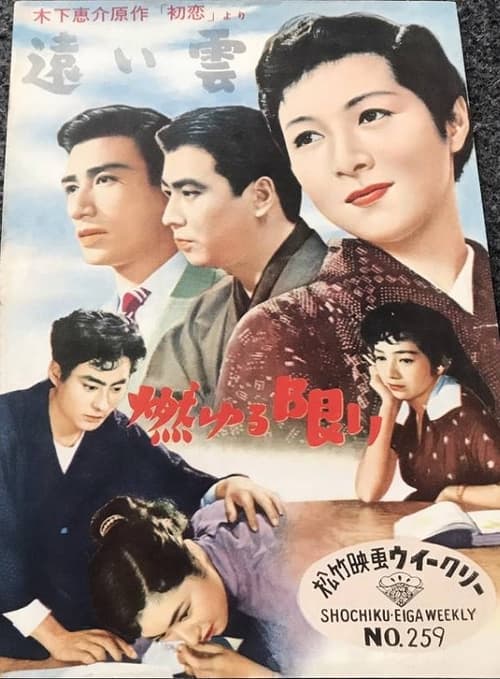
Akiko divorces her husband Fujikawa due to his infidelity, and when she returns to her parents' home, she finds that her family's toy factory is in decline, and she has to work hard to rebuild it. Thanks to the mediation of Niimura, who is a close friend of her brother Shinichi and has feelings for Akiko, they are able to secure a sales contract with a foreign trading company for the toy that Shinichi invented. However, Fujikawa, who has a grudge against Akiko, begins to interfere by making cheap imitations...
Japanese film from 1934, based on a novel by Itsuma Maki (real name Kaitarō Hasegawa).
Machiko and Haruki’s drama continues. Machiko is not allowed to see Haruki. They finally meet again, but Haruki departs to Europe.
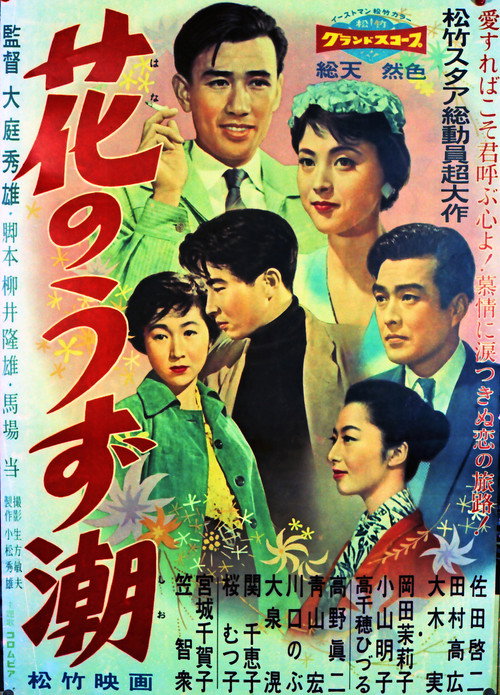
Princess Yuzuki, the only daughter of Moonlight Castle had no shortage of people asking for her hand. Finally, unable to bear it any longer, the princess asked the astrologer Priest Jien to divine who her future husband would be. He replied, “The man who touches the rose that blooms at night in the castle will become your husband.” That night, Princess Yuzuki went out to watch the Harvest Festival dance and was accosted by a drunken man. Just then, a young man named Yoshimaru, riding a horse and accompanied by two retainers, appeared dashingly and rescued the princess. Yoshimaru fell in love with her charm at first sight and tried to pluck a rose blooming beneath her window to present to her, but failed. Soon after, following the princess’s wish to choose a husband based on character rather than reputation, a public notice reading “Seeking a Husband for Princess Yuzuki” was posted.