Feride Çiçekoğlu
Writing
Known For

The lives of women in prison, as well as the adventures of their relatives who came to visit and the aftermath of those who went out.
Parmaklıklar Ardında

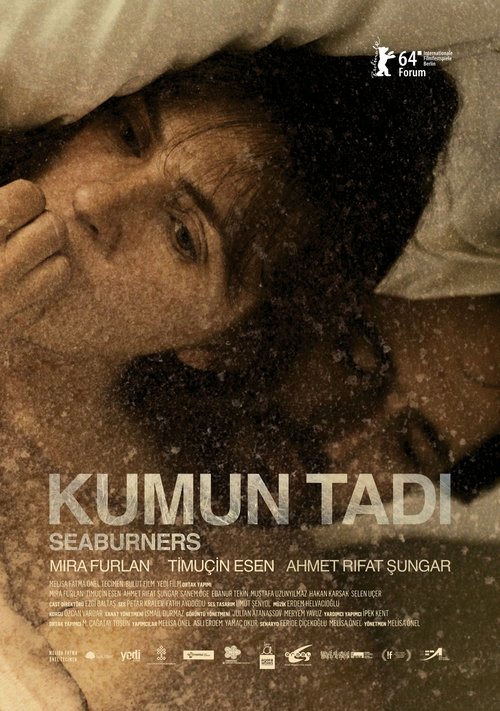
Reyhan realizes that she has lost her sense of smell during a short vacation. Although the possibility of a serious illness worries her, she will follow her instincts to regain her sense of smell instead of undergoing further tests.
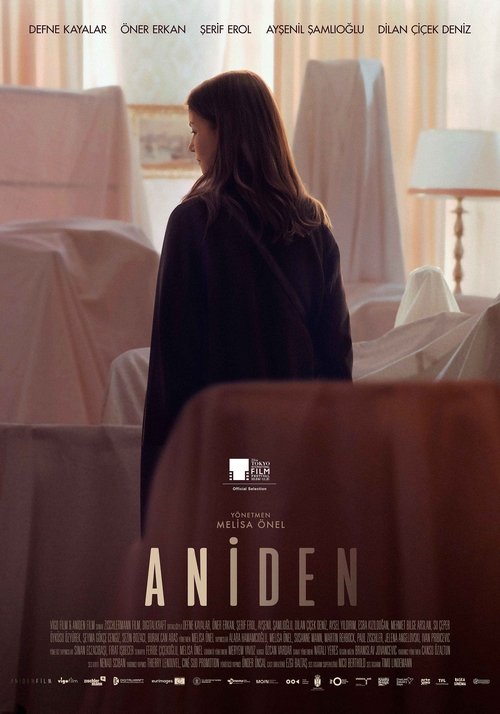
Suddenly

Denise, a botanist, is working in the swamps in a part of Turkey, planting and researching local flora. In her evenings she sometimes meets with her lover Hamit, a simple man at first glance. But he is making his living with human trafficking which he keeps a secret from Denise. When Hamit learns that Denise is being sent back to her home country soon, one final trafficking job takes a dark outcome.
Seaburners

Turkish remake of The Golden Girls.
Golden Girls

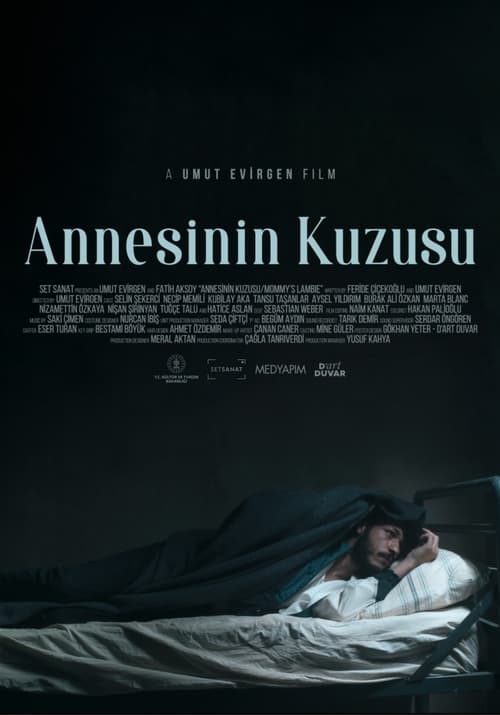
At thirty, and in prison Murat can’t shake his memories and nightmares. He has internalized his mom’s childhood traumas as if his own. His mom expected him to grow up and to save her, while his father, married to another woman, wanted to make a man out of him at age seven. His circumcision festivity, a night supposedly organized for his joy became his hell.
Mommy’s Lambie

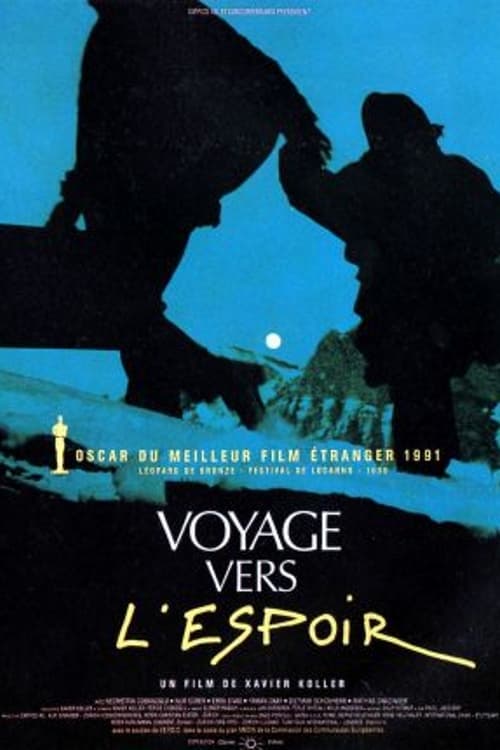
In a village in eastern Turkey, tales of the economic success of Turks in Switzerland inspire Haydar to convince his wife Meryem that they must go. He sells their livestock and small plot of land in exchange for passage for two. He wants to leave their seven children in the care of the eldest and his parents; his father advises him to take one son to be educated in Europe. Will anyone reach the land of promise?
Journey of Hope

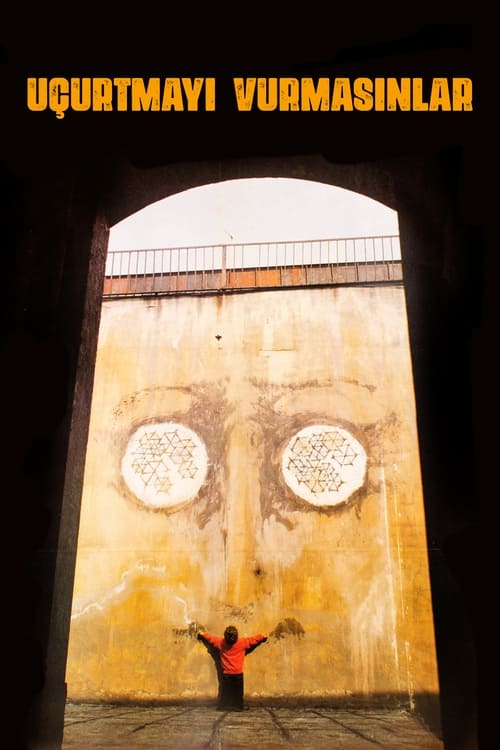
Sent to prison along with his mother after her drug conviction, a young boy develops a warm, tender relationship with a political prisoner.
Don't Let Them Shoot the Kite

No description available.
Suyun Öte Yanı

A murder investigation is flipped inside out in Burak Çevik's second feature, a spellbinding and surprising work that questions whether we can ever truly understand criminal motives. We begin in the present as an unseen narrator recounts the assassination of his lover's disapproving mother, accompanied by hauntingly vacant images of urban alienation and garish city lights; we then flash back to witness the first encounter between the lovers-turned-accomplices, their mutual attraction and world-weariness emerging across a sleepless night and morning after. Çevik imbues the proceedings with a stylistic confidence and willingness to bend the conventions of cinematic form to arrive at a complex, gripping double meditation on love and death.