Patsy Kelly
Acting
Biography
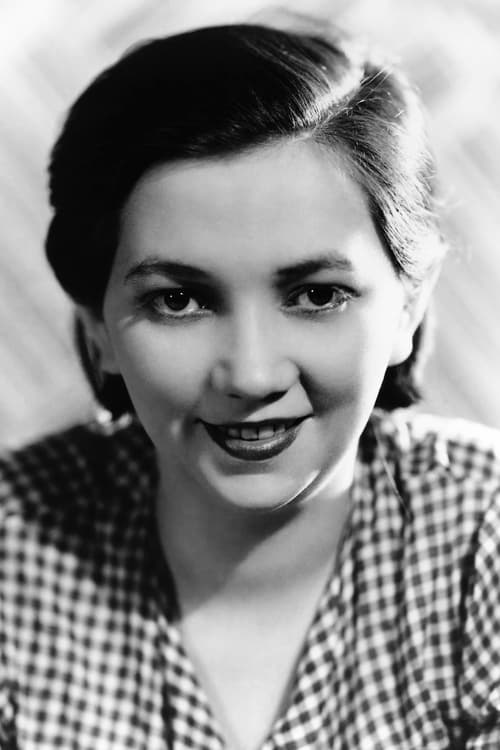
Patsy Kelly was born on January 12, 1910 in Brooklyn, New York, USA as Bridget Sarah Veronica Rose Kelly. She was an actress, known for Rosemary's Baby (1968), Freaky Friday (1976) and The Naked Kiss (1964). She died on September 24, 1981 in Woodland Hills, Los Angeles, California, USA.
Known For

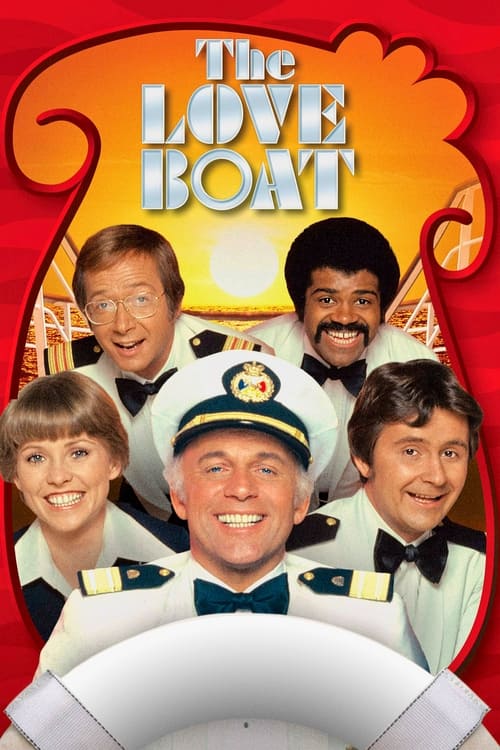
Passengers who search for romantic nights aboard a beautiful ship travelling to tropical or mysterious countries, decide to pass their vacation aboard the "Love Boat", where Gopher, Dr. Bricker, Isaac, Julie, and Captain Stubing try their best to please them, and sometimes help them fall in love. Things are not always so easy, but in the end, love wins.
The Love Boat

An anthology comedy series featuring a line up of different celebrity guest stars appearing in anywhere from one, two, three, and four short stories or vignettes within an hour about versions of love and romance.
Love, American Style

The Dick Cavett Show has been the title of several talk shows hosted by Dick Cavett on various television networks.
The Dick Cavett Show

The Antoinette Perry Award for Excellence in Theatre, more commonly known as a Tony Award, recognizes achievement in live Broadway theatre. The awards are presented by the American Theatre Wing and The Broadway League at an annual ceremony in New York City. The awards are given for Broadway productions and performances, and an award is given for regional theatre.
Tony Awards

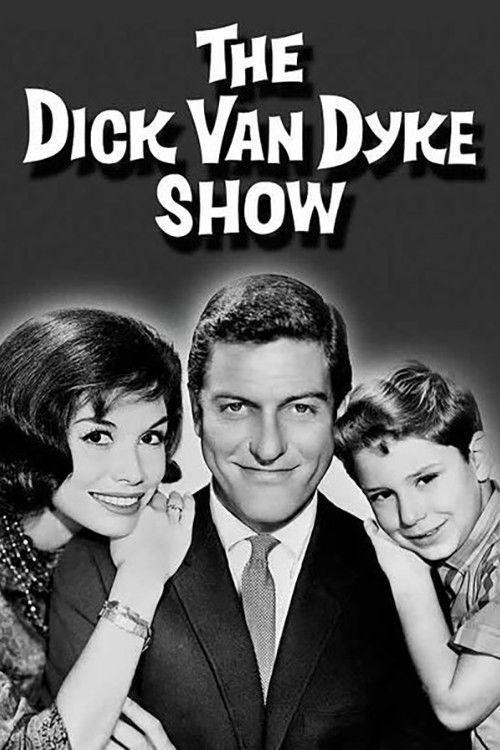
The Dick Van Dyke Show centers around the work and home life of television comedy writer Rob Petrie. The plots generally revolve around problems at work, where Rob got into various comedic jams with fellow writers Buddy Sorrell, Sally Rogers and producer Mel Cooley.
The Dick Van Dyke Show

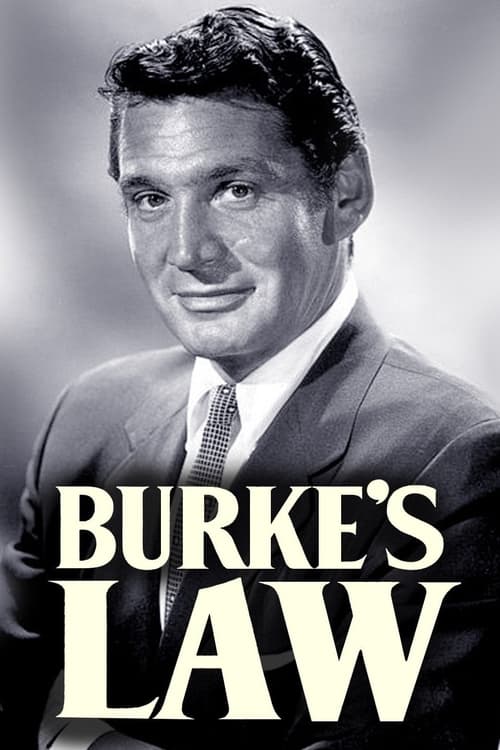
Burke's Law is an American detective series that ran on ABC from 1963 to 1965 and was revived on CBS in the 1990s. The show starred Gene Barry as Amos Burke, millionaire captain of Los Angeles police homicide division, who was chauffeured around to solve crimes in his Rolls-Royce Silver Cloud II.
Burke's Law

A television anthology series hosted by Alfred Hitchcock featuring dramas, thrillers, and mysteries.
Alfred Hitchcock Presents

Laramie is an American Western television series that aired on NBC from 1959 to 1963. A Revue Studios production, the program originally starred John Smith as Slim Sherman, Robert Fuller as Jess Harper, Hoagy Carmichael as Jonesy and Robert L. Crawford, Jr., as Andy Sherman.
Laramie

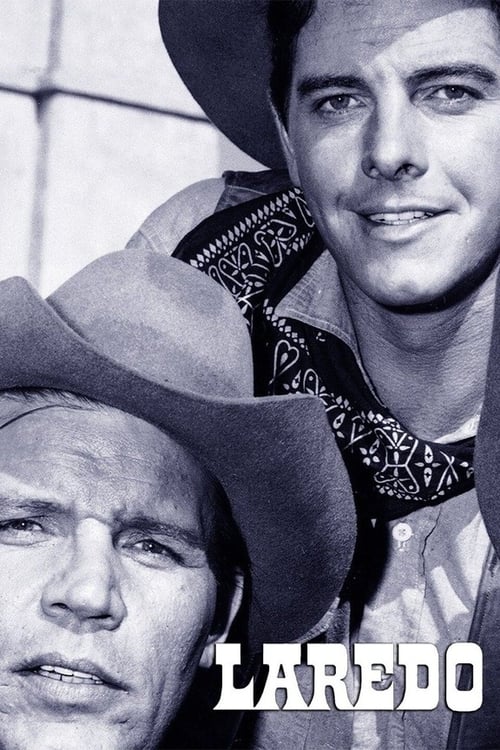
Laredo is an American Western television series that aired on NBC from September 16, 1965, to April 7, 1967. Laredo stars Neville Brand, William Smith, Peter Brown, and Philip Carey as Texas Rangers. It is set on the Mexican border about Laredo, Texas. The program was produced by Universal Television. The pilot episode of Laredo aired on NBC's The Virginian under the title, "We've Lost a Train". It was released theatrically in 1969 under the title Backtrack. Three episodes from the first season of the series were edited into the 1968 feature film Three Guns for Texas.
Laredo

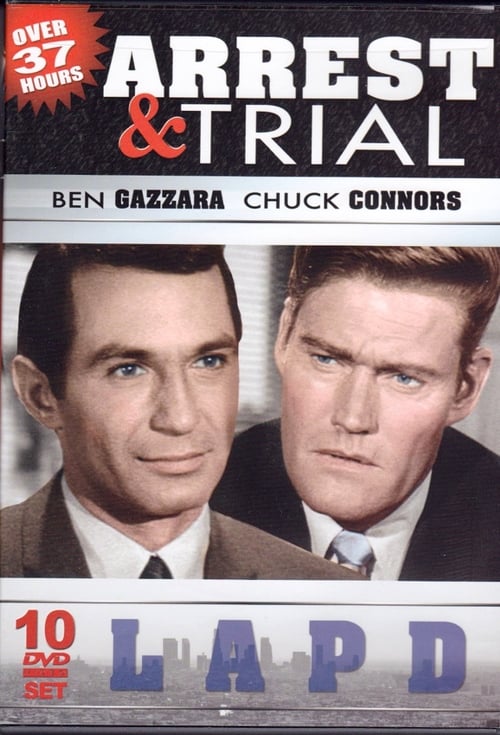
Arrest and Trial is a 90-minute American crime/legal drama series that ran during the 1963-1964 season on ABC, airing Sundays from 8:30-10 p.m. Eastern.
Arrest and Trial

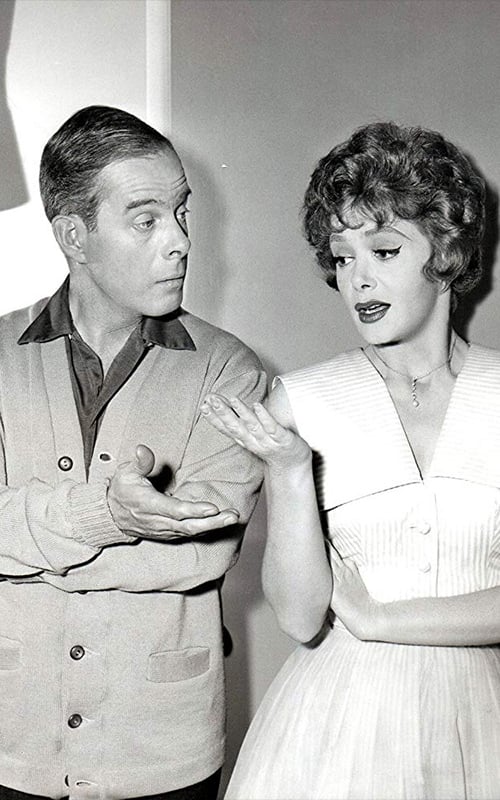
Pete and Gladys is an American situation comedy television series starring Harry Morgan and Cara Williams that aired on CBS on Mondays at 8:00 p.m. Eastern and Pacific time for two seasons, beginning on September 19, 1960. The last episode was broadcast on September 10, 1962.
Pete and Gladys

26 Men is a syndicated American western television series about the Arizona Rangers, an elite group commissioned in 1901 by the legislature of the Arizona Territory and limited, for financial reasons, to twenty-six active members. Russell Hayden was the producer of the series and the co-composer of the theme song. The series aired between October 15, 1957 and June 30, 1959, for a total of 78 episodes.
26 Men
The concept of the series was the showing of unaired and unsold television pilots that did not make the television lineup for CBS. The show was successful during its first few seasons due to the fact that the show's concept, airing unsold and unaired television pilots, was a popular concept in the 1960s. But during its last two seasons on the air, the series did find some trouble due to the fact that the series were running out of pilots to air and, in their 4th season, they began airing repeats from the three seasons prior. During its 1966 summer run, the series aired eights new pilots and two repeats and during its last year airing five new pilots and four repeats.
Vacation Playhouse

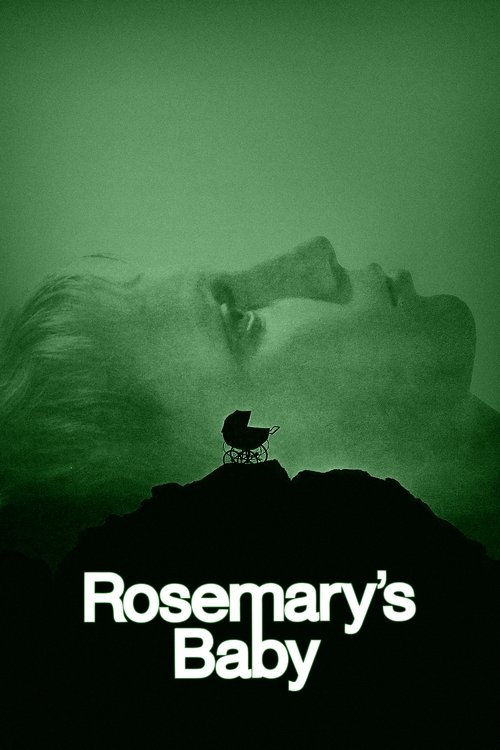
A young couple, Rosemary and Guy, moves into an infamous New York apartment building, known by frightening legends and mysterious events, with the purpose of starting a family.
Rosemary's Baby

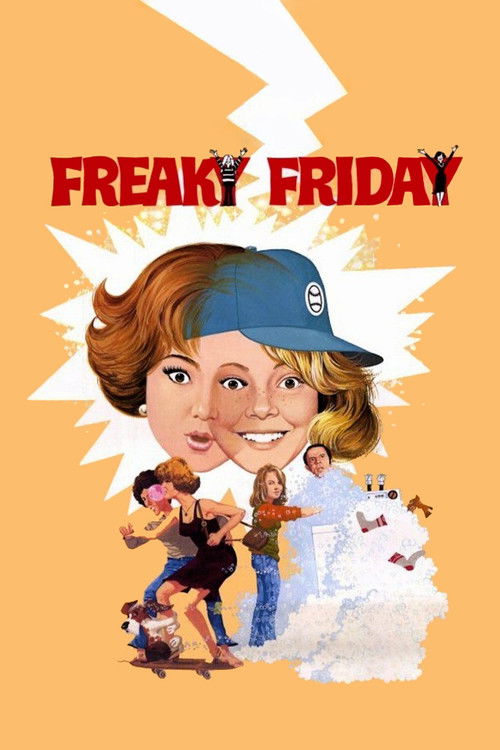
School girl Annabel is hassled by her mother, and Mrs. Andrews is annoyed with her daughter, Annabel. They both think that the other has an easy life. On a normal Friday morning, both complain about each other and wish they could have the easy life of their daughter/mother for just one day and their wishes come true as a bit of magic puts Annabel in Mrs. Andrews' body and vice versa. They both have a Freaky Friday.
Freaky Friday

A former prostitute works to create a new life for herself in a small town, but a shocking discovery could threaten everything.
The Naked Kiss

The girls camp out in the woods for a publicity stunt.
Hill-Tillies

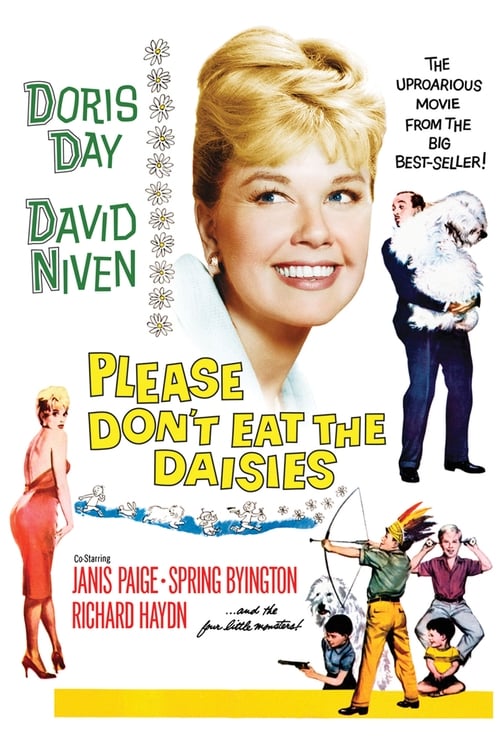
Drama critic Larry Mackay, his wife Kate and their four sons move from their crowded Manhattan apartment to an old house in the country. While housewife Kate settles into suburban life, Larry continues to enjoy the theater and party scene of New York.
Please Don't Eat the Daisies

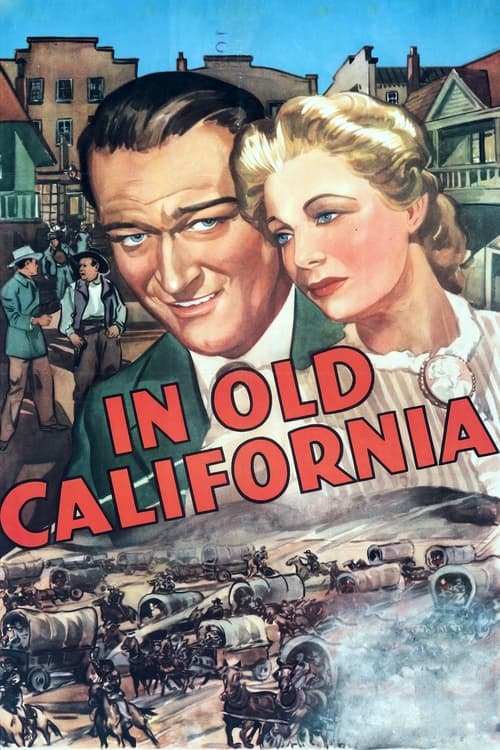
Boston pharmacist Tom Craig comes to Sacramento, where he runs afoul of local political boss Britt Dawson, who exacts protection payment from the citizenry. Dawson frames Craig with poisoned medicine, but Craig redeems himself during a Gold Rush epidemic.
In Old California

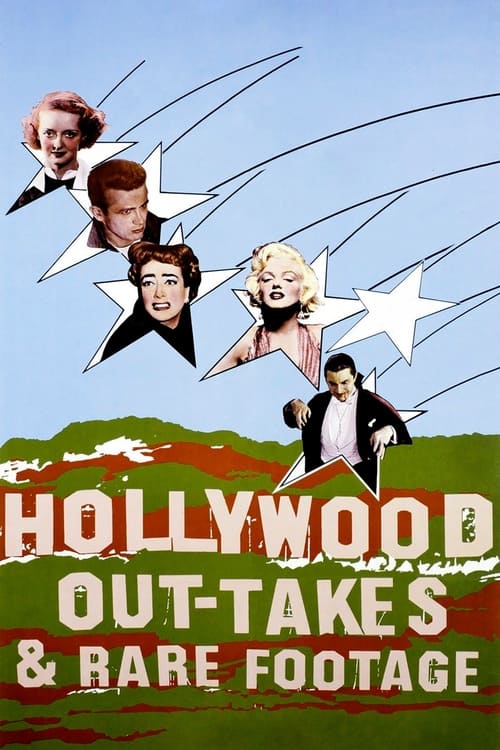
Out-takes (mostly from Warner Bros.), promotional shorts, movie premieres, public service pleas, wardrobe tests, documentary material, and archival footage make up this star-studded voyeuristic look at the Golden age of Hollywood during the 30s, 40, and 50.