Production
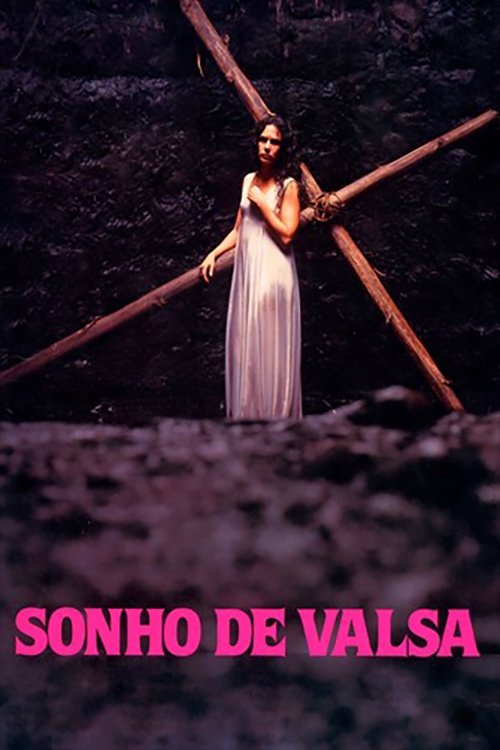
Classical music student arrives from Buenos Aires to live with his rocker cousin in Rio De Janeiro. Between parties full of rock and roll, he has to decide between his childhood girlfriend, now a respectful businesswoman, and the volleyball player Vera.
Tereza tries to leave her past and forge her own destiny and happiness by going through several affairs.
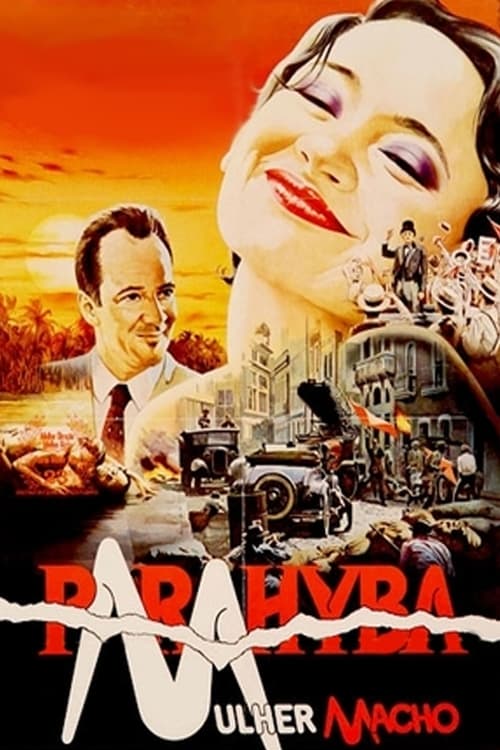
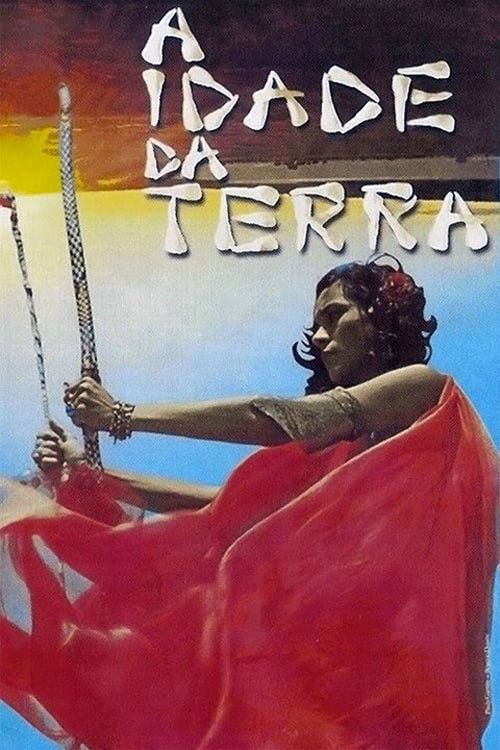
Account an important part of the history of Brazil, through its main character, Anayde Beiriz a poet, journalist and revolutionary and libertarian teacher of the early twentieth century, known for its sexual liberalism, which shocked the pre-Revolution in the state of Paraíba during 1930. His love for João Dantas eventually forge João Pessoa's death, at that time, governor of of Paraíba. These events served as a trigger for the a revolution.
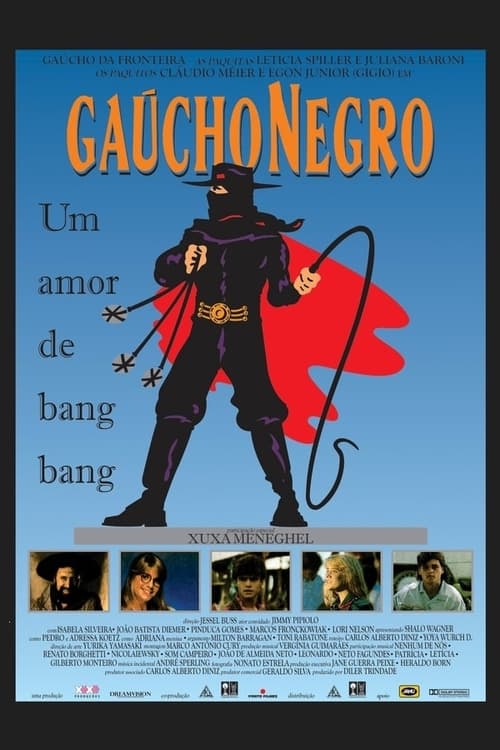
In the south of Brazil, cattle raiding and criminal fires are a huge problem to farmers, until the arrival of the Black Gaucho, a masked knight, a mixture of legend and punisher.
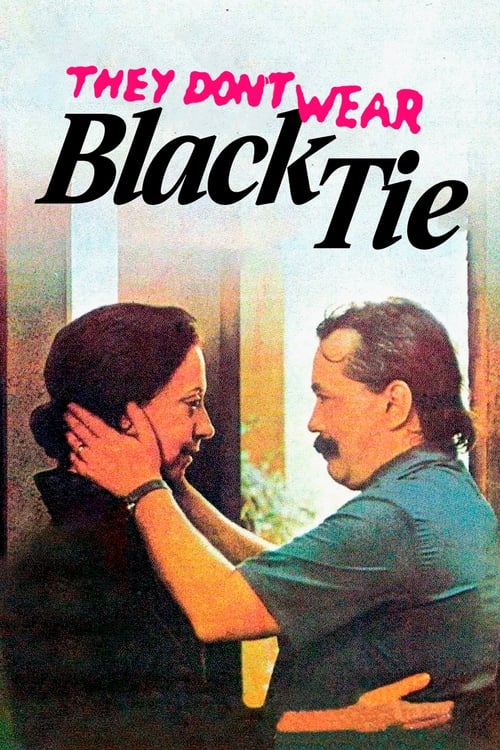
Otavio is an idealistic union leader trying to organize workers at a factory to resist the company's exploitative practices. His son, Tião, one of the employees, is more of a realist and doesn't want to risk losing his job by striking. This clash of perspectives puts the father and son at odds. Fortunately, Tião's mother, Romana, is on hand to act as a moderator between the two opinionated men.
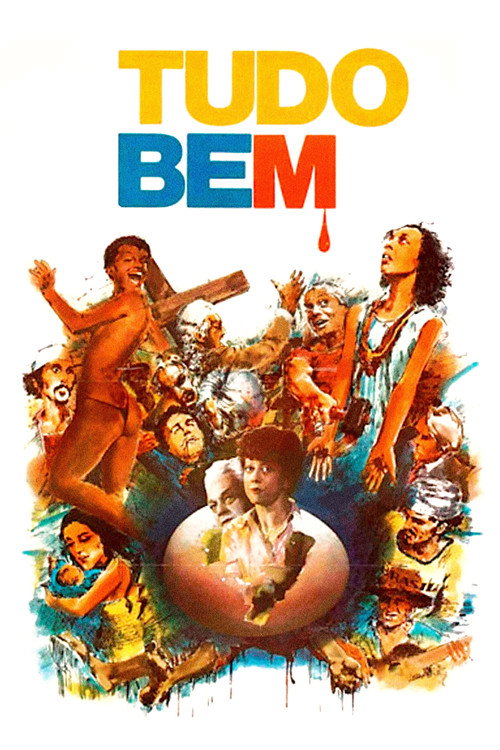
A group of eccentric people gather at a popular bar in Ipanema, Rio de Janeiro.
Drawing inspiration from a poem penned by Castro Alves, this film vividly captures the political, cultural, and intellectual climate of Brazil during the late 1970s. At its core, the story revolves around four distinctive embodiments of Christ's image: a black man, a soldier, an Indian, and a guerrilla fighter. These courageous individuals, hailed as the harbingers of doom in the tupiniquim lands, valiantly combat the insatiable avarice and oppressive "civilizing" brutality propagated by the formidable John Brahms—a foreign exploiter devoid of morals.
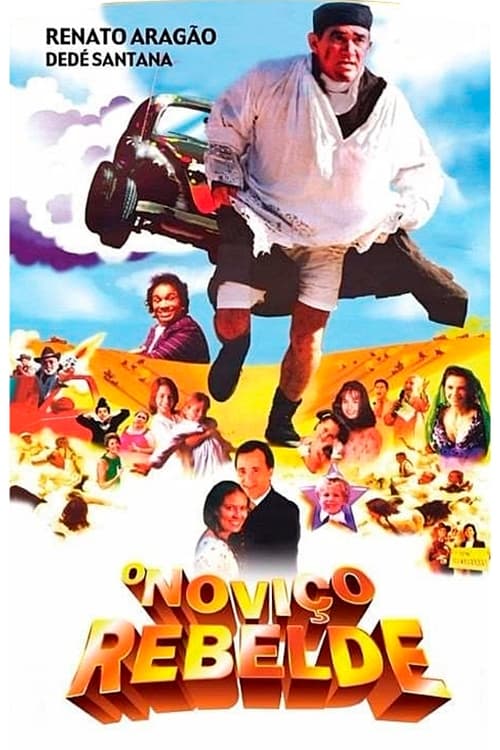
The troubled adventures of a country novice who goes to the big city to work as a nanny, taking care of the young and rebel sons of a widow businessman.
A small town girl, who's an aspiring singer, tries to make a living out of music in the big city of Rio de Janeiro.
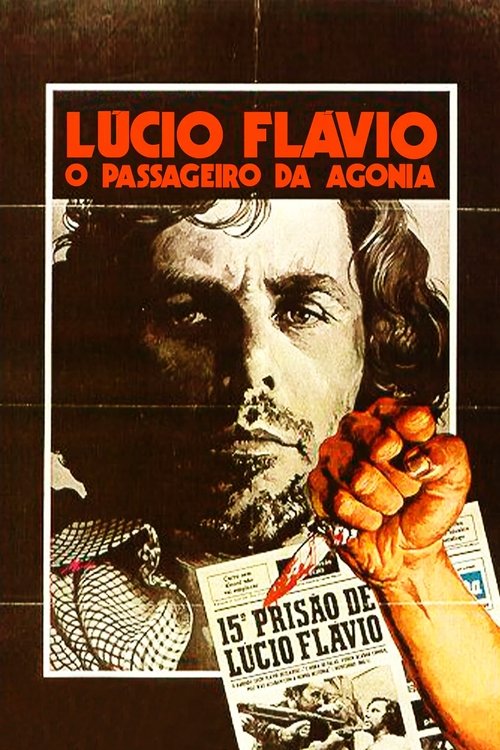
Story of Brazilian bank-robber Lúcio Flávio, who fascinated some people in Rio de Janeiro during the 1970s for his bold robberies and spectacular escapes, and also because he was thought to be intelligent and "politically aware". Before dying, he disclosed a network of corruption in Brazilian Police, and its involvement with the infamous "Death Squad" of the time, a group of policemen who went about killing criminals without giving them a fair trial.
Grieved over the loss of their daughter, an elderly couple has decided do spend their vacation travelling around Europe. The cab driver who takes them to the airport, Leo, overhears their conversation and decides to profit from their situation: Leo convinces the couple's staff he's their nephew, and invites his friends and girlfriend over for a special summer. Things go awry when his friend Marcelo arrives with a bus full of teenagers, who believe the mansion is actually a summer camp.
Middle-class family reform their apartment, and the noise, the contact with the workers and strange occurrences turn what was supposed to be a trivial matter into a trip to hell.
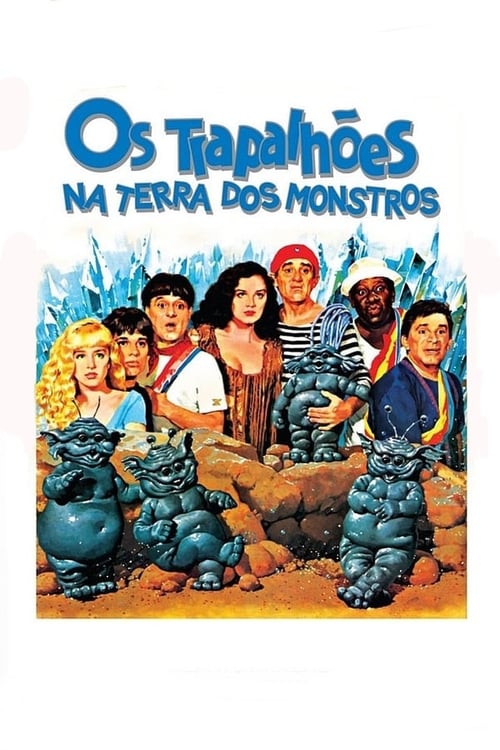
In a television program Angelica (Angelica), the daughter of a businessman who aspires to be a singer, eventually earning his "crazy dream", which is recording a video clip at the top of Sugar Loaf in Rio de Janeiro, with the Domino Group . The father forbids it to go, so she runs away with her boyfriend to the Sugar Loaf. When her father learns commands Didi (Renato Aragão), Dede (Dede Santana), Mussum (Mussum) and Zechariah (Zechariah) to think in three days or call the police. Trying to find her, the quartet falls into a hole in the Sugar Loaf which is populated by strange creatures, some good, the Grunks, and some bad, the Barks.
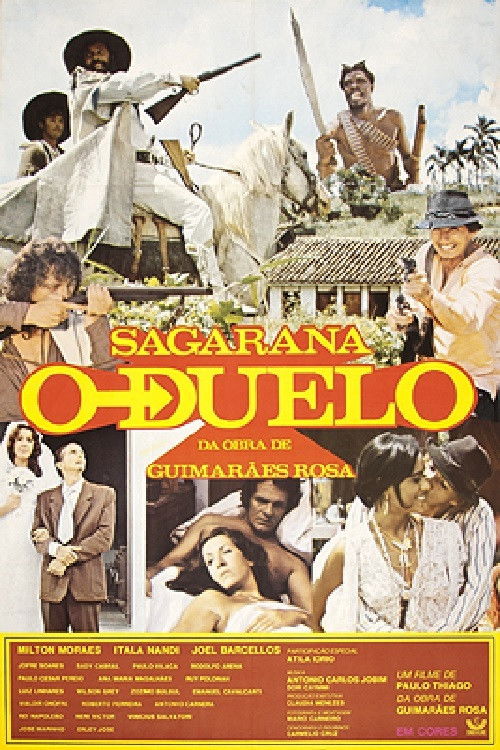
Unable to endure the idea that he would go without punishment, a criminal's victim chases him the length and breadth of Brazil for a showdown.
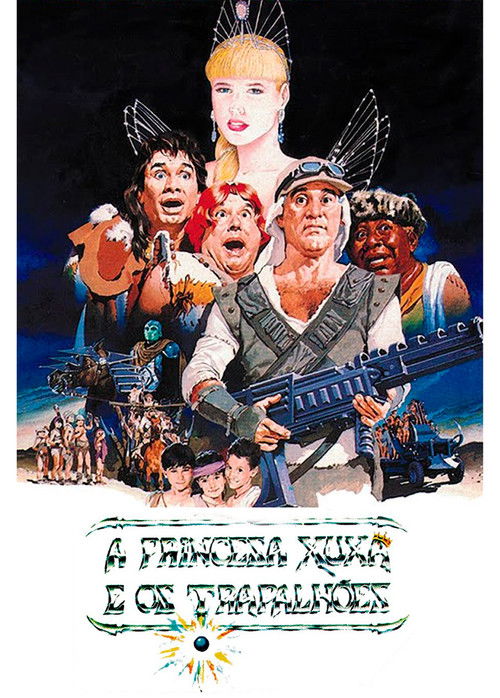
The diabolical Ratam (Paul Reis) takes over the planet Antar, after the death of the emperor, and orders that all children be enslaved. Always kept within the palace, Princess Xeron (Xuxa) believes that the people of her kingdom are happy. Meanwhile, outside, the princes Mussaim (Mussum) Dedeon (Dede Santana) and Zacaling (Zacarias) join the Nameless Knight (Renato Aragão), so that together they can defeat Ratam.
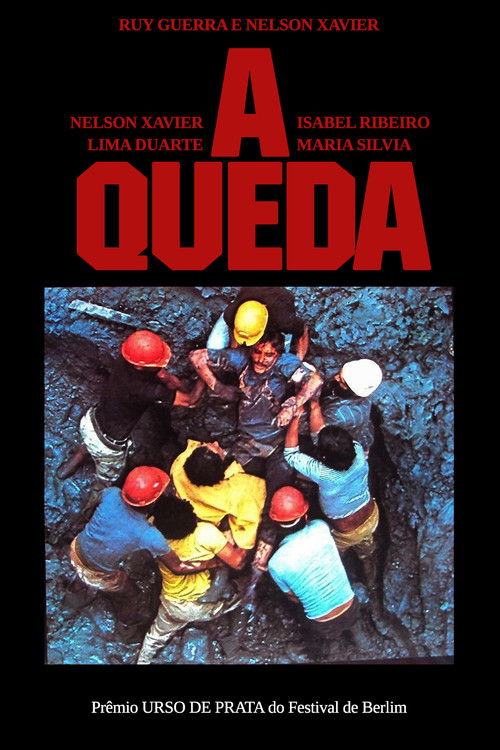
An accident at a construction site, resulting in one death, sets one worker off on a struggle for justice that exposes the mechanisms of exploitation and the class relations of a country that had undergone one decade of fast-paced ‘conservative modernisation’ at the hands of the military. As a sort of sequel to the classic The Guns (1964), following the fate of those characters as they move from enforcers of exploitation to exploited, it offers more than a snapshot of the period: the correspondent time lapses in fiction and reality capture the passage of a chunk of Brazilian history between the two films, and, therefore, also the transformations in cinematographic approaches to the social and political between the two moments. Equally daring in content and form, and in the originality of the adequacy of one to the other, it won the Silver Bear at Berlin.
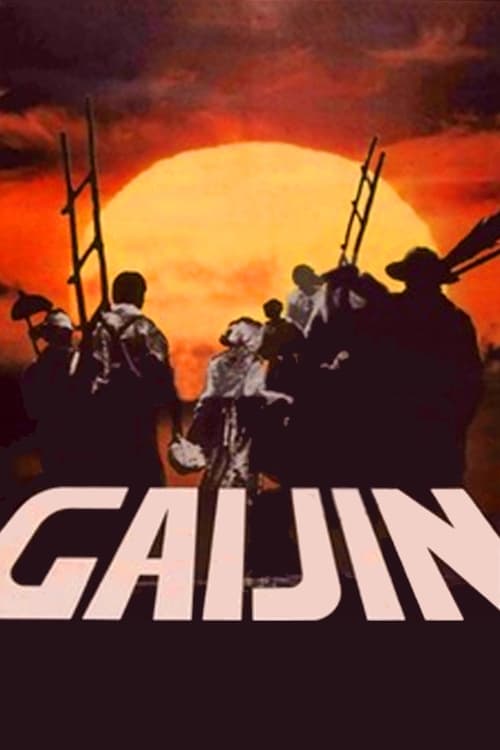
Based on fact, this is the story of the struggles of Japanese immigrants who traveled to and settled in Brazil looking for a better life.
The life of Brazilian actress Leila Diniz.
An Italian businessman travels to Brazil looking for a new job. When things don't go his way, he becomes despondent until he meets a beautiful woman who reveals Rio de Janeiro's most magical, secret locales.
In 1908, Titoe leaves her home country of Japan to try her luck in Brazil. Her intention is just to get rich and return in five years, but life has other plans for her.