Directing
Based on stories revolving around hearings for adolescents in conflict with the law, in each episode, six young actors portray characters from stories that adopt a different genre.
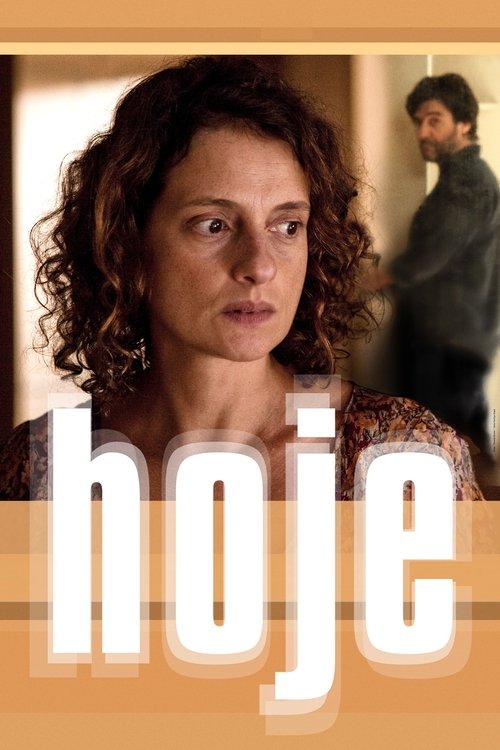
Former political activist receives compensation from the Brazilian government for the disappearance of her husband, victim of the repression triggered by the Brazilian military dictatorship. With the money, she can buy her an apartment and free herself from this dreadful condition she lived for decades. At the moment of moving to the new home, however, a visit arises that forces her to review her entire life.
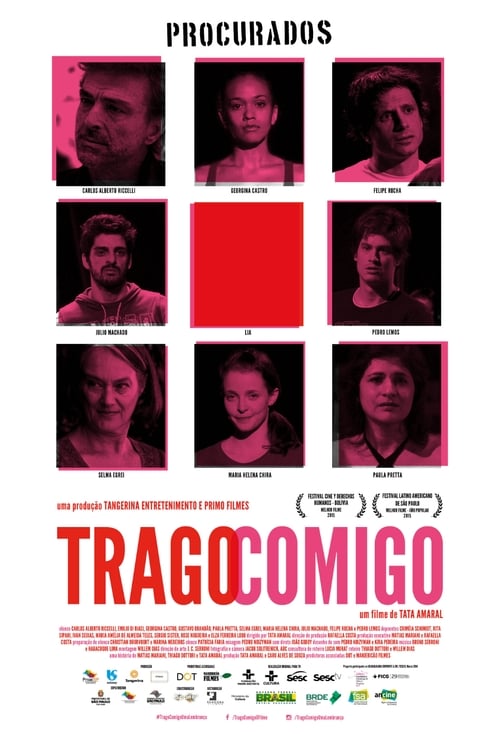
Telmo is a retired theater director that realizes he doesn't remember the time he spent kept in jail during the military dictatorship in Brazil. He decides to stage a play and, with threads of memory, he improvises the lines with his young cast. Telmo dives into his own history and ends up revealing for himself what, being so painful, he'd rather forget.
Milu, a 6-year-old girl, is on vacation. This does not mean fun, because she has to stay alone at home while her mother works. Tulio, a mysterious boy, invites her to play some games. Their fantasies gradually take over the reality that surrounds them.
Youth In Trouble is the ninth edition to Boys On Film, the world's most successful short film series. This compilation features eight complete films: Bretten Hannam's "Deep End" starring Bailey Maughan, Gharrett Patrick Paon, and Denis Theriault; Caru Alves de Souza's "Family Affair" starring Cláudia Assunção, Kauê Telloli, and Ney Piacentini; James Cook's "Together" starring Lucas Hansen, Ben Owora, and Stuart Evans; Carlos Montero's "Easy Money" starring Mario Casas, Ales Furundarena, and Christian Mulas; Grant Scicluna's "The Wilding" starring Reef Ireland, Luke Mullins, and Shannon Glowacki; Dee Rees's "Colonial Gods" starring Cornell John and Said Mohamed; Benjamin Parent's "It's Not a Cowboy Movie" starring Malivaï Yakou, Finnegan Oldfield, and Garance Marillier; and Stéphane Riethauser's "Prora" starring Tom Gramenz and Swen Gippa.
Christine, a victim of domestic violence, escaping and wandering the streets of São Paulo. In her drift, she experiences situations because she is a woman and meets other women who reflect on the need to think about cities from a gender, race and class perspective to denaturalize violence against women both in public and in domestic places. The morning after escaping, Christine returns home to take revenge on her aggressor with the help of the woman she has encountered.
The story of Helena, a recently graduated attorney who works as a public defender of children and adolescents in the courts of the city of Santos, Brazil, and her brother, the teenager Caio, who will commit a serious crime. De Menor participated in Films in Progress at last year's San Sebastian Festival.
Sunday. Classic game on the brazilian championship. Rossi’s family organize themselves in front of TV. Eunice, his mother, looks trough the window while Borges, his dad, and Cauã, his older brother, watch the football match. Rossi tries to find his place in the house.
Jacob, Mairun and João are 6 years old and are making their carnival costumes for the school party. Ana does not participate in the activity because she believes that carnival is a sin. This situation causes surprise among her little friends who start a conversation about their different religious backgrounds.
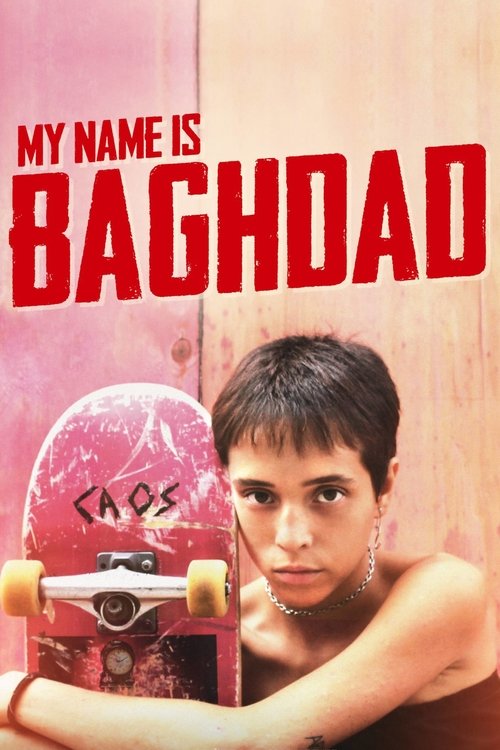
A film from the skater world of São Paulo, where it is women who call the shots. Bagdá is surrounded by self-confident role models in her family. However, outside on the streets, in the venues and clubs, the old machismo continues to dominate. Bagdá and her fellow comrades-in-arms confront it defiantly.
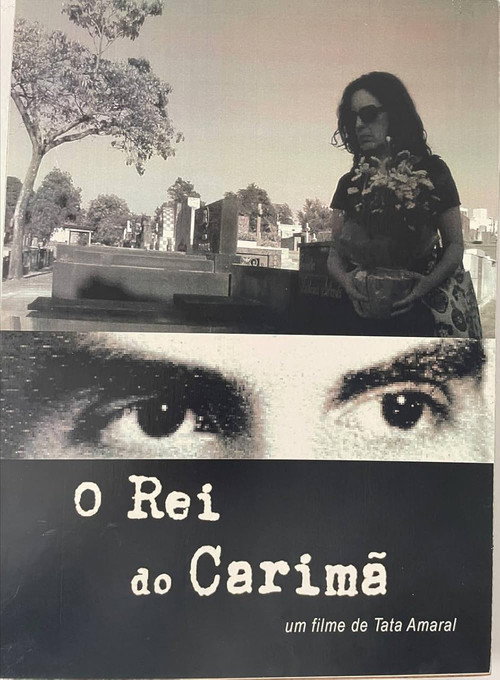
On the day of her mother's wake, filmmaker Tata Amaral's uncle tells her a surprising story: in his youth, her father, Joaquim, had been a wealthy man but ran into an unexplained problem and was forced to flee to Mato Grosso. The filmmaker sets out to explore this past—spanning the 1940s and 1950s—and uncovers a family secret. Beyond the technical revelations of the criminal case, there is a journey of emotional self-discovery that begins at her mother's wake and concludes at her father's grave. Through her camera, she seeks to clear Joaquim's name.