FEEL IT.STREAM
Nicolás Guillén Landrián

Nicolás Guillén Landrián

Directing

Biography

Nicolás Guillén Landrián was a Cuban experimental filmmaker and painter. Guillén was an accomplished filmmaker. He made a total of 13 documentaries.
Known For

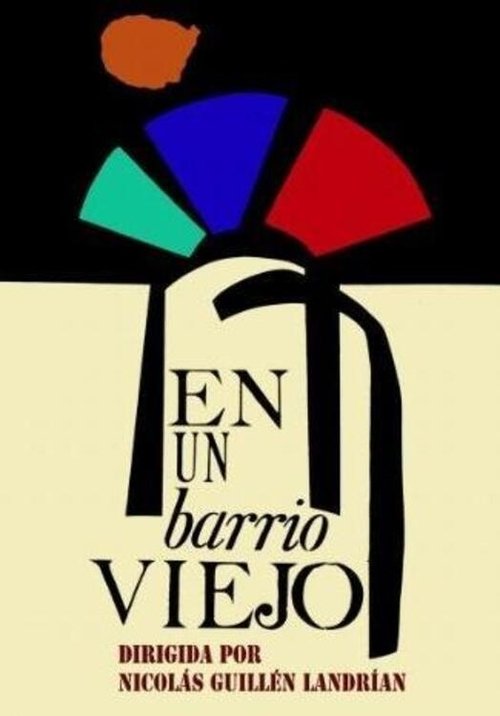
In an Old Neighborhood
5.5

Affectionate, experimental short documentary that paints a mosaic of Cuba by focusing on a microcosmic "old neighborhood", where the country's personality slowly emerges through its various dualities: young and old, day and night, sound and silence, Christianity and Santería, civilian life and military presence, poverty and abundance.

In an Old Neighborhood

1963
Taller de Línea y 18
N/A

This short film -one of the last made by the Afro-Cuban filmmaker before his definitive expulsion from ICAIC in 1972- alternates shots of the assembly of a vehicle designed for workers' transportation with the exploration of the conditions of workers' representation and political participation in an assembly held in the workshop. The radical disjunction between image and sound interrupts the logic (and etymology) in which the agglutinating force of the "assembly" and the operation of the "assembly" of the parts converge in the dissonant structure of this documentary.

Taller de Línea y 18

1971
No image
N/A

Explains the construction process of a house, the installations, the necessary resources and the ingredients in a foundation.

Para Construir Una Casa

1972
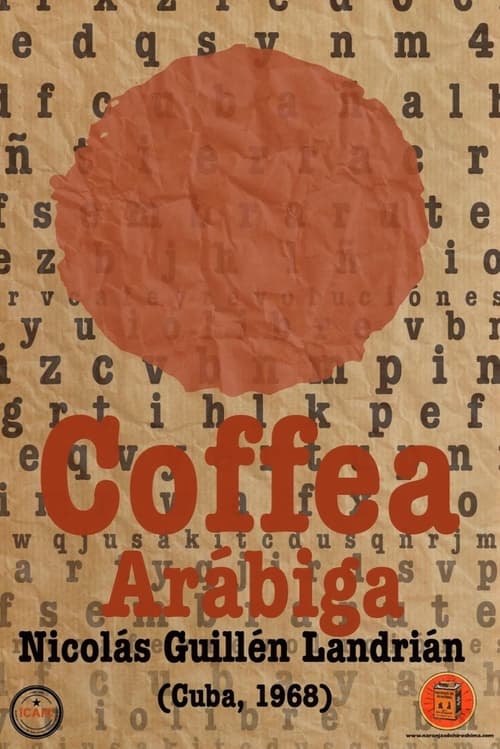
Arabian Coffee
5.3

'Coffea arábiga' was sponsored as a propaganda documentary to show how to sow coffee around Havana. In fact, Guillén Landrián made a film critical of Castro, exhibited but banned as soon as the coffee plan collapsed.

Arabian Coffee

1968
No image
N/A

Retornar a Baracoa focuses on a town, the oldest in Cuba, that remained accessible only by sea for more than three hundred years. While the documentary showcases government projects to build a radio station, a high school, an airport and a park, the images and voices of the residents leave the viewer with the feeling that all of this may be too little.

Retornar a Baracoa

1966
No image
9.0

A short 1962 black & white gem by Cuban director Humberto Solás, with Hector Veita, about creating the Escuelas Nacionales de Arte (National Schools of Art) during the euphoric period after the victory of the Cuban Revolution. These art schools are the most outstanding architectural achievement of the Cuban Revolution. But for many years, and up to recently, stood abandoned, consumed by the jungle, outside the western suburbs of Havana. For more about the story of the schools see revolutionofforms.com. Solás' remarkable, taut, little film nevertheless captures the spirit of utopian optimism that characterized the early years of the Revolution.

Variaciones

1962
No image
N/A

The voice of a narrator shows the background of the port, its construction, the functions of each facility, the repair of fishing boats in the workshops and the creation of cooperatives and shipyards.

Un reportaje sobre el puerto pesquero

1972
Nosotros en el Cuyaguateje
9.0

Report on the Cuyaguateje River in the province of Pinar del Río. A journey along the western river, with a voice-over explaining the name of the tributary, the diversion of water to the lagoons, the sinkhole, and the life and work of the area's inhabitants.

Nosotros en el Cuyaguateje

1972
No image
6.0

A poetic vision of the lives and actions of the people along the Toa River, in the Oriente province of Cuba.

Ociel from Toa

1965
Desde la Habana ¡1969! Recordar
5.0

In this short Guillén Landrían weaves together the national revolutionary project with the lunar landing by Apollo 11, Tomás Gutierrez Aléa's iconic Memories of Underdevelopment (1968), advertisements, and the Beatles.

Desde la Habana ¡1969! Recordar

1969
No image
N/A

Made as part of the Noticiero ICAIC Latinoamericano in celebration of the first Latin American University Games.It is a short film of ten short minutes, dominated by jazz music, which presents, through the typical structure of a report, the arrival of the delegates, their reception, the atmosphere of camaraderie, the training, the parade of participants, the words of Raul Castro at the inauguration, the sports competitions and the final party.

Un festival

1963
No image
N/A

Working alongside Jorge Egusquiza Zorilla, Inside Downtown is a charming portrait of artists and poets of Guillén Landrián’s generation, including the cult Afro-Cuban poet, Esteban Luis Cárdenas.

Inside Downtown

2001
No image
6.5

People dance during a performance of the Orchestra "The Afrokán". The film was banned, at the beginning of the Cuban revolution, for depicting an unwanted image of the Havana night.

The Dancers

1965
Reports
9.0

Using a questionnaire, the author interviews writers, artists, and prominent figures in Colombian culture. Through his interviews, Arango portrays these personalities, using suggestive questions and the unconscious revelation that comes with the improvised nature of the answers. Likewise, some figures, Nadaístas and other artists, present their life stories in the first person, discussing their art, life motivations, and cultural issues. Finally, two chronicles are presented: one addressed to a relative of Arango's in Chocó, and another in which the author reflects on Cartagena and its historic center based on a trip he made to the city in 1966.

Reports

1966