Matthias Müller
Directing
Biography
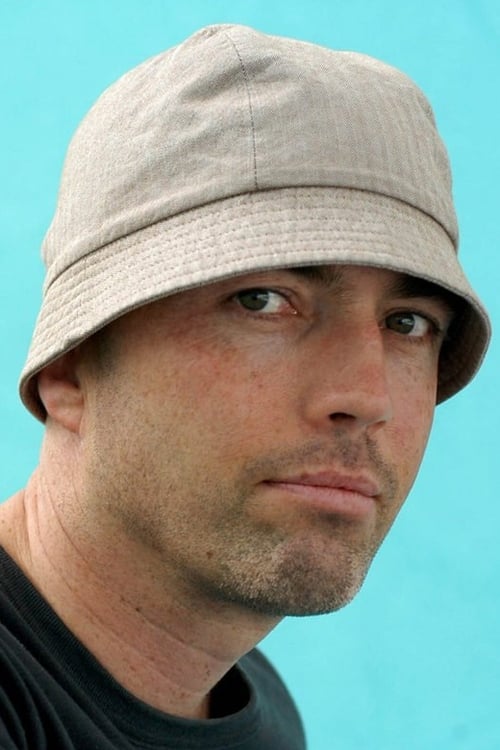
Matthias Müller was born in Bielefeld, Germany in 1961. Müller is an artist working in film, video and photography. He is based in Bielefeld and Cologne, Germany. Studied Arts and German Literature at Bielefeld University and Fine Arts at HBK Braunschweig. Master’s degree. Since 2003, Professor in Experimental Film at Academy of Media Arts, KHM, Cologne. Müller organized numerous avant-garde film events such as the "Found Footage Film Festival" (1996 & 1999) and the first German festival of autobiographical films "Ich etc." (1998) and various touring programs. With his films and videos he has taken part in major film festivals worldwide, including the festivals at Cannes, Venice, Berlin and Rotterdam. His work has also been featured in several group and solo exhibitions. His films and videos are part of the collections of institutions such as Centre Georges Pompidou, Paris, Museu d’Art Contemporani, Barcelona, Nederlands Film Museum, Amsterdam, Australian Centre For The Moving Image, Melbourne, Kunsthalle Bielefeld, the Goetz Collection, Munich, the collection of Isabelle and Jean-Conrad Lemaître, London, and Tate Modern, London. Source: Lightcone
Known For

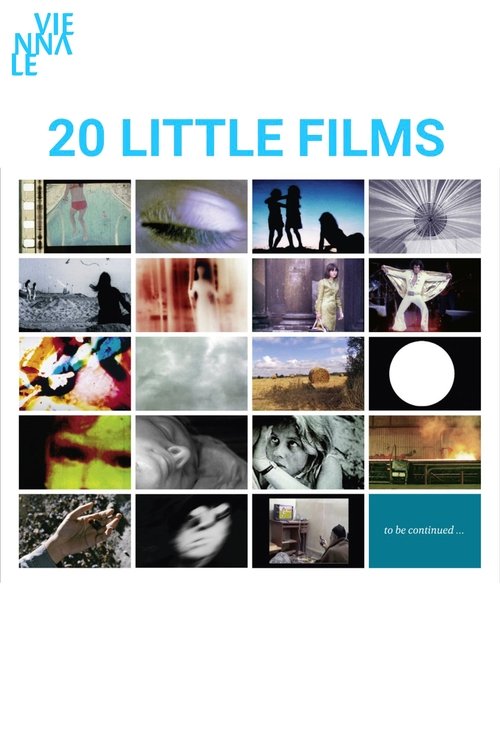
Since 1995, the Viennale has invited renowned directors to create short, one-minute films as personal contributions to the festival. Ranging from home movies to political essays, musical sketches to abstract studies, these “little films” form a unique anthology of cinematic moments. 20 Little Films collects a selection of these works, premiering together for the Viennale’s 50th anniversary at the Locarno Film Festival.
20 Little Films

When a convicted felon fails to return from his prison leave and a young woman is found murdered, forensic psychiatrist Roman Mettler finds himself fighting for his existence. It was him who had composed the report permitting the leave.
Torn

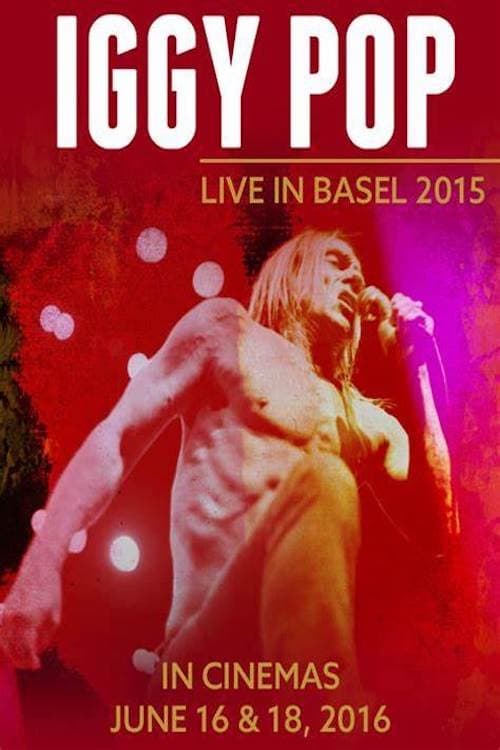
There's a reason why many consider Iggy Pop the godfather of punk - every single punk band of the past and present has either knowingly or unknowingly borrowed a thing or two from Pop and his late-'60s/early-'70s band, the Stooges, who reunited in 2003 and were inducted into the Rock and Roll Hall of Fame in 2010. We welcome this outstanding artist, who is known for his outrageous and unpredictable stage antics, at the Baloise Session.
Iggy Pop: Live in Basel 2015

A reminiscence of a friend who had died of AIDS. His own mourning finds expression in the blending of found and original material, which seems to become one with the film material.
Aus der Ferne—The Memo Book

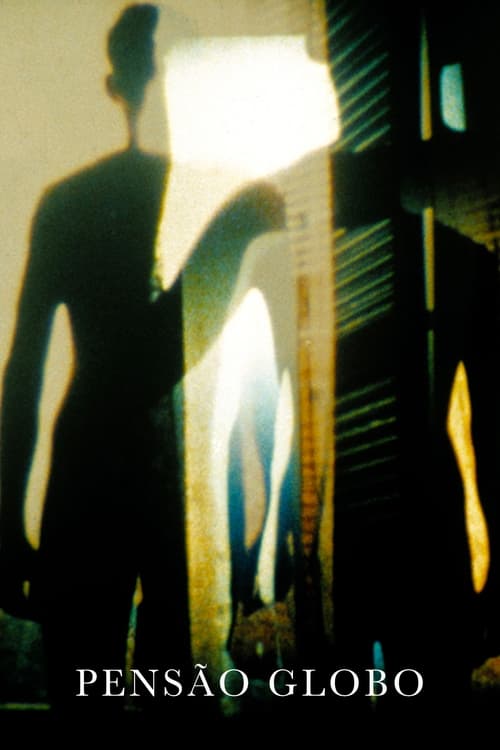
A man faces his approaching death. He takes a journey, his last perhaps, and ends up at the Pensão Globo in Lisbon, where he sets out on aimless excursions through the city. The film depicts a life in a state of transition. Sometimes it's like I'm already gone, become a ghost of myself.
Pensão Globo

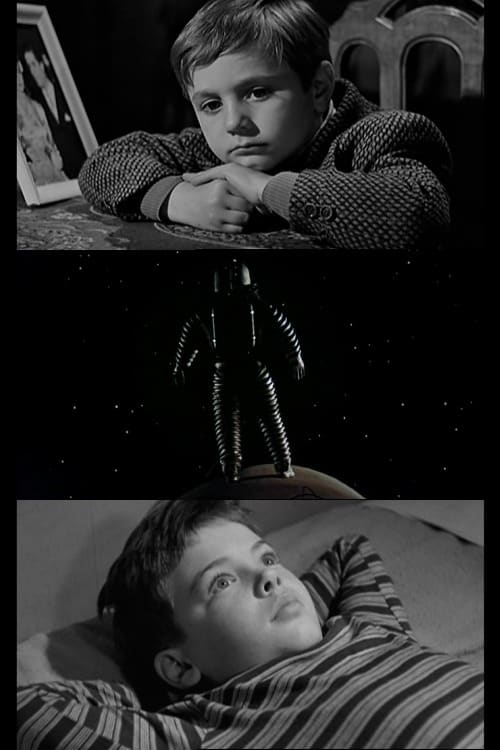
Nostalgic excerpts of fiction, fairytales and vintage science fiction from a child’s room to way out into the galaxy.
Meteor

BEACON is a montage of location shots filmed at ten different places around the world. These sites are connected by the fact that each is located by the sea. Seamlessly combining travelogue footage and appropriated clips from feature films, BEACON produces a single, imaginary locale. Distant echoes of stories of the sea mingle with the banality of today's touristy beachlife. In its collage of places of expectation and with its seductive prospects of the sea, Beacon sets off on a journey with no distinct destination.
Beacon

Album also represents a further step on a path Müller set off on several years ago: away from festivals and toward the art market. Album does not have a linear narrative, but is instead conceived as a loop and is shown primarily in the gallery and museum context. Even though Müller still has one foot in the short film scene, his video works have moved him step by step closer to the world of the fine arts.
Album

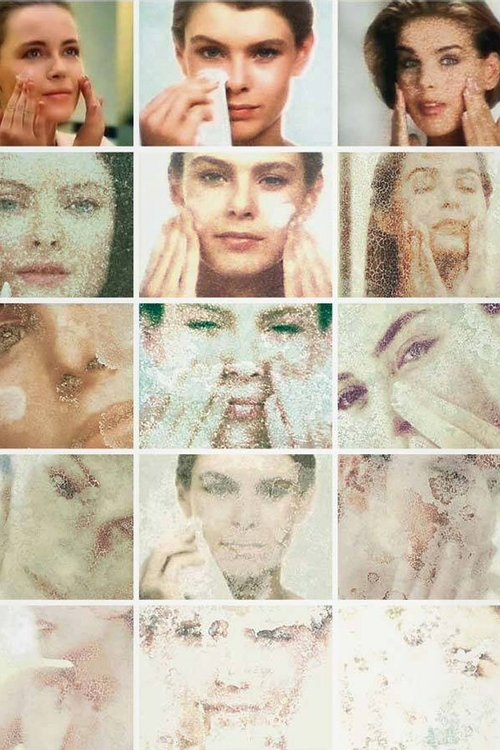
Composed of densely atmospheric and highly stylized recycled commercial footage of young, picture perfect models pleasurably applying personal hygiene and cosmetic products in a quick cut montage of disembodied, glistening skins, hairs, hands, and lips, juxtaposed against the sensual application of assorted foams, lotions, waxes, and creams, these carefully constructed, plastic images begin to fade, speckle, crack, distort, and burn with the material deterioration of the celluloid itself, before being reduced to the stark whiteness - and unadulterated purity - of an empty projection. At once idealized and grotesque, the disintegrating images become an integral reflection of the title's double entendre of hide as both an organic surface that inherently decays with time, and the deliberate act of concealing its irreversible plasticity
Hide

A woman, a man, guests at an evening party. Settings, which are gradually abandoned; the remains of an event, gazes that have lost their object.
Mirror

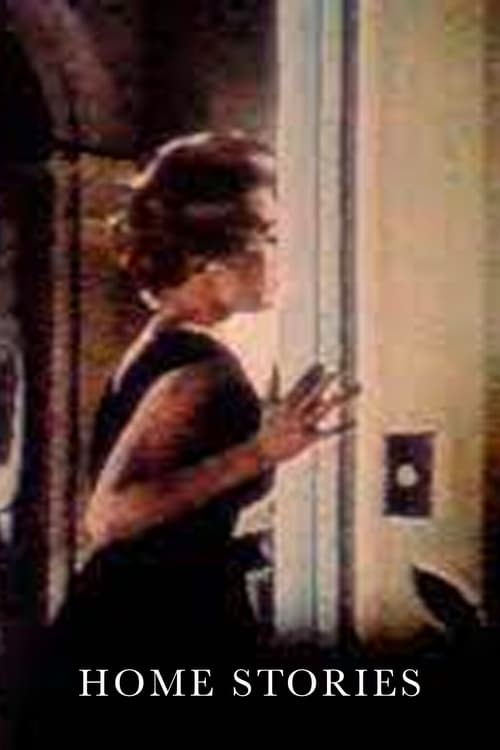
Matthias Müller’s films are always about both the eternal and the volatile qualities of cinema. They exaggerate the unreality and clinical perfection of the Hollywood studio films of the 1950s, quoting its sets and colours (Home Stories, 1990; Pensão Globo, 1997) or even reconstructing them in minute detail (Alpsee, 1994). But, at the same time, these attributes, known in film jargon as the production values, are exposed to decay – a decay which on closer inspection proves to include wilful acts of creation. As his own lab technician, Müller is responsible not only for subsequent wear and tear, but also for the initial developing of his own film material.
The Flamethrowers

“While he mused on the effect of the flowing sands, he was seized from time to time by hallucinations in which he himself began to move with the flow.“ (Kōbō Abe) Liminal zones. Floating particles. Fire, water, earth, air. Voices of fictional characters: sometimes suggestive, sometimes strict, leading the viewer away from the here and now. Who's talking? The relationship between the hypnotized subject and the hypnotist is mirrored in the spectator's relationship to the screen.
Screen

Promises is based on a selection of sixteen prints from a collection of vintage wedding photographs. The video pulses violently from one bouquet of red roses to another, focusing on their unifying similarities. Animating still photography into moving images, Promises zooms into the very centre of the images – single buds – in a nervous, flickering rhythm, as if it were searching for a message hidden deep under the surface. By mere means of editing, the meticulously arranged bouquets seem to explode in aggressive eruptions.
Promises

Time and again, the feature film places animal actors at the side of its human protagonists – sometimes as loyal companions, sometimes as fierce opponents. However, its stagings do not only instrumentalise animals to release emotions, but also raise a fundamental question of our anthropocentric self-image: how to deal with the experience of the otherness of the animal ?
No animal

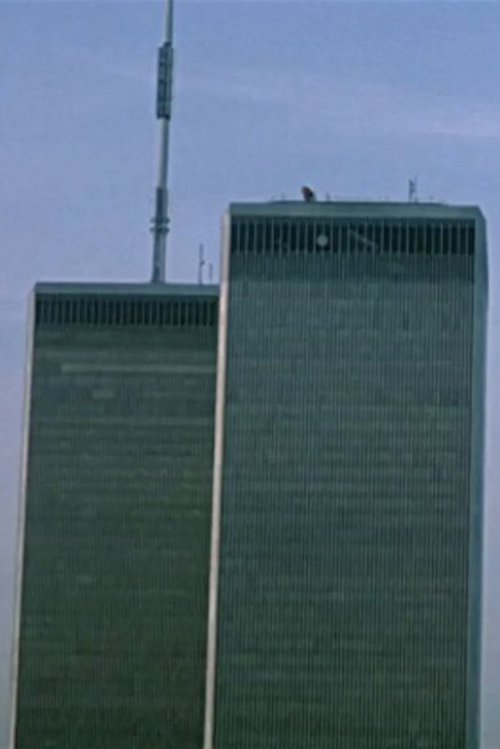
The television images of the collapse of the World Trade Center were preceded by manifold stagings of the building, either as a highly symbolic icon, a speculative destruction fantasy or merely as a spectacular backdrop. In Misty Picture, city symphony, disaster movie and media trauma therapy become one.
Misty Picture

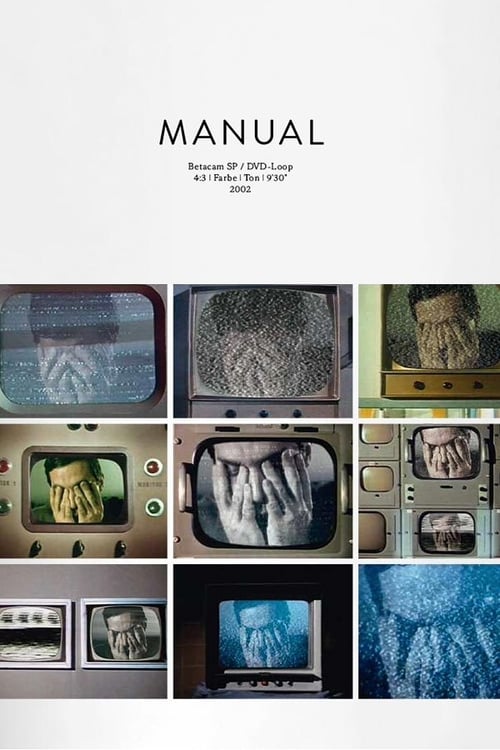
Combining close-ups of redundant technology gleaned from 60s US sci-fi television series with a female voice of a 40s Hollywood melodrama, Manual makes absolute detachment clash with magnified emotion. When its record of the minutae of endless buttons, switches and control panels Manual reduces the notion of any manageability of life to a sheer absurdity.
Manual
As a couple awakens and rituals of breakfast unfold, war news headlines and radio radio broadcasts emerge in layers.
Continental Breakfast

Matthias Müller's SLEEPY HAVEN is explicitly taking up the spirit of Kenneth Anger's FIREWORKS. SLEEPY HAVEN materializes fantasies of an erotic daydream; the film is a cocktail that merges Müller's own shots and found footage like a love act. Nude bodies of sailors are flaring up in flickering solarization effects; they are given an ardent aura of physical desire by this tattooing of the film emulsion. Müller only gradually changes his material metaphors to metaphors of love. But it is not only FIREWORKS the film is alluding to; there is yet another classic shimmering through Müller's imagery: Jean Genet's Un Chant d'Amour.
Sleepy Haven
In Phantom, each face, each body appears, like cinema itself, from beneath a curtain that flutters and flickers to reveal haunted silhouettes that never quite take shape.
Phantom

For a young boy, ordinary facts and things of daily life seem to have great importance.